Log in
Sign up for FREE
arrow_back
Library

B6 Inheritance, variation, and evolution

star
star
star
star
star
Last updated 4 months ago
82 questions
4.6.1.1 Sexual and asexual reproduction
1
4.6.1.1
2
4.6.1.1
3
4.6.1.1
1
4.6.1.1
1
4.6.1.1
1
4.6.1.1
1
4.6.1.1
1
4.6.1.1
1
4.6.1.1
1
4.6.1.1
1
4.6.1.1
1
4.6.1.1
1
4.6.1.1
1
4.6.1.1
1
4.6.1.1
1
4.6.1.1
1
4.6.1.1
4.6.1.2 Meiosis
1
4.6.1.2
1
4.6.1.2
1
4.6.1.2
1
4.6.1.2
1
4.6.1.2
1
4.6.1.2
1
4.6.1.2
1
4.6.1.2
4.6.1.3 Advantages and disadvantages of sexual and asexual reproduction
2
4.6.1.3
4.6.1.4 DNA and the genome
1
4.6.1.4
1
4.6.1.4
1
4.6.1.4
4.6.1.5 DNA Structure
1
4.6.1.5
1
4.6.1.5
1
4.6.1.5
1
4.6.1.5
1
4.6.1.5
1
4.6.1.5
4.6.1.6 Genetic Inheritance
1
4.6.1.6
1
4.6.1.6
1
4.6.1.6
1
4.6.1.6
2
4.6.1.6
1
4.6.1.6
1
4.6.1.6
1
4.6.1.6
1
4.6.1.6
1
4.6.1.6
1
4.6.1.6
1
4.6.1.6
1
4.6.1.6
1
4.6.1.6
1
4.6.1.6
1
4.6.1.6
1
4.6.1.6
1
4.6.1.6
1
4.6.1.6
1
4.6.1.6
4.6.1.7 Inherited Disorders
2
4.6.1.6
4.6.1.7
1
4.6.1.6
MS1c
1
4.6.1.6
5
4.6.1.7
4.6.1.8 Sex Determination
1
4.6.1.8
4.6.2.1 Variation
4.6.2.2 Evolution
4.6.2.3 Selective Breeding
4.6.2.4 Genetic Engineering
4.6.2.5 Cloning
1
4.6.2.5
1
4.6.2.5
1
4.6.2.5
1
4.6.2.5
4.6.3.1 Theory of evolution
4.6.3.2 Speciation
4.6.3.3 The understanding of genetics
4.6.3.4 Evidence for evolution
4.6.3.5 Fossils
4.6.3.6 Extinction
4.6.3.7 Resistant Bacteria
4.6.4 Classifcation of living organisms
Question 1
1.
Question 2
2.

Question 3
3.
Other Answer Choices:
embryos
differentiation
genes
gametes
mitosis
Asexual
fertilisation
sexual
Question 4
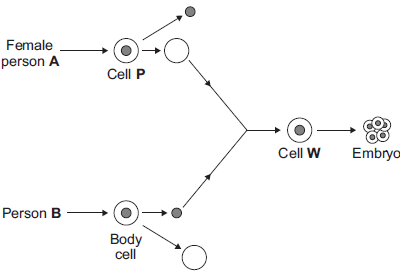
4.

Question 5
5.

Question 6
6.

Question 7
7.

Question 8
8.

Question 9
9.

Question 10
10.

Question 11
11.

Question 12
12.

Question 13
13.

Question 14
14.

Question 15
15.

Question 16
16.

Question 17
17.

Question 18
18.

Question 19
19.

Question 20
20.

Question 21
21.

Question 22
22.

Question 23
23.

Question 24
24.

Question 25
25.

Question 26
26.

Question 27
27.

Question 28
28.

Question 29
29.

Question 30
30.

Question 31
31.

Question 32
32.

1
4.6.1.5
1
4.6.1.5
1
4.6.1.5
1
4.6.1.5
1
4.6.1.5
1
4.6.1.5
1
4.6.1.5
1
4.6.1.5
1
4.6.1.5
1
4.6.1.5
1
4.6.1.5
1
4.6.1.5
Question 45
45.

Question 46
46.

Question 47
47.

Question 48
48.

Question 49
49.

Question 50
50.

Question 51
51.

Question 52
52.

Question 53
53.

Question 54
54.

Question 55
55.

Question 56
56.

Question 57
57.

Question 58
58.

Question 59
59.

Question 60
60.

Question 61
61.

Question 62
62.

Question 63
63.

Question 64
64.

Question 65
65.

Question 66
66.

Question 67
67.

Question 68
68.

Question 69
69.

Question 70
70.

Question 71
71.

Question 72
72.

1
Question 73
73.
4.6.2.1
1
Question 74
74.
4.6.2.1
1
Question 75
75.
4.6.2.1
1
Question 76
76.
4.6.2.1
WS3.5
1
Question 77
77.
4.6.2.1
WS3.5
1
Question 78
78.
4.6.2.1
WS3.5
Question 79
79.

Question 80
80.

Question 81
81.

Question 82
82.

never identical to the parents
sometimes identical to the parents
always identical to the parents
identical to other offspring
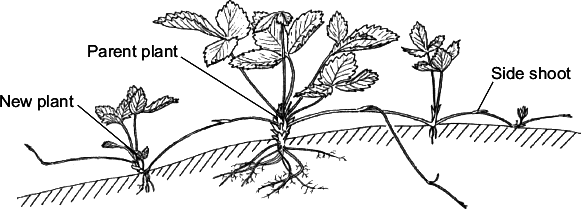
asexual reproduction of plants
asexual reproduction of animals
sexual reproduction of plants and animals
reproduction of bacteria
a fish releases sperm which unites with an egg of another fish
a worm is split in two; each half grows back into a complete worm
a gray cat is the offspring of a black cat and a white cat
flowers from two different plants are mated to produce a seed
receives half of its genetic material from each parent
receives all of its genetic material from one parent
receives genetic material from an outside source
develops genetic material independent of any other source
mitosis
meiosis
crossing over
replication
mitosis
meiosis
crossing over
replication
homologous chromosomes
twice the number of chromosomes found in body cells
two sets of chromosomes
one copy of each chromosome
two haploid daughter cells
four haploid daughter cells.
two diploid daughter cells.
four diploid daughter cells.
43
46
23
26
4 cells, each with 20 chromosomes
4 cells, each with 10 chromosomes
2 cells, each with 10 chromosomes
2 cells, each with 20 chromosomes
diploid
haploid
somatic
zygotes
Staircase
Twisted ladder
Double Helix
polymer
Chromosome
Phosphate
Deoxyribose
Gene
Question 33
33.

Transcribe the following DNA sequence into mRNA:
A T C G T C C A A

Question 34
34.

Transcribe the following DNA sequence into mRNA:
T A G C A C C A A

Question 35
35.

Question 36
36.

Question 37
37.

Question 38
38.

Question 39
39.

Question 40
40.

List ONE codon for valine

Question 41
41.

List ONE codon for STOP

Question 42
42.

Methionine is a START signal. What is the codon for met?

Question 43
43.

Question 44
44.

Staircase
Twisted ladder
Double Helix
polymer
False
Chromosome
Phosphate
Deoxyribose
Gene
That the recessive trait will show up
That the dominant trait will show up only if there is no recessive trait
It means nothing, that trait that shows up has nothing to do with dominant alleles
That the dominant trait will show up
Genetic makeup
Physical appearance
The combination of alleles
The alleles that you get from your parents
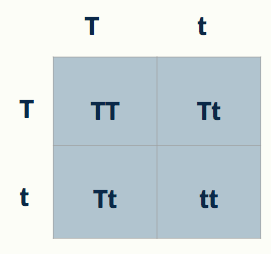
Tt, tt, TT
TT, Tt, tt
tt, TT, Tt
Tt, TT, tt
TT
Tt
tt
tT
What does it mean if an organism is heterozygous for a trait?
It can only pass on recessive traits.
It expresses a dominant trait.
It has no alleles for the trait.
It has two identical alleles.
It has two different alleles for that trait.
Which term describes an allele that masks the expression of another?
Heterozygous contains two identical alleles.
Recessive allele enhances another allele.
Alleles are only found in recessive traits.
Dominant allele masks another allele.
Homozygous consists of two different alleles.
If an organism is homozygous recessive, what can be said about its alleles?
It has one dominant and one recessive allele.
It carries no alleles for this trait.
It can only pass on dominant traits.
It has two different dominant alleles.
It has two identical recessive alleles.
Translate the codon: UAC
Tyr
Iso
Leu
His
Translate the codon: CAG
His
Asp acid
Glu
Thr
Translate the codon: AGG
Phe
Gly
Met
Arg
Translate the codon: GAU
Pro
Ser
Asp Acid
Thr
Translate the codon: UUU
Phe
Lys
Val
Ala
What is made at the end of transcription?
A. DNA
B. mRNA
C. Protein Chain
D. tRNA
What is made at the end of translation?
A. DNA
B. mRNA
C. Protein Chain
D.tRNA