Body Chemistry assignment
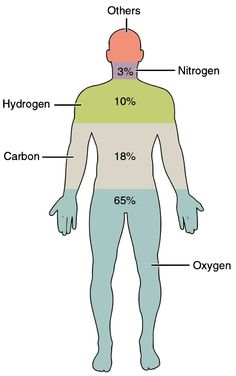
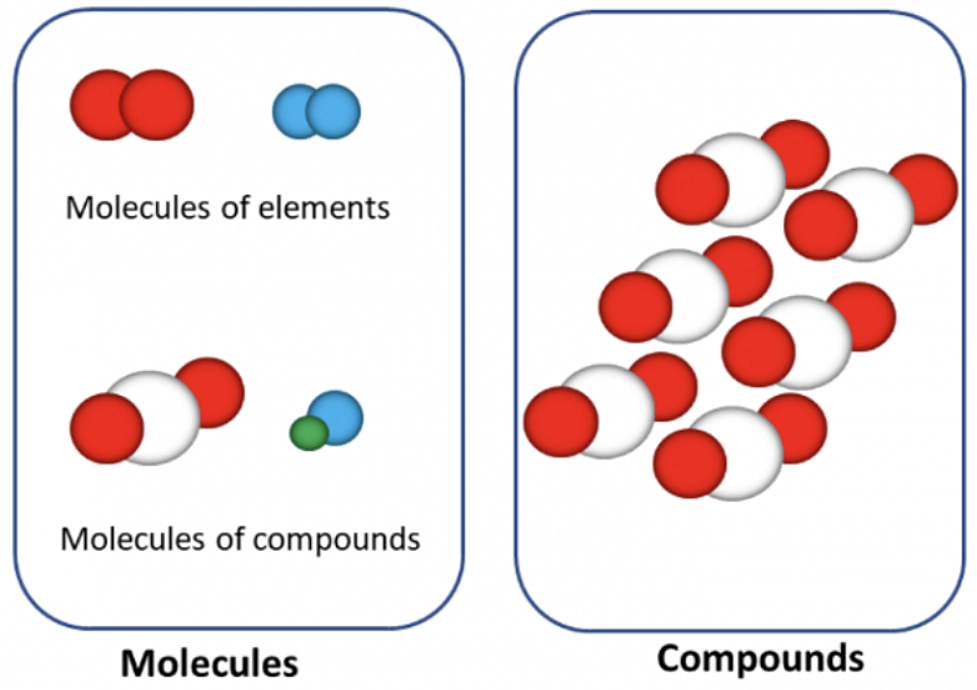
Elements
Pure substances made of only one type of atom.
Cannot be broken down into simpler substances by chemical means.
Examples: Oxygen , Carbon Hydrogen Nitrogen

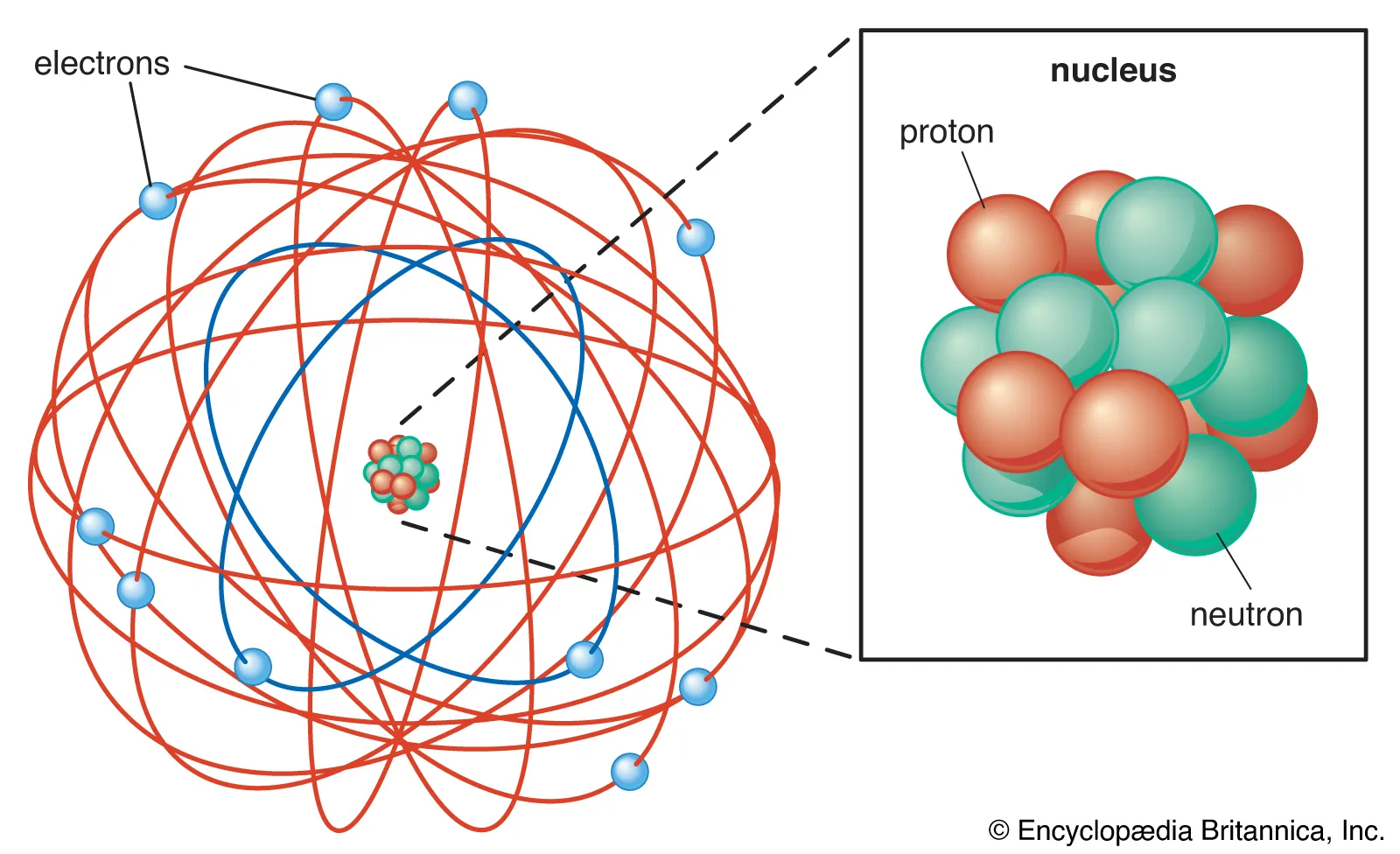
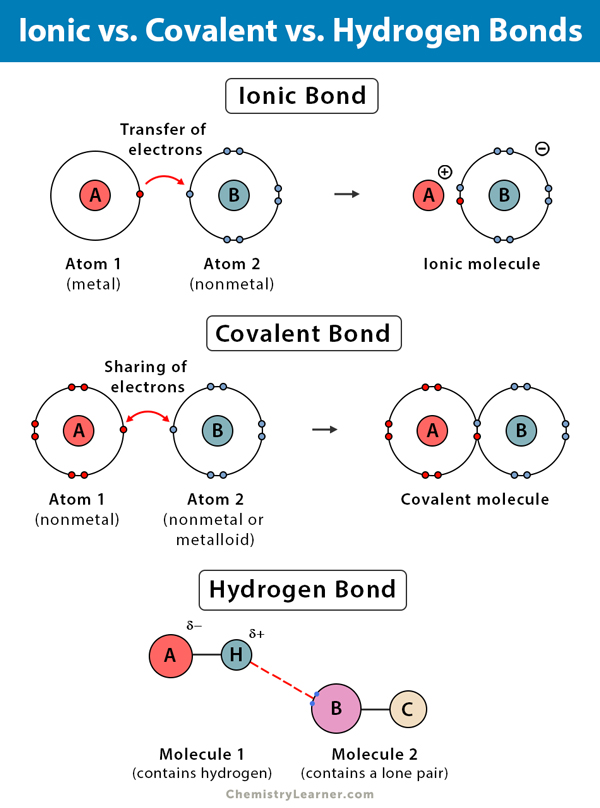
Formed when electrons are transferred from one atom to another.
Results in charged particles called ions.
Example: Sodium chloride
Covalent Bonds
Formed when atoms share electrons.
Can involve single, double, or triple bonds.
Example: Water
Hydrogen Bonds
Weak attraction between a hydrogen atom and an electronegative atom (like oxygen or nitrogen).
Important in maintaining the structure of DNA and the properties of water.
Standard 5: Ions in Solution (Electrolytes)
Electrolytes
Substances that dissolve in water to form ions.
Help conduct electrical signals in the body.
Important for muscle function, nerve impulses, and hydration.
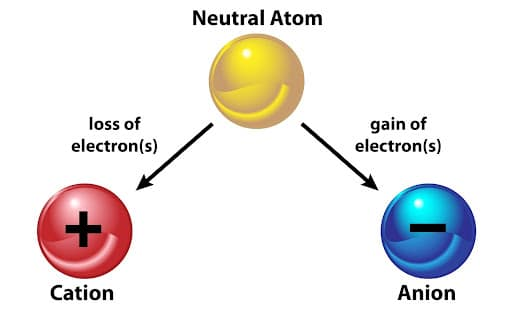
Anion
A negatively charged ion.
Formed when an atom gains electrons.
Example: Chloride Cl-, Bicarbonate (baking soda)
Cation
A positively charged ion.
Formed when an atom loses electrons.
Example: Sodium Na+ , Calcium Ca2+
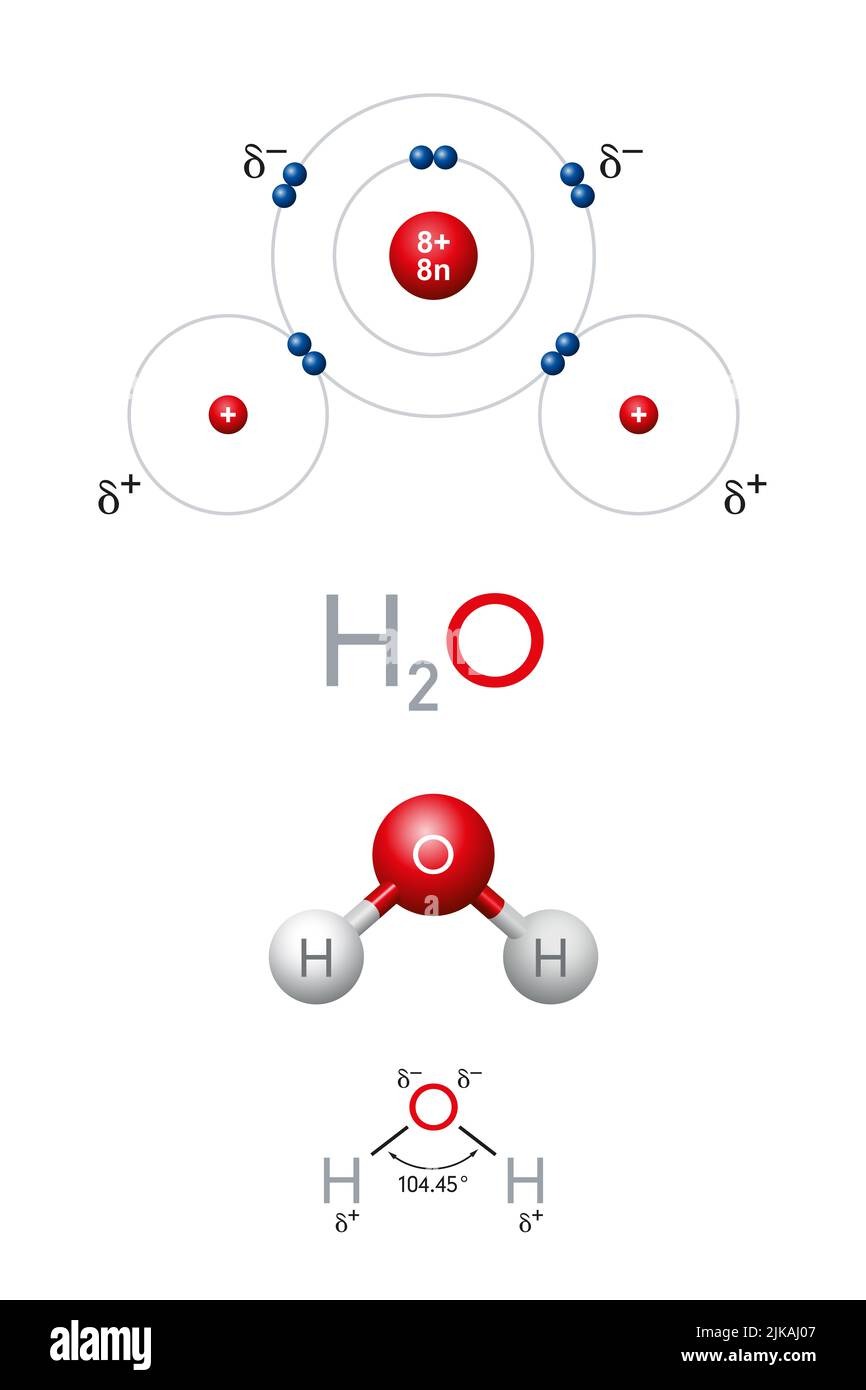
Standard 6: Properties and Functions of Water in the Human Body
Universal Solvent
Dissolves many substances, allowing chemical reactions to occur in cells.
Transport
Carries nutrients, hormones, and waste through blood and other fluids.
Lubricant
Reduces friction in joints and tissues (e.g., synovial fluid).
Heat Capacity
Absorbs and retains heat, helping regulate body temperature.
Chemical Reactions
Participates in reactions like hydrolysis and dehydration synthesis.
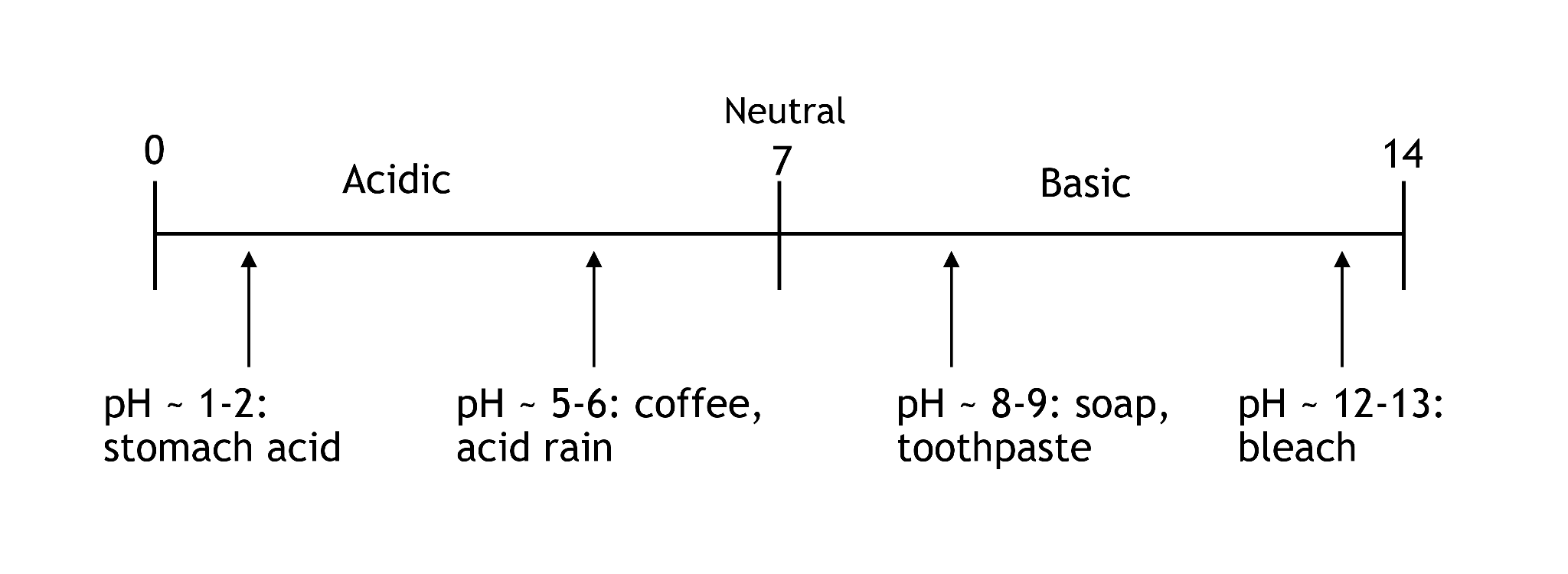
Normal range: 7.35 to 7.45
Slight changes can affect enzyme function and health.
Standard 10: Cellular Respiration and Energy Production
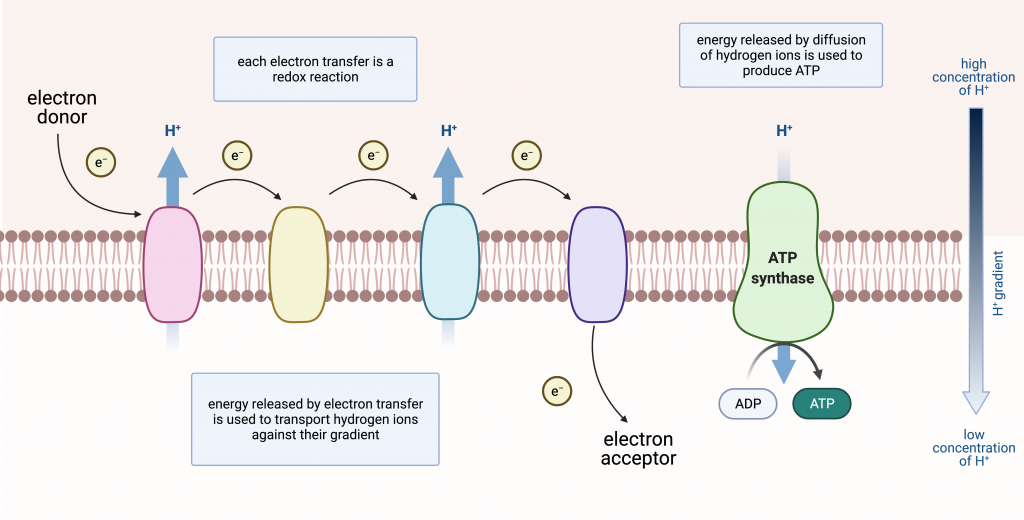
ATP (Adenosine Triphosphate)
Main energy currency of the cell.
Energy Conversion
$ATP \leftrightarrow ADP + P + \text{ENERGY}$ When ATP loses a phosphate group, it becomes ADP (adenosine diphosphate) and releases energy used for cellular processes.