Twa kɔ nsɛm atitiriw so
Log in
Sign up for FREE
arrow_back
Laabri

Leaf Chromatography 5-8

star
star
star
star
star
Last updated 10 months ago
7 Nsɛmmisa
Hyɛ no nsow a efi ɔkyerɛwfo no hɔ:

Today you will be using the scientific process of chromatography to examine the different pigments found in green, yellow, and red leaves.

Today you will be using the scientific process of chromatography to examine the different pigments found in green, yellow, and red leaves.

1
1
1
1
1
1
1
Asemmisa {{asɛmmisaAhyɛnsode}}
1.

Define chromatography.

Asemmisa {{asɛmmisaAhyɛnsode}}
2.

Isopropyl alcohol is commonly used household item. What is the everyday name for isopropyl alcohol?

Asemmisa {{asɛmmisaAhyɛnsode}}
3.

Draw the pigments that appear on each of the filter papers. Label each pigment on the filter paper (green- chlorophyll, yellow- xanthophyll, orange- carotenoid, red- anthocyanin).

Asemmisa {{asɛmmisaAhyɛnsode}}
4.

Which pigment(s) traveled furthest up the filter paper?

Asemmisa {{asɛmmisaAhyɛnsode}}
5.

Which pigment(s) traveled the least distance up the filter paper?

Asemmisa {{asɛmmisaAhyɛnsode}}
6.

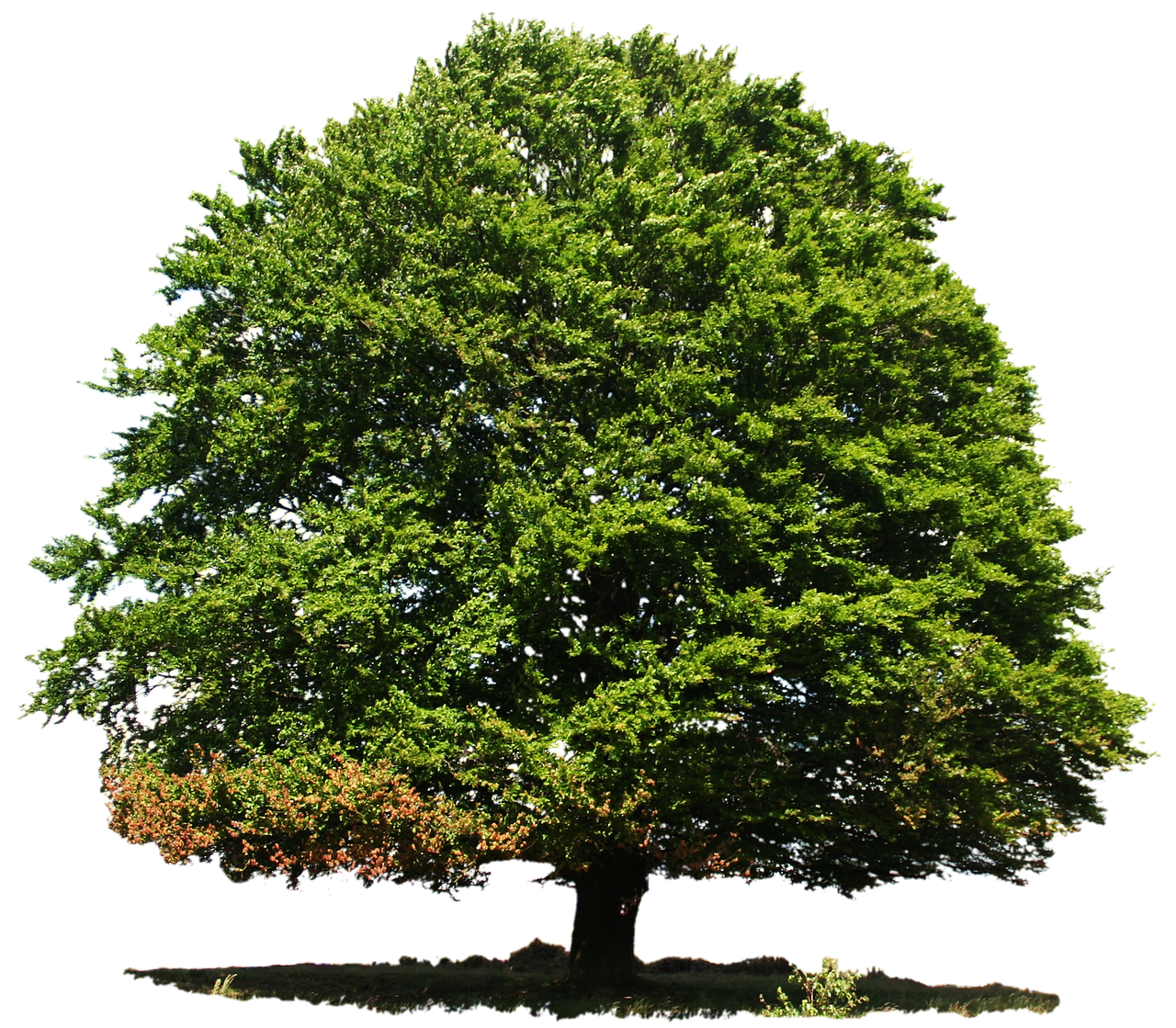
Most deciduous trees have leaves that appear green in the spring and summer. Why can you not see other pigments in green leaves during these seasons?
Asemmisa {{asɛmmisaAhyɛnsode}}
7.

Scientists are not quite sure why a deciduous tree who is about to lose its leaves would bother changing the color of the leaves first. Create a video of yourself explaining two hypothesis scientists have proposed.

[Hint: Click on the blue + sign to record a video. Videos must be 2 minutes of less]