Preskoči na glavni sadržaj
Prijava
Sign up for FREE
arrow_back
Biblioteka

P2 Electricity

star
star
star
star
star
Posljednje ažuriranje 3 days ago
9
Untitled Section 1
4.2.1.1 Standard Circuit Diagram Symbols
14
4.2.1.1
1
4.2.1.1
4.2.1.2 Electrical charge and current
4.2.1.3 Current, resistance, and potential difference
4.2.1.3 Resistors
4.2.2 Series and parallel circuits
4.2.3.1 Direct and Alternating potential difference
4.2.3.2 Mains electricity
1
4.2.3.2
4.2.4.1 Power
4.2.4.2 Energy transfers in everyday appliances
4.2.4.3 The National Grid
1
4.2.4.3
1
4.2.4.3
1
4.2.4.3
1
4.2.4.3
2
4.2.4.3
1
4.2.4.3
4.2.5.1 Static charge
4.2.5.2 Electric fields
Pitanje 1
1.

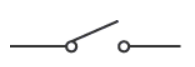
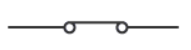
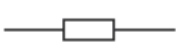
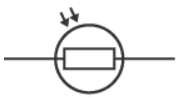
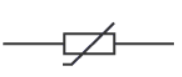
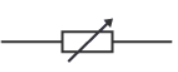
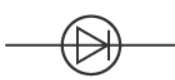
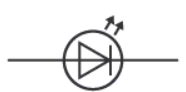
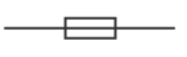
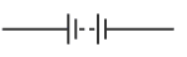
Match the item to the picture

Stavka koja se može prevućiarrow_right_altOdgovarajuća stavka

Resistor

arrow_right_alt

Closed switch

arrow_right_alt

Cell

arrow_right_alt

Lamp / Bulb

arrow_right_alt

Fuse

arrow_right_alt

Variable Resistor

arrow_right_alt

Open Switch

arrow_right_alt

Battery

arrow_right_alt

Voltmeter

arrow_right_alt

Light Emitting Diode (LED)

arrow_right_alt

Thermistor

arrow_right_alt

Diode

arrow_right_alt

Ammeter

arrow_right_alt

Light Dependent Resistor (LDR)

arrow_right_alt

Pitanje 2
2.

Draw a circuit diagram from the image

Pitanje 3
3.

The toaster is plugged in to the mains electricity supply.

What is the potential difference between the live and neutral wires?

Pitanje 4
4.

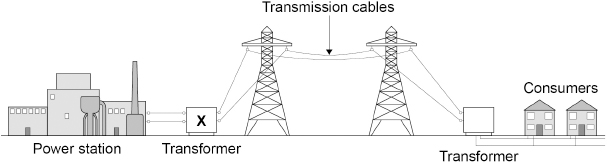
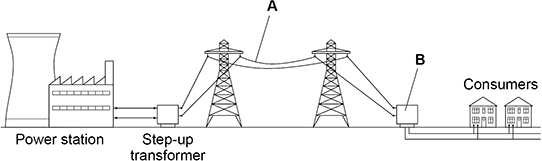
A network of transformers and transmission cables transfers electrical power from power stations to consumers.

What is this network called?

Pitanje 5
5.

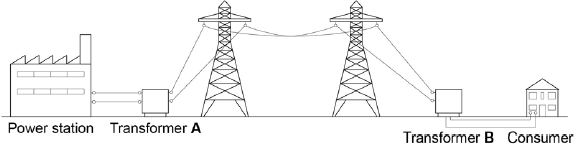
Figure 2 shows how power stations transfer electrical power to consumers using the National Grid.

Figure 2


The power station generates electricity at a voltage of 25 kV.

Transformer A increases the voltage by a factor of 16.

What is the voltage output of transformer A?

Pitanje 6
6.

Why is the voltage increased by transformer A?

Tick one box.

Pitanje 7
7.

Why is it important that the voltage is decreased by transformer B?

Pitanje 8
8.
Pitanje 9
9.