Log in
Sign up for FREE
arrow_back
Library
Colonizing New Spain
By Kenneth Robinson
star
star
star
star
star
Share
share
Last updated 5 months ago
13 questions
Add this activity
zoom_in
zoom_in
1
Question 1
1.
True
False
zoom_in
1
Question 2
2.
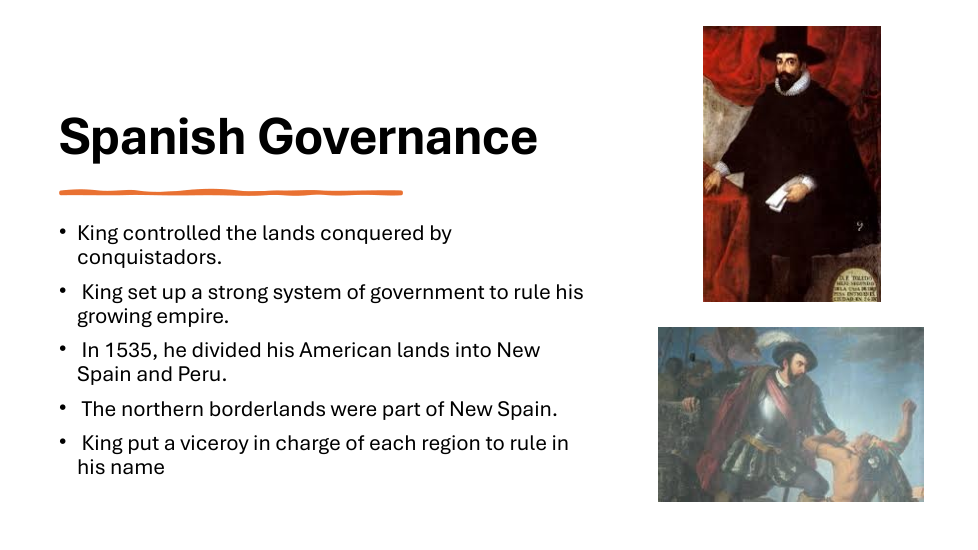
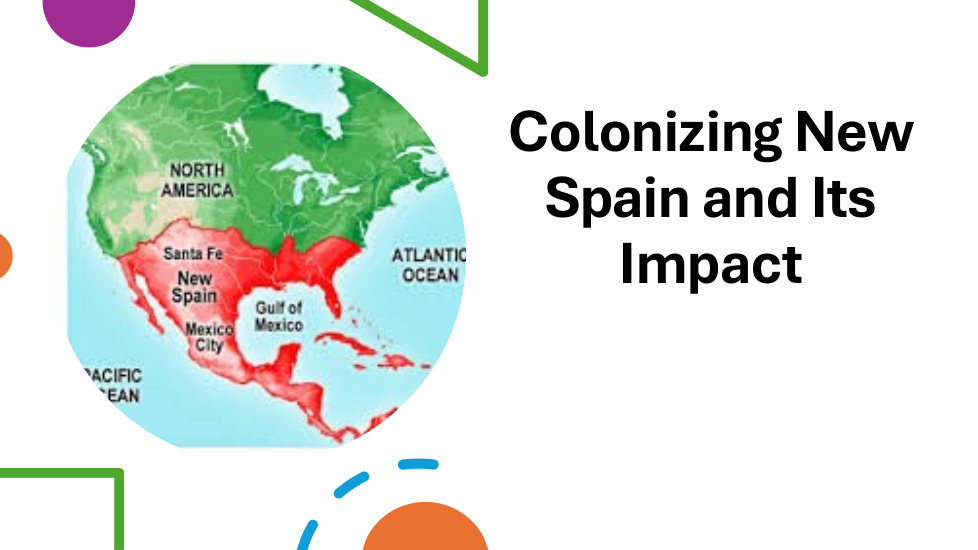
In 1535, how did the king organize his lands in America?
Merged all territories
Divided into New Spain and Peru
Left them unchanged
Created smaller provinces
1
zoom_in
1
Question 4
4.
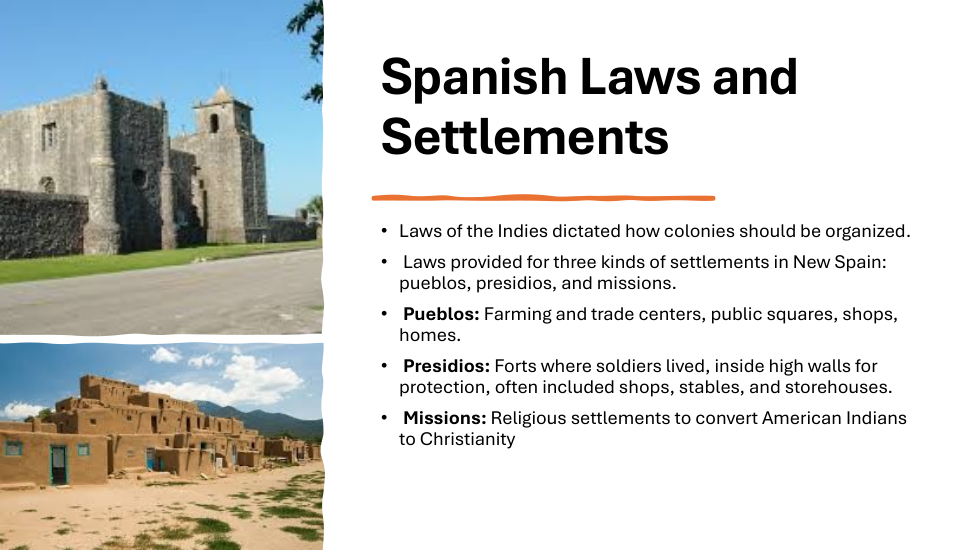
What were pueblos primarily used for in New Spain?
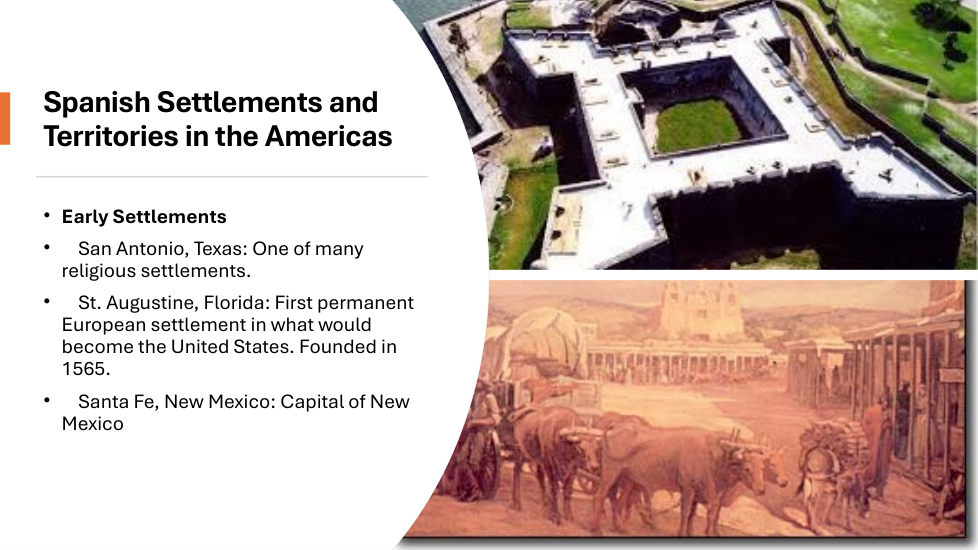
Farming and trade centers with public spaces.
Religious conversion centers for natives.
Residential homes for Spanish aristocrats.
Military forts for defense purposes.
1
zoom_in
zoom_in
1
1
1
zoom_in
zoom_in
zoom_in
1
Question 9
9.
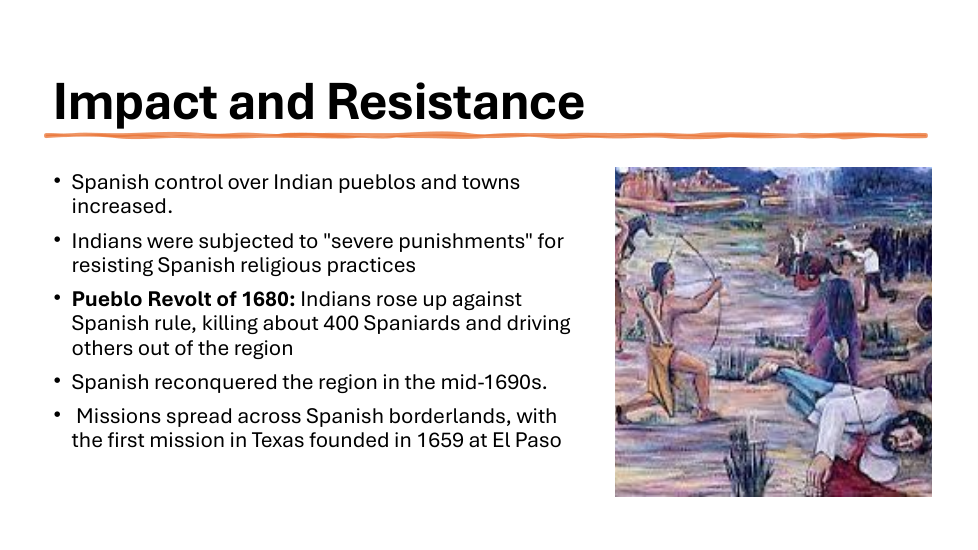
What happened after the Pueblo Revolt was successful?
Spanish rule ended for good in the Southwest.
Indians gained permanent independence and peace.
The Spanish reconquered the region in the 1690s.
Spaniards abandoned all settlements completely.
zoom_in
zoom_in
1
Question 10
10.
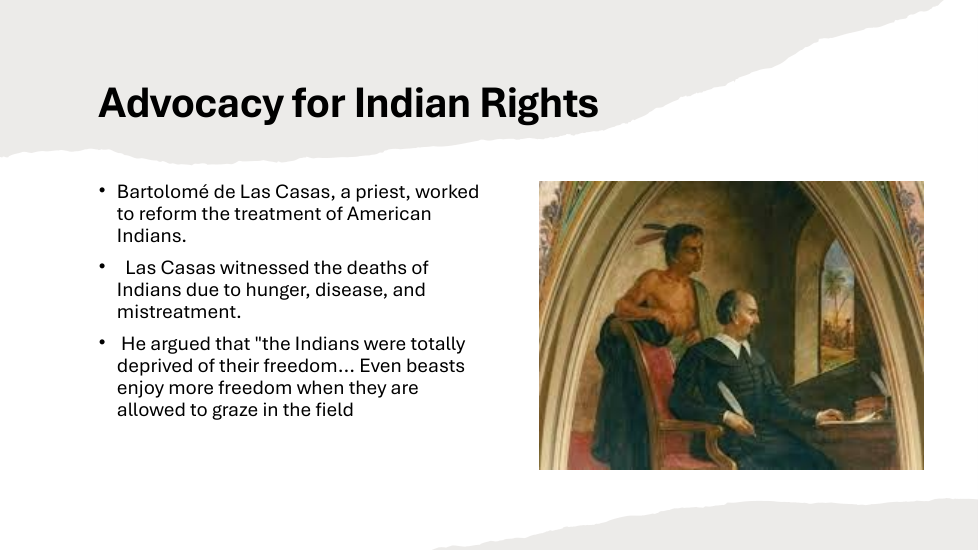
Who was Bartolomé de Las Casas?
A Spanish conquistador
A wealthy landowner
A native American leader
A priest advocating for Indian rights.
zoom_in
zoom_in
1
1
1
zoom_in
zoom_in
Question 3
3.
Who was placed in charge of regions in New Spain?
A governor of each city
A viceroy
Local tribal chiefs
The king himself
Question 5
5.
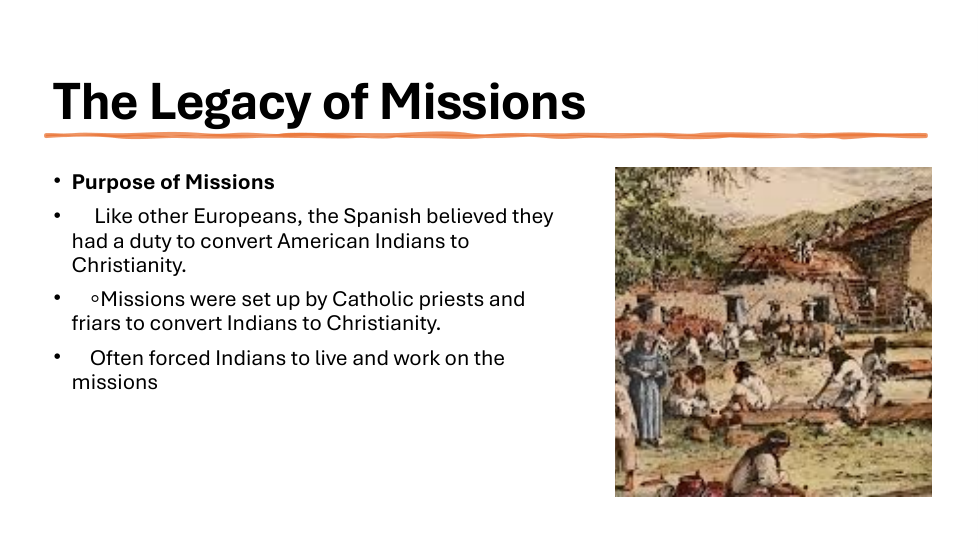
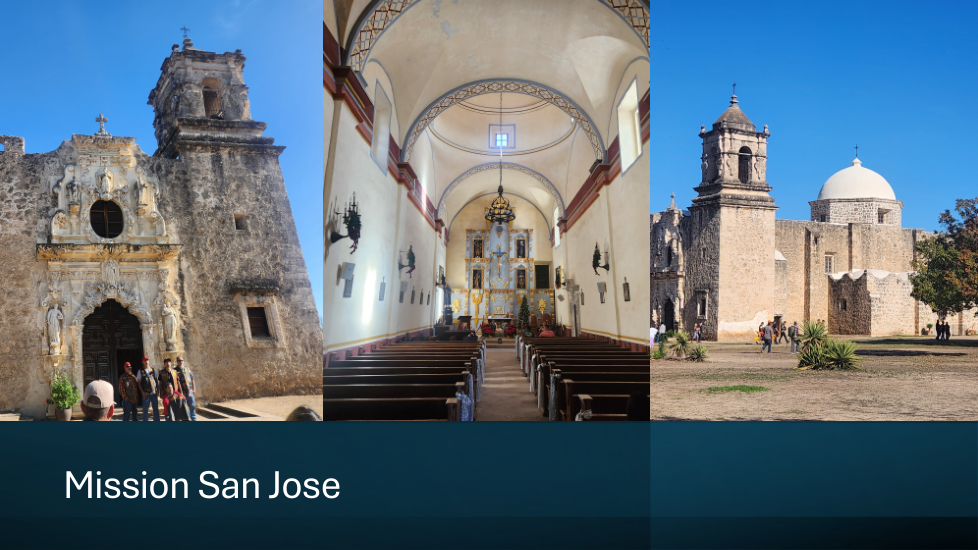
Missions were established to do what?
Serve as farming and trade centers.
Create military defenses against other powers.
Convert American Indians to Christianity.
Build trade routes among colonies.
Question 6
6.
What was the main purpose of missions set up by the Spanish?
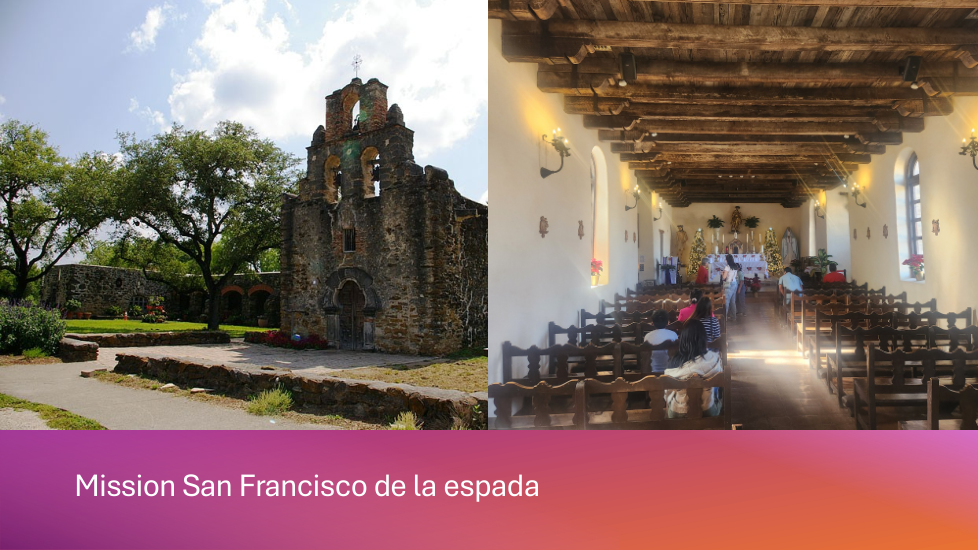
To convert American Indians to Christianity.
To establish trade routes
To build schools for Native Americans
To acquire land for agriculture
Question 7
7.
Who primarily set up the missions in New Spain?
Catholic priests and friars.
Native American leaders
Military commanders
Spanish royalty
Question 8
8.
How did the missions affect American Indians?
They were given free land
They received education only
They were allowed to ignore Christianity
They were often forced to live and work there.
Question 11
11.
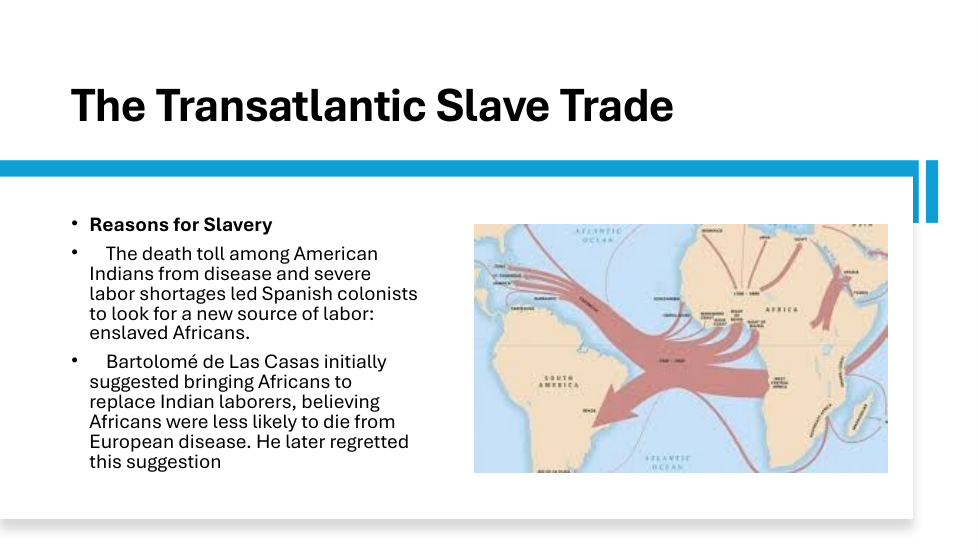
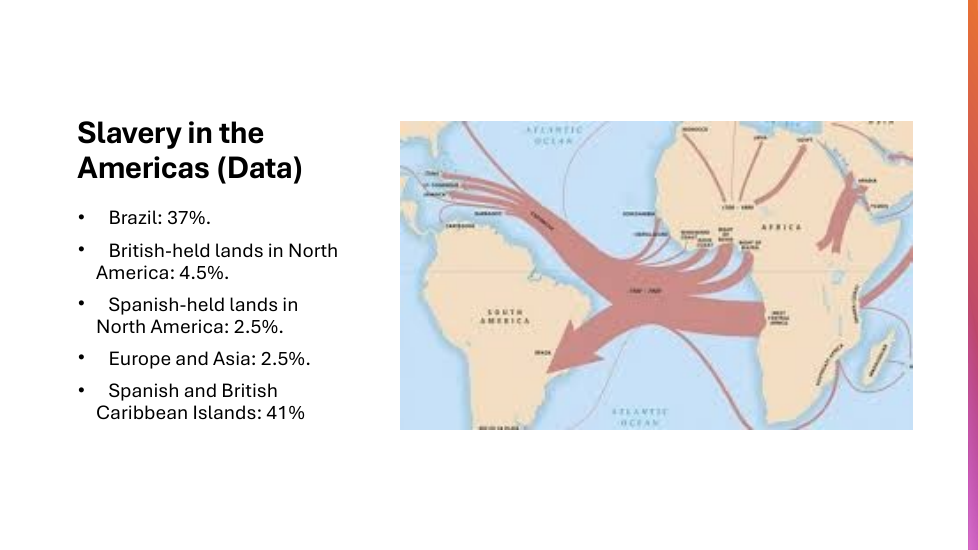
What led Spanish colonists to enslave Africans?
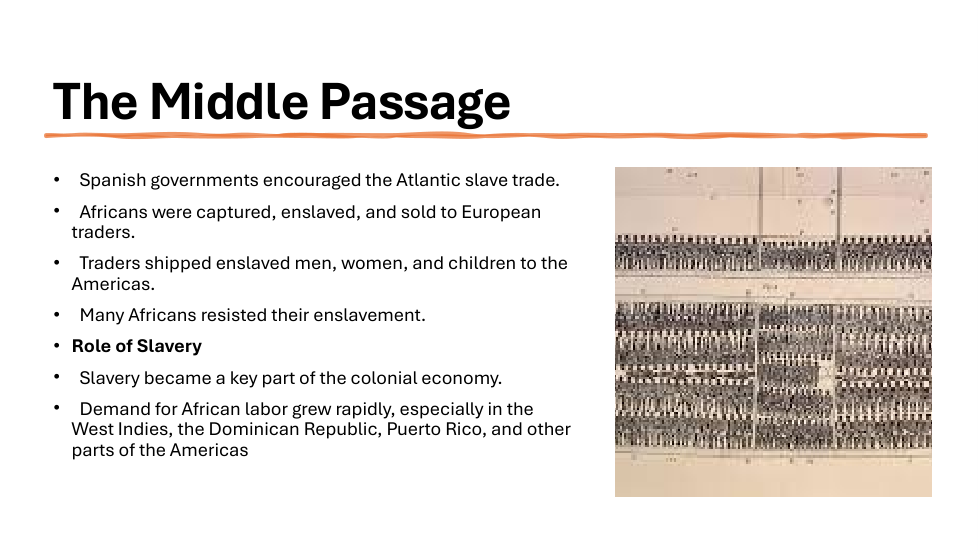
A surplus of willing workers in Europe.
Labor shortages due to high Indian death tolls.
New laws limited the use of native labor.
A cultural exchange between Spain and Africa.
Question 12
12.
What was a major reason Africans were chosen for labor?
Belief they had higher immunity to diseases.
They were seen as more educated than natives.
They were less expensive to acquire than natives.
They volunteered for the work willingly.
Question 13
13.
What did Bartolomé de Las Casas later do regarding his suggestion?
He became an advocate for native rights.
He left the colonies due to guilt.
He promoted further use of African labor.
He regretted his suggestion to enslave Africans.