This formative assessment is designed to evaluate the understanding of fundamental scientific concepts, including the scientific method, lab safety, measurement, and data interpretation. The assessment consists of multiple-choice, short answer, and matching questions to ensure a comprehensive evaluation of the students' knowledge and skills.
What is the part of an experiment that serves as a standard for comparison?
A testable prediction that predicts a cause and effect relationship between variables is a(n)...
Where does the dependent variable go on a graph?
Why is it advisable to use tongs when taking a beaker off a laboratory burner?
A factor in an experiment that changes in response to the independent variable is the _____.
Using the graduated cylinder on your page, pick the accurate and precise measurements below.
If your lab partner's clothes catch on fire, you should first
all of the following are steps in the scientific method EXCEPT
The best type of graph to use to show the percentages of a whole is a
A factor that does NOT change in an experiment is the
The "cause" of the experiment, what we are purposefully manipulating or changing is the
What is 78,900,000,000 expressed in scientific notation?
Using the graph on the page, how many adults do NOT carpool to work?
The speed of light is approximately 3.0 x 10^8
Mrs. James wants to measure the volume of a liquid very precisely. What is the BEST lab equipment she could use to do this?
Which of the following is a quantitative observation?
What is the first thing you should always do before starting a lab?
What does P.A.S.S. stand for?
Shelley accidentally drops a test tube and it shatters. What two things should she make sure to do?
What should you always do at the end of a lab?
What is the SI unit for mass?
What is the SI unit for length?
What is the SI unit for temperature?
Measure the length of the pencil using the ruler on the page. Make sure to include units in your answer.
Match the correct vocabulary term to the definition.
| Draggable item | arrow_right_alt | Corresponding Item |
|---|---|---|
Law | arrow_right_alt | Objective; based on information gathered using the five senses. |
Theory | arrow_right_alt | Subjective; based on opinions or assumptions. |
Waft | arrow_right_alt | Statement about how things happen in nature that seems to be true all the time. |
Observation | arrow_right_alt | An explanation of why things happen based on knowledge gained from many observations and investigations. |
Conversion factor | arrow_right_alt | Method for appropriately smelling unknown substances in lab. |
Inference | arrow_right_alt | Ratios of equivalent values |
What is the independent variable in this experiment?
What is the dependent variable in this experiment?
Write a hypothesis, in the correct format, for this experiment.
What is the control group in this experiment?
What is the experimental group in this experiment?
List TWO constants in this experiment.
45 kg to g
2,570 cm to hm
331 K to C
29 C to F
3 miles to feet
2.3 cups to L
Convert 2,075,000 to scientific notation
Convert 0.0041 to scientific notation
Convert 1.17 x 10^-4 to standard notation
Convert 9.081 x 10^7
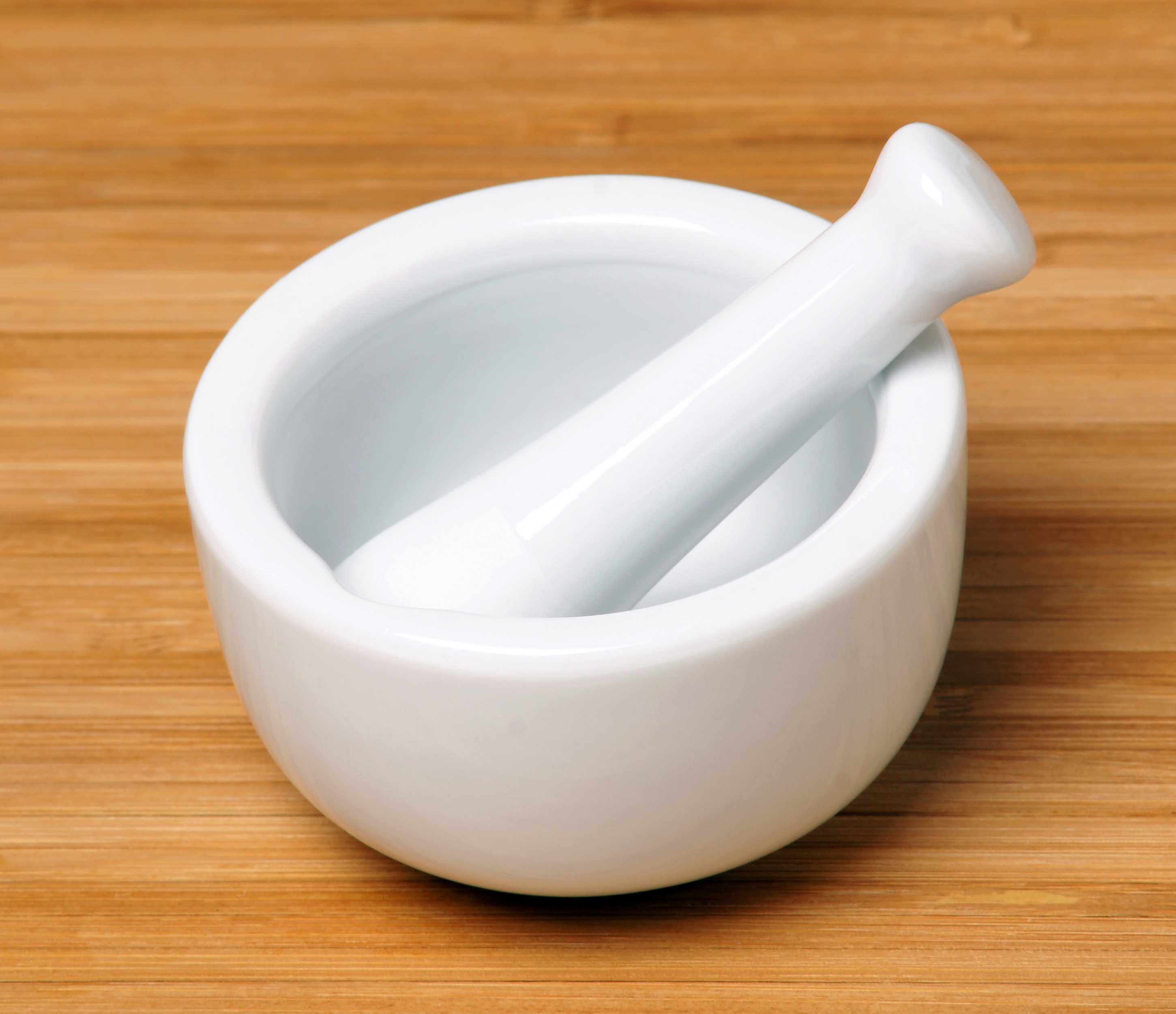
What is the name of this piece of lab equipment?
What is this piece of lab equipment used for?
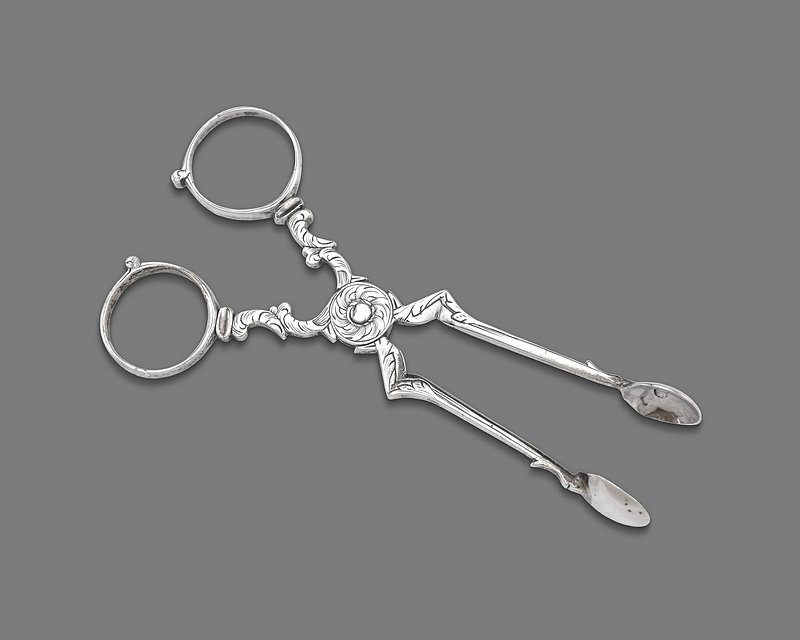
What is the name of this piece of lab equipment?
What is this lab equipment used for?
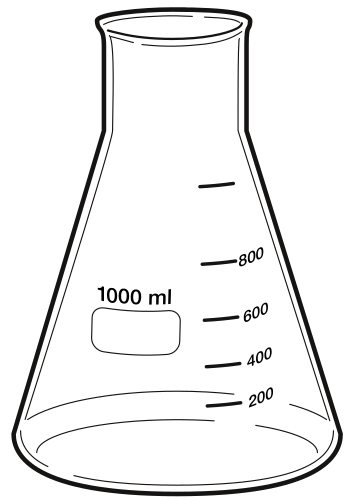
What is the name of this piece of lab equipment?
What is this piece of lab equipment used for?
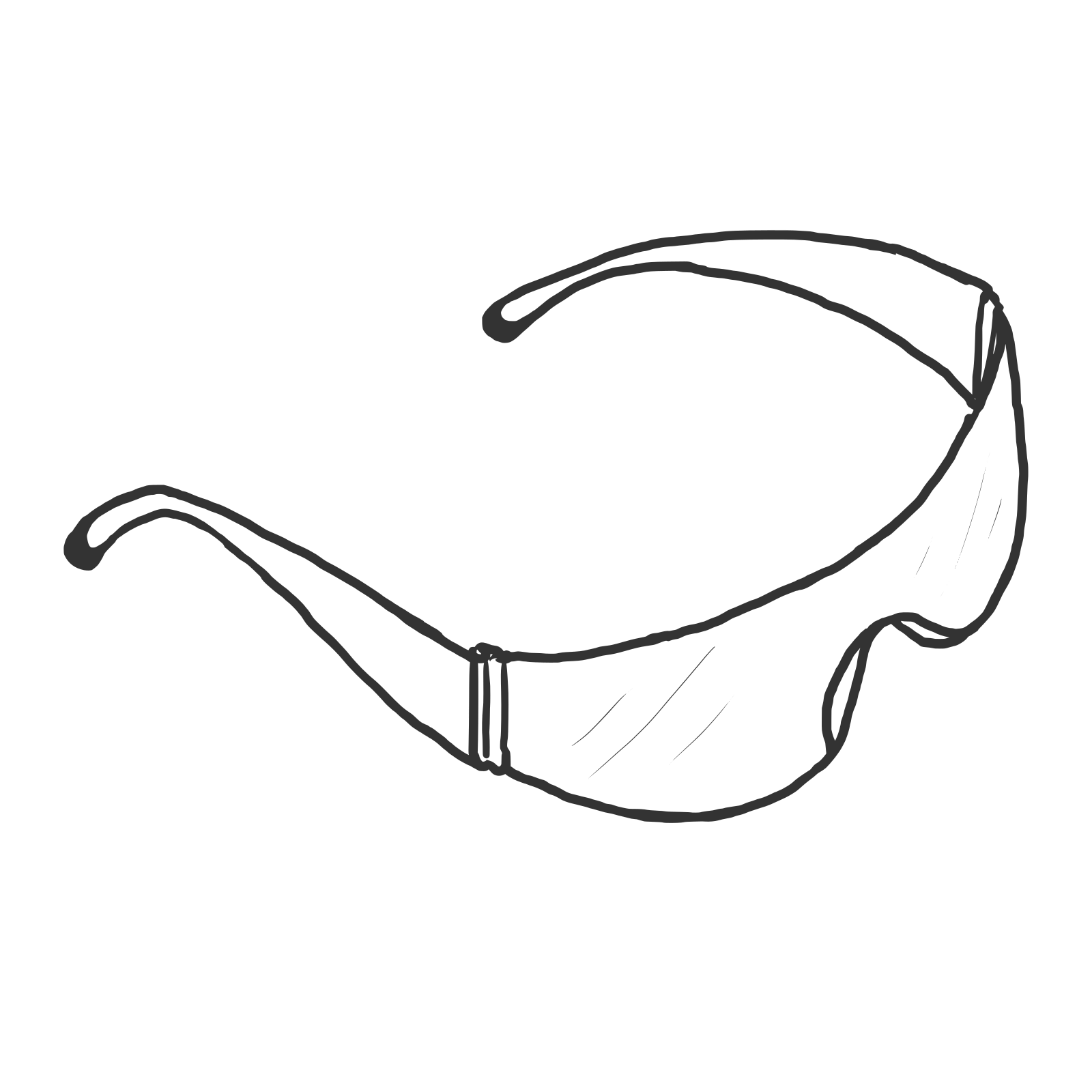
What is the name of this piece of lab equipment?
What is this lab equipment used for?
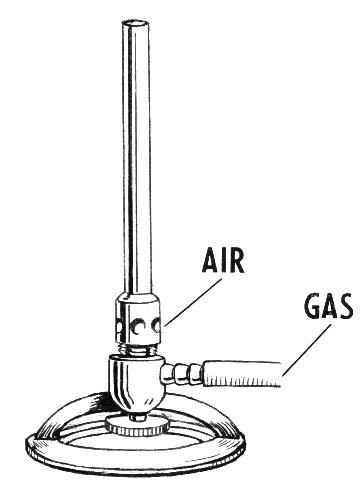
What is the name of this piece of lab equipment?
What is this piece of lab equipment used for?
Mr. Green wants to know how far he can run. He knows he can run 103,000 mm. How many miles can he run? Show all work if you want to receive credit.