A. Explaining and Forecasting Tsunami Risk (graded)

Last updated 3 months ago
5 questions
PART 1: Should we send help?
Required
4

A shallow (close to the surface) earthquake of 7.6 magnitudes (strength of earthquake) occurs along a colliding plate boundary in the Pacific Ocean.

Should we immediately send tsunami warning signals to countries that touch the Pacific Ocean?

Explain why you would or would not send the signal to those countries. Use the scientific ideas about earthquakes and how tsunamis form in your answer.
**This is a CER**
Claim- We (should/should not) immediately send tsunami warning signals to countries that touch the Pacific Ocean.

Evidence- In our investigation, (name of investigation), we observed _______. OR In the map above, I can see that . . .

Reasoning- This means _____________. I know this because _______________.


Investigations we have completed as a class (USE ONE!)
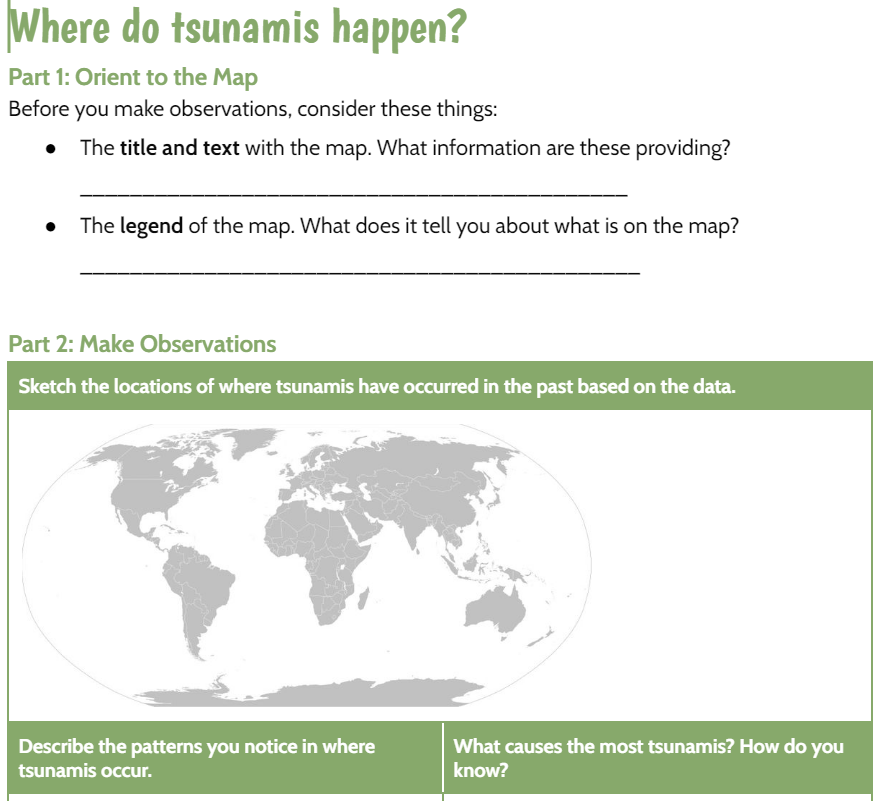
Where do tsunamis happen? The story maps
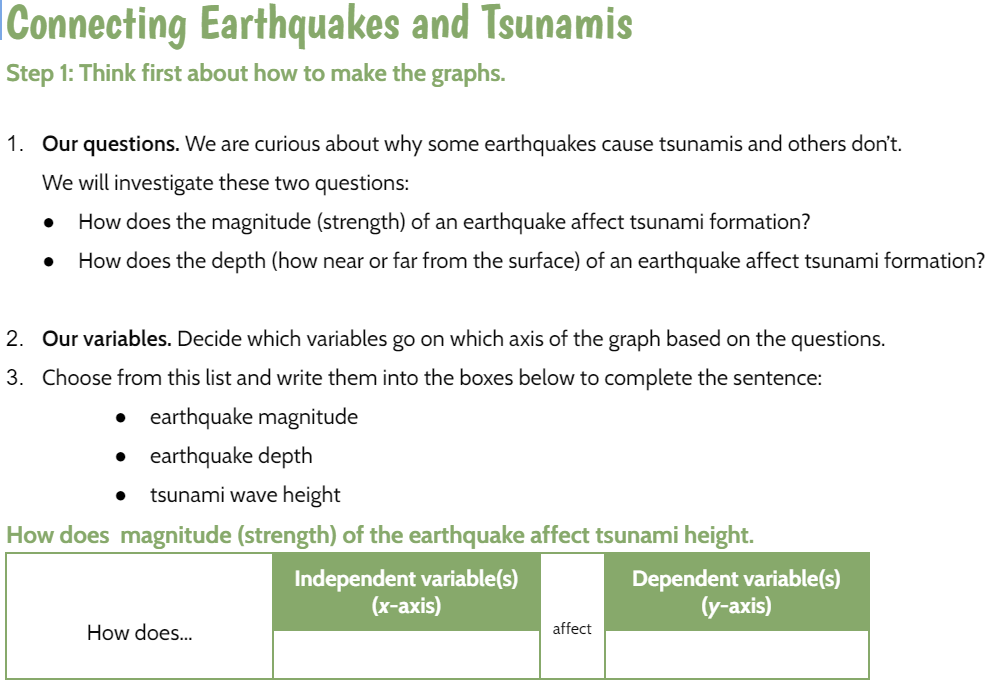
Connecting Earthquakes and tsunamis- graphs
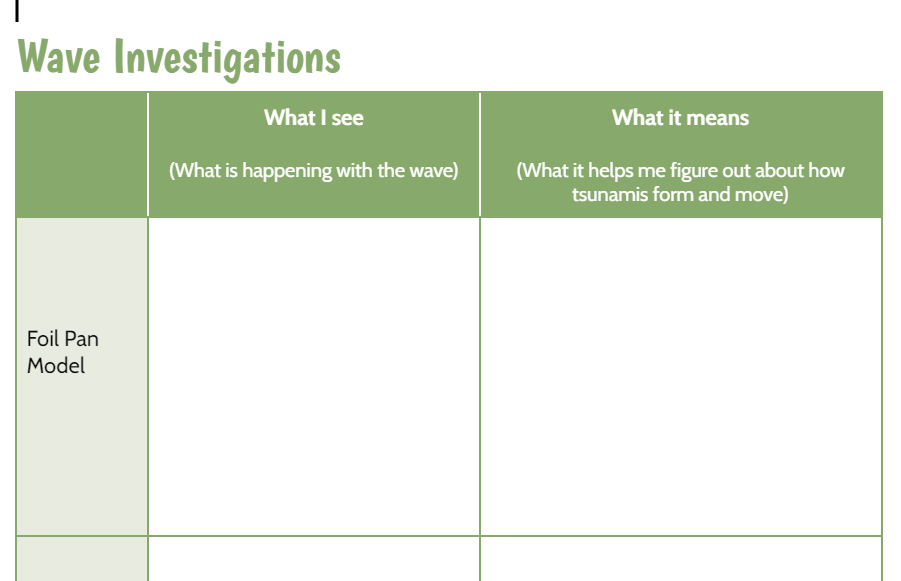
Wave investigation- 3 video simulations
Part 2: Who is at the most risk? Who should evacuate first?
When tsunami warnings are issued, they are sent to all the places that could be affected, even though some places are at higher risk than others.

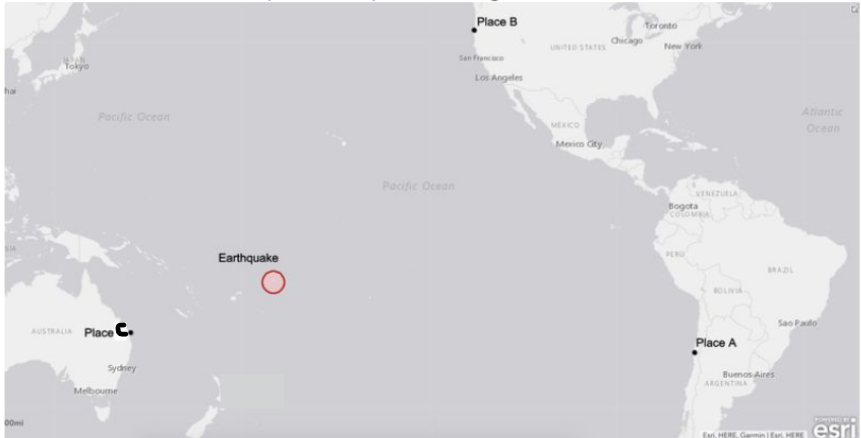
The map below shows the location of the earthquake and four places where the tsunami warning will be sent.
Required
0

Read the descriptions:
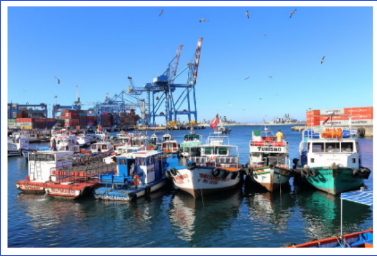
Place A: This is a busy fishing community on the coast. It is flat and right on the water’s edge with lots of boats and businesses.
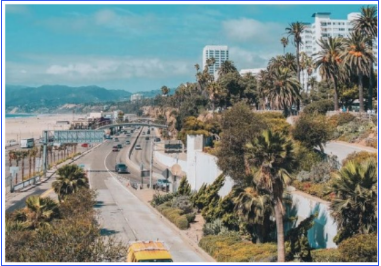
Place B: This is a large city near the ocean. Most homes and buildings are in the higher elevations of the hills nearby.
Place C: This is a rural area with not many people along a hilly coast.
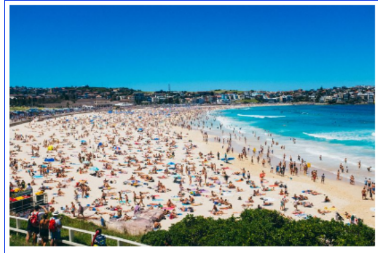
Place D: This is a popular tourist town with hotels on the flat beach and lots of people.

Use the map and think about what we know about tsunamis and how they affect places along the coasts.

**Take Notes On:
How far is the place from the epicenter?
What is the description of the area in number 3?

Required
1

Use the descriptions of each location and the map to rate which places are most at risk for damage to people and property by this tsunami.

Rank the places by their risk for damage to people and property.
(1 highest - 4 lowest)


Place A
Place B

Place C

  1. Place A: This is a busy fishing community on the coast. It is flat and right on the water’s edge with lots of boats and businesses.
  2. Place B: This is a large city near the ocean. Most homes and buildings are in the higher elevations of the hills nearby.
  3. Place C: This is a popular tourist town with hotels on the flat beach and lots of people.
Required
1

Use the descriptions of each location and the map to rank which places will be impacted by this tsunami first.

Rank the places in order of who would be impacted first.
(1 first- 4 last)

Place A
Place B


Place C

  1. Place A: This is a busy fishing community on the coast. It is flat and right on the water’s edge with lots of boats and businesses.
  2. Place C This is a popular tourist town with hotels on the flat beach and lots of people.
  3. Place B: This is a large city near the ocean. Most homes and buildings are in the higher elevations of the hills nearby.
Required
4

Based on your rankings in the table, which place needs to take action the fastest to protect people and property from this tsunami?

Explain your choice, considering both the time to impact and the possible risk of damage.
*Include science ideas.


Claim-
(Place) needs to take action the fastest to protect people and property.
Evidence
You can see __________________ in (Map or Description).
Reasoning-
This means ___________________. I know this based on (Include your science ideas/investigations from this unit).