A.. Explaining and Forecasting Tsunami Risk (graded) (5/5/2025)

Last updated 3 months ago
3 questions
PART 1: Should we send help?
4

A shallow (close to the surface) earthquake of 7.6 magnitudes (strength of earthquake) occurs along a colliding plate boundary in the Pacific Ocean.

Should we immediately send tsunami warning signals to countries that touch the Pacific Ocean?


**Choose the best claim

Part 2: Who is at the most risk? Who should evacuate first?
When tsunami warnings are issued, they are sent to all the places that could be affected, even though some places are at higher risk than others.

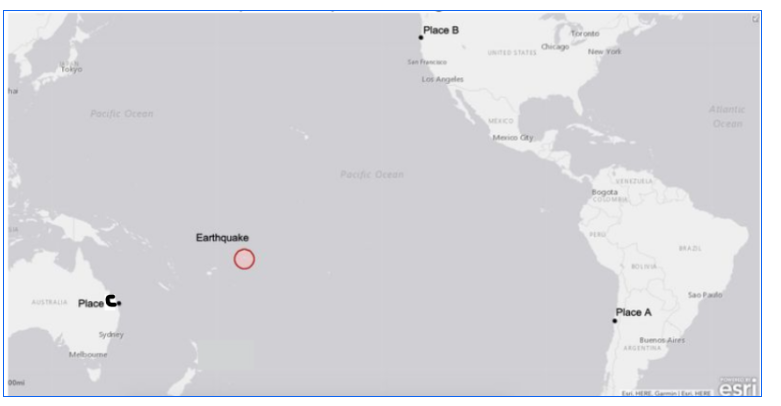
The map below shows the location of the earthquake and four places where the tsunami warning will be sent.
Required
0

Read the descriptions:
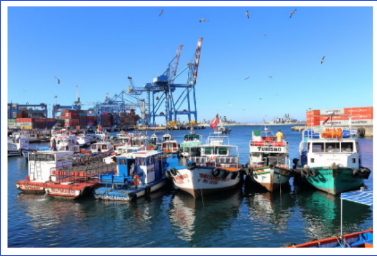
Place A: This is a busy fishing community on the coast. It is flat and right on the water’s edge with lots of boats and businesses.
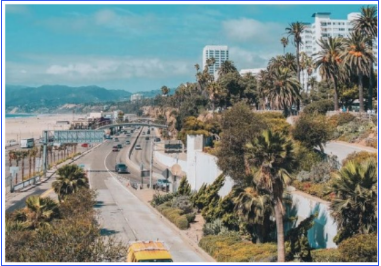
Place B: This is a large city near the ocean. Most homes and buildings are in the higher elevations of the hills nearby.
Place C: This is a rural area with not many people along a hilly coast.

Use the map and think about what we know about tsunamis and how they affect places along the coasts.

**Take Notes On:
How far is the place from the epicenter?
What is the description of the area in number 3?
Required
1

Use the descriptions of each location and the map to rate which places are most at risk for damage to people and property by this tsunami.

Rank the places by their risk for damage to people and property.
(1 highest - 3 lowest)


Place A
Place B

Place C

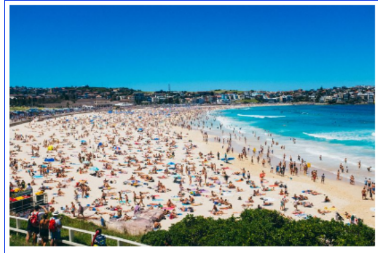
  1. Place C: This is a popular tourist town with hotels on the flat beach and lots of people.
  2. Place A: This is a busy fishing community on the coast. It is flat and right on the water’s edge with lots of boats and businesses.
  3. Place B: This is a large city near the ocean. Most homes and buildings are in the higher elevations of the hills nearby.