Background
Meet the southwestern willow flycatcher. In the spring and summer, this little bird migrates north from Mexico and Central America to Arizona, New Mexico, California, Utah, and Colorado. This is when the flycatcher has its babies. It builds nests along river habitats, where it also hunts insects. To build its nests, it chooses densely packed trees to keep the nest shaded from the sun and to hide its babies from predators.
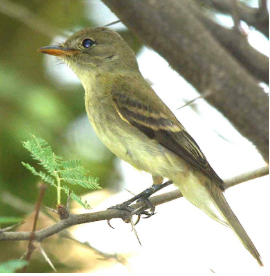
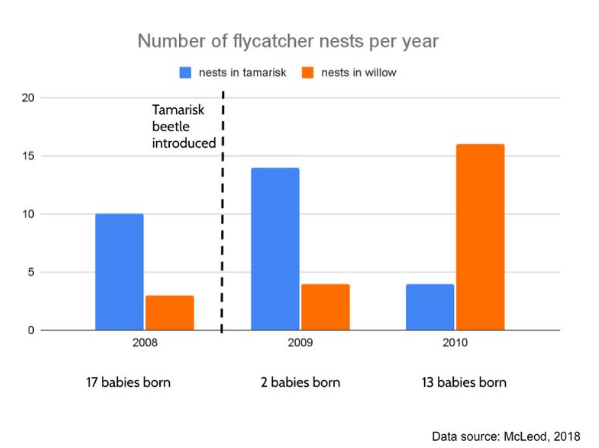
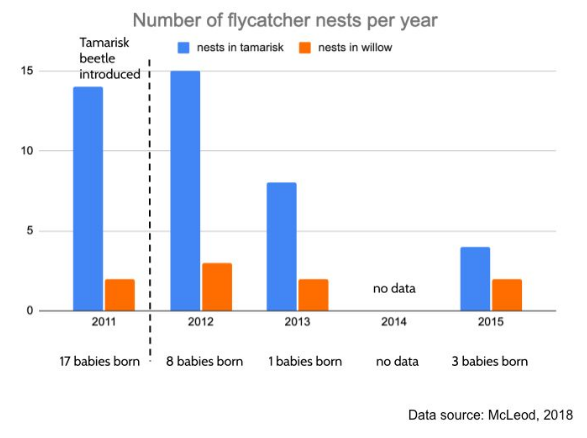
For hundreds of years, the willow flycatcher built its nest in willow trees. That’s how it got its name! However, over 100 years ago, humans planted a new plant along the rivers called tamarisk. The tamarisk was very successful at growing. Some people claim the tamarisk grew so well that it prevented new willow trees from growing. The willow flycatchers started to use tamarisks to build their nests instead of the willow trees.
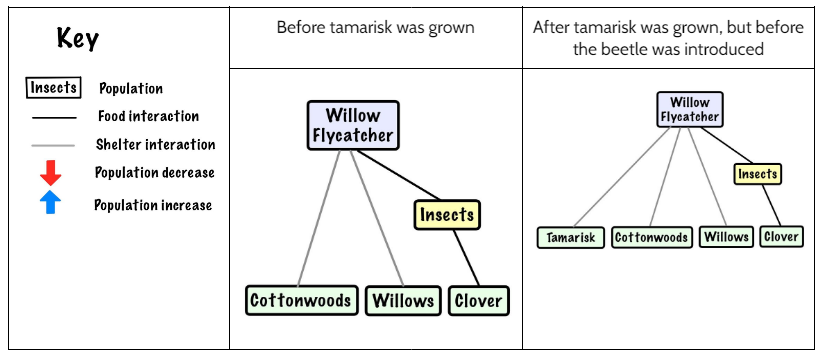
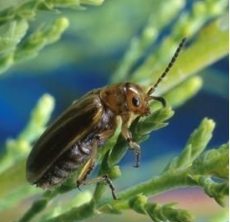
The tamarisk started to take over the river habitats. Scientists and community members grew concerned and wanted to control the tamarisk. To slow the spread of tamarisk, scientists released tamarisk beetles. The beetles only eat tamarisk. When they eat the plants, they kill them or slow down their growth. People hope that willows and cottonwoods will regrow, but it will not happen quickly.