Log in
Sign up for FREE
arrow_back
Library
Chapter 3 Advocacy Quiz
By KELLY A AUGUST
star
star
star
star
star
Share
share
Last updated 5 months ago
24 questions
Add this activity
zoom_in
1
1
1
1
zoom_in
1
1
1
1
1
zoom_in
1
1
1
1
1
zoom_in
1
1
1
1
1
1
1
1
1
1
Question 21
21.
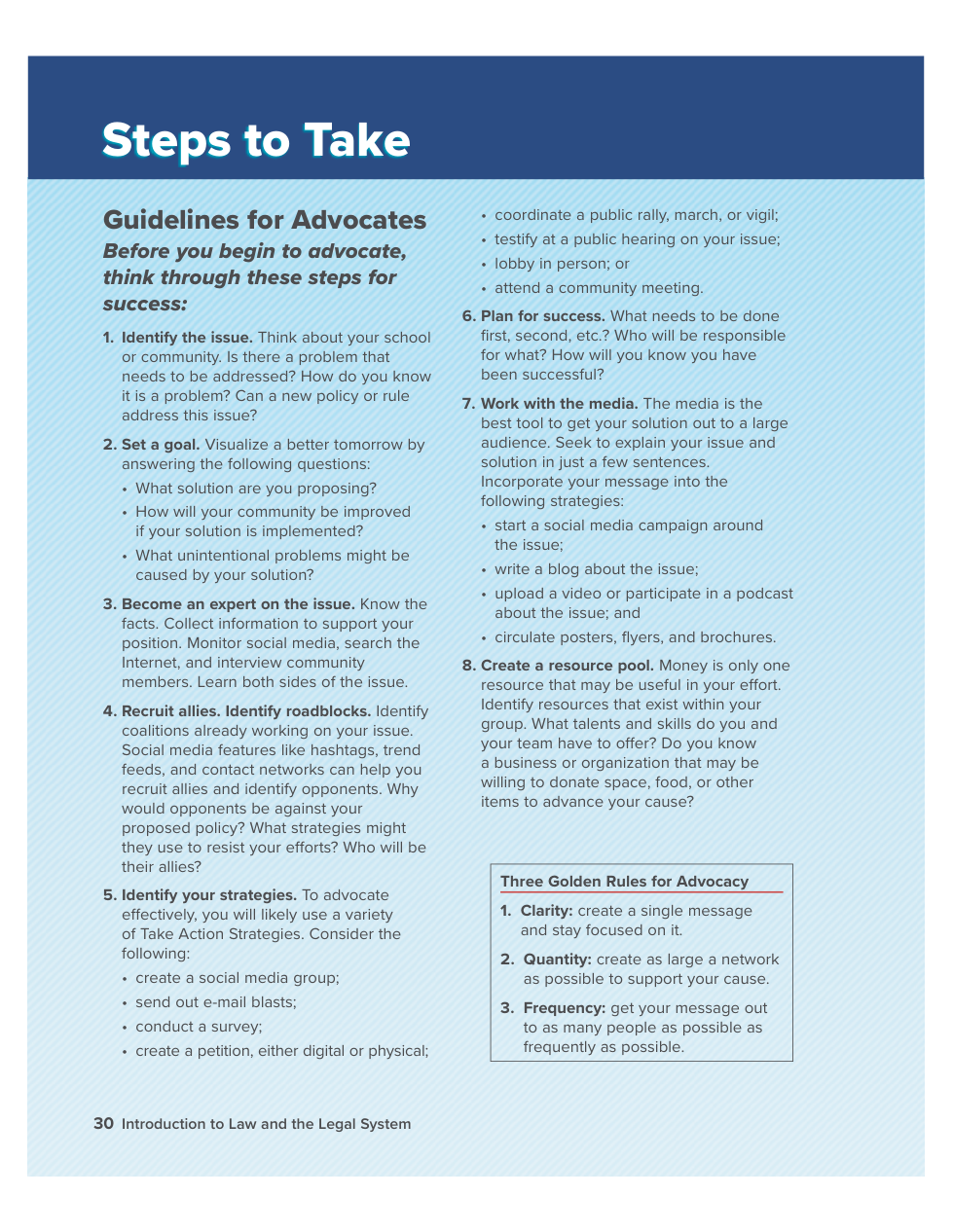
What is the first step in advocating for a community issue?
Plan for success to ensure impact.
Identify the issue affecting your community.
Recruit allies before addressing the issue.
Set a goal for your campaign.
Question 22
22.
Why is it important to know both sides of an issue?
To convince others that you are right.
To identify problems that don’t exist.
To become an expert and strengthen your argument.
To gather allies against your opponents.
Question 23
23.
What is a useful method to get a message out effectively?
Start a social media campaign about the issue.
Send out paper flyers only.
Only discuss the issue in person.
Create a lengthy report on the issue.
Question 24
24.
What is one of the three golden rules of advocacy?
Clarity: create a single message and stay focused.
Frequency: limit your message to pick days.
Clarity: use technical terms for precision.
Quantity: exclude less interested individuals.
Question 1
1.
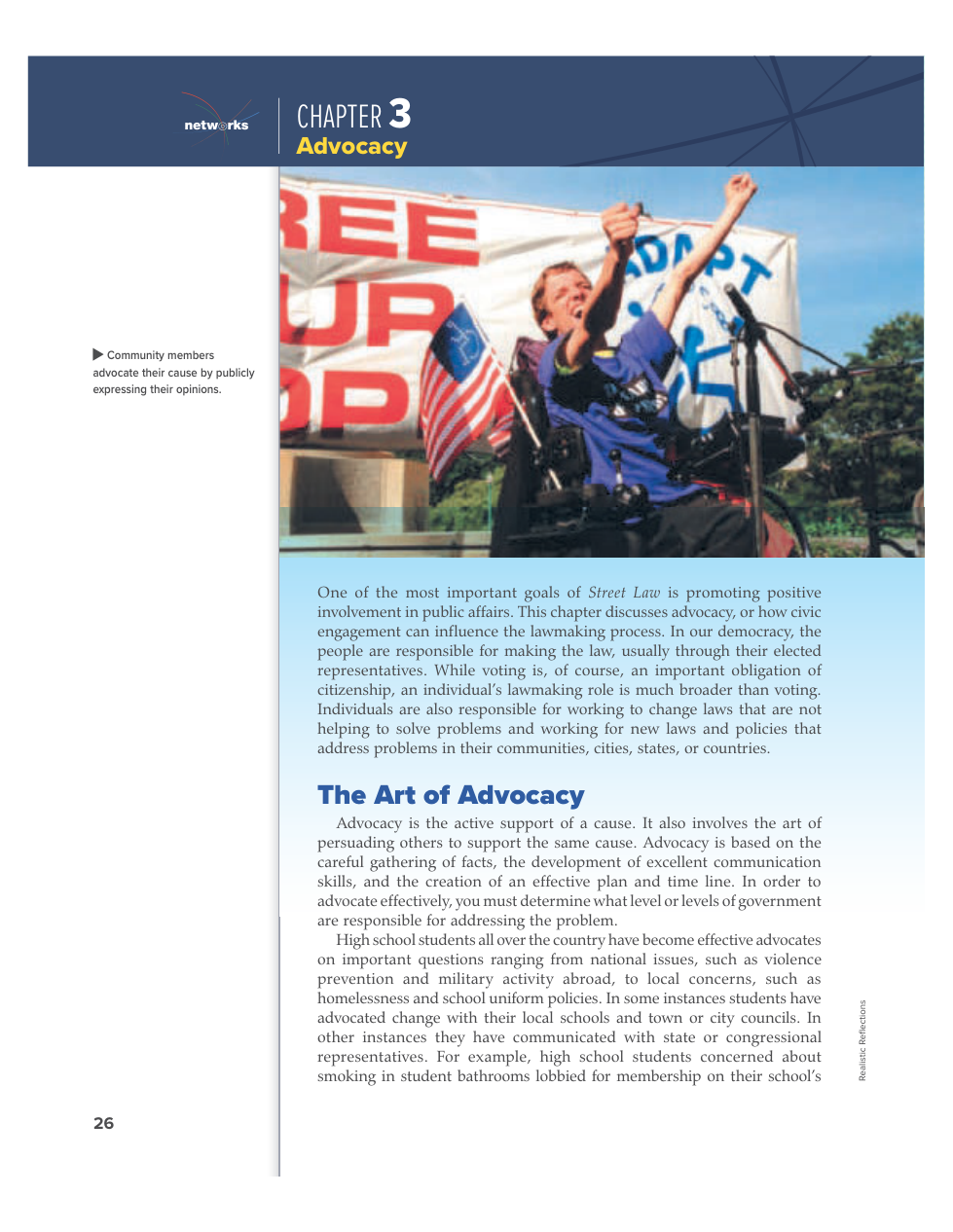
What is advocacy primarily focused on?
Creating laws without support
Holding public office
Voting in elections
Supporting a cause through public engagement.
Question 2
2.
Which aspect is essential for effective advocacy?
Gathering facts and developing communication skills.
Relying solely on social media
Avoiding public speaking
Only collecting opinions
Question 3
3.
Why is civic engagement important?
It influences lawmakers and public policy.
It replaces the need for laws
It guarantees election outcomes
It limits community involvement
Question 4
4.
Who can advocate for community issues?
Only non-profit organizations
Only students in school
Any individual or group in the community.
Only politicians
Question 5
5.
What role does a citizen play in advocacy?
Ignoring community issues
Addressing problems through government engagement.
Depend solely on media influence
Only participating in elections
Question 6
6.
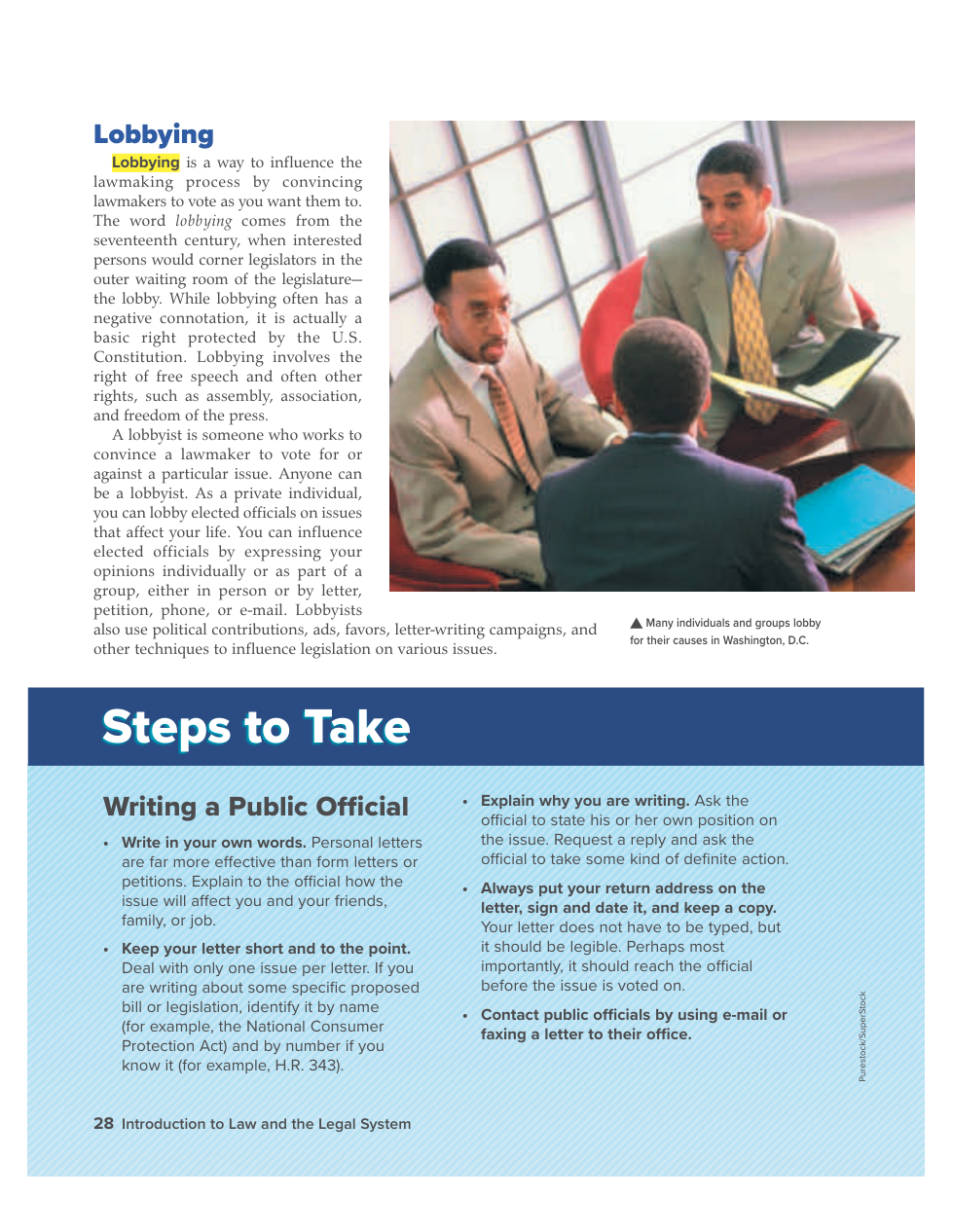
What does lobbying aim to influence?
Voter registration drives.
The lawmaking process by convincing lawmakers.
Political party funding.
Public opinion on issues.
Question 7
7.
Who can be a lobbyist?
Only business owners.
Only government employees.
Only professional lobbyists.
Anyone can lobby elected officials on issues.
Question 8
8.
Which is a method used by lobbyists?
Hiring public officials.
Expressing opinions through letters or emails.
Organizing silent protests.
Developing new laws.
Question 9
9.
What is essential for a personal letter to a public official?
Include multiple issues.
Make it very lengthy.
Use formal templates only.
Keep it short and to the point.
Question 10
10.
Why do lobbyists use political contributions?
To pay for campaign ads only.
To fund charity events.
To gain personal favors.
To influence legislation and lawmakers' decisions.
Question 11
11.
What is the primary role of professional lobbyists?
To create laws directly.
To vote on legislation.
To manage public opinion.
To influence legislators on various issues.
Question 12
12.
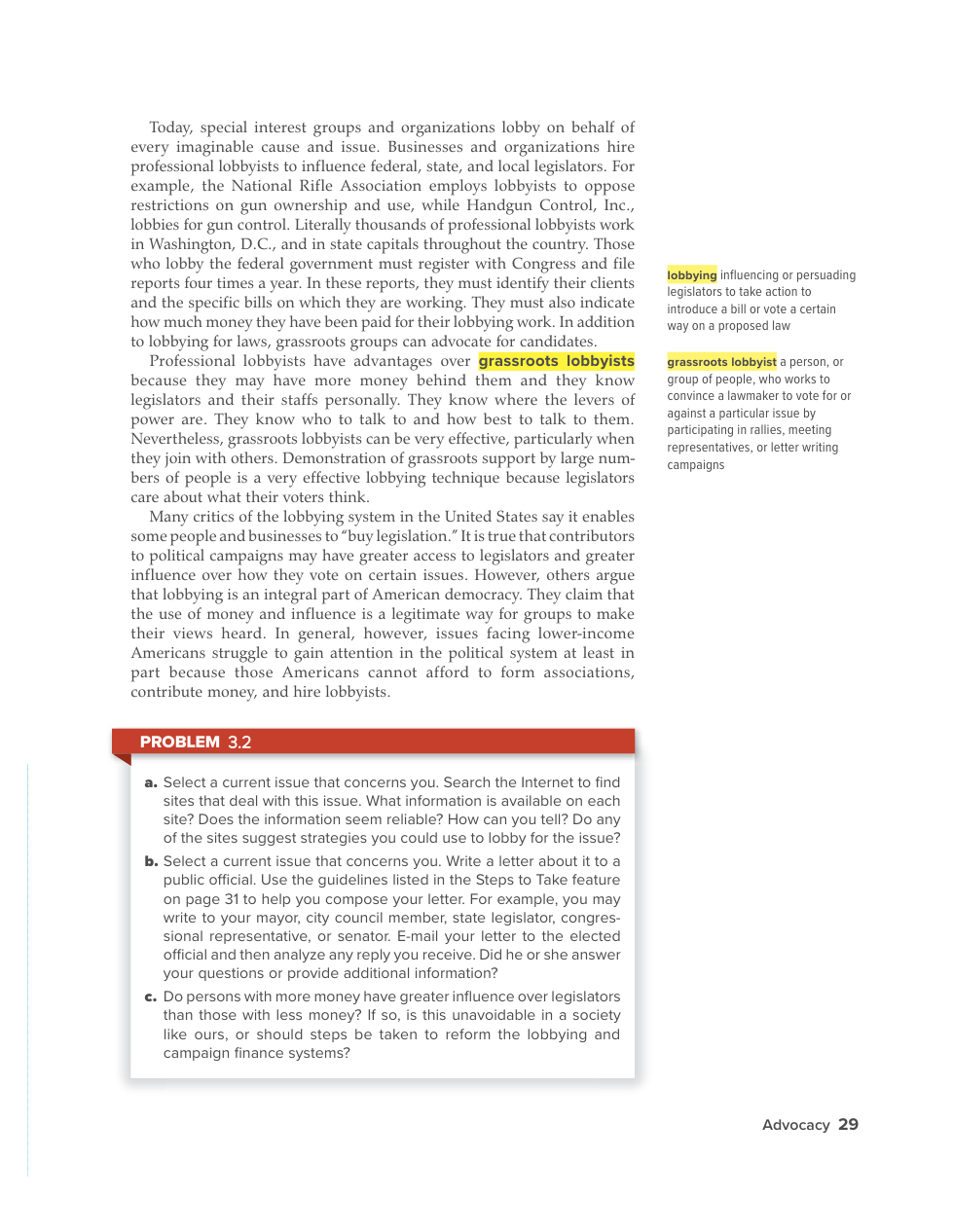
What is grassroots lobbying?
Lobbying by professional lobbyists.
Direct political contributions.
Lobbying by large groups of individuals.
Lobbying without organizational support.
Question 13
13.
How often must lobbyists file reports with Congress?
Once a year.
Four times a year.
Every two years.
Once every month.
Question 14
14.
What do lobbyists need to identify in their reports?
Media coverage of their work.
Public reactions to issues.
Their personal opinions.
Their clients and specific bills.
Question 15
15.
Why might grassroots lobbying be effective?
It shows a large number care about issues.
It costs less than professional lobbying.
It is less organized.
It requires fewer participants.
Question 16
16.
What is the primary role of professional lobbyists?
To write bills in Congress.
To influence legislators on specific issues.
To create laws directly.
To vote on behalf of constituents.
Question 17
17.
What advantage do grassroots lobbyists have?
They have more money than professional lobbyists.
They are less effective than professionals.
They influence voters more than elected officials.
They connect directly with legislators personally.
Question 18
18.
Why do some Americans struggle to lobby effectively?
Too many people participate in lobbying.
They don't care about political issues.
They are not allowed to lobby.
Lack of money to form associations.
Question 19
19.
What might grassroots lobbying include?
Having private meetings with senators.
Participating in rallies and meetings.
Filing legal complaints against laws.
Donating money to campaigns.
Question 20
20.
Why do critics argue against lobbying with money?
It's essential for grassroots movements.
It can create unequal influence among citizens.
It helps pass important legislation quickly.
It encourages diverse viewpoints in Congress.