Log in
Sign up for FREE
arrow_back
Library

Mapping Lab: Latin America

star
star
star
star
star
Last updated about 1 month ago
17 questions
Location
Required
10
Required
9
Intepreting Maps
Required
1
Required
1
Required
7
Required
3
Required
2
Required
3
Required
1
Required
4
3
Required
1
Required
1
Think Like a Geographer
Required
15
Question 1
1.
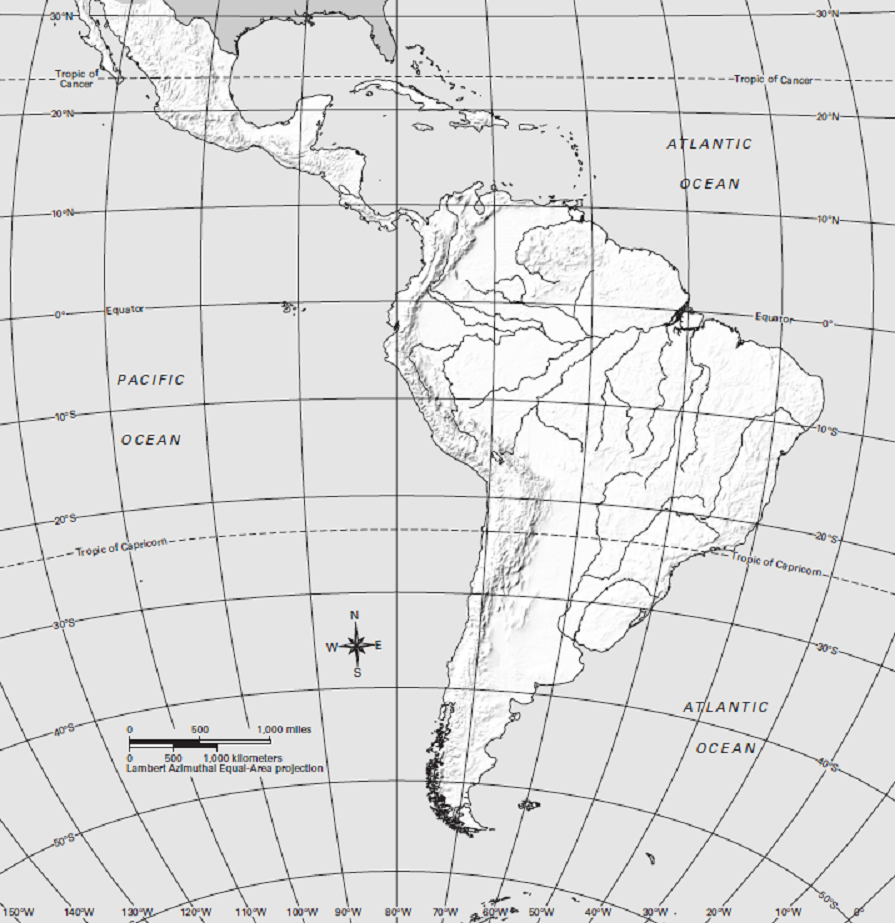
Drag and drop each terrain feature to the correct location using the grid coordinates provided.
Other Answer Choices:
Rio Grande (30°N, 105°W)
Isthmus of Panama (8°N, 80°W)
Caribbean Sea (15°N, 75°W)
Yucatán Peninsula (20°N, 90°W)
Pampas (35°S, 60°W)
Cape Horn (55°S, 70°W)
Lake Titicaca (15°S, 70°W)
Amazon River (0°, 50°W)
Andes Mountains (20°S, 65°W)
Mexican Plateau (25°N, 105°W)
Question 2
2.
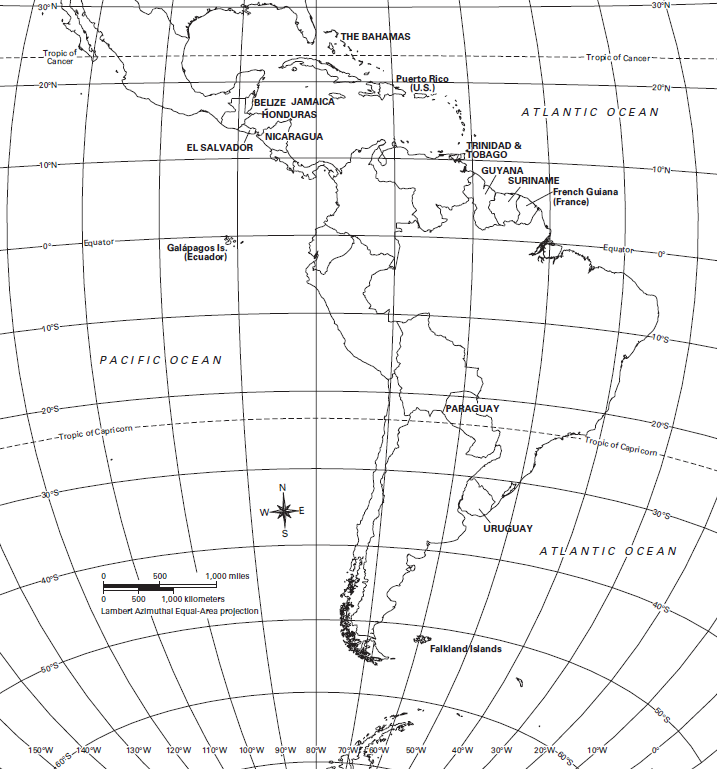
Drag and drop each country to the correct location using the grid coordinates provided.
Other Answer Choices:
Argentina (35°S, 65°W)
Venezuela (5°N, 65°W)
Cuba (23°N, 80°W)
Peru (10°S, 75°W)
Chile (25°S, 70°W)
Panama (8°N, 80°W)
Haiti (19°N, 73°W)
Ecuador (0°, 80°W)
Bolivia (15°S, 65°W)

Use the maps to answer each of the questions

If doing this from home, use the following links:
Political
Physical
Climate
Vegetation
Land Use
Population
Question 3
3.

What is the most common type of vegetation throughout Latin
America?

Question 4
4.

Which country has the most land with that type of vegetation (from #3)? Use correct capitalization and spelling.

Question 5
5.

Through which seven Latin American countries do the Andes Mountains run?

Question 6
6.
North of the Equator, __________ is the most abundant resource in Latin America. __________ and __________are the two countries in Latin America with the most of this resource.
Question 7
7.
_______ and _______ are the two largest cities in Latin America north of the Equator. (Use correct capitalization and spelling)
Question 8
8.
_______, _______ and _______ are the three largest cities in Latin America south of the Equator. (Use correct capitalization and spelling)
Question 9
9.

Which of the following countries has the lowest population density?

Question 10
10.
_______ and _______ are the two countries with the most desert vegetation. _______ and _______ are the two with the most desert scrub vegetation. (Use correct capitalization and spelling)
Question 11
11.
Most of the precious metals in Latin America are found in __________ , Peru, Bolivia, and __________ . All of these countries have a lot __________ .
Question 12
12.

Which Latin American country uses the most land for livestock raising? Explain how the climate and vegetation make the land suitable for livestock.

Question 13
13.

Identify the country based on these clues. (Use correct capitalization and spelling)
-entirely north of the Equator
-resources include coal and petroleum
-does not have any precious metals
-bordered by the Andes Mountains and the Amazon Rainforest

Question 14
14.

Use the maps to drag each description to the correct location. Each category should have 5 characteristics.

  • Population: 25 to 125 per square mile
  • Vegetation: broadleaf evergreen
  • Vegetation: highlands
  • Climate: highlands
  • Physical: in Amazon basin, near the Amazon River
  • Population: 25 to 125 per square mile but near a major urban center of 1-4 million
  • Land Use: livestock raising
  • Physical: between Sierra Madre Occidental and Sierra Madre Oriental
  • Vegetation: desert scrub
  • Climate: tropical wet
  • Land Use: subsistence farming
  • Climate: semiarid
  • Land Use: little to none
  • Physical: in Andes Mountains
  • Population: 2 to 25 per square mile
  • 27° north, 105° west
  • 3° south, 65° west
  • 15° south, 72° west
Required
1
Required
3
Question 16
16.
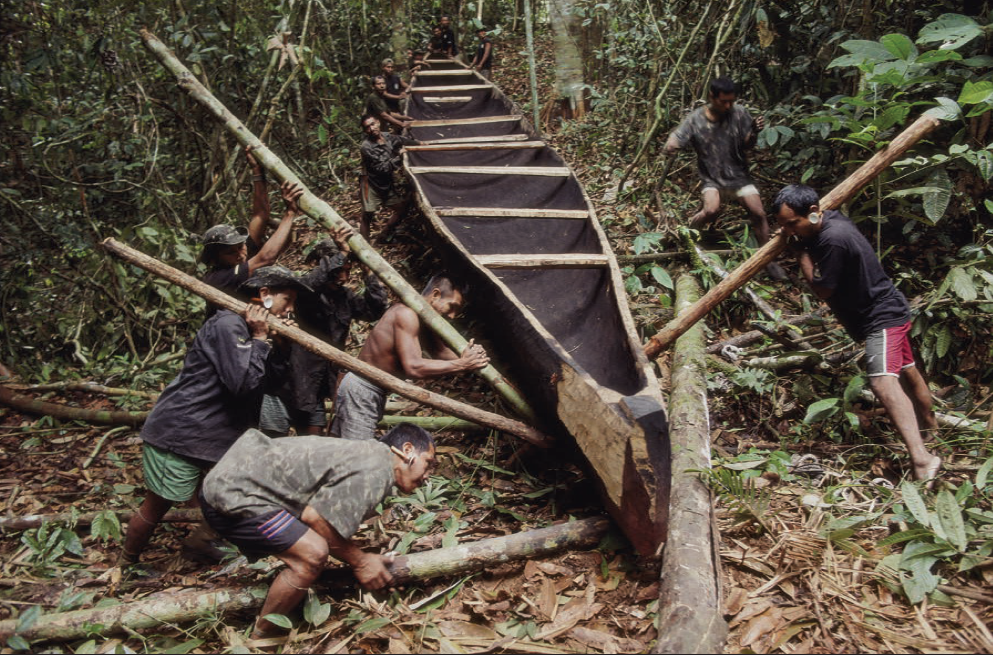
Support your answer with evidence. From the _______ map we learned that is location has _______ and in the photograph we see _______
Required
3
Question 17
17.
Using evidence from a different map, support your answer with evidence. From the _______ map we learned that is location has _______ and in the photograph we see _______
Question 15
15.

This picture was most likely taken at...