Twa kɔ nsɛm atitiriw so
Log in
Sign up for FREE
arrow_back
Laabri

IR127 - Benchmark Unit 1 Week 2 Assessment - Eisenhower (10/6/2025)

star
star
star
star
star
Last updated 9 months ago
12 Nsɛmmisa
Hyɛ no nsow a efi ɔkyerɛwfo no hɔ:

Cultivating Resources U1 W2 Common Assessment

Untitled Section 1
Evaluating both Text
1
RI.5.6
3
RI.5.9
1
RI.5.9

Read the passage and answer the questions that follow.

1
RI.5.2
1
RI.5.2
1
RI.5.3
2
RI.5.6
1
RI.5.7
1
L.5.4a
RI.5.4

Banning the Peanut

1 About 1 percent of the people in the United States are allergic to peanuts. Many are children who may outgrow the condition as they get older. Peanut is the most common food allergy in school-aged children. Most people who are allergic to peanuts experience itching and redness. For others, the reaction can be more serious. It can even be life threatening.

2 Some children may react simply by breathing the dust that comes from peanuts. Others can be affected just by touching traces of peanut oil. Everyone knows that books, toys, and crayons are shared by many hands in early grades. Young children are not able to take care of themselves at these ages. They depend on adults to keep them safe. Studies show that protein from peanuts can stay on surfaces for as many as 110 days if they are not washed. Young children might also share foods. It is easy to imagine an accident happening. How can schools protect all the children? The answer is a simple one: we must keep peanuts out of schools.

3 Banning peanuts from schools is not difficult. There is evidence that peanut-free policies work. However, such a policy requires educating children, parents, and teachers. Food for classroom parties should be safe for all children. Food served in lunchrooms should be free from all peanuts. Peanut butter bird feeders must never be part of art and craft projects for

young students. The risk is too great.

4 It is the job of schools to protect all students. The only way to protect students with peanut allergies is to ban peanuts from elementary schools. As Dr. Elissa Abrams, a Canadian family physician, states, “For very young children with a peanut allergy, the learning environment should be free of peanuts.”

1
Asemmisa {{asɛmmisaAhyɛnsode}}
7.

Which sentence states the main ideaa of the passage??

2
RI.5.3
1
L.5.4a
RI.5.4

The Popular Peanut

1 Peanuts are one of the most versatile and popular crops in world. This humble peanut is a staple food on three continents and has been a favorite for centuries. Many people think that peanuts are nuts, but they are not. Peanuts are legumes, like beans or peas. Peanut plants grow bright yellow flowers, which then grow long shoots called “pegs.” The pegs grow downward and bury themselves in the dirt. Their fruits grow into the peanut pods that we call “shells.” Inside are the seeds, the part of the peanut plant we eat.

2 Peanuts grew wild in South America 10,000 years ago. In the 1500s, Spanish explorers took them back to Europe. Traders took peanuts to Asia, Africa, and North America. At first, U.S. farmers were not interested in growing peanuts. They were hard to raise and took a long time to harvest. But that changed after the Civil War. Engineers developed better ways to produce, harvest, and shell peanuts. They also invented new ways to process and eat them. By the twentieth century, Americans wanted more and more peanut butter, peanut oil, and peanut snacks. Peanuts were soon in high demand!

3 No one did more for the peanut than scientist and teacher George Washington Carver (1864–1943). At Tuskegee Institute in Alabama, he became famous for his work in agriculture. Carver developed hundreds of uses for peanuts, including soap, paints, ink, and even gasoline.

4 China is the current leading peanut producer in the world. It is followed by India, Nigeria, the United States, and Sudan. Most of the peanuts grown in the United States come from nine states.

5 The peanut is a powerhouse of nutrients, minerals, vitamins, and protein. Peanuts can be boiled or fried, roasted or crushed, or ground into a “butter.” They can also be stored for many months.

6 Some people get sick if they are exposed to peanuts. They can get extremely ill if they eat peanuts or even touch them. But scientists are working on ways to help people overcome peanut allergies.
Banning the Peanut

1 About 1 percent of the people in the United States are allergic to peanuts. Many are children who may outgrow the condition as they get older. Peanut is the most common food allergy in school-aged children. Most people who are allergic to peanuts experience itching and redness. For others, the reaction can be more serious. It can even be life threatening.

2 Some children may react simply by breathing the dust that comes from peanuts. Others can be affected just by touching traces of peanut oil. Everyone knows that books, toys, and crayons are shared by many hands in early grades. Young children are not able to take care of themselves at these ages. They depend on adults to keep them safe. Studies show that protein from peanuts can stay on surfaces for as many as 110 days if they are not washed. Young children might also share foods. It is easy to imagine an accident happening. How can schools protect all the children? The answer is a simple one: we must keep peanuts out of schools.

3 Banning peanuts from schools is not difficult. There is evidence that peanut-free policies work. However, such a policy requires educating children, parents, and teachers. Food for classroom parties should be safe for all children. Food served in lunchrooms should be free from all peanuts. Peanut butter bird feeders must never be part of art and craft projects for

young students. The risk is too great.

4 It is the job of schools to protect all students. The only way to protect students with peanut allergies is to ban peanuts from elementary schools. As Dr. Elissa Abrams, a Canadian family physician, states, “For very young children with a peanut allergy, the learning environment should be free of peanuts.”


Asemmisa {{asɛmmisaAhyɛnsode}}
10.

How do the authors of passage 1 and Passage 2 differ in their point of view of peanuts?

Asemmisa {{asɛmmisaAhyɛnsode}}
11.

Read the sentences in the chart. Decide whether the information in each sentence appears in “The Popular Peanut,” “Banning the Peanut,” or both sources. Fill in the bubble in the correct box in the chart beside each sentence.

Only “The Popular Peanut”

Only

“Banning the

Peanut”

Both Articles

Peanut butter can’t be

used in children’s arts

and crafts.

Some people get very sick if they eat or even touch peanuts.

China is the largest producer of peanuts in the world.

The most common food

allergy in young children

is to peanuts.

Peanuts contain plant protein.

Asemmisa {{asɛmmisaAhyɛnsode}}
12.

Which sentence best combines information from both passages?

The Popular Peanut

1 Peanuts are one of the most versatile and popular crops in world. This humble peanut is a staple food on three continents and has been a favorite for centuries. Many people think that peanuts are nuts, but they are not. Peanuts are legumes, like beans or peas. Peanut plants grow bright yellow flowers, which then grow long shoots called “pegs.” The pegs grow downward and bury themselves in the dirt. Their fruits grow into the peanut pods that we call “shells.” Inside are the seeds, the part of the peanut plant we eat.

2 Peanuts grew wild in South America 10,000 years ago. In the 1500s, Spanish explorers took them back to Europe. Traders took peanuts to Asia, Africa, and North America. At first, U.S. farmers were not interested in growing peanuts. They were hard to raise and took a long time to harvest. But that changed after the Civil War. Engineers developed better ways to produce, harvest, and shell peanuts. They also invented new ways to process and eat them. By the twentieth century, Americans wanted more and more peanut butter, peanut oil, and peanut snacks. Peanuts were soon in high demand!

3 No one did more for the peanut than scientist and teacher George Washington Carver (1864–1943). At Tuskegee Institute in Alabama, he became famous for his work in agriculture. Carver developed hundreds of uses for peanuts, including soap, paints, ink, and even gasoline.

4 China is the current leading peanut producer in the world. It is followed by India, Nigeria, the United States, and Sudan. Most of the peanuts grown in the United States come from nine states.

5 The peanut is a powerhouse of nutrients, minerals, vitamins, and protein. Peanuts can be boiled or fried, roasted or crushed, or ground into a “butter.” They can also be stored for many months.

6 Some people get sick if they are exposed to peanuts. They can get extremely ill if they eat peanuts or even touch them. But scientists are working on ways to help people overcome peanut allergies.

Asemmisa {{asɛmmisaAhyɛnsode}}
1.

The following item has two parts. Answer Part A, then answer Part B.

Part A:

Which sentence states the main idea of the passage?

Asemmisa {{asɛmmisaAhyɛnsode}}
2.

Part B

Which detail from the passage could be used to explain the main idea in Part A?

Asemmisa {{asɛmmisaAhyɛnsode}}
3.

Before the Civil War, what caused U.S. farmers to resist growing peanuts?

Asemmisa {{asɛmmisaAhyɛnsode}}
4.

The author claims that peanuts are one of the most popular crops in the world. Select two statements from the text that support this perspective.

Asemmisa {{asɛmmisaAhyɛnsode}}
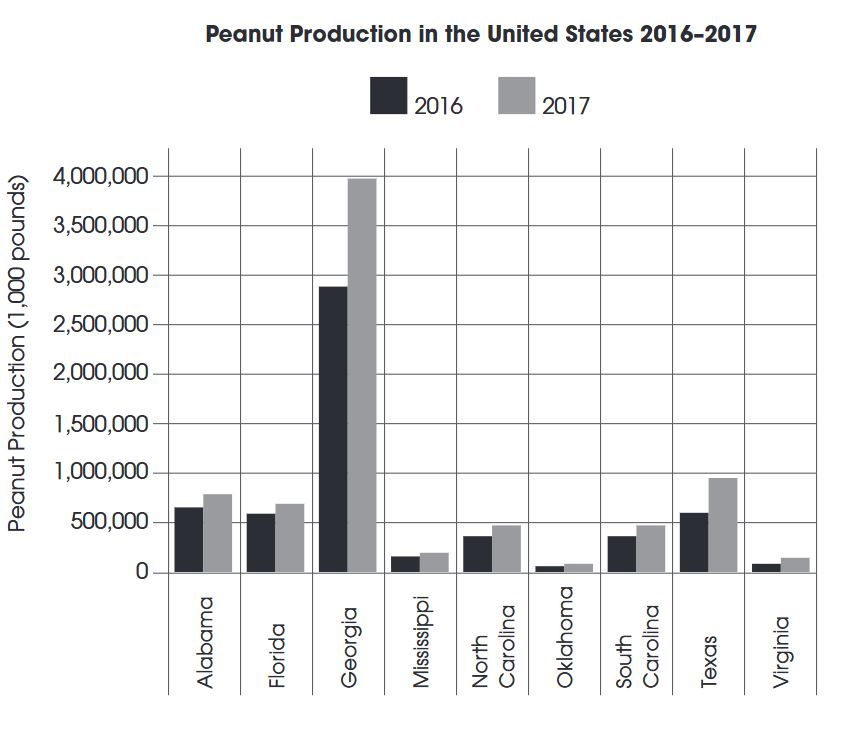
5.

Which statement is supported by information in the graph?

Asemmisa {{asɛmmisaAhyɛnsode}}
6.

Read this sentence from paragraph 6.

“Some people get sick if they are exposed to peanuts.”

Which phrase best helps the reader understand the meaning of the word exposed in paragraph 6?

Asemmisa {{asɛmmisaAhyɛnsode}}
8.

Choose three effects that happen as a result of causes stated in the passage.

Drag each effect to the space under its cause. (One effect will not be used)

  • Peanut protein spreads by accident.

  • The child gets a rash or feels sick.

  • Lunchrooms serve peanut butter sandwiches.

  • Everyone works together to keep all children safe.

  • A child with an allergy touches peanut dust.

  • A school bans all peanut foods.

  • Children share books and toys.

Asemmisa {{asɛmmisaAhyɛnsode}}
9.

Which phrase best helps the reader understand the meaning of the word

physician in paragraph 4?