Preskoči na glavni sadržaj
Prijava
Sign up for FREE
arrow_back
Biblioteka

B6 Inheritance, variation, and evolution

star
star
star
star
star
Posljednje ažuriranje 4 days ago
228
4.6.1.1 Sexual and asexual reproduction
1
4.6.1.1
1
4.6.1.1
Obavezno
1
4.6.1.1
1
4.6.1.1
2
4.6.1.1
3
4.6.1.1
1
4.6.1.1
1
4.6.1.1
1
4.6.1.1
1
4.6.1.1
1
4.6.1.1
1
4.6.1.1
1
4.6.1.1
1
4.6.1.1
1
4.6.1.1
1
4.6.1.1
1
4.6.1.1
1
4.6.1.1
1
4.6.1.1
1
4.6.1.1
4.6.1.2 Meiosis
1
4.6.1.2
5.3a
1
4.6.1.2
1
4.6.1.2
1
4.6.1.2
1
4.6.1.2
1
4.6.1.2
1
4.6.1.2
1
4.6.1.2
1
4.6.1.2
4.6.1.3 Advantages and disadvantages of sexual and asexual reproduction
2
4.6.1.3
4.6.1.4 DNA and the genome
1
4.6.1.4
1
4.6.1.4
1
4.6.1.4
1
4.6.1.4
1
4.6.1.4
4.6.1.5 DNA Structure
1
4.6.1.5
1
4.6.1.5
1
4.6.1.5
1
4.6.1.5
1
4.6.1.5
1
4.6.1.5
1
4.6.1.5
4.6.1.6 Genetic Inheritance
1
4.6.1.6
1
4.6.1.6
1
4.6.1.6
1
4.6.1.6

Directions: Black is the DOMINANT fur color for rabbits and white is the recessive. B stands for the black allele and b represents the white allele. A white rabbit would have a genotype of bb and a black rabbit could have a genotype of BB or Bb.

2
4.6.1.6
1
4.6.1.6
1
4.6.1.6
1
4.6.1.6
1
4.6.1.6
1
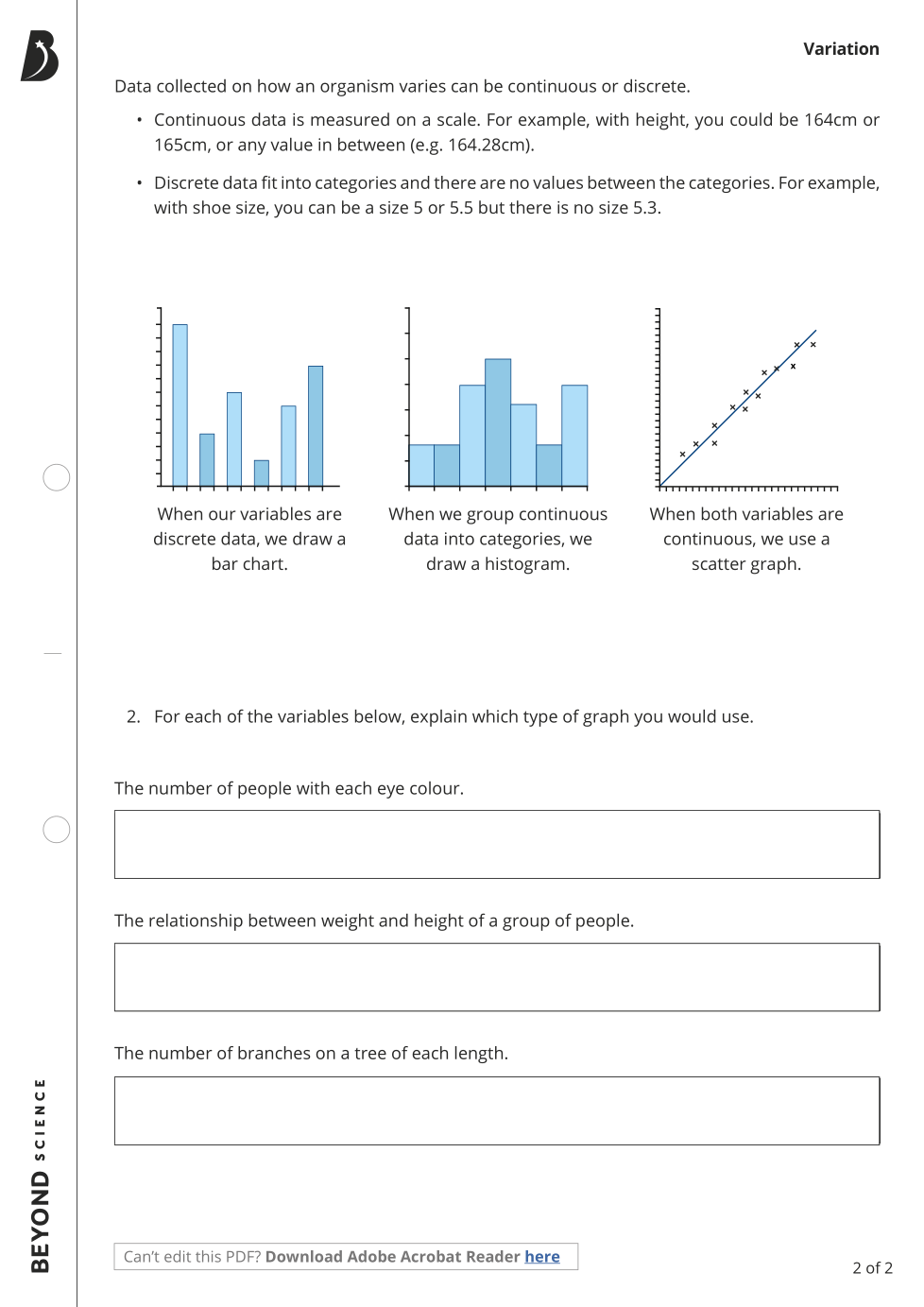
4.6.1.6
1
4.6.1.6
1
4.6.1.6
1
4.6.1.6
1
4.6.1.6
1
4.6.1.6
1
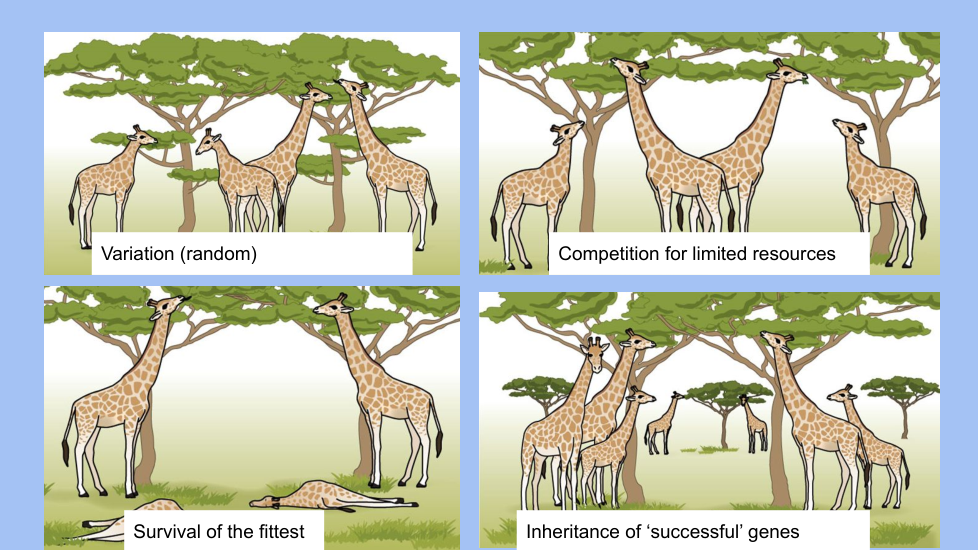
4.6.1.6
1
4.6.1.6
1
4.6.1.6
1
4.6.1.6
1
4.6.1.6
4.6.1.7 Inherited Disorders
2
4.6.1.6
4.6.1.7
1
4.6.1.6
MS1c
1
4.6.1.6
5
4.6.1.7
4.6.1.8 Sex Determination
1
4.6.1.8
4.6.2.1 Variation
6
4.6.2.1
4.6.2.2 Evolution
1
4.6.2.2
1
4.6.2.2
1
4.6.2.2
1
4.6.2.2
2
4.6.2.2
4.6.3.5
6
4.6.2.2
4.6.3.1
1
4.6.2.2
3
4.6.2.2
4
4.6.2.2
1
4.6.2.2
1
4.6.2.2
1
4.6.2.2
1
4.6.2.2
1
4.6.2.2
4.6.2.3 Selective Breeding
2
4.6.2.3
4.6.2.4 Genetic Engineering
2
4.6.2.4
4
4.6.2.4
4.6.2.5
4.6.2.5 Cloning
1
4.6.2.5
1
4.6.2.5
1
4.6.2.5
1
4.6.2.5
1
4.6.2.5
1
4.6.2.5
4.6.3.1 Theory of evolution
2
4.6.3.1
6
4.6.3.1
1
4.6.3.1
4.6.3.2 Speciation
1
4.6.3.2
1
4.6.3.2
1
4.6.3.2
1
4.6.3.2
1
4.6.3.2
1
4.6.3.2
1
4.6.3.2
1
4.6.3.2
1
4.6.3.2
3
4.6.3.2
1
4.6.3.2
1
4.6.3.2
5
4.6.3.2
6
4.6.3.2
6
4.6.3.2
4.6.3.3 The understanding of genetics
1
4.6.3.3
1
4.6.3.3
1
4.6.3.3
1
4.6.3.3
1
4.6.3.3
4.6.3.4 Evidence for evolution
1
3.1.12.2
4.6.3.4
4.6.3.5 Fossils
1
4.6.3.5
1
4.6.3.5
1
4.6.3.5
1
4.6.3.5
1
4.6.3.5
1
4.6.3.5
1
4.6.3.5
1
4.6.3.5
7
4.6.3.5
4
4.6.3.5
4.6.3.6 Extinction
4.6.3.7 Resistant Bacteria
1
4.6.1.5
1
4.6.1.5
1
4.6.1.5
1
4.6.1.5
1
4.6.1.5
1
4.6.3.7
1
4.6.3.7
4.6.4 Classifcation of living organisms
1
4.6.4
S7L1.a
S7L1.b
1
4.6.4
1
4.6.4
1
4.6.4
1
4.6.4
1
4.6.4
1
4.6.4
Pitanje 1
1.

Egg and sperm combine during:

1
Pitanje 2
2.

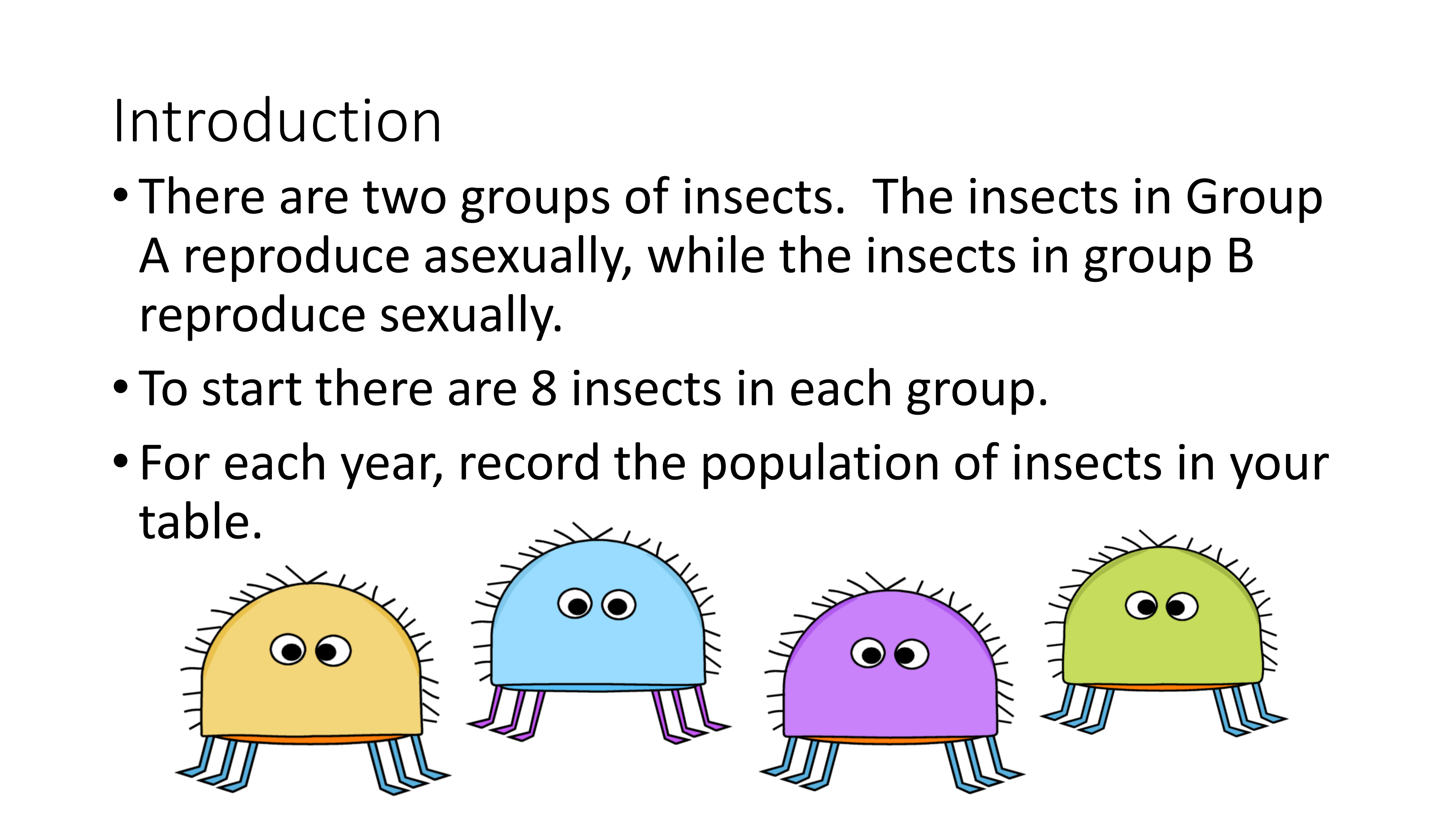
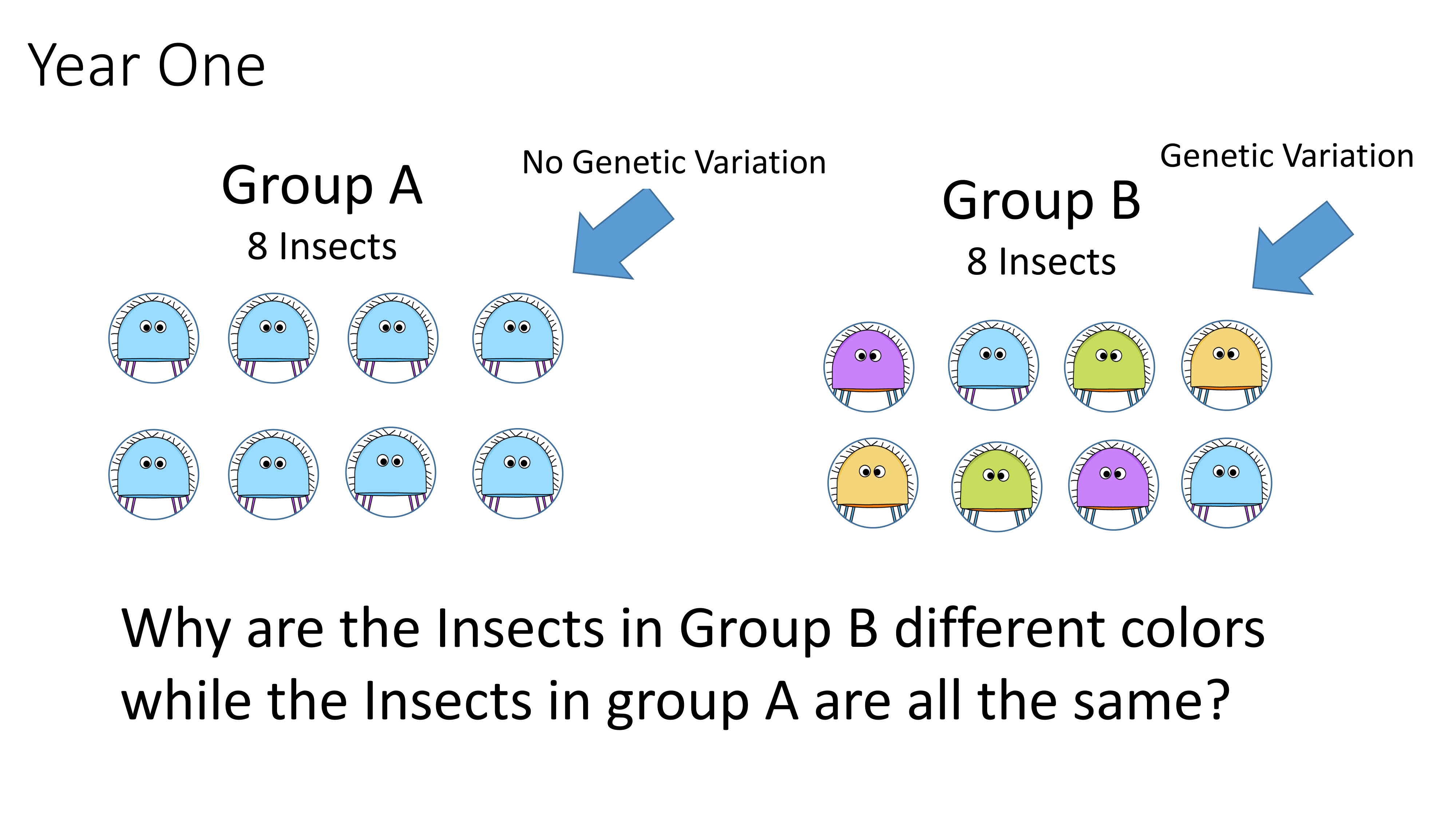
What is the total number of insects in group A and B at the start (Year 1)?

4.6.1.1
1
Pitanje 3
3.

Why are insects in group B different colors?

4.6.2.1
1
4.6.1.1
1
4.6.1.1
1
4.6.1.1
1
4.6.1.1
1
4.6.1.1
1
4.6.1.1
1
Pitanje 10
10.

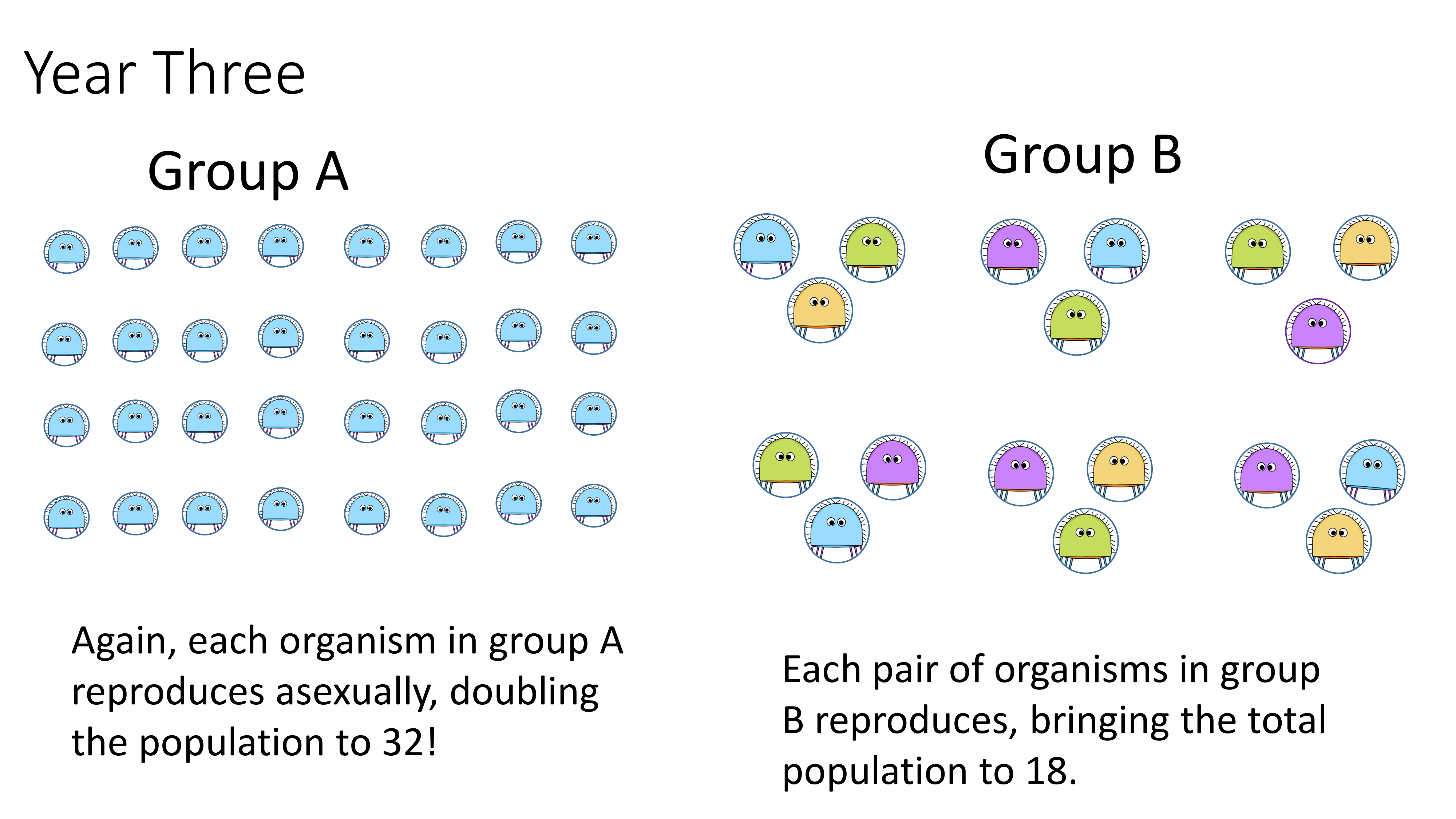
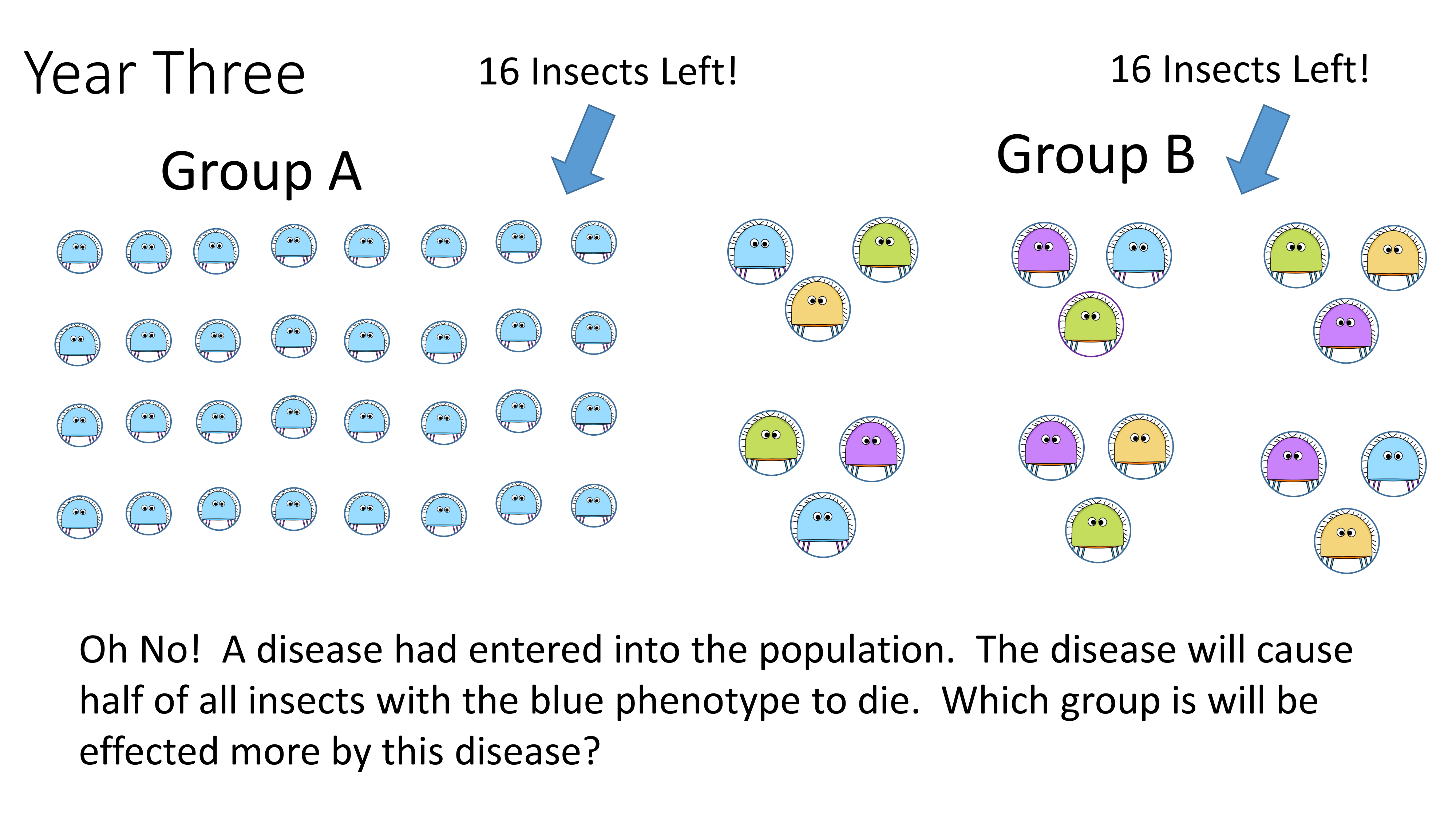
What is the population of group A at year 3?

4.6.1.1
1
Pitanje 11
11.

What is the population of group B at year 3?

4.6.1.1
1
4.6.1.1
1
Pitanje 13
13.

At year 3, a disease entered the population killing half the insects with blue color to die. Which group will be effected more by this disease?

4.6.1.1
1
Pitanje 14
14.

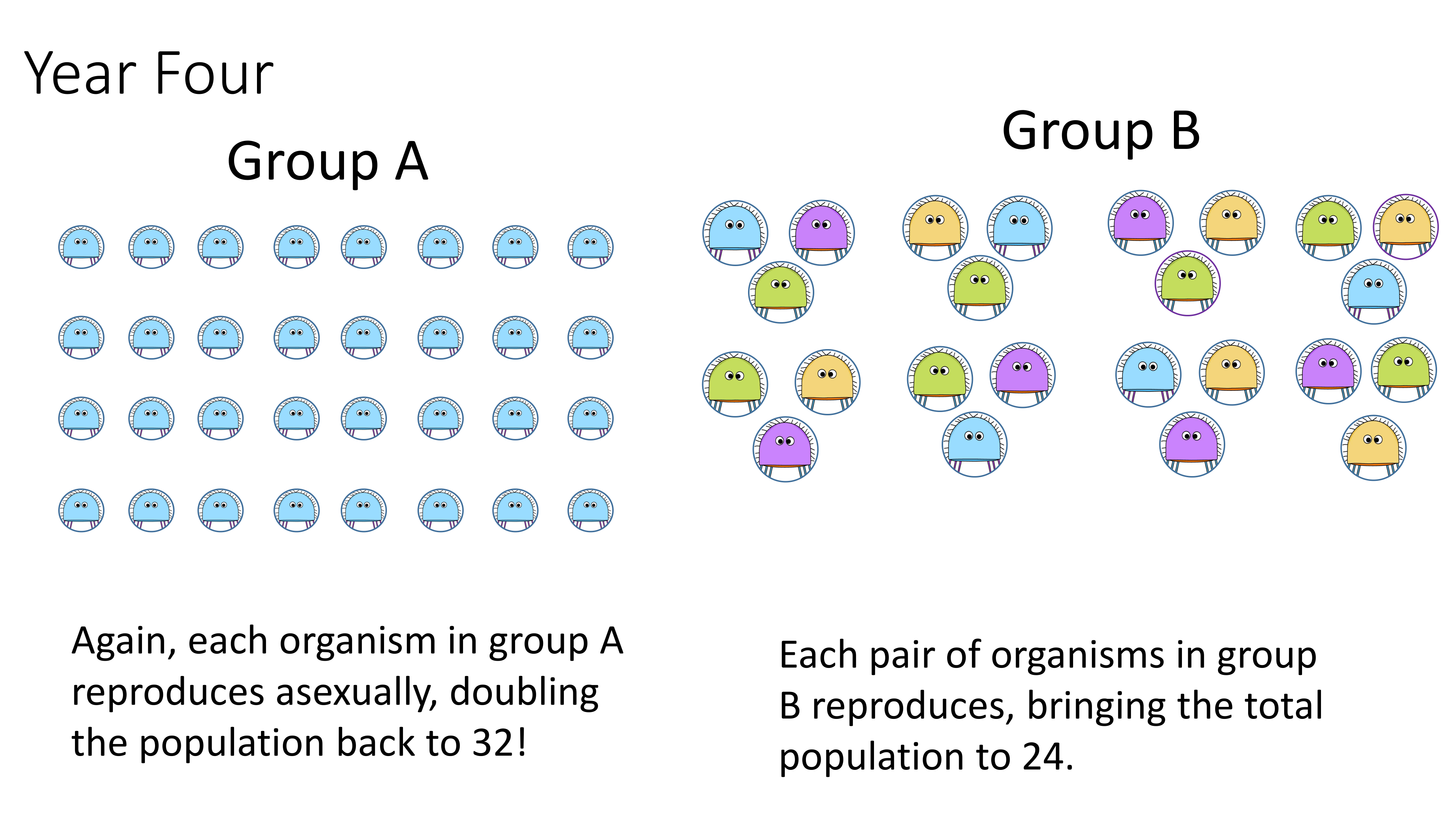
What is the population of group A at year 4?

4.6.1.1
1
Pitanje 15
15.

What is the population of group B at year 4?

4.6.1.1
1
4.6.1.1
1
Pitanje 17
17.

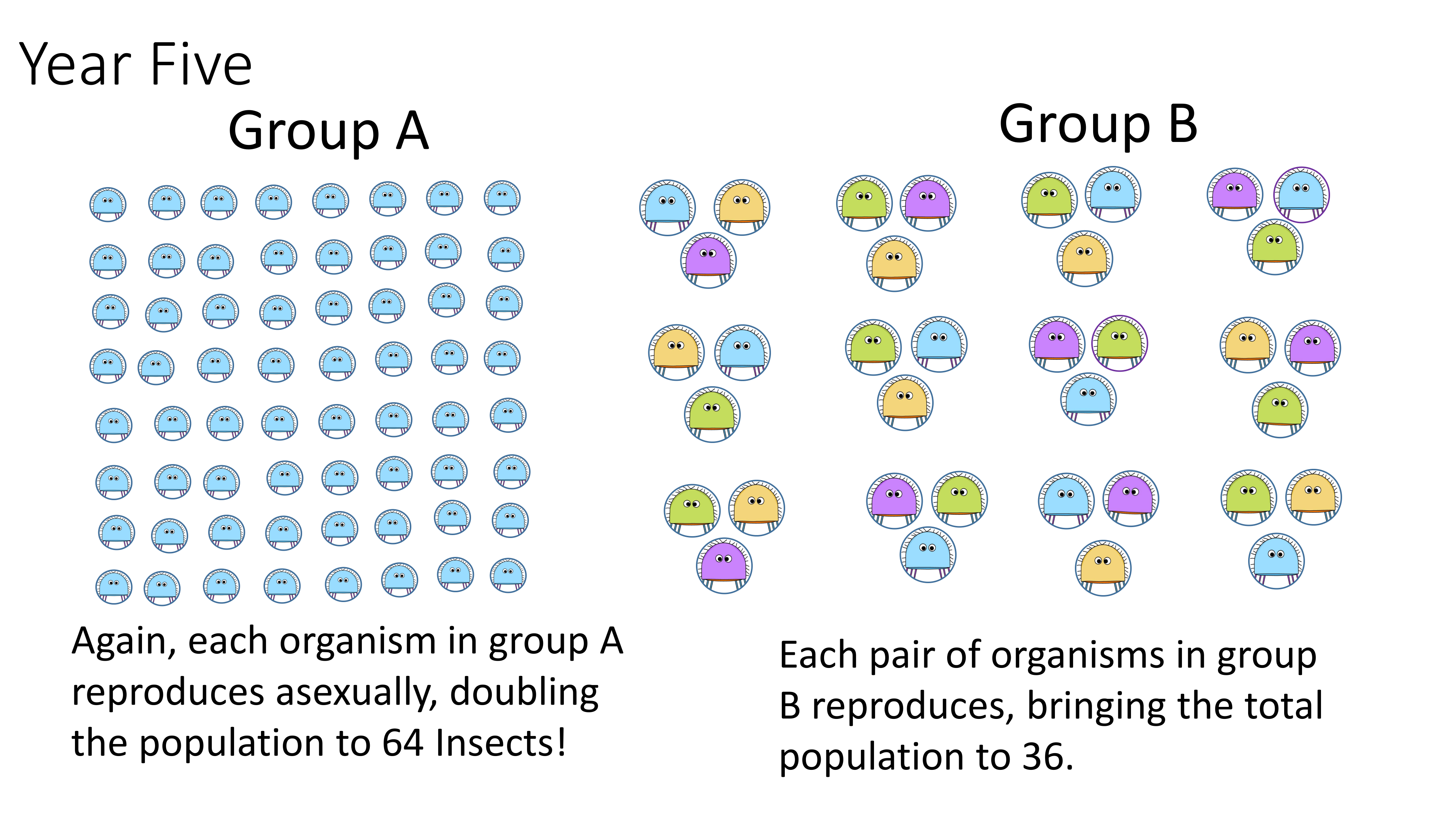
What is the population of group A at year 5?

4.6.1.1
1
Pitanje 18
18.

What is the population of group B at year 5?

4.6.1.1
1
4.6.1.1
1
Pitanje 20
20.

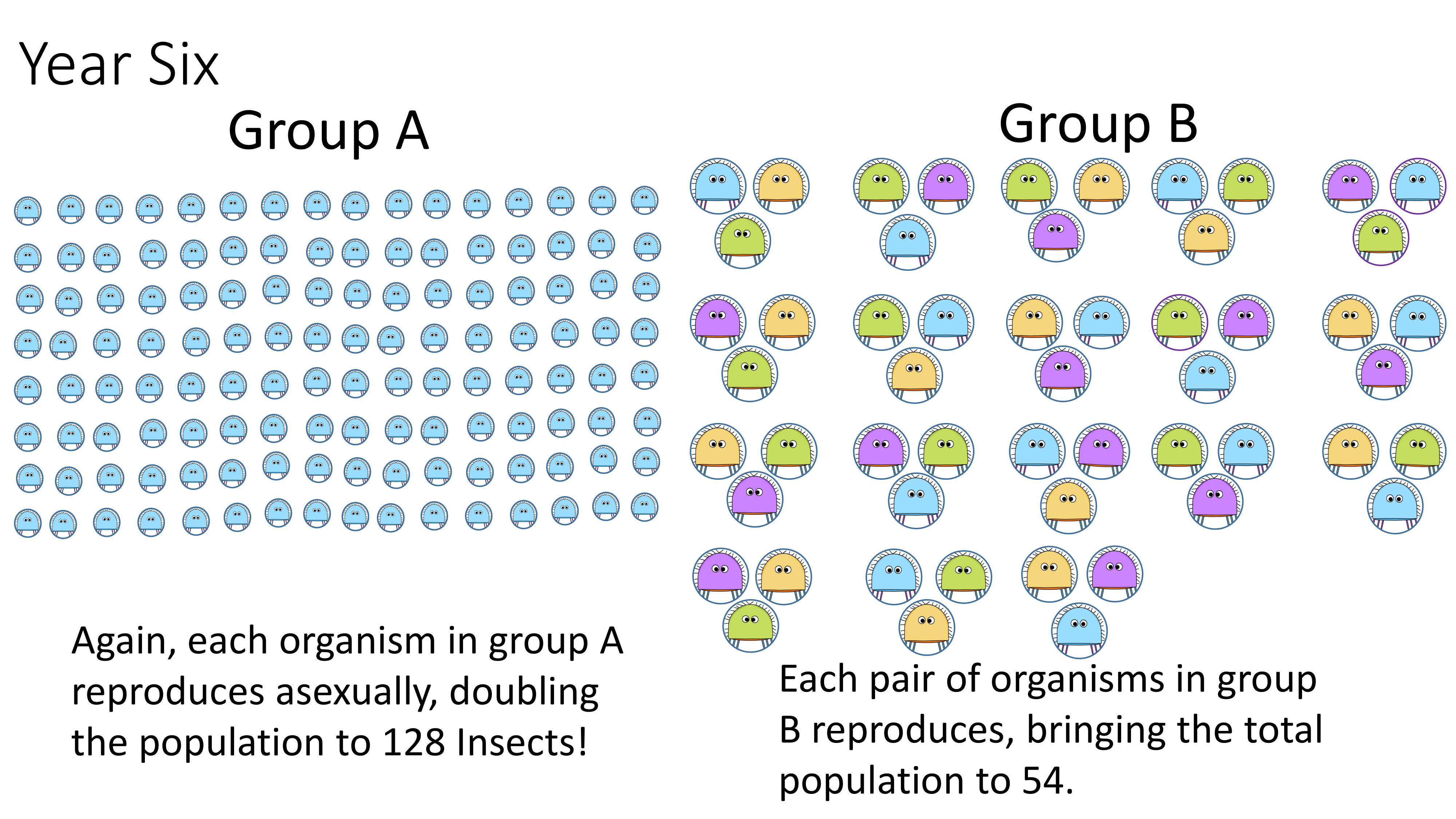
At year 6, how many insects are in the population for group A?

4.6.1.1
1
Pitanje 21
21.

At year 6, how many insects are in the population for group B?

4.6.1.1
1
4.6.1.1
2
Pitanje 23
23.

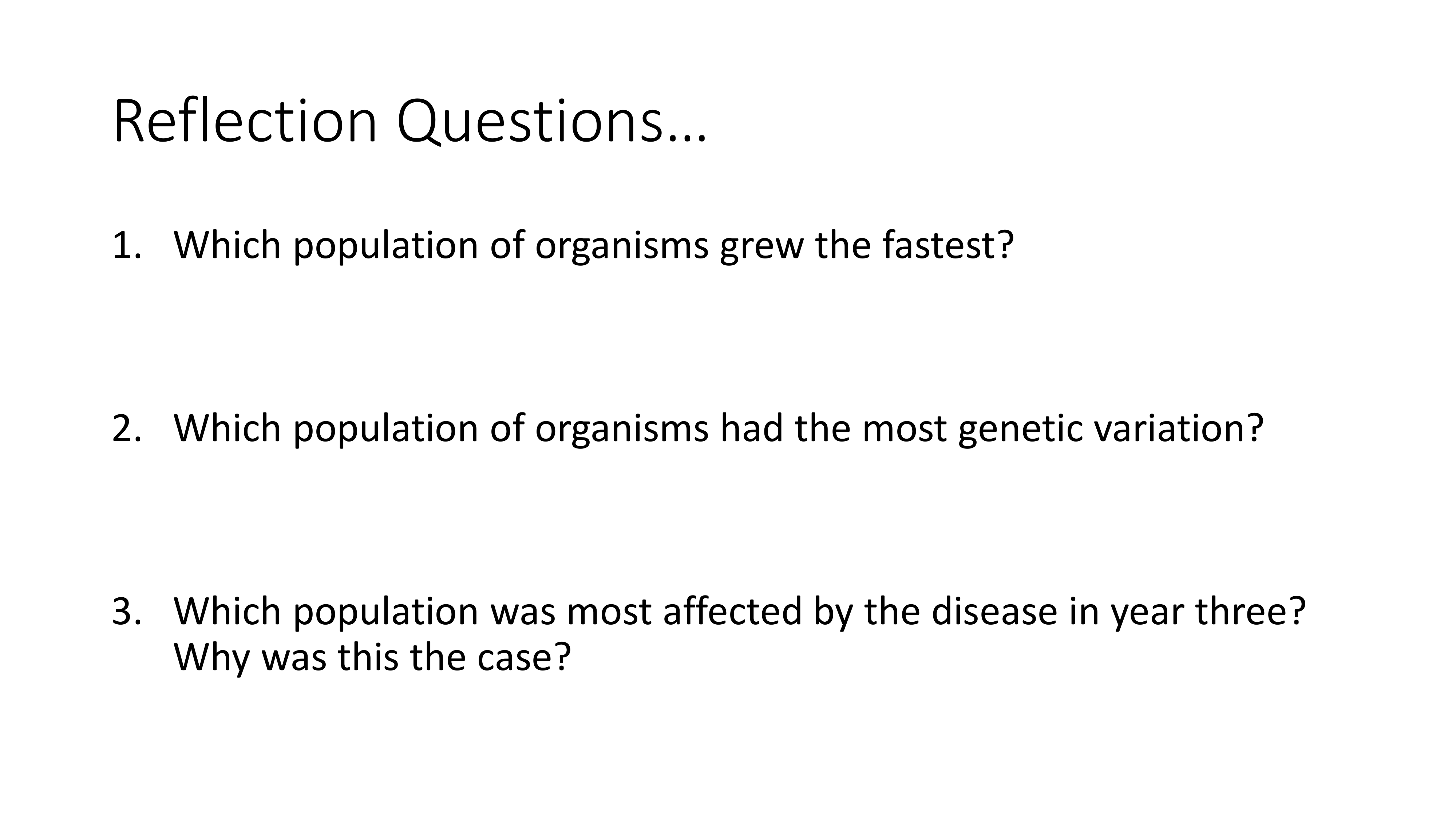
Which population grew the fastest?

4.6.1.1
2
4.6.1.1
2
Pitanje 25
25.

Which population was most affected by the disease in year 3? Explain why.

4.6.1.1

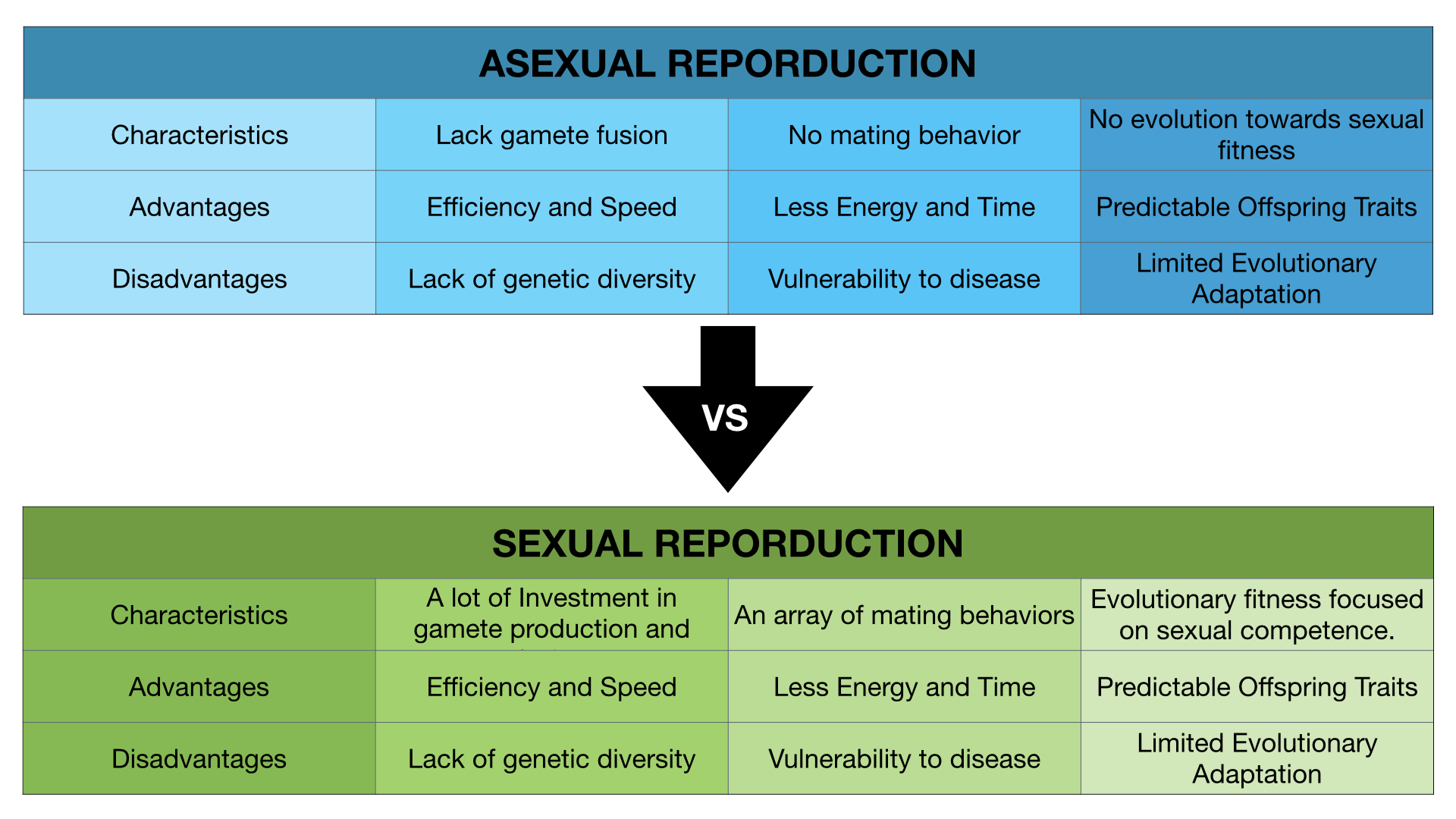
To answer these questions, check out the slideshow that is posted on asexual and sexual reproduction

1
Pitanje 26
26.

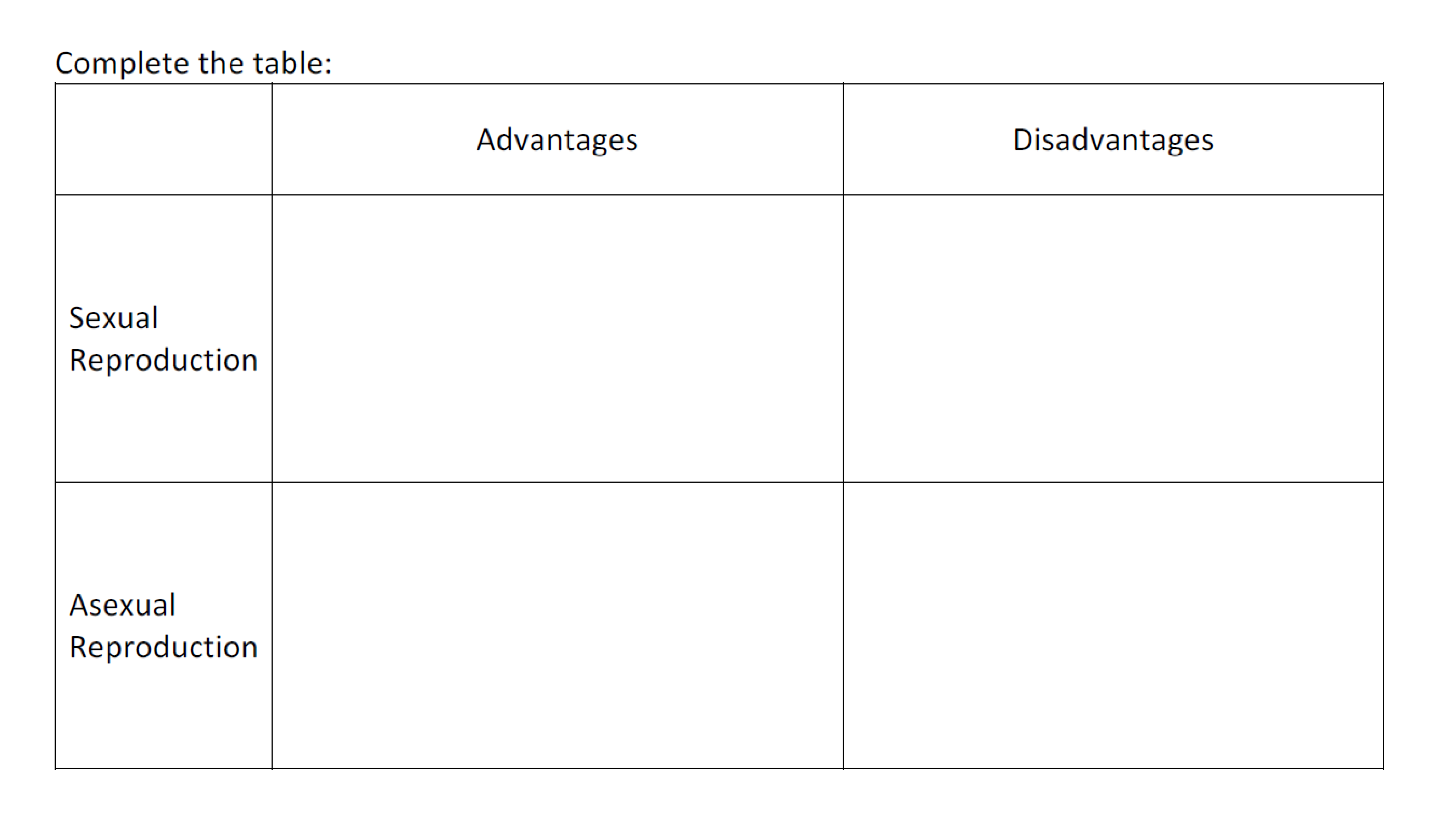
State an advantage of sexual reproduction

4.6.1.1
1
Pitanje 27
27.

State a disadvantage of sexual reproduction.

4.6.1.1
1
4.6.1.1
1
4.6.1.1
Pitanje 30
30.

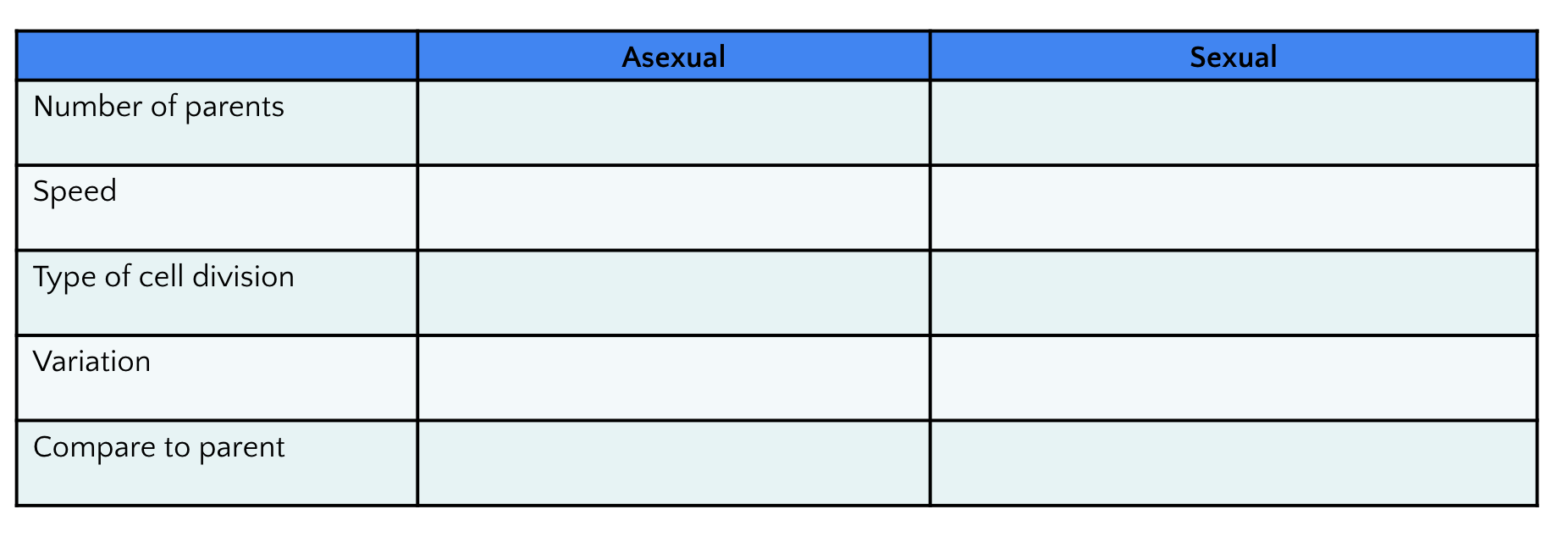
How many parents needed for asexual reproduction?

1
4.6.1.1
1
4.6.1.1
1
4.6.1.1
1
4.6.1.1
1
4.6.1.1
1
4.6.1.1
1
4.6.1.1
1
4.6.1.1
1
4.6.1.1
1
4.6.1.1
Pitanje 41
41.

Asexual reproduction

Sexual reproduction

Both

Creates genetically different offspring

Creates identical offspring

2 parents

1 parent

Creates offspring

fragmentation & binary fission

Obavezno
1
Pitanje 42
42.

Relate these biological terms to either mitosis, meiosis, or asexual reproduction.

Stavka koja se može prevućiarrow_right_altOdgovarajuća stavka

Cloning

arrow_right_alt

Mitosis

Body growth

arrow_right_alt

Meiosis

Genetic diversity

arrow_right_alt

Asexual reproduction

4.6.1.1
Pitanje 43
43.
  • All offspring are identical.

  • Most animals reproduce this way.

  • Pollen from trees and flowers are for this.

  • Offspring have different inherited characteristics.

  • Produces clones of the parent.

  • One parent.

  • Requires male and female organisms.

  • Taking cuttings of a plant would be this.

  • A bacteria splitting in two.

  • Has two parents.

  • Asexual

  • Sexual

Pitanje 44
44.

There are two types of reproduction:

•   sexual reproduction

•   asexual reproduction.

Complete below table to compare sexual reproduction with asexual reproduction.

Write a tick (✓) in the box if the statement is true.

Sexual Reproduction

Asexual Reproduction

Fertilisaiton occurs

Offspring are genetically identical to each other

Pitanje 45
45.
Drugi mogući odgovor:
mitosis
embryos
fertilisation
sexual
genes
differentiation
gametes
Asexual
Pitanje 46
46.

Gametes are formed in sexual reproduction.

Name the male gamete formed in flowering plants.

Pitanje 47
47.

With asexual reproduction what is the number of parents needed?

Pitanje 48
48.

With sexual reproduction what is the number of parents needed?

Pitanje 49
49.

With sexual reproduction is the genetic information the same or different?

Pitanje 50
50.

With asexual reproduction is the genetic information the same or different?

Pitanje 51
51.

With asexual reproduction is the offspring the identical or different?

Pitanje 52
52.

With sexual reproduction is the offspring the identical or different?

Pitanje 53
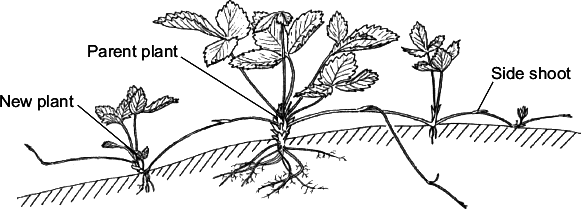
53.

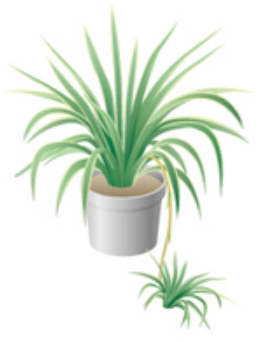
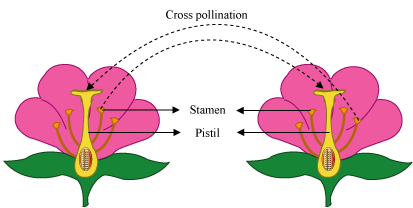
Does the picture above show sexual or asexual reproduction?

Pitanje 54
54.

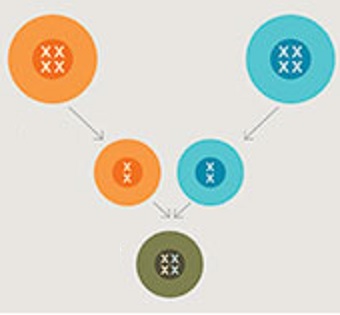
Does the picture above show sexual or asexual reproduction?

Pitanje 55
55.

Does the picture above show sexual or asexual reproduction?

Pitanje 56
56.

Offspring that are the result of sexual reproduction are:

Pitanje 57
57.

Egg and sperm combine during:

Pitanje 58
58.

Which of the following is an example of asexual reproduction?

Pitanje 59
59.

The offspring of sexual reproduction:

Pitanje 60
60.

When one cell undergoes meiosis, what is the result?

Pitanje 61
61.

Gametes are produced by the process of

Pitanje 62
62.

Gametes are produced by the process of

Pitanje 63
63.

Gametes have

Pitanje 64
64.

At the end of meiosis, there are

Pitanje 65
65.

How many chromosomes are in a human gamete?

Pitanje 66
66.

If a eukaryotic cell has 20 chromosomes and it undergoes meiosis, how many cells will result, and how many chromosomes will they contain?

Pitanje 67
67.

Cells that are ________ possess a single set of chromosomes

Pitanje 68
68.

An organism has 38 chromosomes in a body cell. After mitosis each cell has 38 chromosomes. After meiosis each gamete has ____________________ chromosomes.

Pitanje 69
69.

Bluebell plants grow in woodlands in the UK.

•   Bluebells can reproduce sexually by producing seeds.

•   Bluebells can also reproduce asexually by making new bulbs.

One advantage of asexual reproduction for bluebells is that only one parent is needed.

Suggest two other advantages of asexual reproduction for bluebells.

Pitanje 70
70.

Who gives the best description of DNA?

Pitanje 71
71.

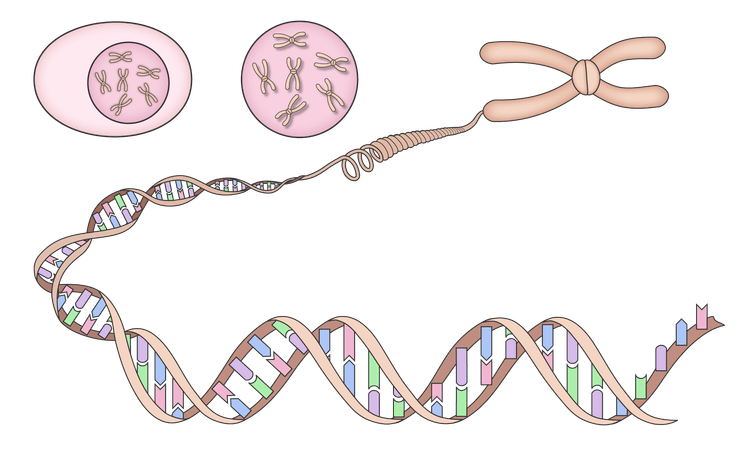
Where is DNA found in plant, animal and fungi cells and how is it stored?

An image in a quiz

Pitanje 72
72.

The scientific name for a DNA molecule structure is a

Pitanje 73
73.

A portion of DNA that codes for a trait is a

Pitanje 74
74.

How many pairs of chromosomes do humans have?

1
Pitanje 75
75.

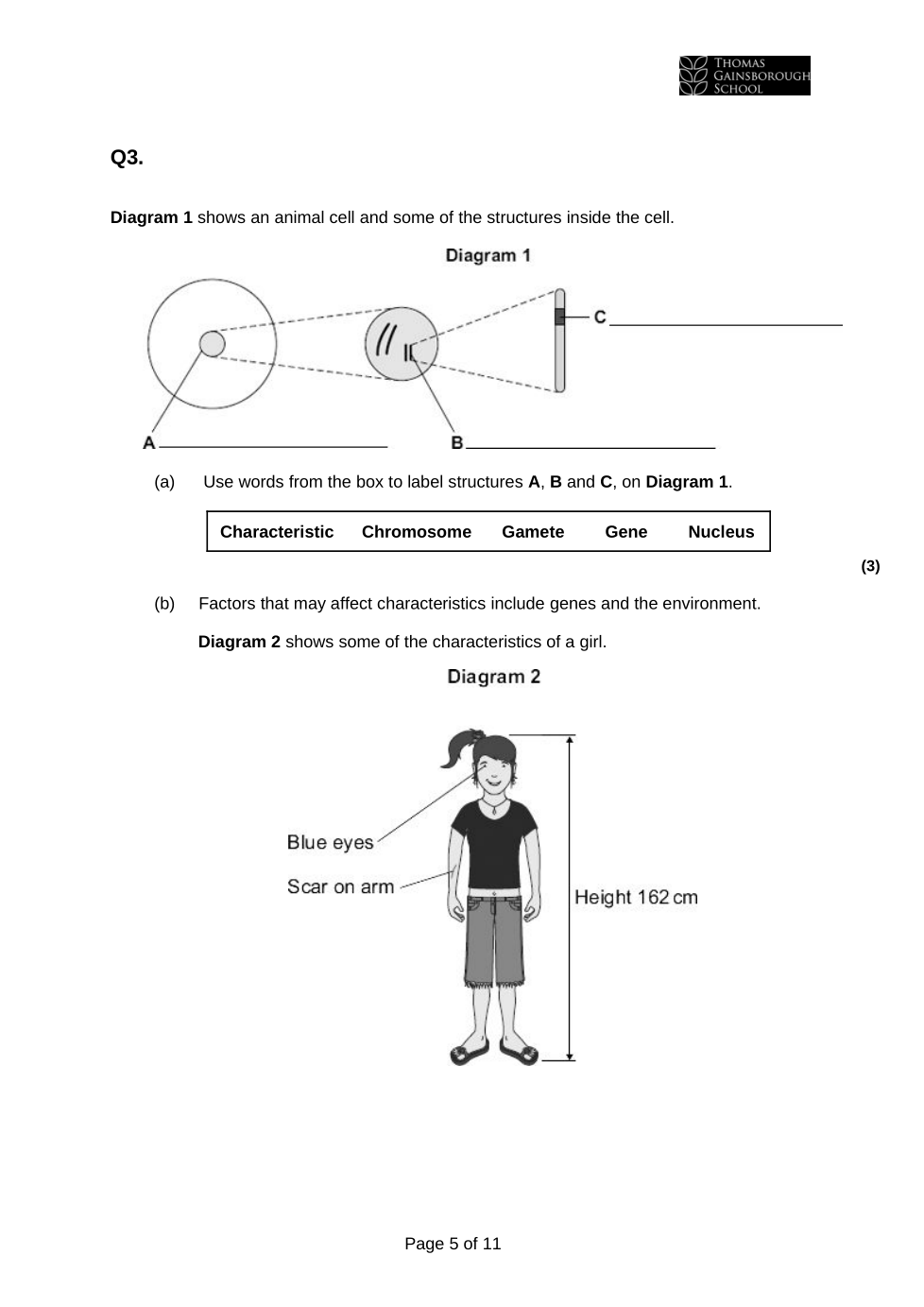
Q3 A =

4.6.1.5
1
Pitanje 76
76.

Q3 B=

4.6.1.5
1
Pitanje 77
77.

Q3 C=

4.6.1.5
Pitanje 78
78.

What is a mutation?

Pitanje 79
79.

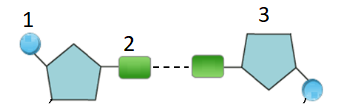
What part of the nucleotide is #1?

Pitanje 80
80.

What part of the nucleotide is #2?

Pitanje 81
81.

What part of the nucleotide is #3?

1
4.6.1.5
1
4.6.1.5
1
4.6.1.5
1
4.6.1.5
1
4.6.1.5
1
4.6.1.5
1
4.6.1.5
1
4.6.1.5
1
4.6.1.5
1
4.6.1.5
1
4.6.1.5
1
4.6.1.5
Pitanje 94
94.

The scientific name for a DNA molecule structure is a

Pitanje 95
95.

DNA stands for Deoxyribonucleic Acid

Pitanje 96
96.

A portion of DNA that codes for a trait is a

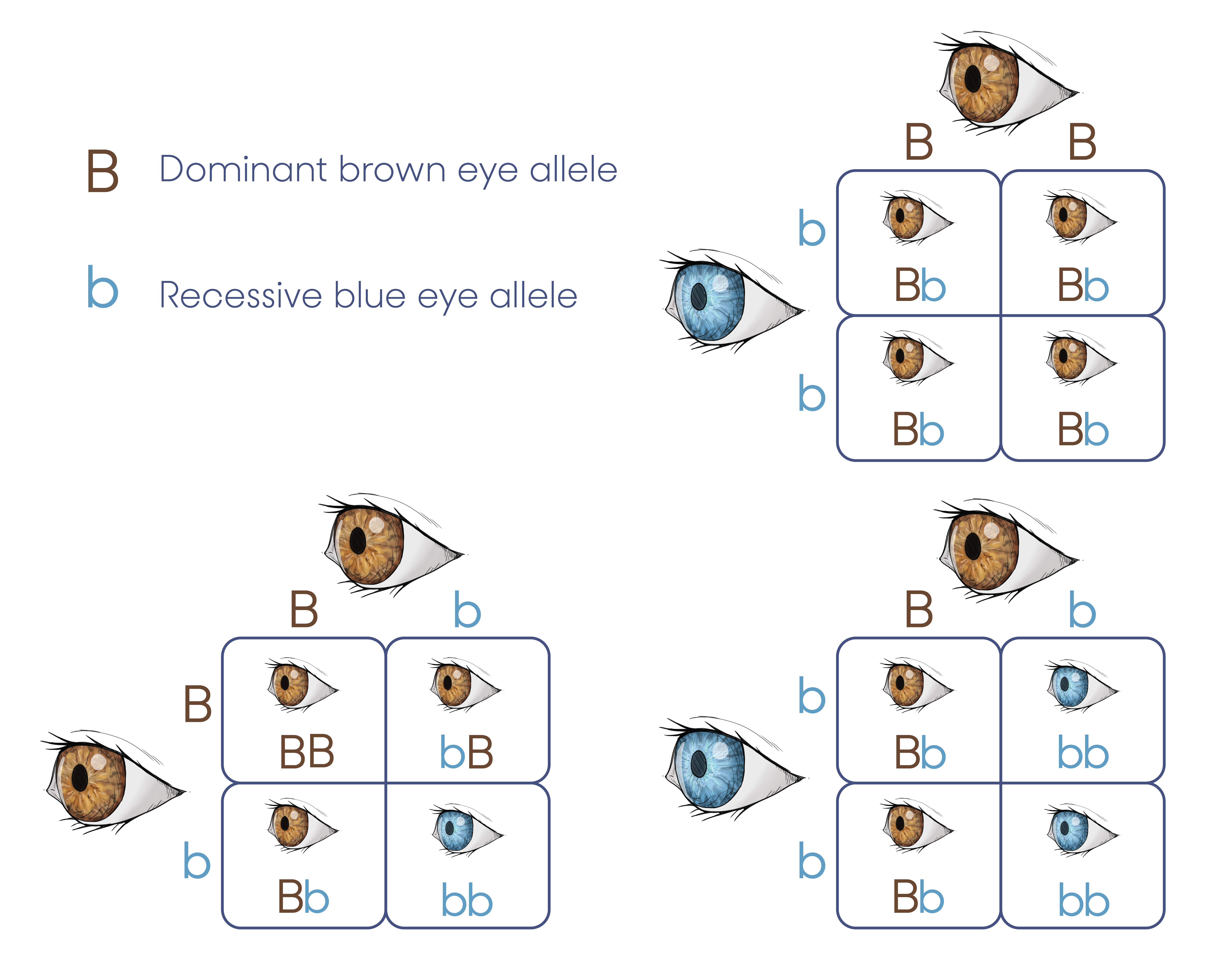
Three punnett squares demonstrating how genes from parents combine in four different combinations to pass on traits to offsprings.

The Punnett square is a diagram that is used to understand inheritance, or traits that are passed down from generation to generation.

Genes come in different forms, known as alleles. You get one copy of each gene from each parent. So you can end up with two different alleles of the same gene.

Biologists use Punnett squares to determine the likelihood of an offspring having a particular combination of alleles of genes.

In a Punnett square, dominant traits are represented by capital, or uppercase, letters. Recessive traits are represented by lowercase letters.

The example of eye color in the image is hypothetical. In fact, eye color is actually a polygenetic trait. This means that it is influenced by more than one gene.

Pitanje 97
97.

What does having a dominant allele mean?

Pitanje 98
98.

Which is the best description of a phenotype?

Pitanje 99
99.

Which would represent the following Homozygous recessive, Homozygous dominant, Heterozygous

Pitanje 100
100.

The ability to roll your tongue is a dominant trait (T), non tongue rolling is recessive (t). Which of the following combinations would allow a person to roll their tongue?

Pitanje 101
101.

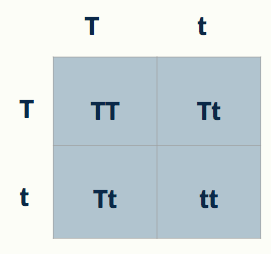
Complete the following Punnett square below.

Pitanje 102
102.

A heterozygous tall (Tt) pea plant with a heterozygous tall (Tt) pea plant were crossed. Note: tt indicates a short plant. The punnet square is below. What are the correct ratios and percentages of the offspring's genotypes?

Pitanje 103
103.

A heterozygous tall (Tt) pea plant with a heterozygous tall (Tt) pea plant were crossed. Note: tt indicates a short plant. The punnet square is below. What are the correct ratios and percentages of the offspring's phenotypes?

Pitanje 104
104.

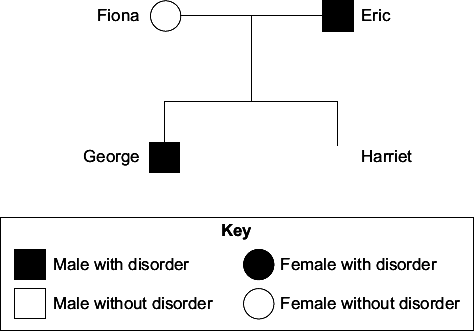
The family tree shows the inheritance of a disorder caused by a dominant allele.

Fiona and Eric have two children George and Harriet.

The son, George, has the disorder.

The daughter, Harriet, does not have the disorder.

What symbol represents Harriet?

Pitanje 105
105.

The symbol D represents the dominant allele for the disorder.
The symbol d represents the recessive allele.

Fiona has the pair of alleles dd.

What alleles does Harriet have?

Pitanje 106
106.

The symbol D represents the dominant allele for the disorder.
The symbol d represents the recessive allele.

Fiona has the pair of alleles dd.

A person with the disorder could what what alleles?

Pitanje 107
107.

What does it mean if an organism is heterozygous for a trait?

Pitanje 108
108.

Which term describes an allele that masks the expression of another?

Pitanje 109
109.

If an organism is homozygous recessive, what can be said about its alleles?

Pitanje 110
110.

Which of these are homozygous?

Pitanje 111
111.

Which of these are heterozygous?

Pitanje 112
112.

Which of these are homozygous recessive?

Pitanje 113
113.

Which of these are homozygous dominant?

Pitanje 114
114.

What type of trait will HH become? Dominant or recessive? How do you know?

Pitanje 115
115.

What type of trait will Hh become? Dominant or recessive? How do you know?

Pitanje 116
116.

What type of trait will hh become? Dominant or recessive? How do you know?

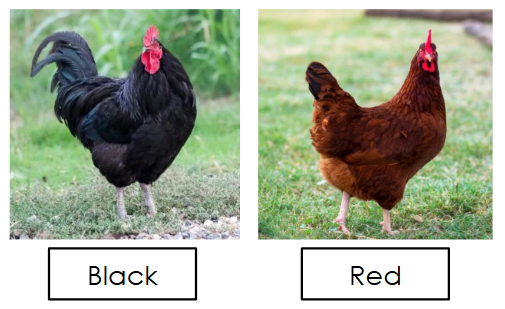
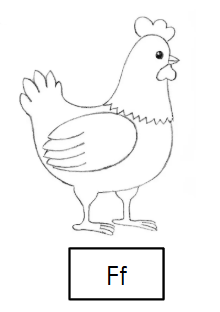
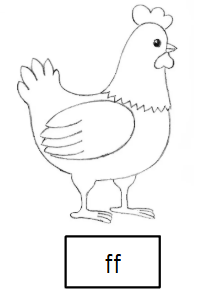
In chickens, black feathers (F) are dominant and red feathers (f) are recessive.

1
Pitanje 117
117.

If a chicken has the alleles Ff (one allele for black feathers and one allele for red feathers), what will its phenotype be?

4.6.1.6
1
Pitanje 118
118.

If a chicken has the alleles ff (two alleles for red feathers), what will its phenotype be?

4.6.1.6
Pitanje 119
119.

Mutations of DNA cause some inherited disorders.

One inherited disorder is cystic fibrosis (CF).

A recessive allele causes CF.

Complete the genetic diagram in Figure 2.

•        Identify any children with CF.

•        Give the probability of any children having CF.

Each parent does not have CF.

The following symbols have been used:

D = dominant allele for not having CF

d = recessive allele for having CF

Pitanje 120
120.

From above, what is the probability of a child with CF?

Pitanje 121
121.

What is the genotype of the mother shown in the Punnett square?

Pitanje 122
122.

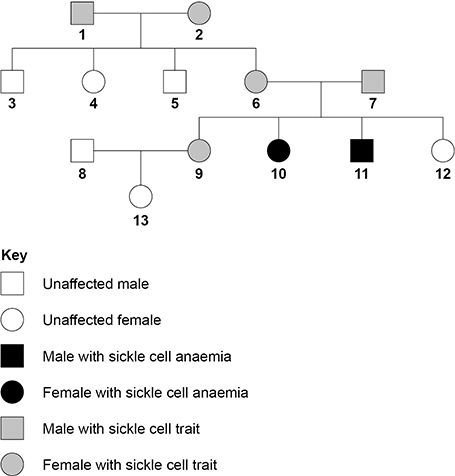
Figure 2 shows the inheritance of sickle cell anaemia in one family.

Figure 2

 Persons 8 and 9 in Figure 2 are expecting a second child.

Determine the probability that the child will be a girl with sickle cell trait.

You should:

•   draw a Punnett square diagram

•   identify the phenotype of each offspring genotype

•   use the symbols:

A = normal blood

a = sickle cell blood

Pitanje 123
123.

Which sex chromosomes do females typically have?

3
Pitanje 124
124.

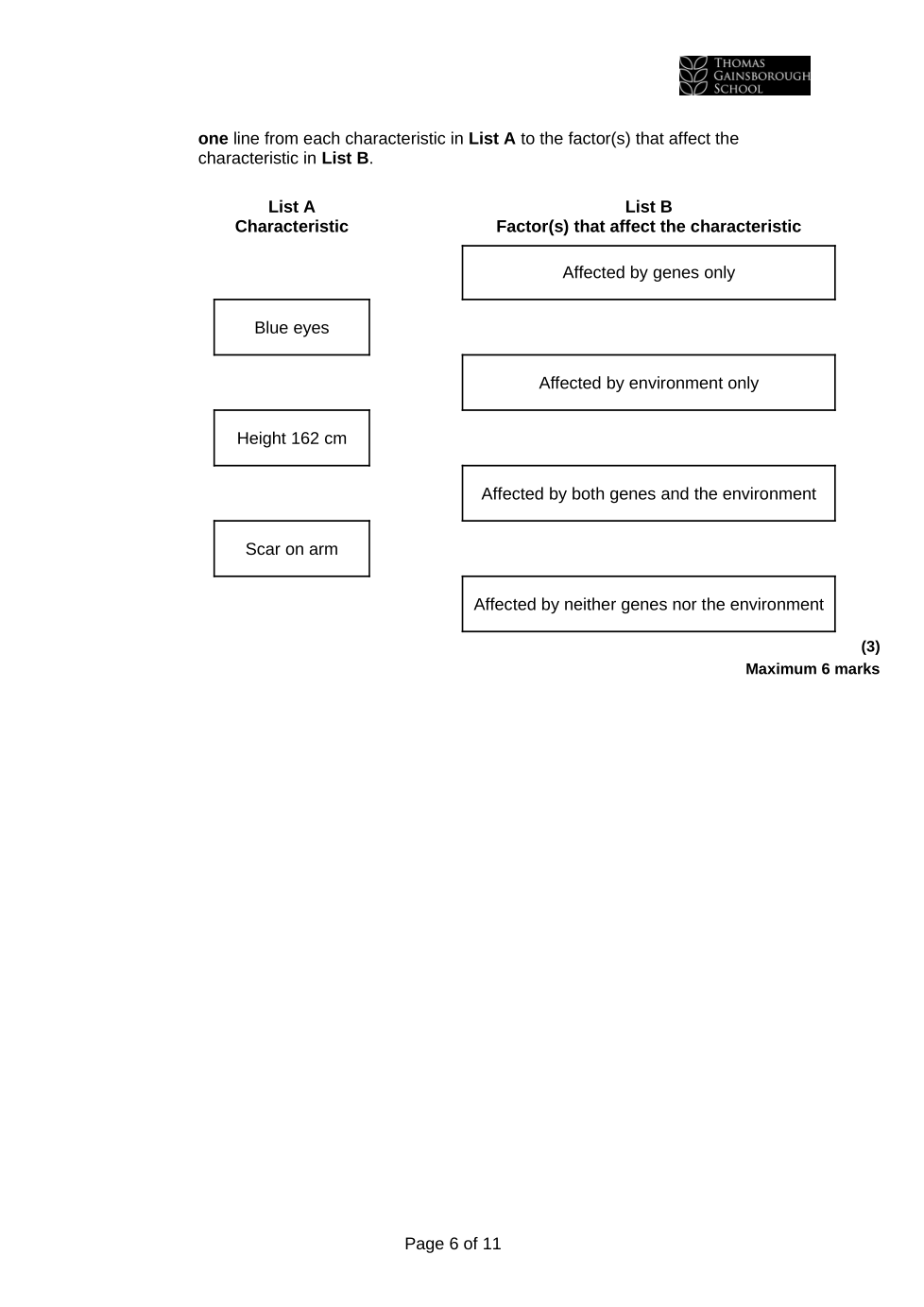
Draw one line from each characteristic in List A to the factor(s) that affect the characteristic in List B

4.6.2.1
Pitanje 125
125.

Sort into environmental variation and genetic. Pick the BEST answer for each

  • Blood Type

  • Natural Eye colour

  • Tattoos

  • Natural hair texture

  • Ear stretching

  • Language you speak

  • Environmental Variation

  • Genetic Variation

1
Pitanje 126
126.
4.6.2.1
1
Pitanje 127
127.
4.6.2.1
1
Pitanje 128
128.
4.6.2.1
1
Pitanje 129
129.
4.6.2.1
WS3.5
1
Pitanje 130
130.
4.6.2.1
WS3.5
1
Pitanje 131
131.
4.6.2.1
WS3.5
Pitanje 132
132.

Which scientist developed a similar theory at the same time as Wallace?

Pitanje 133
133.

What theory did Charles Darwin propose?

An image in a quiz

Pitanje 134
134.

Which of the following is not a stage of natural selection?

Pitanje 135
135.

What is the process by which evolution takes place?

Pitanje 136
136.

What evidence can be used to look at how species have changed overtime?

Pitanje 137
137.

Starting with variation, put the steps of natural selection in the correct order.

  1. Inheritance - and more likely to pass on the traits to their offspring.

  2. Competition - this advantage allows them to compete successfully

  3. Survival - this makes them more likely to survive.

  4. Variation - due to chance individuals of a species have different traits.

  5. Reproduction - and more likely to have offspring.

  6. Advantage - some traits can give individuals an advantage.

Pitanje 138
138.
Pitanje 139
139.

match these terms

Stavka koja se može prevućiarrow_right_altOdgovarajuća stavka

Evolution

arrow_right_alt

Better adapted organisms are more likely to survive and reproduce.

Artificial Selection

arrow_right_alt

The characteristics of species change over many generations

Natural Selection

arrow_right_alt

Humans choose organisms with desirable traits and breed them together.

Pitanje 140
140.
Pitanje 141
141.

Some giraffes had short necks; others had long necks.

Select the reason why.

Pitanje 142
142.

Individual organisms evolve.

Pitanje 143
143.

What does "fitness" mean, in biology?

Pitanje 144
144.

Do organisms "decide" to evolve and change?

Pitanje 145
145.

Which organisms are most likely to survive?

1
Pitanje 146
146.

An organism's traits are determined by its DNA

1
1
1
1
1
Pitanje 151
151.

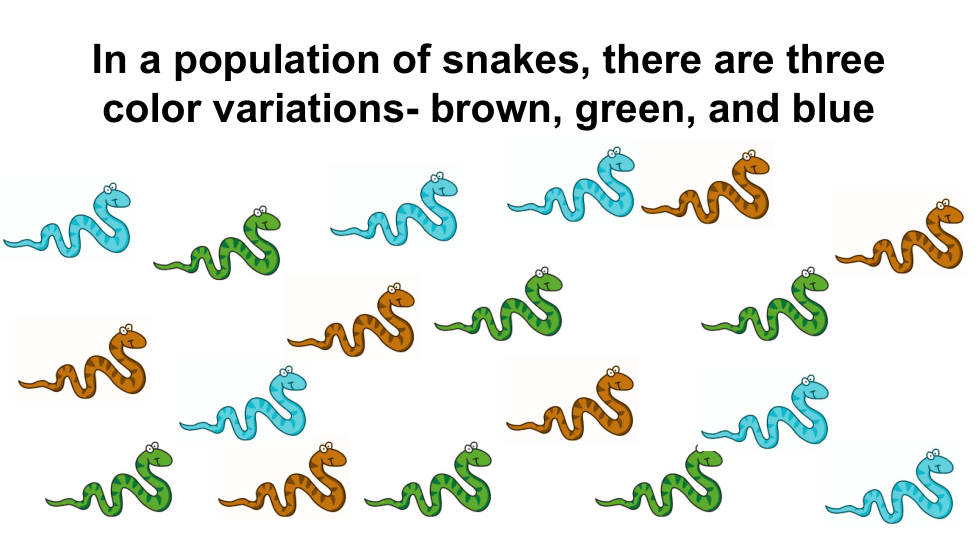
How many blue snakes are there in the population?

1
Pitanje 152
152.

How many brown snakes are there in the population?

1
Pitanje 153
153.

How many green snakes are there in the population?

1
Pitanje 154
154.

Which color(s) of snakes are best suited for the environment grass and dirt environment?

1
1
Pitanje 156
156.

The blue snakes are most likely to be eaten by birds. What will happen to the blue allele (gene) in the population?

1
Pitanje 157
157.

Due to the drought the environment is mostly brown dirt. Which color snake is "best fit" for the environment?

1
Pitanje 158
158.

What happened to the allele frequency of green snakes in the population?

1
Pitanje 159
159.

If there were no birds (aka the selective pressure) in the area, would there be a shift in the population to mostly brown snakes?

4.6.2.2
1
Pitanje 160
160.

How is selective breeding (aka Artificial selection) different from natural selection?

4.6.2.3
1
Pitanje 161
161.

How does selective breeding (aka Artificial selection) work?

4.6.2.3
1
Pitanje 162
162.

Why was selective/artificial selection so important and beneficial to society?

4.6.2.3
Pitanje 163
163.

Explain how selective breeding may have been used to produce bananas with tasty flesh.

Pitanje 164
164.
Pitanje 165
165.

We can now produce organisms with the characteristics we want the organisms to have.

List A gives the names of four ways of producing organisms.

List B gives information about the ways of producing organisms.

Match each of List A to the correct information in List B

  • Embryo transplantation

  • Genetic engineering

  • Taking cuttings

  • Tissue culture

  • Taking part of the stem from a
    plant, then putting this part of the stem in wet soil in a plant pot.

  • Growing groups of cells from a
    plant on special jelly.

  • Transferring genes from one
    organism to a different organism.

  • Growing plants from seeds in a
    garden.

  • Separating groups of cells from
    a very young developing animal
    then putting the groups of cells
    into host mothers.

Pitanje 166
166.

What type of plant cloning is used to make hundreds of clones?

Pitanje 167
167.

What type of plant cloning uses rooting powder?

Pitanje 168
168.

Modern scientists use cloning techniques.

Which one of the following is a method of producing cloned plants?

Tick one box.

Pitanje 169
169.

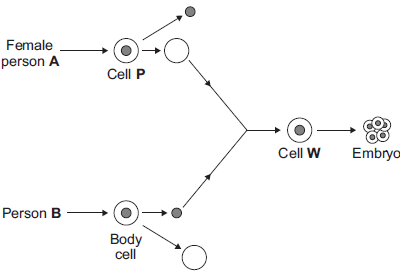
The diagram shows a method that could be used in the future to produce a human.


What is the name of the method shown?

Tick one box.

Pitanje 170
170.

Look at the diagram above:

What type of cell is cell P?

Pitanje 171
171.

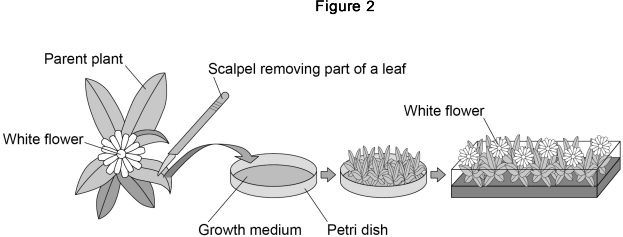
Scientists can clone plants using tissue culture.

Figure 2 shows the process of tissue culture.


Why might scientists want to clone plants?

Tick one box.

Pitanje 172
172.

Which of the following statements are true about theories?

Pitanje 173
173.

Starting with variation, put the steps of natural selection in the correct order.

  1. Variation - due to chance individuals of a species have different traits.

  2. Advantage - some traits can give individuals an advantage.

  3. Survival - this makes them more likely to survive.

  4. Inheritance - and more likely to pass on the traits to their offspring.

  5. Reproduction - and more likely to have offspring.

  6. Competition - this advantage allows them to compete successfully

Pitanje 174
174.

What did Alfred Russel Wallace develop a theory of?

Pitanje 175
175.
Pitanje 176
176.

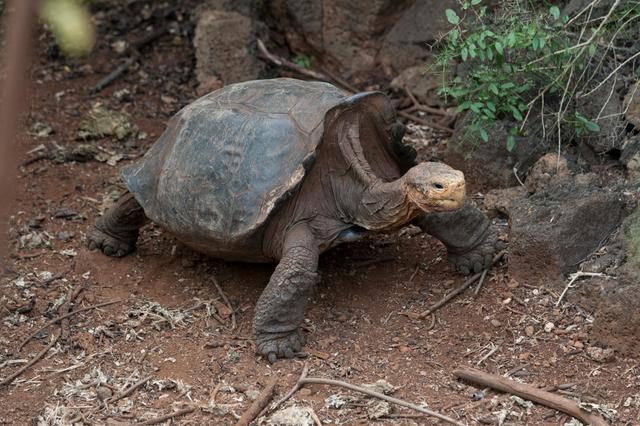
Which of the following is why some Galápagos tortoises have saddle-shaped shells?

An image in a quiz

Pitanje 177
177.

True or false? DNA can be used to help establish relationships between organisms.

Pitanje 178
178.

Which of the following is not a geographical barrier that mean species can become isolated?

Pitanje 179
179.

Speciation is when a new a new species is formed

Pitanje 180
180.

What defines a species in biological terms?

Pitanje 181
181.

Which of the following is an example of a species?

Pitanje 182
182.

What is speciation?

Pitanje 183
183.

Which is the best definition of a species?

Pitanje 184
184.

Geographic isolation separates populations of organisms.

Tick the examples of geographic isolation

Pitanje 185
185.
Pitanje 186
186.
Pitanje 187
187.

Put the steps in order for a new species to arise:

  1. Best adapted organisms in each area survive, breed, and pass alleles onto offspring

  2. Different Environmental Conditions

  3. Mutations leads to new alleles

  4. Speciation has occurred (populations can no longer breed to produce fertile offspring)

  5. Geographical Separation

Pitanje 188
188.

In 2009, scientists explored a crater of an extinct volcano in Papua New Guinea. It is 4 km wide, with walls 1 km high. In this volcano, they found dozens of previously undiscovered species, including a new species of frog.


Explain how a new species of frog has evolved within the crater which is different to a similar species outside the crater. (6)

Pitanje 189
189.

It is thought that Madagascar used to be a part of Africa. Approximately 150 million years ago, Madagascar split from Africa and is now a separate island.


A species of rat only unique to Madagascar is believed to share a common ancestor with a similar species in Africa.

Suggest how a new species of rat has evolved on Madagascar. (6)

Question 190
00:00
keyboard_arrow_down
1
Pitanje 190
190.

Why can't most hybrid animals reproduce?

4.6.3.2
Pitanje 191
191.

Who is considered the father of Genetics?

Pitanje 192
192.

Tell me a bit about Rosalind Franklin

Pitanje 193
193.

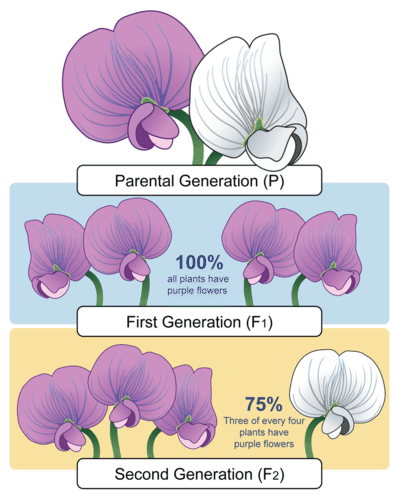
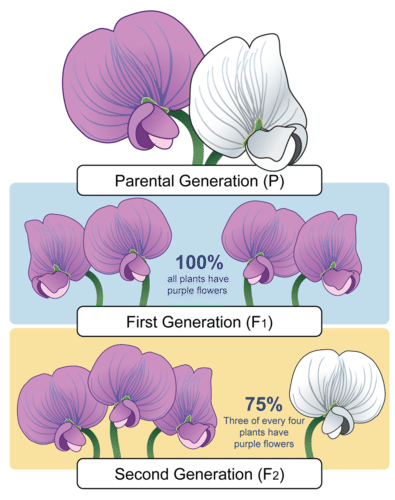
According to Mendel's experiment, what color were the flowers in the first generation?

Pitanje 194
194.

After self-pollination of the F1 (first) generation plants, what color were some of the F2 (second) generation flowers?

Pitanje 195
195.

What did Mendel assume produces white and purple flowers respectively?

Pitanje 196
196.

What provides evidence for evolution?

Pitanje 197
197.

Fossils can only form in sedimentary rocks, not in igneous or metamorphic rocks.

Pitanje 198
198.

The process of fossilisation can take thousands to millions of years to occur.

Pitanje 199
199.

Fossils can provide important information about past life on Earth and its environments.

Pitanje 200
200.

Fossils are formed with heat and pressure

Pitanje 201
201.

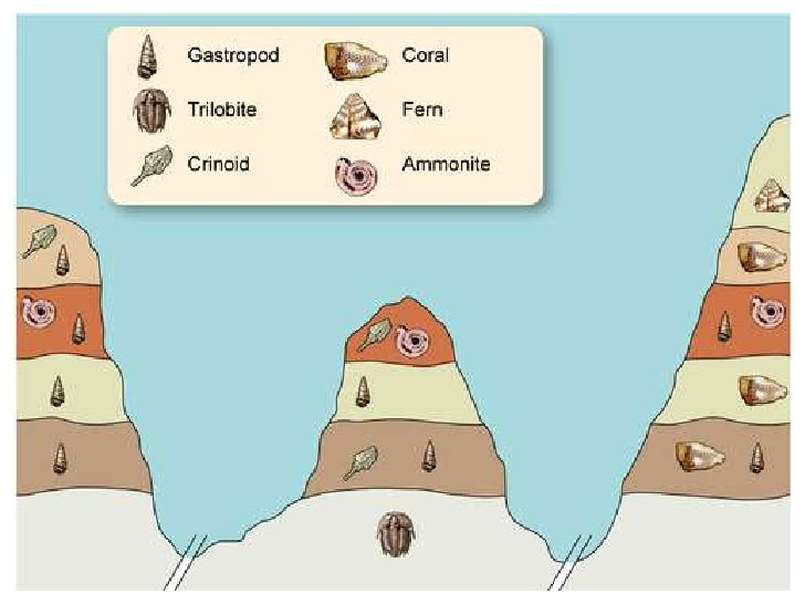
According to the solution you found above, which organism disappeared from the fossil record right before the appearance of homo sapiens

Pitanje 202
202.

When comparing fossil layers, the bottom layers are the oldest.

Pitanje 203
203.

The formation of fossils is a common event.

Pitanje 204
204.

Prompt: These three hills used to be one hill in the past before they separated. Based on the law of superposition, which fossil is the oldest?

Pitanje 205
205.

Organise from oldest to Youngest

Pitanje 206
206.

Which 4 organisms lived only for a relatively short period of geologic time?

1
Pitanje 207
207.

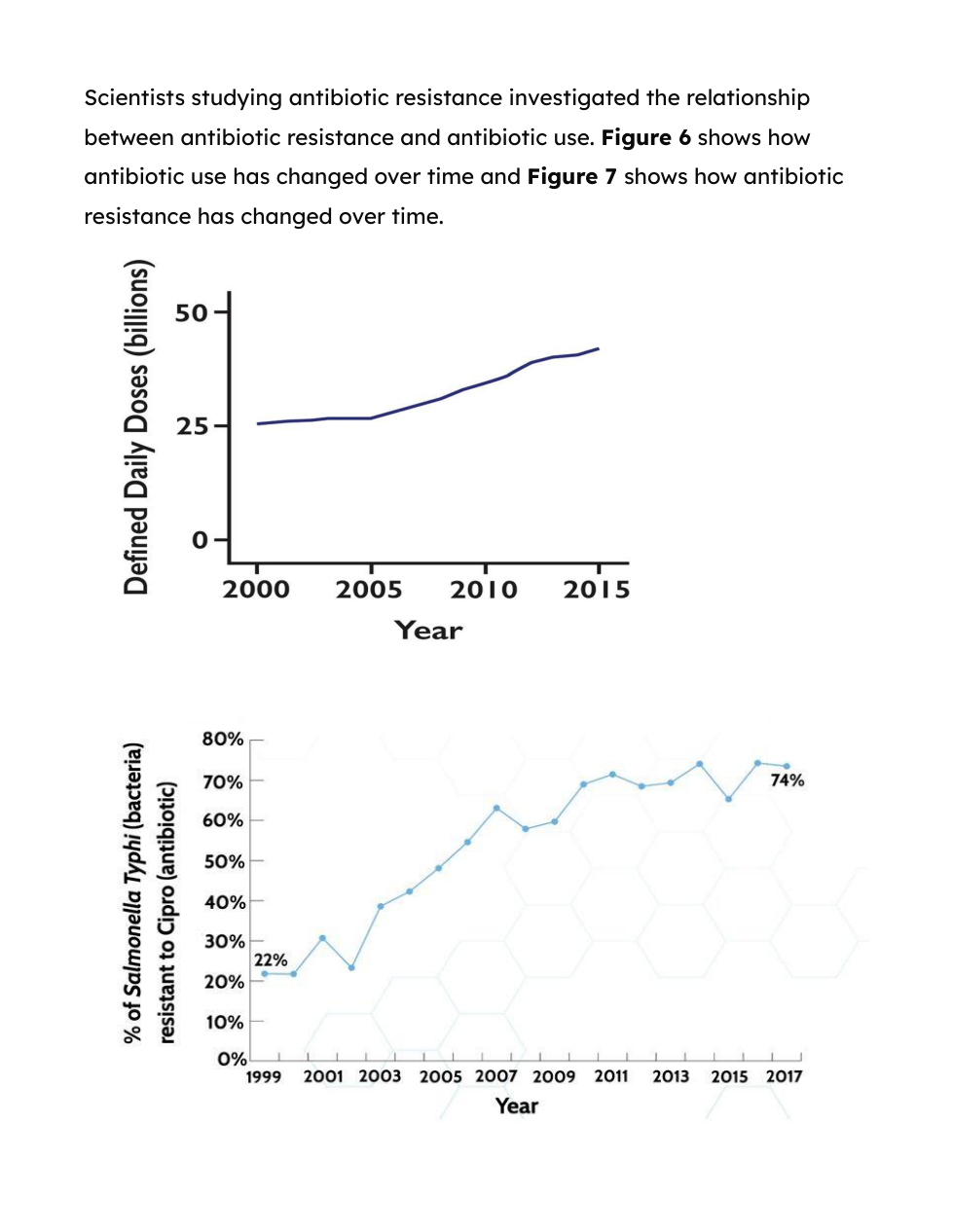
The phenomenon, antibiotic resistance, is the idea that antibiotics that we have used for many years no longer kill the bacteria

4.6.3.7
2
Pitanje 208
208.
4.1.2.2
4.6.3.7
2
Pitanje 209
209.

According to the graphs, what is the relationship between antibiotic use and antibiotic resistance.

4.6.3.7
Pitanje 210
210.

Define mutation

Pitanje 211
211.

Antibiotic resistance develops…

Pitanje 212
212.

Antibiotic resistance is

Pitanje 213
213.

People are increasing the rate at which bacteria populations are acquiring antibiotic resistance by:

Pitanje 214
214.

Which of the following is NOT a method to reduce the rate of development of antibiotic resistant strains of bacteria?

Pitanje 215
215.

Which antibiotic is most effective at killing this type of bacterium?

Pitanje 216
216.

Which of the following best explains why bacteria are able to adapt to changing environmental conditions?

Pitanje 217
217.

What TWO terms are used for an organism's binomial name? (SELECT TWO THINGS OR GET IT WRONG)

Pitanje 218
218.

The two-word naming system created by Linnaeus is called__________________.

Pitanje 219
219.

Organisms are finally classified into the smallest, most specific groups which are __________________.

Pitanje 220
220.

Organisms are first classified into the largest group, which would be a ____________________.

Pitanje 221
221.

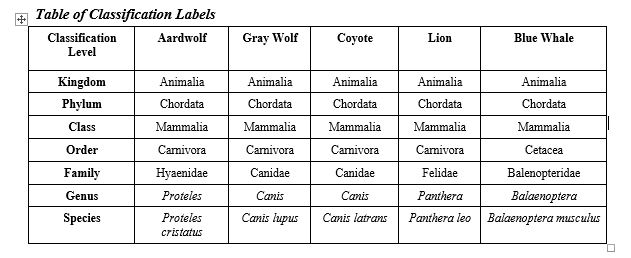
Use the diagram above to answer the question.

Which two species in this table are most similar to each other?

Pitanje 222
222.

Use the diagram above to answer the question.

Which of the organisms in the table is (are) most similar to a tiger (Panthera tigris)? Explain.

Pitanje 223
223.

Use the diagram above to answer the question.

Which of the organisms in the table is least similar to the others? Explain.

1
4.6.4
1
4.6.4
1
4.6.4
1
4.6.4
1
4.6.4
Pitanje 4
4.

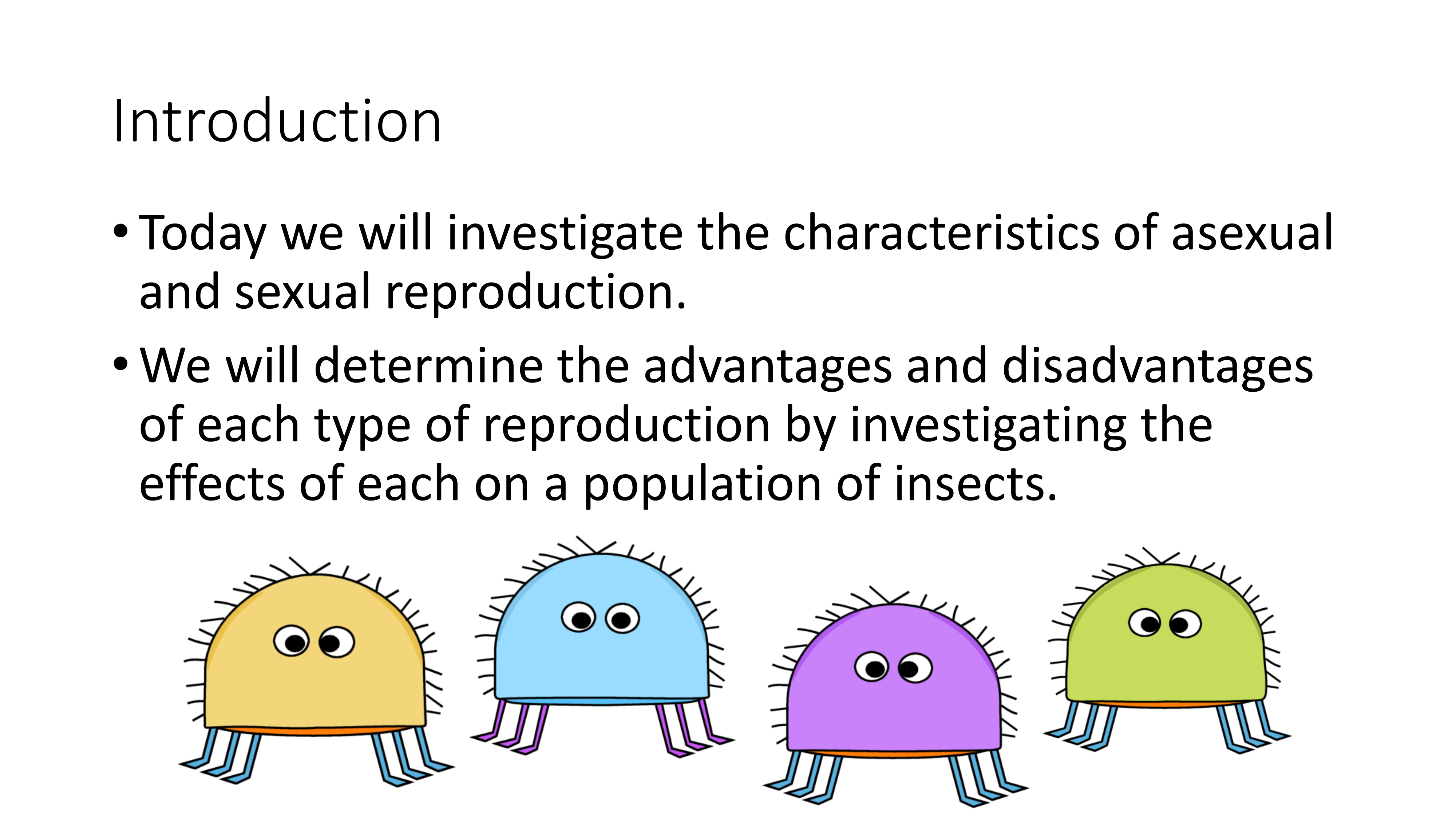
Group A is reproducing

Pitanje 5
5.

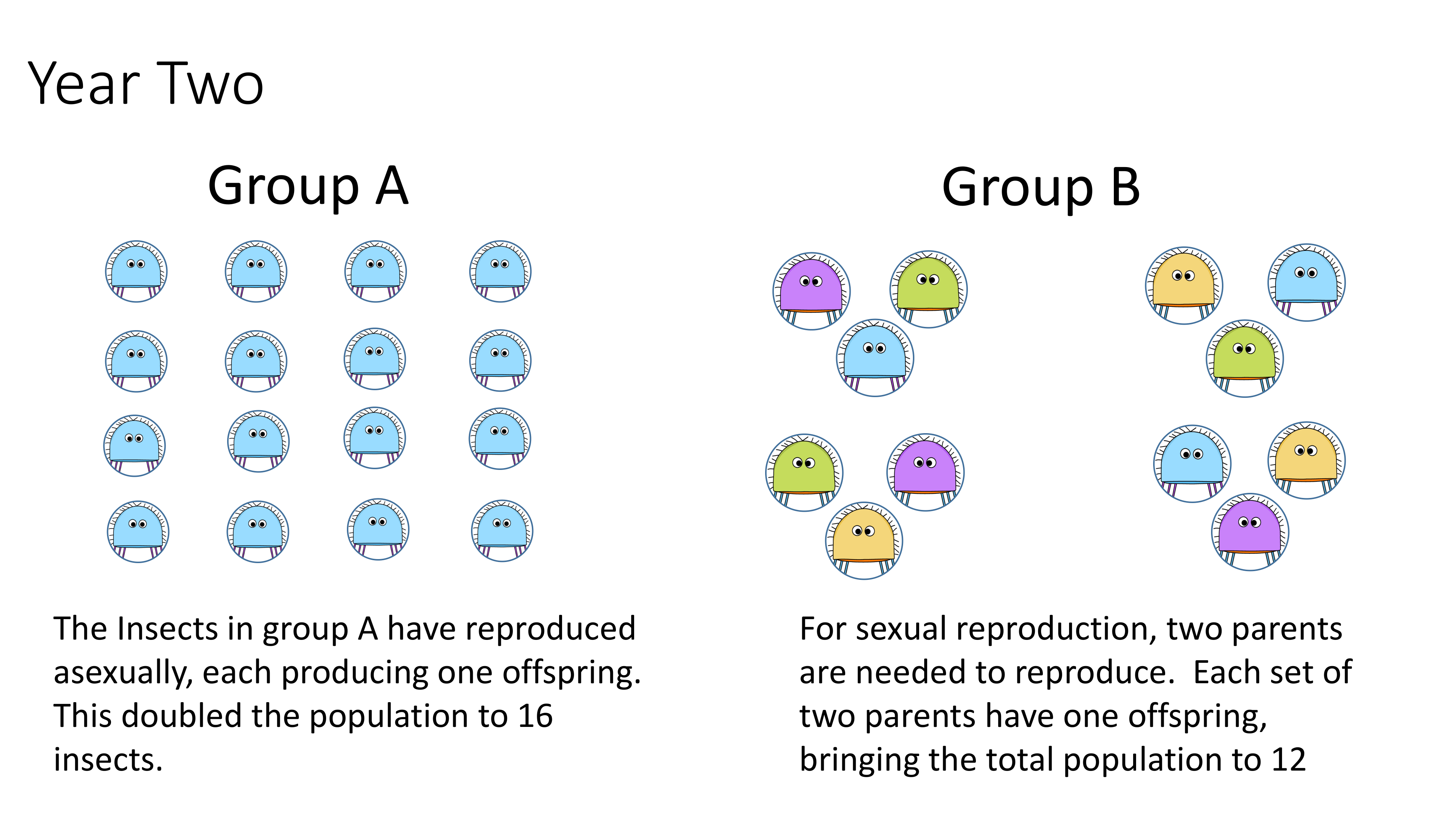
Group A started with 8 insects, in year 2 how many insects are there in group A?

Pitanje 6
6.

The insects in group B are reproducing

Pitanje 7
7.

In group B how many individuals are needed to produce an offspring?

Pitanje 8
8.

At the end of year 2, how many insects are there in the group B population?

Pitanje 9
9.

Group B started with 8 individuals or 4 breeding pairs. How many new offspring were born during year 2?

Pitanje 12
12.

Group B started with 12 individuals. How many new offspring were born during year 3?

Pitanje 16
16.

Group B started with 8 breeding pairs. How many new offspring were born during year 4?

Pitanje 19
19.

Group B started with 12 breeding pairs. How many new offspring were born during year 5?

Pitanje 22
22.

Group B started with 18 breeding pairs. How many new offspring were born during year 6?

Pitanje 24
24.

Which population had the most genetic variation?

Pitanje 28
28.

State an advantage of asexual reproduction.

Pitanje 29
29.

State a disadvantage of asexual reproduction.

Pitanje 31
31.

Parents - asexual

Pitanje 32
32.

Parents - sexual

Pitanje 33
33.

Asexual - speed

Pitanje 34
34.

Sexual - speed

Pitanje 35
35.
Pitanje 36
36.
Pitanje 37
37.
Pitanje 38
38.
Pitanje 39
39.
Pitanje 40
40.
Pitanje 82
82.

Transcribe the following DNA sequence into mRNA:

A T C G T C C A A

Pitanje 83
83.

Transcribe the following DNA sequence into mRNA:

T A G C A C C A A

Pitanje 84
84.

Translate the codon: UAC

Pitanje 85
85.

Translate the codon: CAG

Pitanje 86
86.

Translate the codon: AGG

Pitanje 87
87.

Translate the codon: GAU

Pitanje 88
88.

Translate the codon: UUU

Pitanje 89
89.

List ONE codon for valine

Pitanje 90
90.

List ONE codon for STOP

Pitanje 91
91.

Methionine is a START signal. What is the codon for met?

Pitanje 92
92.

What is made at the end of transcription?

Pitanje 93
93.

What is made at the end of translation?

Pitanje 147
147.

There are no genetic variations in populations

Pitanje 148
148.

Variations or differences in individuals are due to mutations

Pitanje 149
149.

In natural selection the organism with the best traits survive and reproduce

Pitanje 150
150.

Organisms with "bad" traits can change their traits in order to survive

Pitanje 155
155.

Which color of snake is more likely to be seen by predators?

Pitanje 224
224.

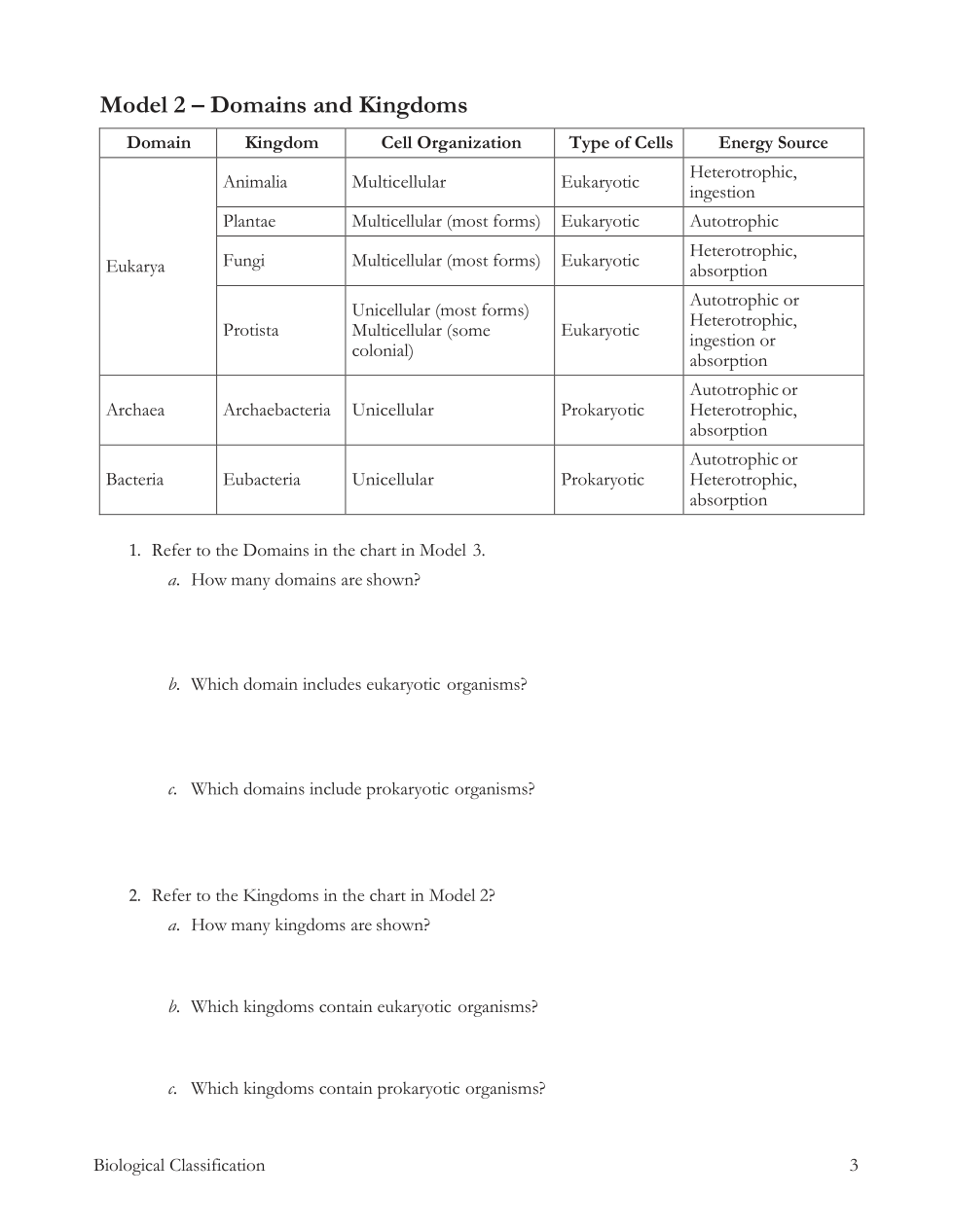
How many domains are seen in the table?

Pitanje 225
225.

Which domain includes eukaryotic organisms?

Pitanje 226
226.

Which two domains include prokaryotic organisms?

Pitanje 227
227.

How many kingdoms are there?

Pitanje 228
228.

Which kingdom does NOT contain eukaryotic organisms?