Log in
Sign up for FREE
arrow_back
Library

1.10 & 1.11 AP African American Studies Unit 1 Quiz

star
star
star
star
star
Last updated 8 months ago
13 questions
Required
1
Required
1
Required
1
Required
1
Required
1
Required
5
Required
1
Required
1
Required
1
Required
1
Required
1
Required
5
Required
5
1.10 Kinship and Political Leadership
1.10 Lecture Video
Question 1
1.

Question 2
2.

Question 3
3.

Question 4
4.

Question 5
5.

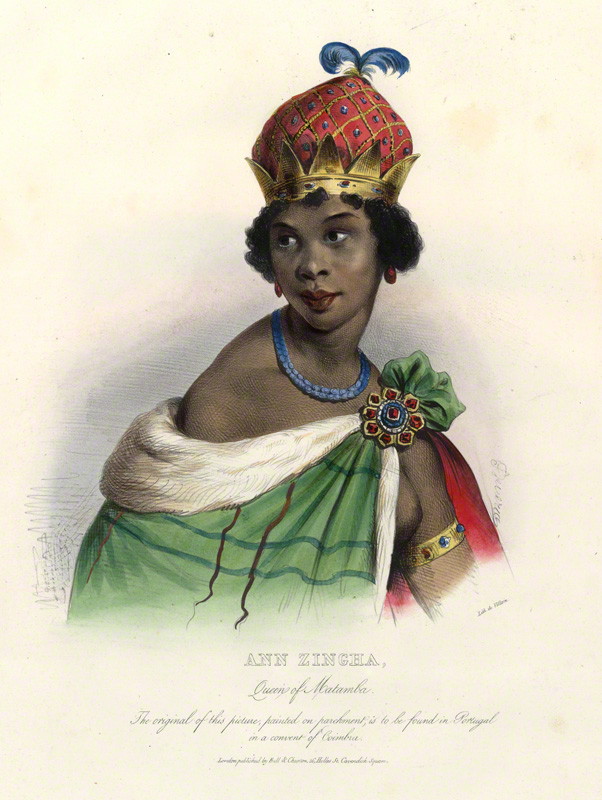
Queen Nzinga
Question 6
6.

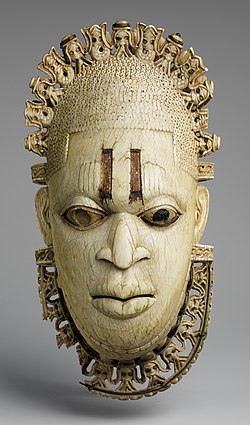
6 Compare the political and military leadership of Queen Idia of Benin and Queen Njinga of Ndongo-Matamba.

1.11 Global Africans: Early European and African Interactions
1.11 Lecture Video
Question 7
7.

Question 8
8.

Question 9
9.

Question 10
10.

Question 11
11.

Question 12
12.

Question 13
13.

1. How did kinship function as a political strategy in early West African societies?
As a method of excluding neighboring communities
As a purely familial connection with no political significance
Through marriage alliances that created potential political connections between villages
By establishing permanent military coalitions
2. In matrinal societies like the Ashanti Kingdom, what unique role did women play in political succession?
Women were completely excluded from political decision-making
Women determined inheritance and succession through the mother's line
Women could only serve as advisers to male leaders
Women were the sole rulers of the kingdom
3. What was a key characteristic of stateless societies in West Africa, such as the Igbo people?
They were organized into autonomous villages with no centralized authority
They were completely isolated from each other
They were ruled exclusively by foreign powers
They were centrally governed by a single monarch
4. How did Queen Idia of Benon contribute to her son's succession to the throne?
She orchestrated her son's succession when he was not next in line
She married her son to a rival royal family
She refused to support her son's claim
She passively accepted the traditional line of succession
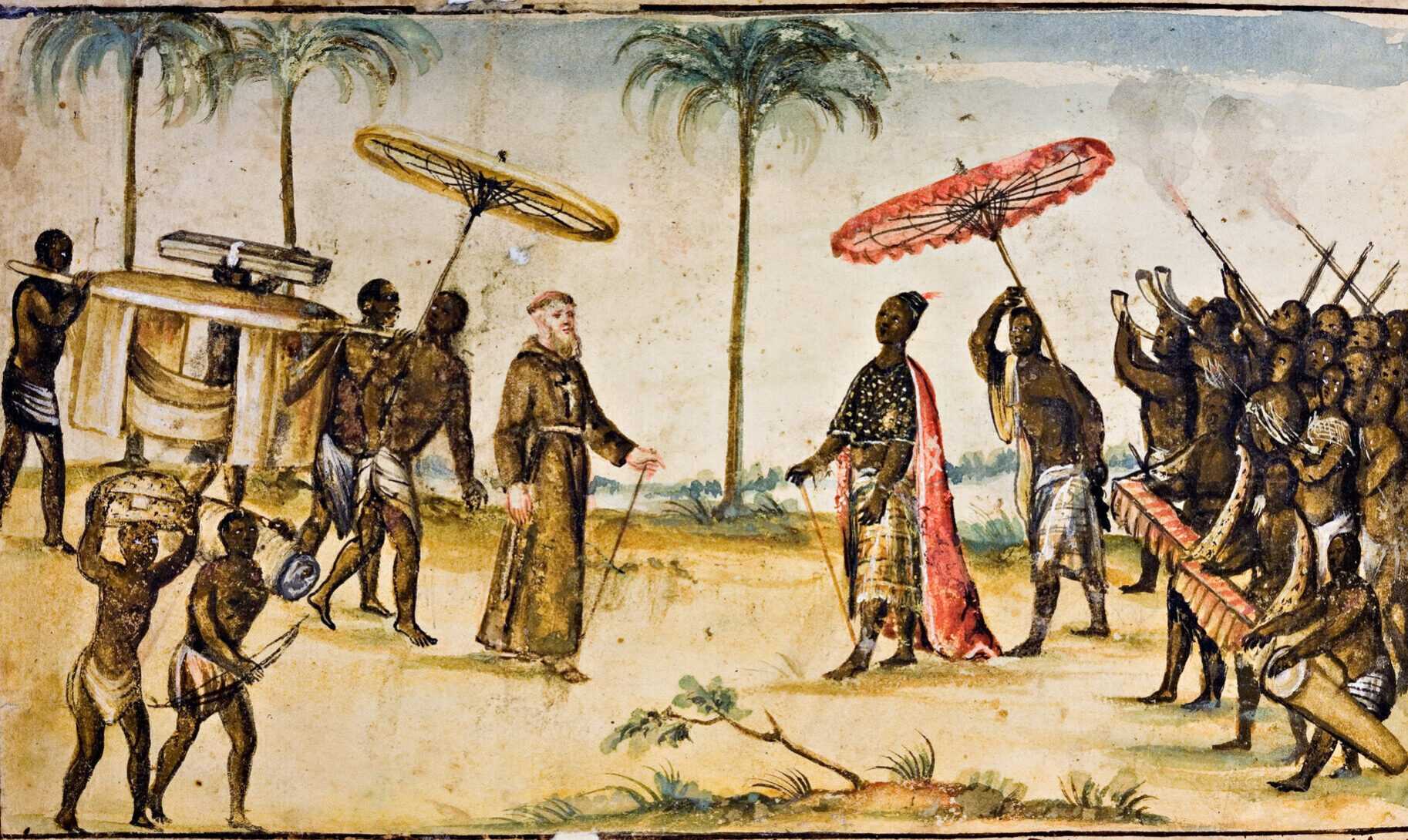
5. What diplomatic strategy did Queen Nzinga employ with the Portuguese?
Converting to Christianity and using it as a diplomatic tool
Complete military confrontation without negotiation
Ignoring Portuguese presence entirely
Immediate surrender to Portuguese demands
7. How did slavery in West African kingdoms differ from the transatlantic slave trade?
Slaves could be integrated and potentially gain freedom
Slaves were based on racial categories
Slaves were exclusively used for agricultural labor
Slavery was permanent and hereditary
8. What made the Atlantic islands of São and Cape Verde strategically important for Portuguese exploration?
Abundant mineral resources
Uninhabited fertile land for plantations
Proximity to European trade routes
Large indigenous populations
9. How did African Elites contribute to European-African interactions?
They engaged in diplomatic missions and cultural exchanges
They only worked as manual laborers
They were prohibited from traveling to Europe
They exclusively served as slaves
10. What was unique about the early Portuguese plantation system on Atlantic islands?
It was primarily focused on grain production
It did not involve sugar cultivation
It became a model for capitalist agricultural production
It used fewer than 100 enslaved workers
11. By 1500, approximately how many enslaved Africans had been removed from their homeland?
10,000
25,000
100,000
50,000