Twa kɔ nsɛm atitiriw so
Log in
Sign up for FREE
arrow_back
Laabri

6.1 Light and Matter Unit Test

star
star
star
star
star
Last updated 8 months ago
55 Nsɛmmisa
1
1
1
1
1
1
1
1
1
1
1
1
1
1
1
1
1
1
1
1
1
1
1
1
1
1
1
1
1
1
1
1
1
1
1
1
1
1
1
1
1
1
1
1
1
1
1
1
1
1
3
6
3
5
3
Asemmisa {{asɛmmisaAhyɛnsode}}
1.

What is our Light and Matter Unit phenomenon?

Asemmisa {{asɛmmisaAhyɛnsode}}
2.

Which of the following is NOT an example of a related phenomenon?

Asemmisa {{asɛmmisaAhyɛnsode}}
3.

We figured out that the side with the light acts more like a   and the side without the light acts more like a  .

Asemmisa {{asɛmmisaAhyɛnsode}}
4.

A system is a related group of objects or components that interact, and we use them to explain science. Which of the following is NOT an important part of the one-way mirror system?

Asemmisa {{asɛmmisaAhyɛnsode}}
5.

True or False? The box system is a model of the one-way mirror system.

Asemmisa {{asɛmmisaAhyɛnsode}}
6.

When developing a Driving Question Board, it is important to come up with questions that will help us understand the phenomenon. Some questions may not be related and may not be as helpful. Which of the following questions is BEST related to understanding how a one-way mirror works?

Asemmisa {{asɛmmisaAhyɛnsode}}
7.

When the light was switched on in the dark room (previous window side) and switched off in the room with the light (previous mirror side), what happened?

Asemmisa {{asɛmmisaAhyɛnsode}}
8.

In order to see any object, what has to happen?

Asemmisa {{asɛmmisaAhyɛnsode}}
9.

What does it mean for light to “reflect”?

Asemmisa {{asɛmmisaAhyɛnsode}}
10.

What does it mean for light to “transmit”?

Asemmisa {{asɛmmisaAhyɛnsode}}
11.

Observe the model below of the amount of light reflecting and transmitting through a material. Use the key to help you choose which of the following materials this model BEST represents.
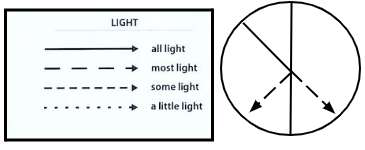
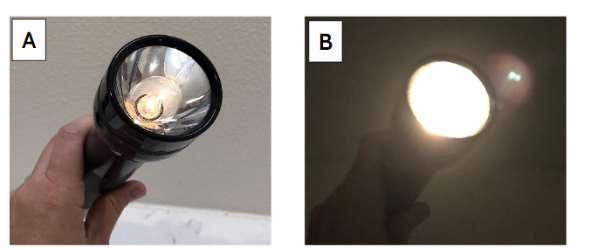
Diagram showing light paths with different line styles indicating all, most, some, and a little light.

Asemmisa {{asɛmmisaAhyɛnsode}}
12.

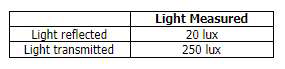
The sample data below represents similar data we collected during our unit. Which of the following materials BEST matches the following data?

Table showing light measured, with 20 lux reflected and 250 lux transmitted.

Asemmisa {{asɛmmisaAhyɛnsode}}
13.

Which statement below explains why the teacher is able to see the music student through the one-way mirror?

Asemmisa {{asɛmmisaAhyɛnsode}}
14.

What is the BEST piece of evidence we have that the one-way mirror’s material is the same on both sides?

Asemmisa {{asɛmmisaAhyɛnsode}}
15.

We used a magnifying glass to model how light refracts when it enters our eyes and passes through the lens. Why is a magnifying glass a great tool to demonstrate this? Pick the BEST answer.

Asemmisa {{asɛmmisaAhyɛnsode}}
16.

Why doesn’t the music student see the teacher even though light is reflecting off of her, transmitting through the one-way mirror, and into the student’s eyes?

Asemmisa {{asɛmmisaAhyɛnsode}}
17.

How is a one-way mirror made differently than a regular mirror?

Asemmisa {{asɛmmisaAhyɛnsode}}
18.

Light interacts with objects in different ways. Based on our data, which material reflects the most light?

Asemmisa {{asɛmmisaAhyɛnsode}}
19.

Light interacts with objects in different ways. Based on our data, which material transmits the most light?

Asemmisa {{asɛmmisaAhyɛnsode}}
20.

Light interacts with objects in different ways. Based on our data, which material reflected a little bit of light?

Asemmisa {{asɛmmisaAhyɛnsode}}
21.

Which of the following claims can we make based on our investigation in Lesson 3?

Asemmisa {{asɛmmisaAhyɛnsode}}
22.

We read about how regular mirrors and one-way mirrors are made. How are one-way mirrors made differently than regular mirrors?

Asemmisa {{asɛmmisaAhyɛnsode}}
23.

What characteristic about one-way mirrors allows light to transmit?

Asemmisa {{asɛmmisaAhyɛnsode}}
24.

The words “opaque” and “transparent” were in our mirror reading. Opaque materials ____________ transmit light, while transparent materials ____________ transmit light.

Asemmisa {{asɛmmisaAhyɛnsode}}
25.

True or False? Materials can be made of different structures that cause different amounts of light to transmit through or reflect off of it.

Asemmisa {{asɛmmisaAhyɛnsode}}
26.

Which is the correct path of light for the music teacher to see the student?

Asemmisa {{asɛmmisaAhyɛnsode}}
27.

What object did we use to model the function of the lens in our eyes?

Asemmisa {{asɛmmisaAhyɛnsode}}
28.

Select the correct path of light through our eyes to see.

Asemmisa {{asɛmmisaAhyɛnsode}}
29.

Comparison of two flashlights, labeled A and B. Image A shows a flashlight with a visible bulb, while image B shows a flashlight that is turned on, emitting bright light.We observed Images Sets in our unit (see below). Which statement below explains why Image B is more visible.
Asemmisa {{asɛmmisaAhyɛnsode}}
30.

Based on what we have learned in this unit, which statement below BEST explains why the music student does not see the teacher?

Asemmisa {{asɛmmisaAhyɛnsode}}
31.

When light hits a one-way mirror, the light and at about an equal rate.

Asemmisa {{asɛmmisaAhyɛnsode}}
32.

Glass is because it allows most light to pass through it.

Asemmisa {{asɛmmisaAhyɛnsode}}
33.

When light bounces, it ______, when light bends it ______, and when light passes through, it ______.

Asemmisa {{asɛmmisaAhyɛnsode}}
34.

_______ matter is clear and can be seen through.

Asemmisa {{asɛmmisaAhyɛnsode}}
35.

Scientific Question: Do sunflowers grow taller in direct sunlight or partial sunlight?
What is the independent variable?

Asemmisa {{asɛmmisaAhyɛnsode}}
36.

Scientific Question: Do sunflowers grow taller in direct sunlight or partial sunlight?
What is the dependent variable?

Asemmisa {{asɛmmisaAhyɛnsode}}
37.

Scientific Question: Do sunflowers grow taller in direct sunlight or partial sunlight?
What is the controlled variable?

Asemmisa {{asɛmmisaAhyɛnsode}}
38.

Anything you can change that might affect the outcome of an experiment.

Asemmisa {{asɛmmisaAhyɛnsode}}
39.

A regular mirror is an example of a material that is because it doesn't allow light to pass through it.

Asemmisa {{asɛmmisaAhyɛnsode}}
40.

are made up of parts of a phenomenon (for example: a one-way mirror, lights, objects, and two rooms).

Asemmisa {{asɛmmisaAhyɛnsode}}
41.

When light hits glass, more light than .

Asemmisa {{asɛmmisaAhyɛnsode}}
42.

are helpful because they represent something in the real world that we can study to gain a better understanding.

Asemmisa {{asɛmmisaAhyɛnsode}}
43.

When light moves from the air and through a different transparent material, it changes direction and .

Asemmisa {{asɛmmisaAhyɛnsode}}
44.

Light is focused by the and onto your retina so you can see your reflection in a one-way mirror.

Asemmisa {{asɛmmisaAhyɛnsode}}
45.

What can be concluded about light and vision from the class investigations?

Asemmisa {{asɛmmisaAhyɛnsode}}
46.

What causes someone to be nearsighted?

Asemmisa {{asɛmmisaAhyɛnsode}}
47.

Why does the iris change the size of the pupil?

Asemmisa {{asɛmmisaAhyɛnsode}}
48.

Based on the inputs to their eyes, what would the music student expect to see?

Asemmisa {{asɛmmisaAhyɛnsode}}
49.

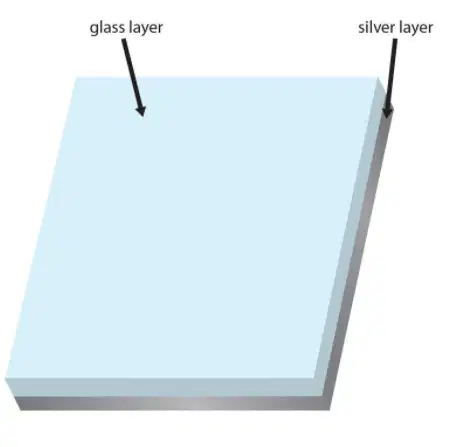
Quiz imageWhat is the purpose of the silver layer and black backing behind the glass on a regular mirror?
Asemmisa {{asɛmmisaAhyɛnsode}}
50.

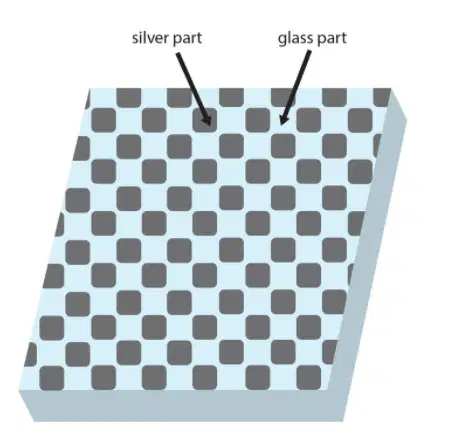
Quiz imageThe silver grid on the front of the one-way mirror allows...
Asemmisa {{asɛmmisaAhyɛnsode}}
51.

Match the vocabulary terms to their definitions

Draggable itemarrow_right_altCorresponding Item

model

arrow_right_alt

the layer of cells at the back of the eye that receives light and sends signals to the brain about what is being seen

retina

arrow_right_alt

the nerve that carries signals from the eye to the brain about what is being seen

optic nerve

arrow_right_alt

a simplified version of something that is used to help understand how the real thing works

Asemmisa {{asɛmmisaAhyɛnsode}}
52.

Match the vocab word to their definition

Draggable itemarrow_right_altCorresponding Item

scale model

arrow_right_alt

an object that gives off light

opaque

arrow_right_alt

a smaller version of something that is made to be the same as the larger version in every important way, but is smaller in size

silvering

arrow_right_alt

to bend light as it passes through a different medium

transparent

arrow_right_alt

a thin layer of silver or other reflective material that is applied to the back of the mirror to make it reflective

light source

arrow_right_alt

means that light can pass through something, and you can see through it

refract

arrow_right_alt

means the light cannot pass through it and you cannot see through it

Asemmisa {{asɛmmisaAhyɛnsode}}
53.

Match the following terms to their definitions

Draggable itemarrow_right_altCorresponding Item

experimental question

arrow_right_alt

a variable in an experiment that is changed by the person doing the experiment

independent variable

arrow_right_alt

a variable that is being measured in an experiment and is affected by the independent variable

dependent variable

arrow_right_alt

a question that is being asked or tested in an experiment

Asemmisa {{asɛmmisaAhyɛnsode}}
54.

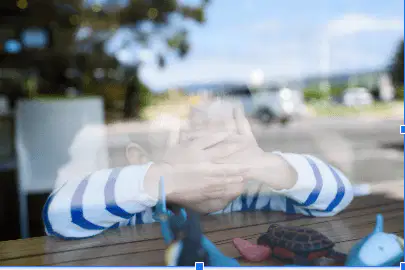
Quiz imageWhat path of light allows us to see the vehicle in the reflection?

Asemmisa {{asɛmmisaAhyɛnsode}}
55.

Explain the shape of the eye and what a person sees if they are "farsighted"