READINGEvery Sunday morning, Lisa goes shopping to prepare for the week.
She always makes a list before going to the supermarket.
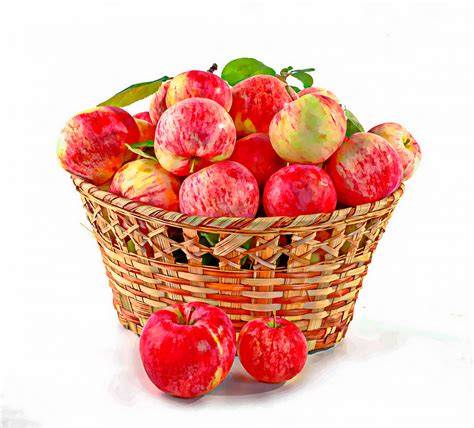
On her list, there are a few apples, some oranges, and a lot of vegetables.
Lisa doesn’t buy much meat, but she always gets some fish.
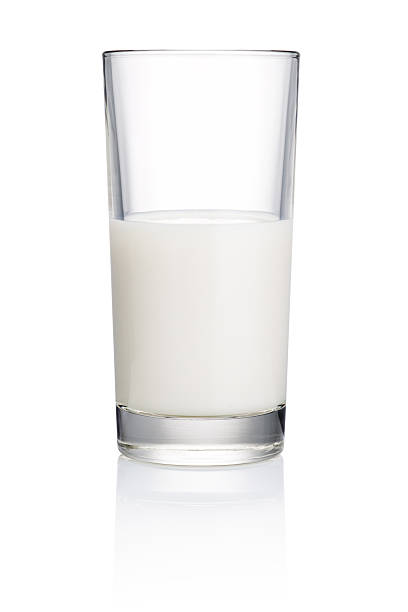
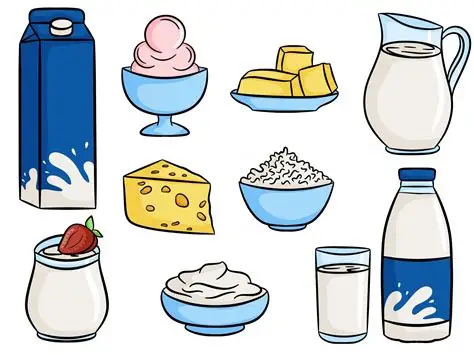
She also buys a little rice and a few bottles of milk.
Lisa loves cooking, so she spends time choosing fresh ingredients.
She never buys many sweets or any junk food, because she wants to stay healthy.
At home, she puts everything in order: vegetables in the fridge, rice in the cupboard, and fruit on the table.
She says, “When I see a lot of fresh food, I feel happy and ready for the week!”
Prepare — to get ready for something. (подготовиться)
List — a written set of things to remember or buy. (список)
Vegetables — food like carrots, potatoes, or cucumbers. (овощи)
Ingredients — foods used to make a meal. (ингредиенты)
Junk food — unhealthy food like chips or soda. (вредная еда)
Cupboard — a piece of furniture for storing food or dishes. (шкаф, буфет)
Fridge — a cold place to keep food fresh. (холодильник)
Healthy — good for your body. (полезный)
A few — a small number. (несколько)
A little — a small amount. (немного)
Read the text and decide if the statements are True or False.
Lisa goes shopping every Sunday.
She buys a lot of meat.
She never buys vegetables.
She likes cooking.
She keeps fruit in the fridge.
Choose the correct answer.
What does Lisa always make before shopping?
What does Lisa buy a lot of?
Where does she put rice?
What does she buy a few of?
What doesn’t she buy much of?
What does she always get?
Arrange the sentences in the correct order as in the text.
Lisa goes shopping.
She puts food in its place.
She feels happy for the week.
She goes home.
She makes a list.
She buys fruits, vegetables, and fish.
Answer the questions using full sentences.
What does Lisa do every Sunday morning?
What does she always make before shopping?
What fruits does she buy?
Does she buy much meat?
What kind of food doesn’t she buy?
Lisa doesn’t buy ___ meat.
She has ___ milk in the fridge.
There aren’t ___ sweets in her house
She buys ___ vegetables every week.
Countable: | Uncountable: | |
|---|---|---|
apple | ||
rice | ||
milk | ||
egg | ||
water | ||
bread | ||
carrot | ||
fish | ||
sugar | ||
orange |
Do you have ___ rice?
Choose the correct option to complete the sentence.
There isn’t ___ rice in the cupboard.
I have ___ bottles of milk.
Are there ___ oranges left?
She eats ___ vegetables every day.
We need ___ water for cooking.
| Draggable item | arrow_right_alt | Corresponding Item |
|---|---|---|
I don’t have ___ oranges. | arrow_right_alt | much |
He added ___ sugar to his tea | arrow_right_alt | many |
She bought ___ books yesterday. | arrow_right_alt | some |
We have ___ friends in Paris | arrow_right_alt | any |
Can I have ___ coffee, please? | arrow_right_alt | a little |
I don’t have ___ money. | arrow_right_alt | a few |
Look at the pictures and choose the correct sentence.


The narrator went shopping in a supermarket.
Anna’s vegetables were organic.
The narrator bought cheese and yogurt.
The strawberries were not fresh.
The narrator made soup after coming home.
Choose the correct answer.
Where did the narrator go?
What did Anna sell?
What did the narrator do with the food at home?
Match the activity to the correct time or reason.
| Draggable item | arrow_right_alt | Corresponding Item |
|---|---|---|
Bought chocolate | arrow_right_alt | In the morning |
Made breakfast | arrow_right_alt | On the way to supermarket |
Met Tom | arrow_right_alt | Because she needed milk |
Went shopping | arrow_right_alt | It was on sale |
Put the events in the correct order.
Lisa went shopping
Lisa made breakfast
Lisa met Tom
Lisa cleaned the kitchen
Answer in one word.
What did Lisa drink for breakfast?
Who did she meet?
What time was it when she finished?
What was the dog’s name?
What did she buy besides milk?
The speaker says that being healthy is very complicated.
People should eat more fruits and vegetables.
Drinking a lot of water is important for your body.
The speaker recommends sleeping only five hours a night.
You can stay healthy even with small steps every day.
The speaker says you must go to the gym every day.
Choose the correct answer for each question.
What is the main topic of the listening?
What kind of food should people avoid?
How many glasses of water should you drink daily?
What does the speaker say about sleep?
What can count as exercise?
Match each phrase on the left with the correct ending on the right.
| Draggable item | arrow_right_alt | Corresponding Item |
|---|---|---|
Avoid eating too much… | arrow_right_alt | ... keep your body strong and full of energy. |
Sleep at least seven… | arrow_right_alt | sugar and junk food. |
Eat a lot of… | arrow_right_alt | …helps you stay fresh and healthy. |
Walking or dancing… | arrow_right_alt | …hours every night. |
Drink plenty of... | arrow_right_alt | ...counts as physical activity |
Write sentences using the words in brackets. Use correct grammar.
Instruction: Write full sentences using the words in brackets.
Use countable / uncountable nouns and quantifiers (some, a few, a little, many, much, etc.).
(apples / buy / every week)
(milk / not drink / much)
(vegetables / eat / a lot of)
(sweets / not eat / many)
(rice / have / a little)
Write a short paragraph about your weekly shopping routine.
Instruction:
Write 6–8 sentences about what you usually buy every week.
Use quantifiers and countable/uncountable nouns (for example: some, a few, much, a lot of, etc.).
Example answer:
Every weekend, I go shopping with my mother. We usually buy some fruit and vegetables. I always buy a few apples and some oranges. My mother doesn’t buy much meat, but she always gets some fish. We also buy a little rice and a lot of milk. I never buy many sweets because I want to eat healthy food.
Answer key: Teacher checks grammar, structure, and correct use of quantifiers.
Instruction:
Write 5–6 sentences about what you usually buy when you go shopping.
Use countable and uncountable nouns and quantifiers (some, a few, a lot of, much, etc.).
Example answer:
Every Sunday, I go shopping for healthy food. I buy some apples, a few oranges, and a lot of vegetables. I don’t buy much meat, but I always get some fish. I also buy a little rice and some milk. I like shopping for healthy food because it makes me feel good.
Teacher key: checks grammar, quantifiers, sentence variety, and vocabulary use.
Instruction:
Write 7–9 sentences explaining why eating healthy food is important.
Give examples of healthy and unhealthy food.
Example answer:
Eating healthy food is very important for our body and mind. It gives us energy and helps us stay strong. For example, fruits and vegetables have vitamins that keep us healthy. Junk food, like chips and soda, is not good because it has too much sugar and fat. When I eat healthy food, I feel more active and focused. Everyone should try to eat more natural food and drink enough water every day.
Teacher key: evaluate content relevance, coherence, and correct grammar.