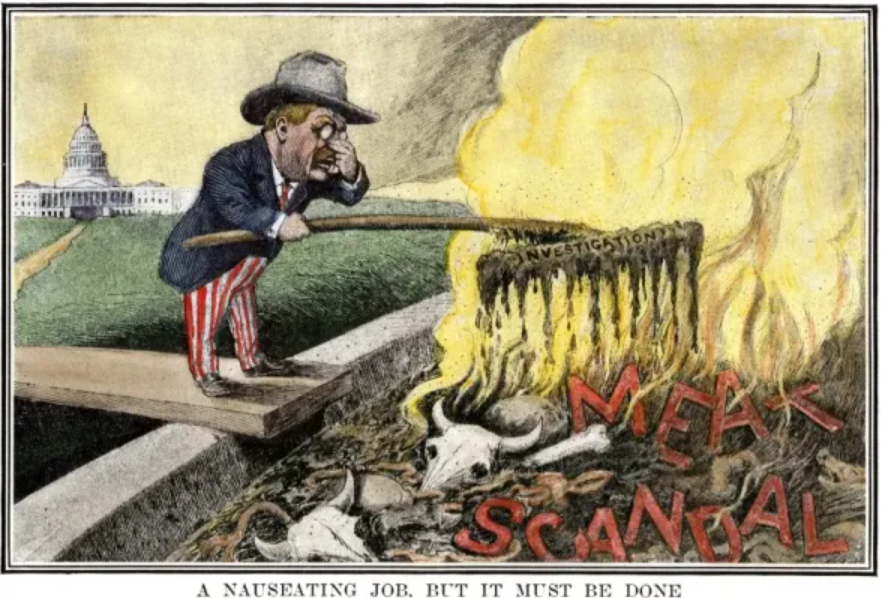
Document 1
Document 2

Document 3

How do Document 1, Document 2, and Document 3 demonstrate the goals of the Progressive movement?
Document 1
Document 2

Document 3

We can determine that Document 1, Document 2, and Document 3 were effective in their messaging by examining which of the following events?
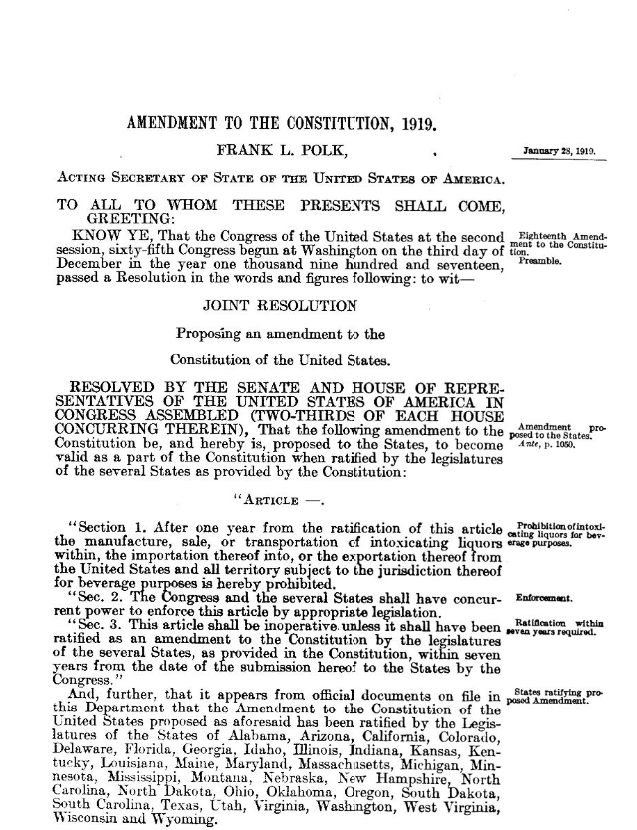
Document 4
The amendment in Document 4 is a result of…
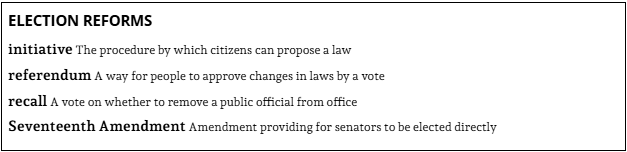
Document 5

Document 5 lists various ways that elections were reformed during the Progressive era. These reforms attempted to address which of the following Gilded Age problems?
Document 5

Which of the following statements best describes what each of the four election reforms listed in Document 5 have in common?
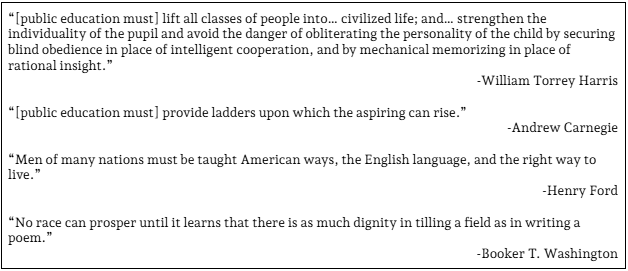
Document 6
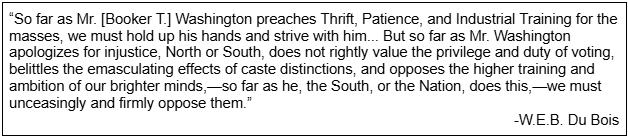
Which of the following statements is best supported by the quotes in Document 6?
Document 6
Based on his quote from Document 6, what is unique about Booker T. Washington’s views on public education?
Document 7

Document 8

Based on the quote in Document 7, to whom is Booker T. Washington speaking?
Document 7

Document 8

According to the quotes in Document 7 and Document 8, which of the following statements is most correct?
Document 9

Document 10

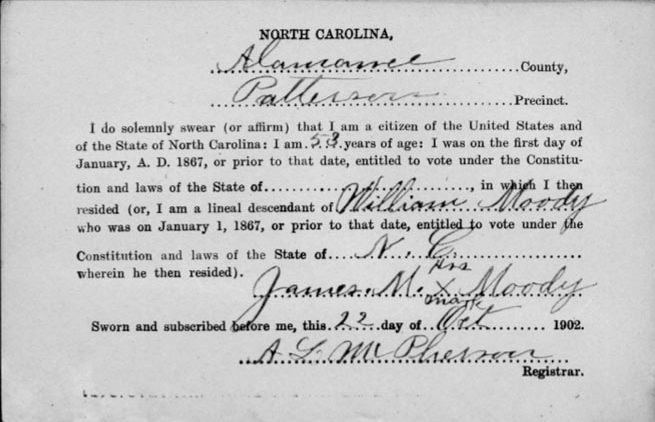
Which of the following people would have been unable to vote based on the provisions laid out in Document 9?
Document 9

Document 10

Document 9 and Document 10 are the result of…
Document 11
PLESSY V. FERGUSON Eventually a legal case reached the U.S. Supreme Court to test the constitutionality of segregation. In 1892 Homer Plessy took a seat in the "Whites Only" car of a train and refused to move. He was arrested, tried, and convicted in the District Court of New Orleans for breaking Louisiana's segregation law. Plessy appealed, claiming that he had been denied equal protection under the law. Moreover, he claimed that, being “of mixed descent," he was entitled to "every recognition, right, privilege and immunity secured to the citizens of the United States of the white race." The Supreme Court handed down its decision on May 18, 1896. It ruled that the separation of races in public accommodations was legal and did not violate the Fourteenth Amendment. Justice Henry Brown, writing the court’s majority opinion, ruled:
"The object of the [Fourteenth] amendment was... undoubtedly to enforce the absolute equality of the two races before the law, but... it could not have been intended to abolish distinctions based upon color, or to enforce social, as distinguished from political equality, or a commingling of the two races upon terms unsatisfactory to either. Laws permitting, and even requiring, their separation in places where they are liable to be brought into contact do not necessarily imply the inferiority of either race to the other."
-Justice Henry Brown
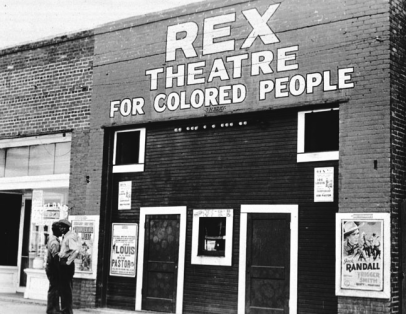
In truth, segregation laws did perpetrate an unequal and inferior status for African Americans. Justice John Marshall Harlan understood this fact and dissented from the majority opinion. He wrote, "In respect of civil rights, all citizens are equal before the law." He condemned the majority for letting "the seeds of race hate ... be planted under the sanction of law." He also warned that "The thin disguise of 'equal' accommodations... will not mislead any one, nor atone for Harlan the wrong this day done." The decision established the doctrine of "separate but equal." As a result, city and state governments across the South – and in some other states – maintained their segregation laws for nearly 60 years. These laws limited African Americans’ access to most public facilities, including restaurants, schools, and hospitals. Without exception, the facilities reserved for whites were superior to those reserved for nonwhites. Signs reading “Colored Only” and “Whites Only” served as constant reminders that facilities in segregated societies were separate but not equal.
According to Document 11, Homer Plessy was arrested for…
Document 11
PLESSY V. FERGUSON Eventually a legal case reached the U.S. Supreme Court to test the constitutionality of segregation. In 1892 Homer Plessy took a seat in the "Whites Only" car of a train and refused to move. He was arrested, tried, and convicted in the District Court of New Orleans for breaking Louisiana's segregation law. Plessy appealed, claiming that he had been denied equal protection under the law. Moreover, he claimed that, being “of mixed descent," he was entitled to "every recognition, right, privilege and immunity secured to the citizens of the United States of the white race." The Supreme Court handed down its decision on May 18, 1896. It ruled that the separation of races in public accommodations was legal and did not violate the Fourteenth Amendment. Justice Henry Brown, writing the court’s majority opinion, ruled:
"The object of the [Fourteenth] amendment was... undoubtedly to enforce the absolute equality of the two races before the law, but... it could not have been intended to abolish distinctions based upon color, or to enforce social, as distinguished from political equality, or a commingling of the two races upon terms unsatisfactory to either. Laws permitting, and even requiring, their separation in places where they are liable to be brought into contact do not necessarily imply the inferiority of either race to the other."
-Justice Henry Brown
In truth, segregation laws did perpetrate an unequal and inferior status for African Americans. Justice John Marshall Harlan understood this fact and dissented from the majority opinion. He wrote, "In respect of civil rights, all citizens are equal before the law." He condemned the majority for letting "the seeds of race hate ... be planted under the sanction of law." He also warned that "The thin disguise of 'equal' accommodations... will not mislead any one, nor atone for Harlan the wrong this day done." The decision established the doctrine of "separate but equal." As a result, city and state governments across the South – and in some other states – maintained their segregation laws for nearly 60 years. These laws limited African Americans’ access to most public facilities, including restaurants, schools, and hospitals. Without exception, the facilities reserved for whites were superior to those reserved for nonwhites. Signs reading “Colored Only” and “Whites Only” served as constant reminders that facilities in segregated societies were separate but not equal.
What does Justice Henry Brown mean when he states "...a commingling of the two races upon terms unsatisfactory to either," in Document 11?
Document 11
PLESSY V. FERGUSON Eventually a legal case reached the U.S. Supreme Court to test the constitutionality of segregation. In 1892 Homer Plessy took a seat in the "Whites Only" car of a train and refused to move. He was arrested, tried, and convicted in the District Court of New Orleans for breaking Louisiana's segregation law. Plessy appealed, claiming that he had been denied equal protection under the law. Moreover, he claimed that, being “of mixed descent," he was entitled to "every recognition, right, privilege and immunity secured to the citizens of the United States of the white race." The Supreme Court handed down its decision on May 18, 1896. It ruled that the separation of races in public accommodations was legal and did not violate the Fourteenth Amendment. Justice Henry Brown, writing the court’s majority opinion, ruled:
"The object of the [Fourteenth] amendment was... undoubtedly to enforce the absolute equality of the two races before the law, but... it could not have been intended to abolish distinctions based upon color, or to enforce social, as distinguished from political equality, or a commingling of the two races upon terms unsatisfactory to either. Laws permitting, and even requiring, their separation in places where they are liable to be brought into contact do not necessarily imply the inferiority of either race to the other."
-Justice Henry Brown
In truth, segregation laws did perpetrate an unequal and inferior status for African Americans. Justice John Marshall Harlan understood this fact and dissented from the majority opinion. He wrote, "In respect of civil rights, all citizens are equal before the law." He condemned the majority for letting "the seeds of race hate ... be planted under the sanction of law." He also warned that "The thin disguise of 'equal' accommodations... will not mislead any one, nor atone for Harlan the wrong this day done." The decision established the doctrine of "separate but equal." As a result, city and state governments across the South – and in some other states – maintained their segregation laws for nearly 60 years. These laws limited African Americans’ access to most public facilities, including restaurants, schools, and hospitals. Without exception, the facilities reserved for whites were superior to those reserved for nonwhites. Signs reading “Colored Only” and “Whites Only” served as constant reminders that facilities in segregated societies were separate but not equal.
According to Document 11, Justice John Marshall Harlan…
Document 11
PLESSY V. FERGUSON Eventually a legal case reached the U.S. Supreme Court to test the constitutionality of segregation. In 1892 Homer Plessy took a seat in the "Whites Only" car of a train and refused to move. He was arrested, tried, and convicted in the District Court of New Orleans for breaking Louisiana's segregation law. Plessy appealed, claiming that he had been denied equal protection under the law. Moreover, he claimed that, being “of mixed descent," he was entitled to "every recognition, right, privilege and immunity secured to the citizens of the United States of the white race." The Supreme Court handed down its decision on May 18, 1896. It ruled that the separation of races in public accommodations was legal and did not violate the Fourteenth Amendment. Justice Henry Brown, writing the court’s majority opinion, ruled:
"The object of the [Fourteenth] amendment was... undoubtedly to enforce the absolute equality of the two races before the law, but... it could not have been intended to abolish distinctions based upon color, or to enforce social, as distinguished from political equality, or a commingling of the two races upon terms unsatisfactory to either. Laws permitting, and even requiring, their separation in places where they are liable to be brought into contact do not necessarily imply the inferiority of either race to the other."
-Justice Henry Brown
In truth, segregation laws did perpetrate an unequal and inferior status for African Americans. Justice John Marshall Harlan understood this fact and dissented from the majority opinion. He wrote, "In respect of civil rights, all citizens are equal before the law." He condemned the majority for letting "the seeds of race hate ... be planted under the sanction of law." He also warned that "The thin disguise of 'equal' accommodations... will not mislead any one, nor atone for Harlan the wrong this day done." The decision established the doctrine of "separate but equal." As a result, city and state governments across the South – and in some other states – maintained their segregation laws for nearly 60 years. These laws limited African Americans’ access to most public facilities, including restaurants, schools, and hospitals. Without exception, the facilities reserved for whites were superior to those reserved for nonwhites. Signs reading “Colored Only” and “Whites Only” served as constant reminders that facilities in segregated societies were separate but not equal.
In the case of Plessy v. Ferguson (1896), discussed in Document 11, the Supreme Court ruled that?
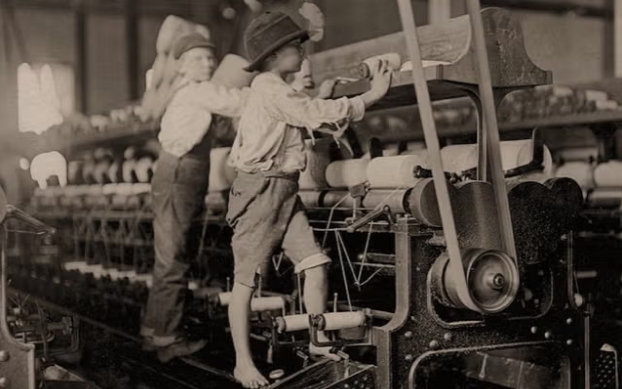
Document 12

Document 13

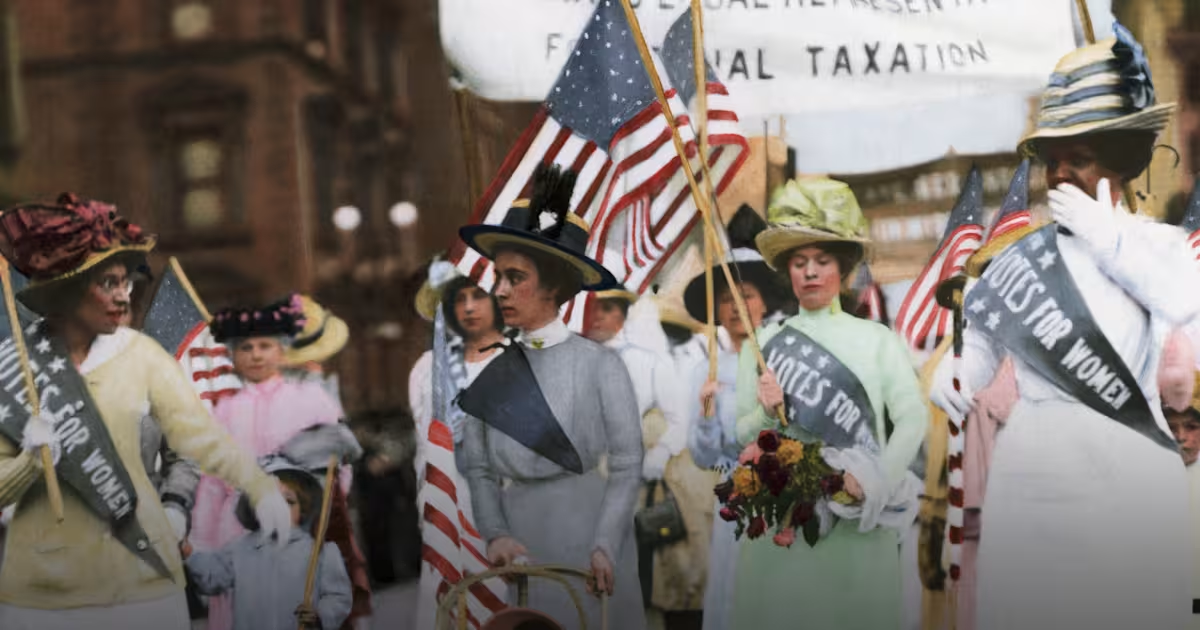
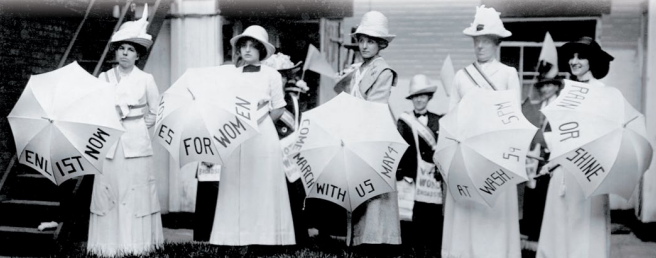
The women in Document 12 and Document 13 are fighting for suffrage. Based on the information presented in the photographs, “suffrage” most nearly means…
Document 12

Document 13

Which of the following best demonstrates the success of the women’s suffrage movement?
Document 14

Document 15

Document 16

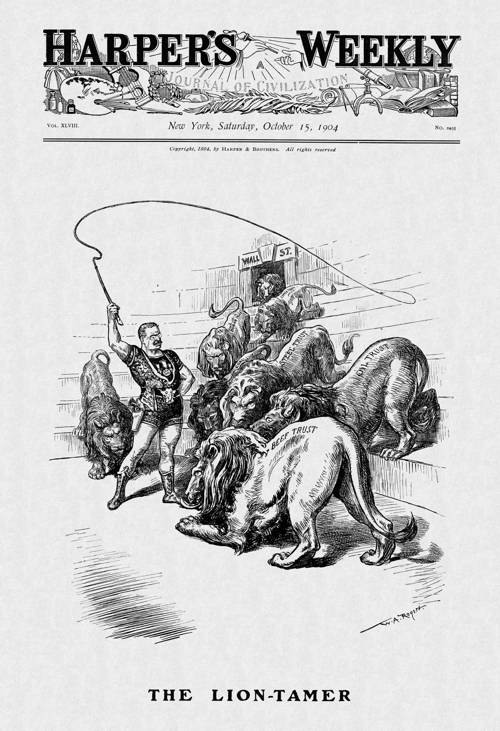
Based on Document 14, it can be inferred that President Theodore Roosevelt…
Document 14

Document 15

Document 16

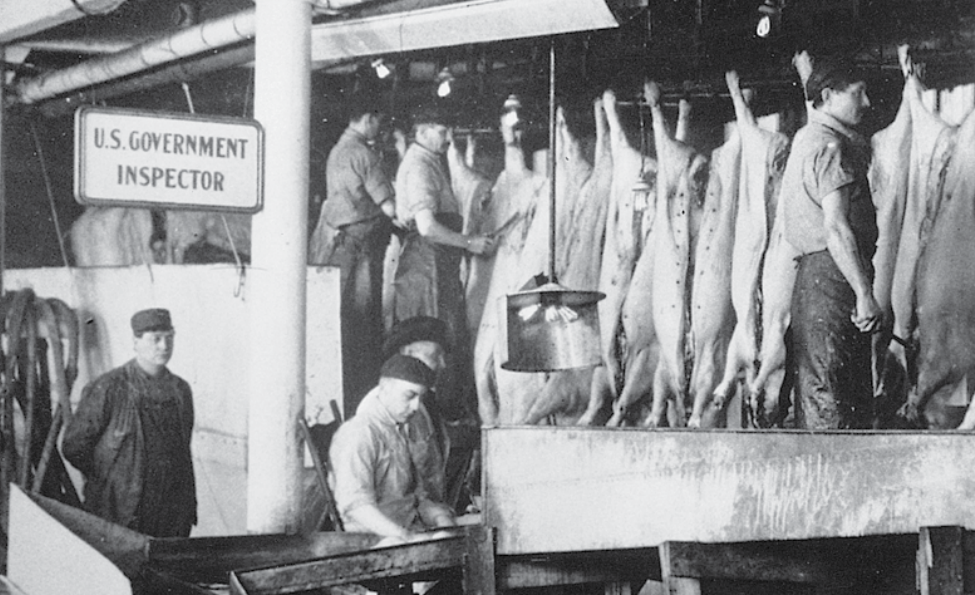
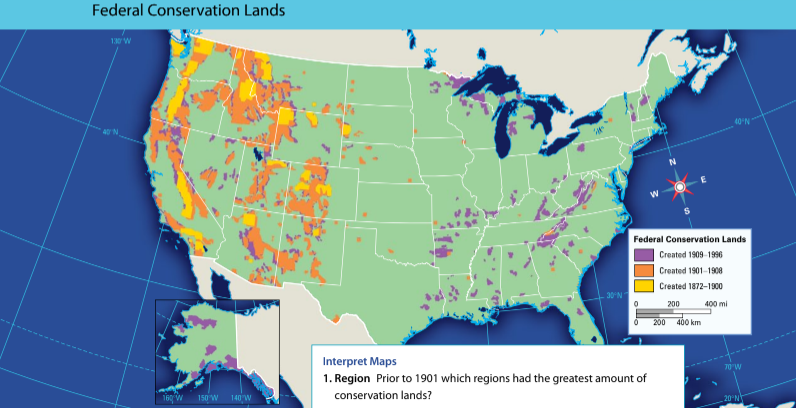
Based on Document 14, Document 15, and Document 16, which of the following statements about President Theodore Roosevelt’s Square Deal is the most correct?
Which of the following statements (pick 2) best describe the goals of the Progressive movement?