Label the following brain with the following topics:
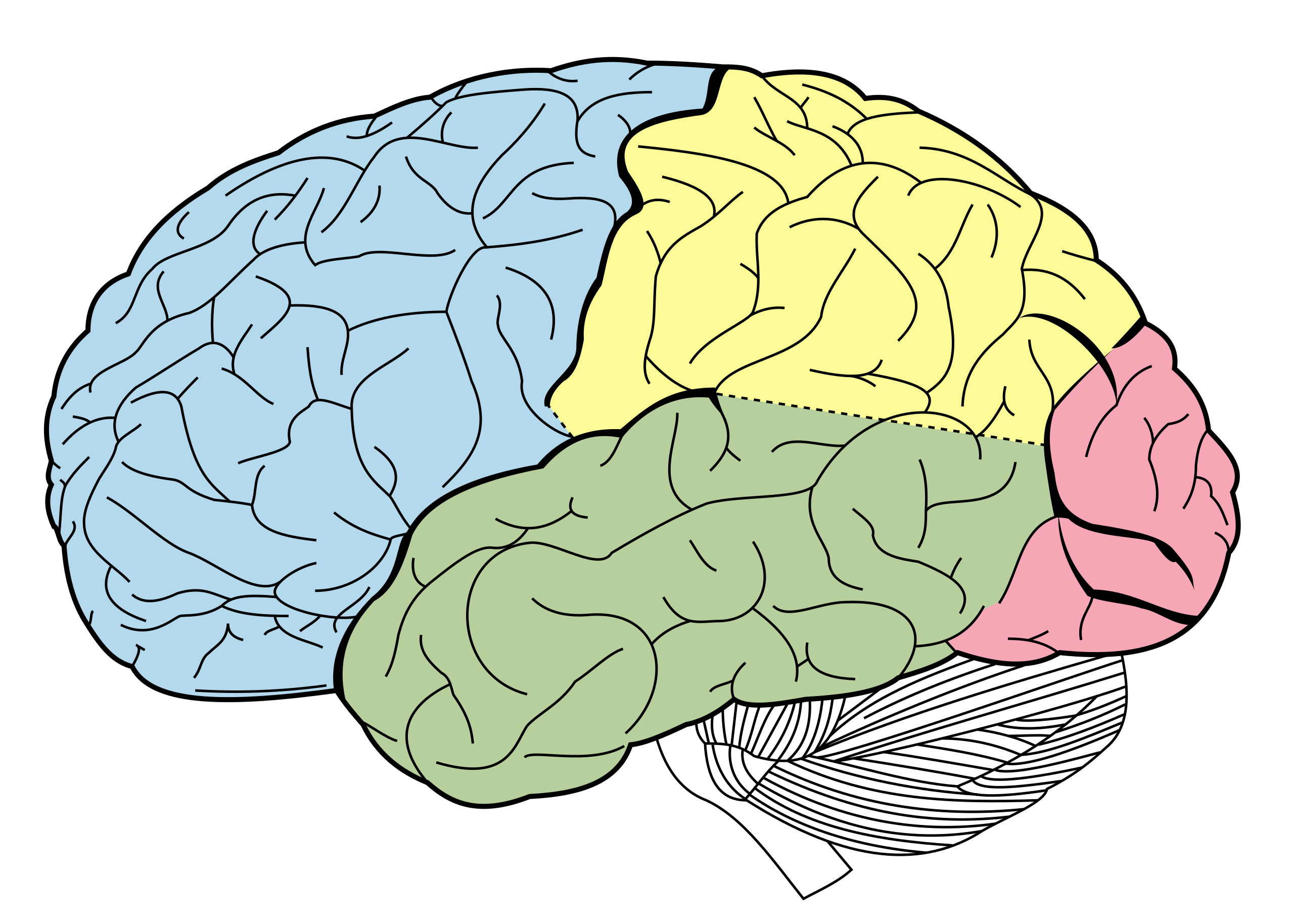
Mmuae Afoforo a Wobɛpaw:
Frontal Lobe
Temporal Lobe
Parietal Lobe
Cerebellum
Occipital Lobe
Brain Stem
Cerebrum
This formative explores the basic functions and structures of the human nervous system, how it processes stimuli, and the major diseases related to it. Students will gain a foundational understanding suitable for high school freshmen.
This formative explores the basic functions and structures of the human nervous system, how it processes stimuli, and the major diseases related to it. Students will gain a foundational understanding suitable for high school freshmen.
What is one of the basic functions of the nervous system?
How does the nervous system receive sensory input?
Sensory nerves detect stimuli and send impulses to the central nervous system.
Which part of the body interprets the incoming nerve impulses?
Match the brain structures with their functions.
| Draggable item | arrow_right_alt | Corresponding Item |
|---|---|---|
Brain stem | arrow_right_alt | Controls voluntary actions |
Cerebrum | arrow_right_alt | Maintains balance |
Cerebellum | arrow_right_alt | Regulates basic functions like breathing |
What type of receptors respond to mechanical pressure or distortion?
Which receptors are primarily responsible for detecting chemicals, like taste and smell?
What is the primary function of photoreceptors in the eye?
Photoreceptors are most directly associated with which sense?
Label the following brain with the following topics:
Frontal Lobe
Temporal Lobe
Parietal Lobe
Cerebellum
Occipital Lobe
Brain Stem
Cerebrum
What is the primary function of the spinal cord?
Where is cerebrospinal fluid primarily located?
What is the purpose of the meninges?
Which structure produces cerebrospinal fluid?
Match the correct term to its location
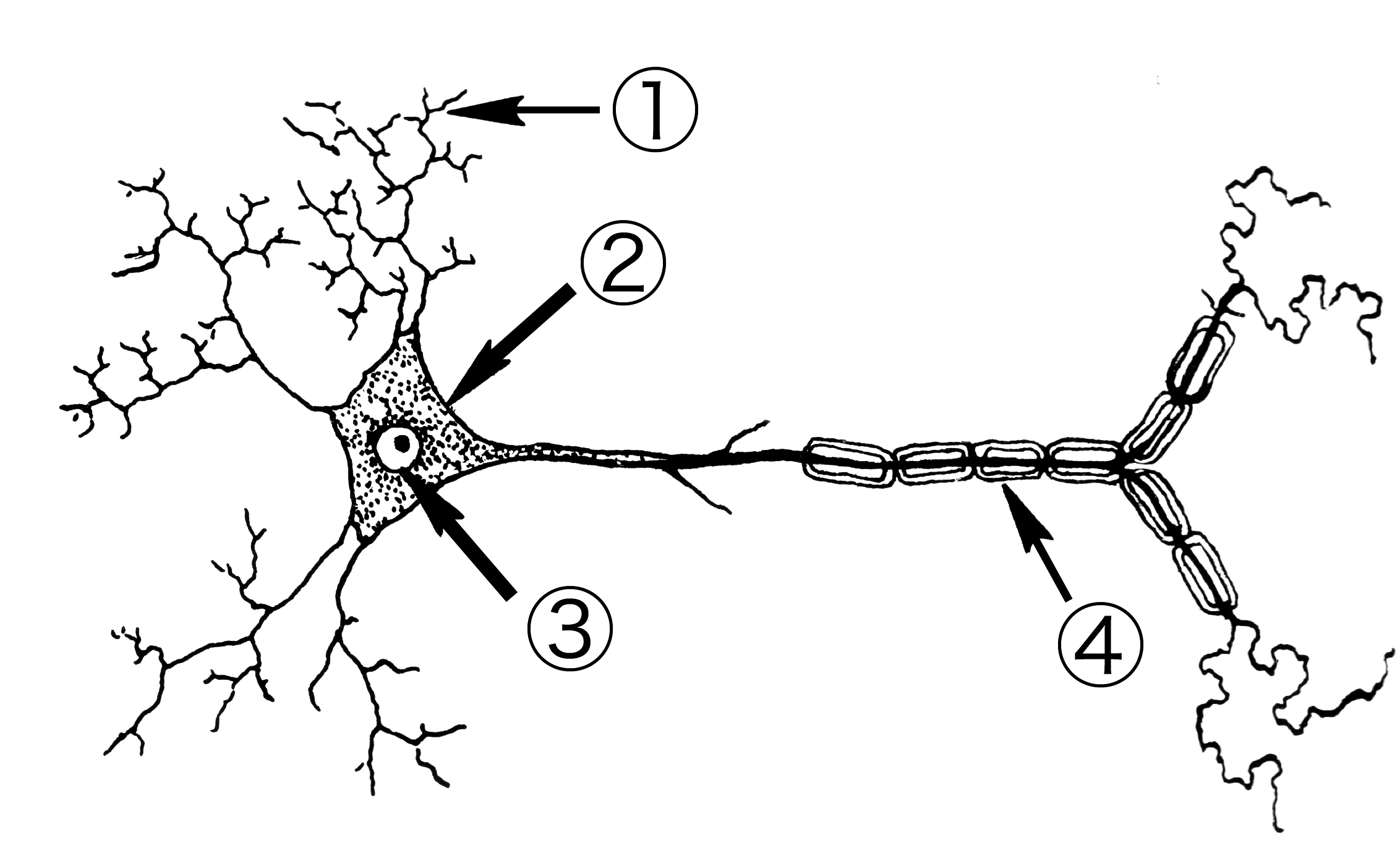
Myelin Sheath
Axon Terminal
Which symptom is most associated with meningitis?
How is bacterial meningitis typically treated?
What is a common cause of epilepsy?
Which symptom is often associated with an epilepsy seizure?
What is a typical treatment option for epilepsy?
Which sign may indicate someone is having a seizure?
What is a common sign of a concussion after injury?
Which activity could potentially cause a concussion?
What symptom is often reported by individuals with a concussion?
What is a common treatment approach for concussions?
What can cause a cerebrovascular accident (stroke)?
Which symptom is often associated with a stroke?
What is a common treatment for stroke patients?
Match the disorder to its discription
| Draggable item | arrow_right_alt | Corresponding Item |
|---|---|---|
Concussion | arrow_right_alt | Infection of the meninges or layers of tissue that surround the brain and spinal cord |
Stroke ( CVA ) | arrow_right_alt | Condition characterized by active or inactive seizures, typically as a result of extreme stimulus |
Epilepsy | arrow_right_alt | The brain becomes "bruised" due to excessive physical activity that affected the brain through impact. |
Meningitis | arrow_right_alt | Characterized by a sudden onset of symptoms, inability to speak, remember where they are, move one half of the body, ect. typically found in elderly patients |