
Ɛhia
1
In this energy pyramid, which organisms have the most energy available?
In this energy pyramid, which organisms have the most energy available?
Ɛhia
1
In an energy pyramid, energy __________ as you move up the pyramid.
In this energy pyramid, which organisms have the most energy available?
The 10% rule states that 10% of energy moves from each trophic level to the next.
In the pyramid, if the producers level contains 1234 kilocalories, how many kilocalories are transferred to the primary consumer level?
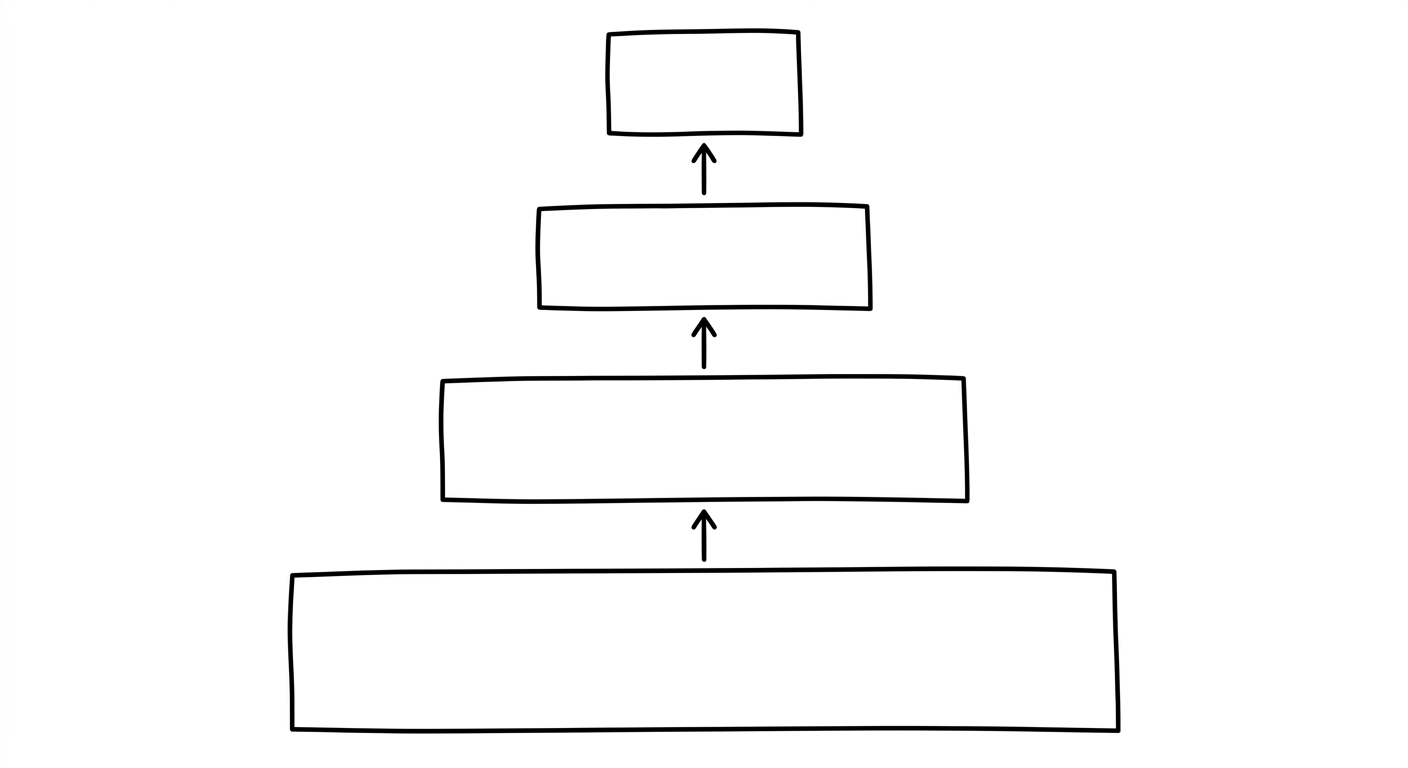
The diagram is intended to show relationships in an ecosystem. What do the arrows represent?
A pyramid shape is used to show the amount of available energy at each trophic level because …
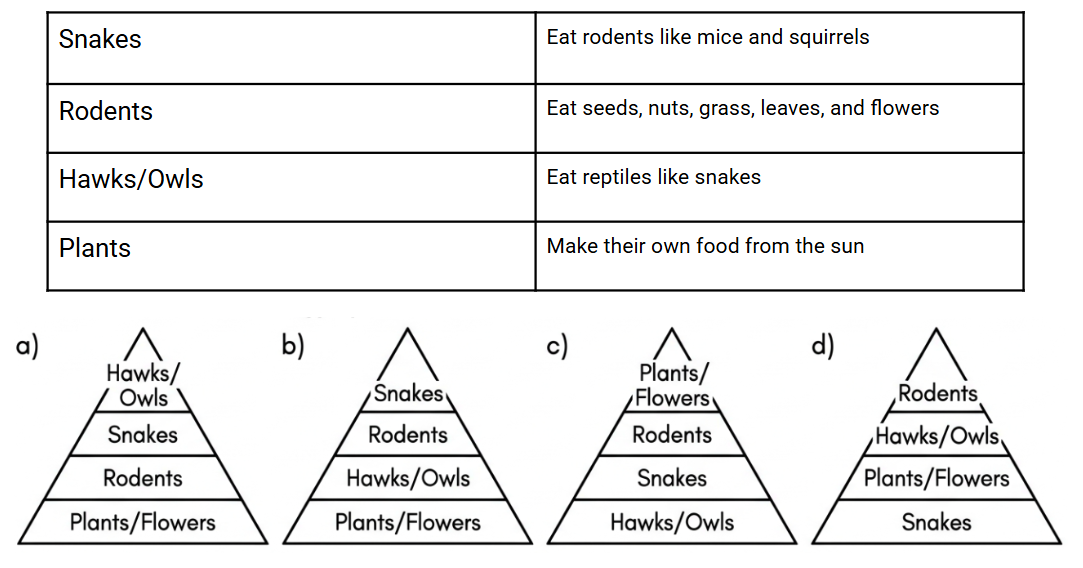 Using the diagram provided, which of the following energy pyramids best represents the data?
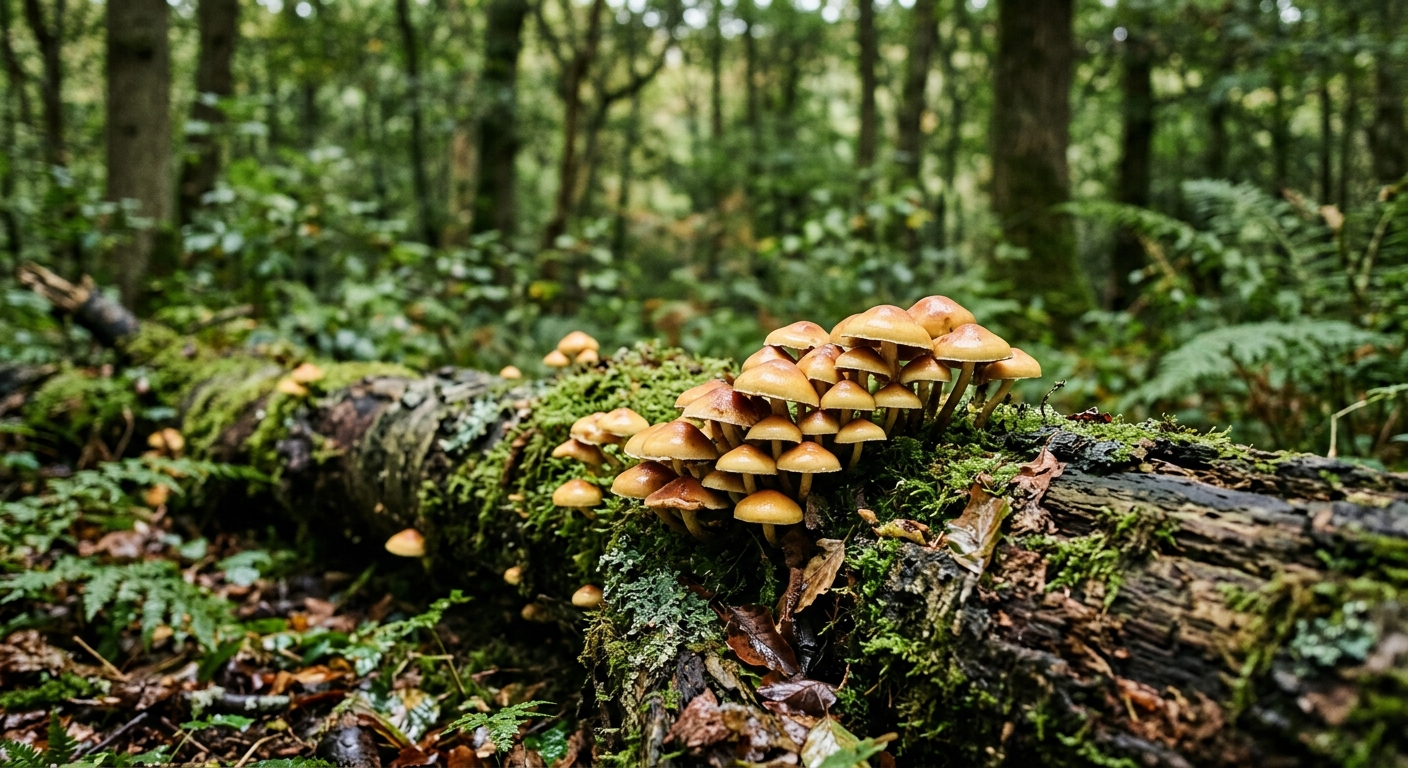
What are the organisms that break down dead leaves in a forest?
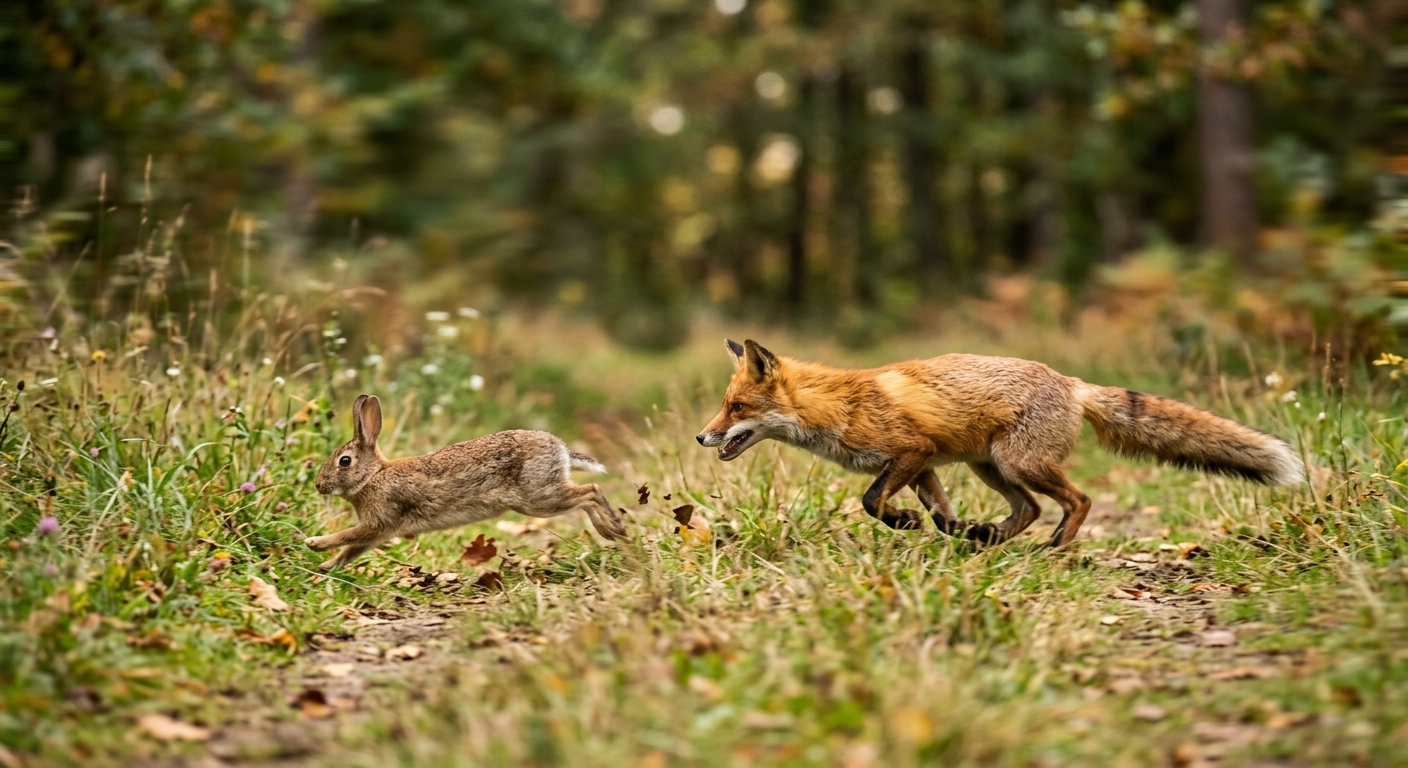
In a forest ecosystem, what are deer and rabbits classified as?
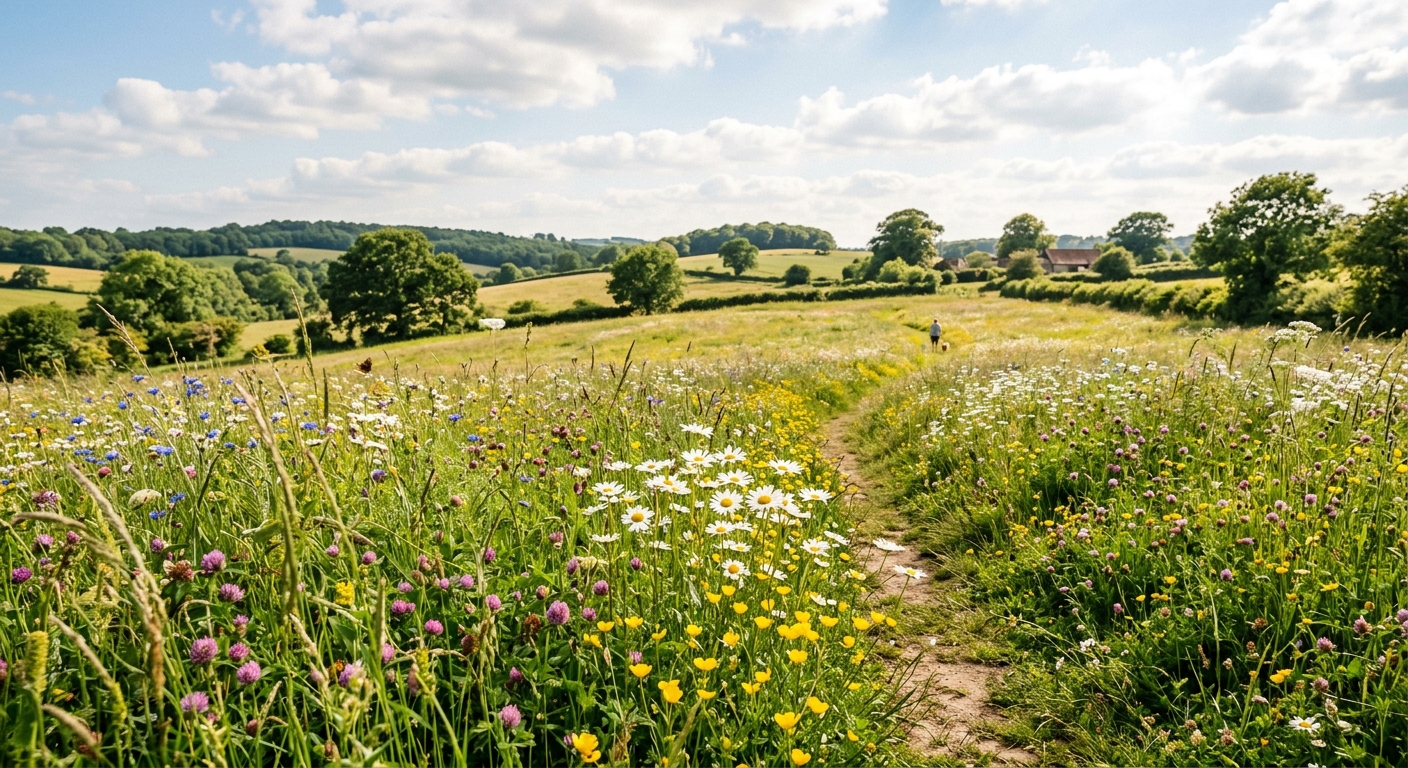
In a garden ecosystem, what are plants classified as?
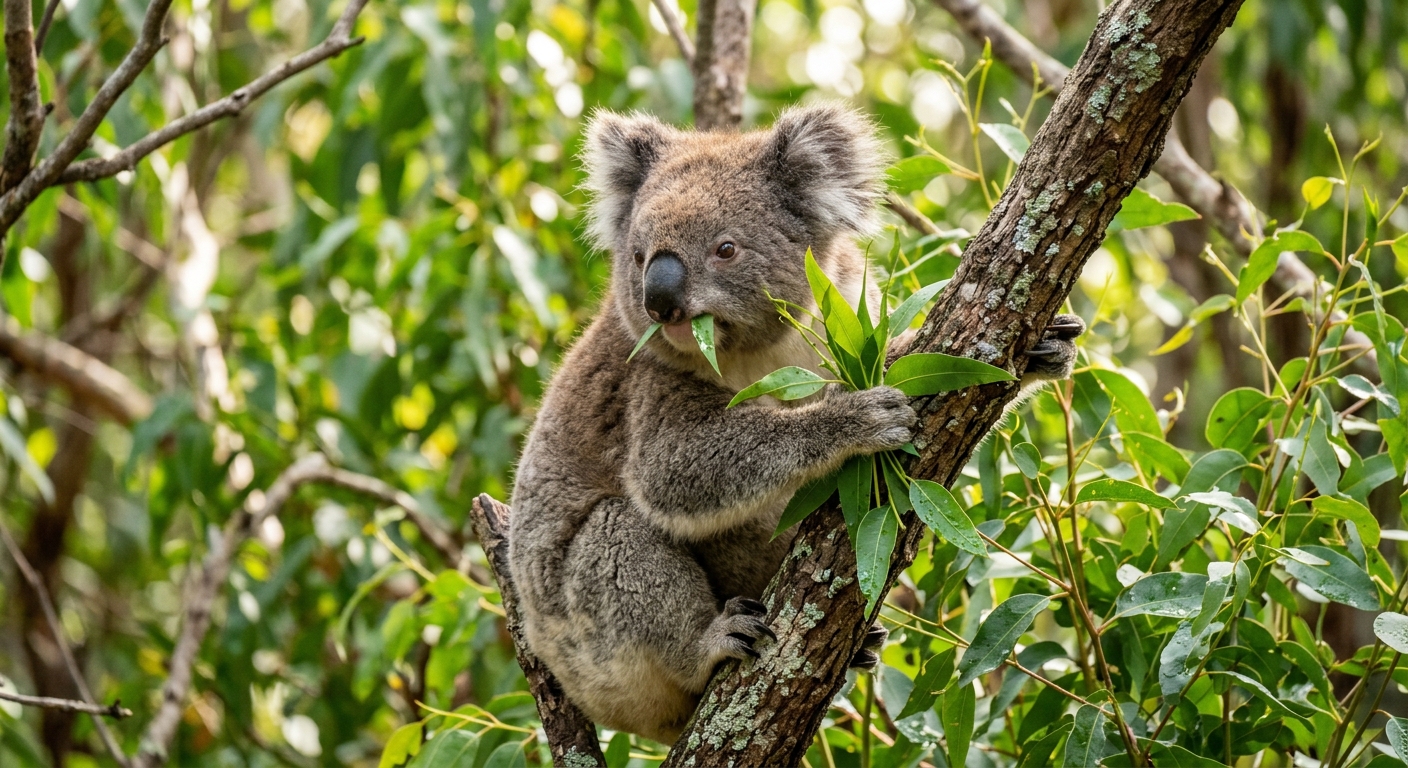
In a forest ecosystem, which type of animal would primarily consume leaves and grass?
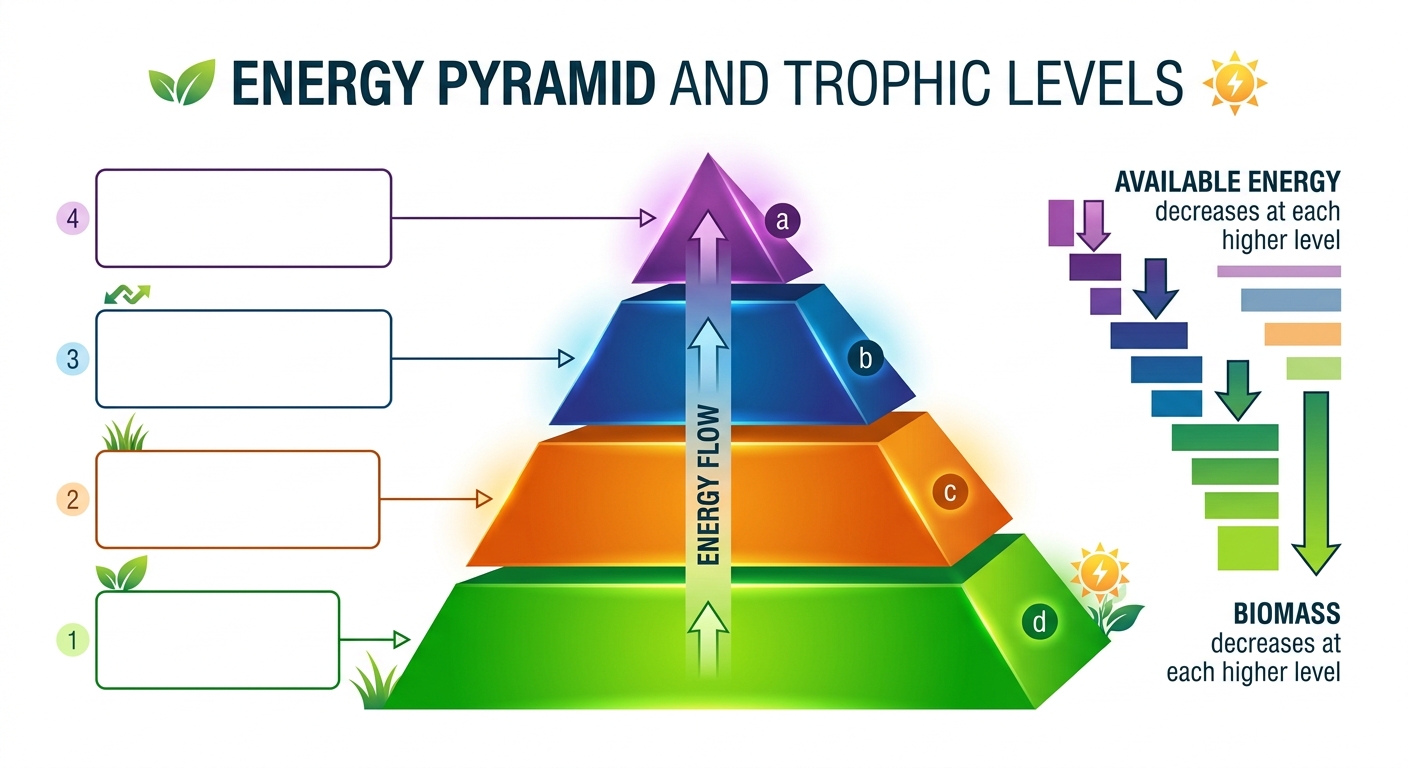
Place the correct labels on the energy pyramid by matching each letter to the correct trophic level.
| Draggable item | arrow_right_alt | Corresponding Item |
|---|---|---|
c | arrow_right_alt | Producers |
d | arrow_right_alt | Primary consumers |
b | arrow_right_alt | Secondary consumers |
a | arrow_right_alt | Tertiary consumers |
Look at the food chain and answer the questions.
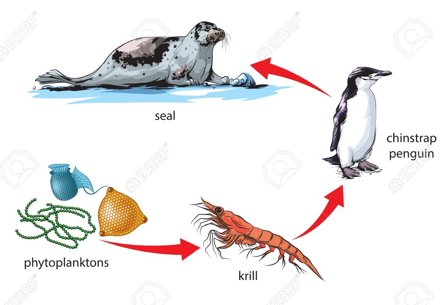
If the population of seals decreases, what will happen to the population of chinstrap penguins?
In this energy pyramid, which organism has the least amount of energy available?
If the secondary consumer level contains 900 kilocalories, how many kilocalories are transferred to the tertiary consumer level?
Climate change means the Earth is getting hotter. It is causing ice to melt and disappear. Phytoplankton live in ice, so the population of phytoplankton is decreasing. What will happen to the population of krill as phytoplankton decrease?
