AKS 32d & 32e - Georgia Becomes a Royal Colony

Last updated about 1 month ago
17 questions

AKS

32.d: explain the transition of Georgia into a royal colony with regard to land ownership, slavery, alcohol, and government by comparing and contrasting the two time periods

32.e: give examples of the kinds of goods and services produced and traded in colonial Georgia (include wine, rice, indigo, silk, and tobacco)

Key Ideas

  • Malcontents petitioned the Trustees to change the laws on slavery, landownership, trade with the Indians, and rum.
  • The Trustees yielded to the growing demand for change, and the legalization of slavery affected many facets of society.
  • When Georgia became a royal colony in 1752, its government and policies changed.
  • The goods and services the colonists produced expanded the economy and brought prosperity to some.

Key Terms

  • aristocracy
  • cession
  • derogatory
  • entrench
  • indigo
  • legalization
  • malcontent
  • petition
  • repeal
  • succession

The Malcontents

Not everyone was happy with the Trustees’ policies. From the beginning, there were those who complained. A passenger on the Anne named Thomas Causton noted in his journal, “though we want for nothing we have some grumbletonians here.”

The Trustees’ laws regarding landownership and slavery were designed to protect against the growth of large plantations requiring slave labor. Since the land belonged to the Trustees in the name of the king, titles (official claims or rights to property) could not be bought or sold. Land could only be passed on to male heirs. Furthermore, the Trustees also restricted trade with the Indians. Planters from South Carolina who came to settle in Georgia found these laws too restrictive. Those who remained in South Carolina but viewed Georgia as a good site for their own expansion encouraged these dissenters. Unlike the charity settlers, they
could afford to buy land and enslaved Africans, and they considered these things necessary to success. Many freeholders (mainly Lowland Scots from Glasgow and Edinburgh) shared the same complaints. Together they became known as Malcontents. A malcontent is a person who is dissatisfied, rebellious, and likely to complain or make trouble.
Required
1

Who were known as Malcontents?

Required
1

Why were the Trustees’ policies unpopular with some settlers?

Required
1

Who were likely to become Malcontents?

Required
1

What does a Malcontent mean?

Changing the Laws

As a result of the Malcontents' efforts to change the rules of the colony, the Trustees made some changes. They repealed, or revoked, some of the laws under fire. The first to go was the ban on rum, which had never been effective. Still, Georgia failed to prosper. Some colonists left, and new settlers were reluctant to come. As a result, the Trustees changed the laws about the size of land grants, land use, and inheritance. Instead of just 50-acre lots, they permitted larger landholdings of 200 acres. In 1741, the Trustees divided Georgia into two counties. Savannah and northern Georgia became Savannah County, with William Stephens as its leader. Frederica County included southern Georgia and was led by Oglethorpe. He continued to voice his opposition to slavery. In 1742, Stephens was put in charge of the entire colony (both counties). With Stephens as their leader, the push to legalize slavery grew. Furthermore, in some people’s eyes, the victory over the Spanish at Bloody Marsh had weakened the antislavery arguments. The Spanish—and the numbers of escaped slaves who fought with them— were no longer a threat.

Slavery Becomes Legal

By the mid-1740s, the Trustees realized they could no longer prevent slavery in the colony. Some settlers had already begun illegally importing enslaved Africans through the Augusta area. Seeing that the ban could not be maintained, the Trustees attempted to control the conditions of slavery. In 1751,they repealed the law against slavery and tried to keep the ratio of blacks to whites a small one. However, their control was very short-lived. As South Carolina planters and their enslaved Africans streamed into Georgia, they expanded their rice-based economy. They soon dominated Georgia’s colonial government as well, and the slave codes were “updated” in 1765 and 1770 to resemble those of South Carolina. The migrants soon set up a social structure similar to South Carolina’s, with about 60 planters owning half the colony’s enslaved people and dominating the low country’s rice economy.

Toward a Slave Economy

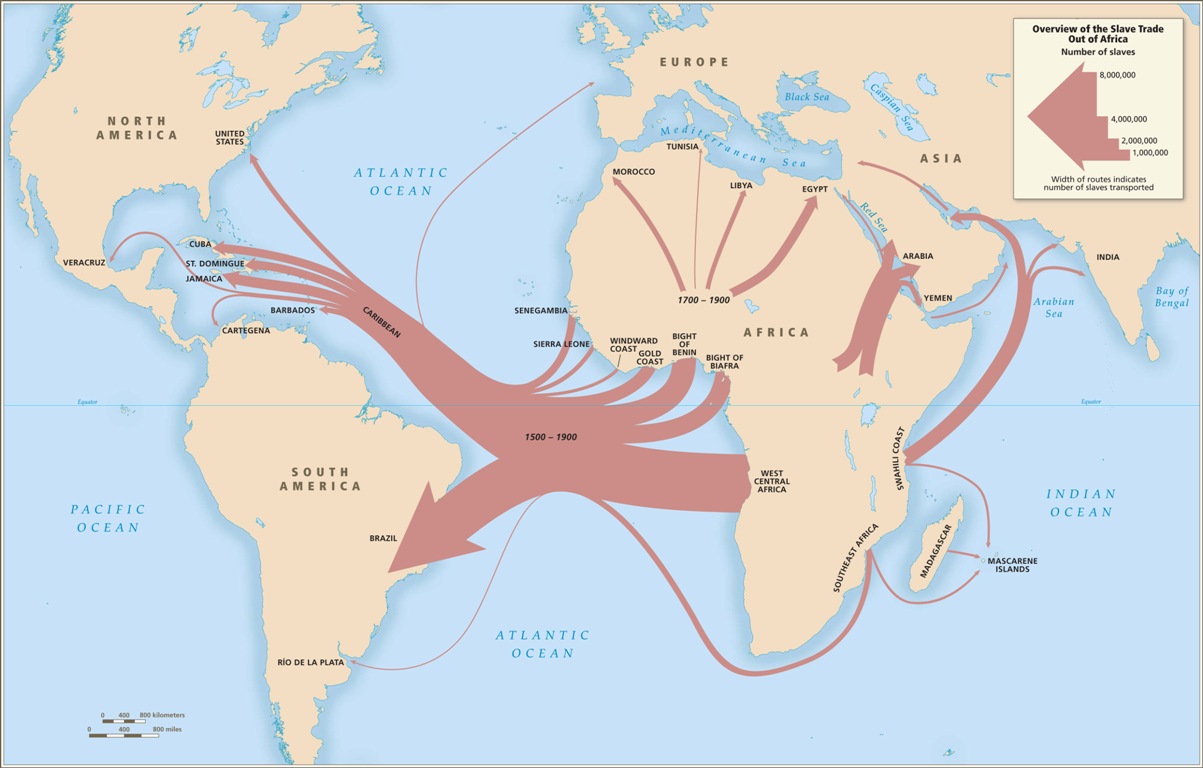
By the mid-1760s, Georgians were importing enslaved Africans directly from Africa, mostly from Angola, Sierra Leone, and the Gambia. Most enslaved people worked in the rice fields, although some worked as craftsmen in Savannah. Georgians who had a skilled trade were known as “mechanicks.” When slavery was legalized, the Trustees sought to protect the jobs of white mechanicks by restricting enslaved Africans to agricultural jobs, except for allowing them to be coopers (who built barrels). As plantations grew, planters wanted enslaved people for many other jobs, so it was hard to maintain this restriction. Enslaved people struggled to re-establish patterns of family and religious life that they had known in Africa. This was difficult when they had no legal rights and little autonomy (freedom from another person’s control). Despite the restrictive conditions, enslaved people resisted their owners and asserted their rights in a number of ways. Some ran away or resisted verbally and physically. Some deliberately destroyed crops or other property, while others feigned illness. In some cases, there was open rebellion, which met with severe punishment or death. After the 1750s, most of the white antislavery voices were silenced in Georgia. The colony’s days without slavery had ended.


Free Blacks in the Colony

Not all African Americans in the colony were enslaved. There was a small number of free blacks. A few had been freed for acts of high service. Others who were hired out to do extra labor were sometimes able to save enough money to purchase their freedom. A few enslaved Africans had been freed by their masters. However, after a major slave rebellion in South Carolina, new laws put enslaved people under even tighter control. It became harder and harder for enslaved people to get a chance at freedom.
Required
1

What did the Trustees do to try to control slavery?

Required
1

What did the Trustees change regarding land laws for colonists?

Required
1

What happened in Georgia after victory over the Spanish at Bloody Marsh?

Required
1

Who were the “mechanicks” mentioned in the passage?

The Human Toll: The Middle Passage

Atlantic Slave Trade Interactive Map

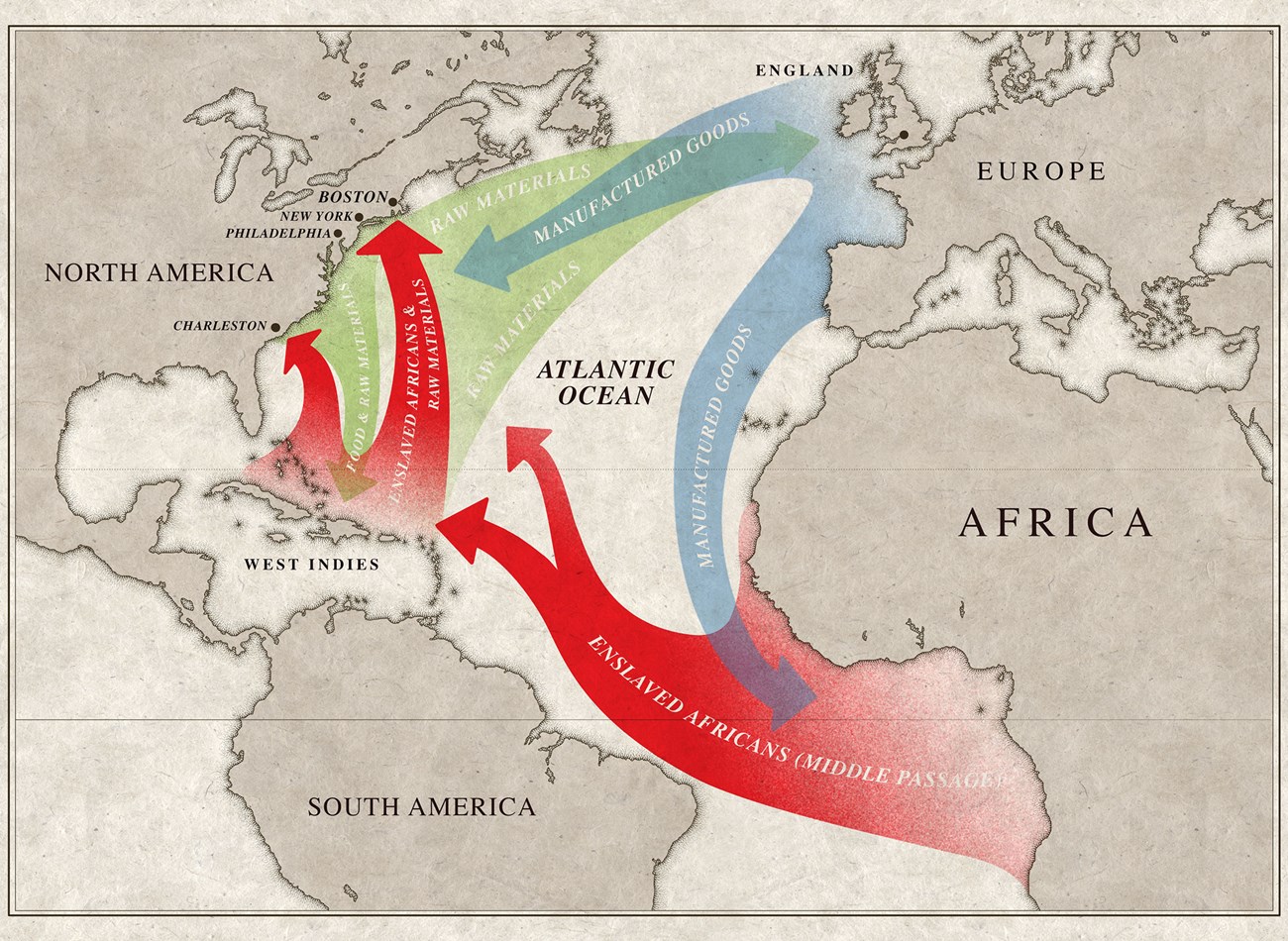
This interactive gives you a sense of the scale of the trans-Atlantic slave trade across time, as well as the flow of transport and eventual destinations. The dots—which represent individual slave ships—also correspond to the size of each voyage. The larger the dot, the more enslaved people on board. And if you pause the map and click on a dot, you’ll learn about the ship’s flag—was it British? Portuguese? French?—its origin point, its destination, and its history in the slave trade. The interactive animates more than 20,000 voyages cataloged in the Trans-Atlantic Slave Trade Database. (We excluded voyages for which there is incomplete or vague information in the database.) The graph at the bottom accumulates statistics based on the raw data used in the interactive and, again, only represents a portion of the actual slave trade—about one-half of the number of enslaved Africans who actually were transported away from the continent.

Required
1

What does the size of the dots in the interactive represent?

Required
1

What does a click on a dot in the interactive reveal?

Required
1

What is the main source of data for the interactive?

Required
1

What does the graph at the bottom of the interactive represent?

Expanding the Economy

Georgia’s climate and geography played an important part in the initial plans for the colony and in the ways in which that plan was altered over time. Although things did not go as the Trustees planned, the humid subtropical climate helped make Georgia an agricultural success story.

The Trustees expected the colony to have a Mediterranean climate, but silkworms had trouble surviving cold spells, and the grapes and soils were not ideal for winemaking. Settlers in New Ebenezer continued to produce some silk.

While many colonies boasted a lively trading business, trade was slow in early Georgia, often because of the Trustees’ restrictions on rum and land ownership. The goods the colonists exported (sent out) could not keep up with what they wanted to import. According to historian James C. Cobb, “the young colony languished, remaining the smallest and poorest British royal possession in North America. ”This only added to the Malcontents’ arguments for large plantations with cash crops to export.

New Crops and Products
After 1750, planters put the climate and land to use growing rice, indigo, and tobacco. Indigo is a tropical plant that was cultivated as a source of dark blue dye. Land was easier to get, and there was a lot of it, so more settlers came. Hoping to expand plantation agriculture, colonial officials granted vast plots of land along the rivers and outer edges of the colony.

Rice and Indigo

Planters brought the cultivation of rice, or “Carolina gold,” to Georgia’s tidewater areas along the Savannah, Ogeechee, and Altamaha Rivers. With its swamps and tidal rivers, the Georgia coast was ideal for producing rice. Enslaved West Africans brought valuable knowledge from their homelands about how to grow and harvest rice, and the growth of rice and slavery grew hand in hand. The more successful planters became, the more enslaved people they purchased and the more rice they grew.

Other planters from South Carolina and other places brought indigo, which also grew well along the coast. Before long, Georgia was home to wealthy land owners like John Graham, who owned 25,000 acres. Governor James Wright owned 11 plantations and held more than 500 enslaved people.


Trade and Commerce

Up river near the fall line, Augusta also expanded. It had been a successful frontier trading post, and Oglethorpe had supported its economy by having a road built to connect Augusta and Savannah. As more British merchants and Indian traders came, Augusta became a center of commerce. Governor Wright negotiated with the Indians for more land, and new towns such as Wrightsborough were founded on the western frontier. With the increase in exports and trade, the seaports grew. A group of Puritans from Massachusetts founded Sunbury, which became an important seaport. The shipping trade grew there as it did on Savannah’s waterfront, where shipbuilding companies began to open their doors. As more settlers came, commerce expanded as well.

Lumber and Naval Stores

Lumber and naval stores were other important contributors to the colonial economy. Naval stores are products such as tar, rosin, pitch, and turpentine, made from the sticky sap of pine trees. These products were critical to the British Empire, particularly its navy. Workers turned tall pines into ship masts and burned them to make tar and pitch, which made ships waterproof. They fashioned live oaks into ships’ rudders.

Signs of Prosperity

By the 1760s, Georgia had finally achieved economic prosperity. This began to show in several ways. The first newspaper, the Georgia Gazette was started in Savannah. Cultural events became more common in the cities and larger towns, and a new class of planters and merchants emerged. They were part of a new aristocracy (the upper or highest social class) that developed across the tidewater region. As we shall see, developments in the 1790s would cause a new crop to prosper in Georgia—one that would bring more wealth and further entrench the slave economy. But before that, Georgia would have to face the trouble that was brewing between England and her 13 colonies. Both the Trustee period and the royal period were motivated by mercantilism, the idea that colonies exist to bring profit to the mother country. The mother country—in this case England—supported and controlled the colony, and was the place of the origin for many of its settlers. As the colony grew and prospered, many grew to question the costs and benefits of mercantilism.
Required
1

What two crops were cultivated in Georgia after 1750?

Required
1

Why was trade slow in early Georgia?

Required
1

Which two products were crucial to the British Empire's navy?

Required
1

What was the purpose of colonies according to mercantilism?

Required
1

Drag each of the following rules or laws to match the appropriate time period to the right.

  • Rum sales are legal
  • Women can inherit land from their dead husbands
  • Slavery is legalized
  • No limits to how much land a colonist could own
  • Women could NOT own land
  • Slavery is prohibited
  • Strict limits to how much land each colonist could own
  • Economics: Wine, Silk, & Tobacco
  • Economics: Indigo, Lumber, & Rice
  • Rum is prohibited
  • Trustee Period (1732-1752)
  • Royal Period (1753-1776)