Ɛhia
1
Ɛhia
1
Ɛhia
1
Ɛhia
1
Ɛhia
1
Ɛhia
1
Ɛhia
1
This formative explores the structures and functions of special sense organs, such as the ear, eye, nose, mouth, and skin, and includes identifying disorders like pinkeye and middle ear infections.
This formative explores the structures and functions of special sense organs, such as the ear, eye, nose, mouth, and skin, and includes identifying disorders like pinkeye and middle ear infections.
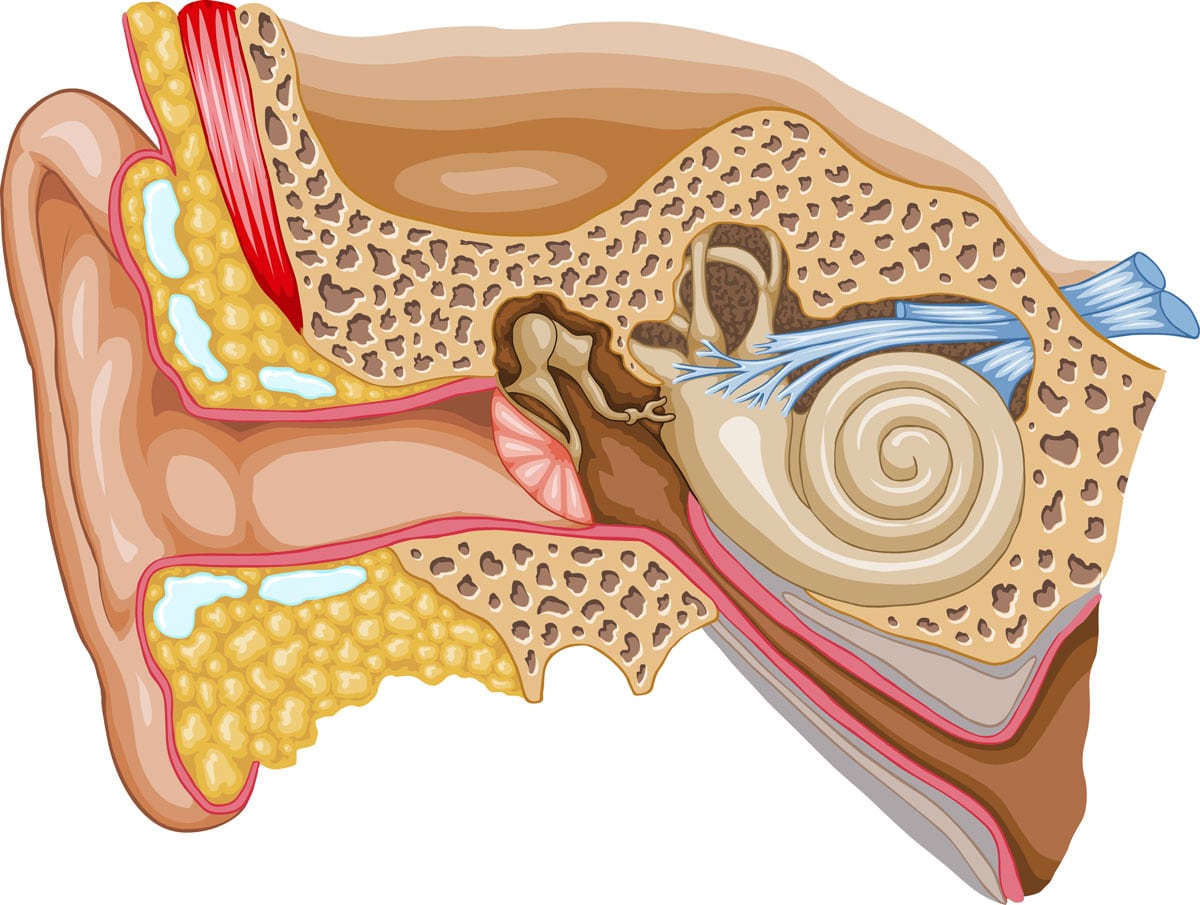
Match each structure of the ear to its function:
| Draggable item | arrow_right_alt | Corresponding Item |
|---|---|---|
Tympanic Membrane | arrow_right_alt | Collects sound waves |
Auditory Tube | arrow_right_alt | Vibrates in response to sound |
Outer Ear | arrow_right_alt | Converts sound waves into nerve impulses |
Cochlea | arrow_right_alt | Balances pressure |
What is the primary function of the Pinna?
The Eustachian tube connects the middle ear to the throat.
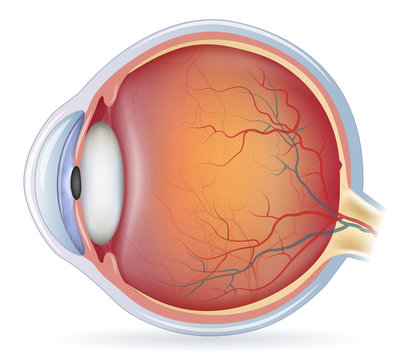
What part of the eye is responsible for controlling the amount of light that enters?
Which of the following are parts of the eye's structure?
Olfactory receptors are primarily responsible for:
What is the primary role of taste buds?
Nerve endings in the skin are responsible for sensing environmental stimuli.
What is a common symptom of pinkeye?
Which is a likely cause of middle ear infection?
Which sign indicates deafness in children?
What is myopia?
Which condition is common in far-sightedness?
What treatment helps presbyopia?
What symptom is associated with conjunctivitis?
Which is a key sign of otitis media?
What is the name of the structure
What is the name of the structure
Name the structure
Name the structure
Name the structure
Name the structure
Put the following is the correct order of the ear bones or auditory ossicles?
Name the structure
Name the structure
Name the structure
Name the structure
Name the structure
Name the structure
The inner lining of the eyelid is the conjunctiva
The eyelid serves no purpose