Match these World War 1 weapons or fighting styles with the correct description. (9)
Match these World War 1 weapons or fighting styles with the correct description. (9)
| Draggable item | arrow_right_alt | Corresponding Item |
|---|---|---|
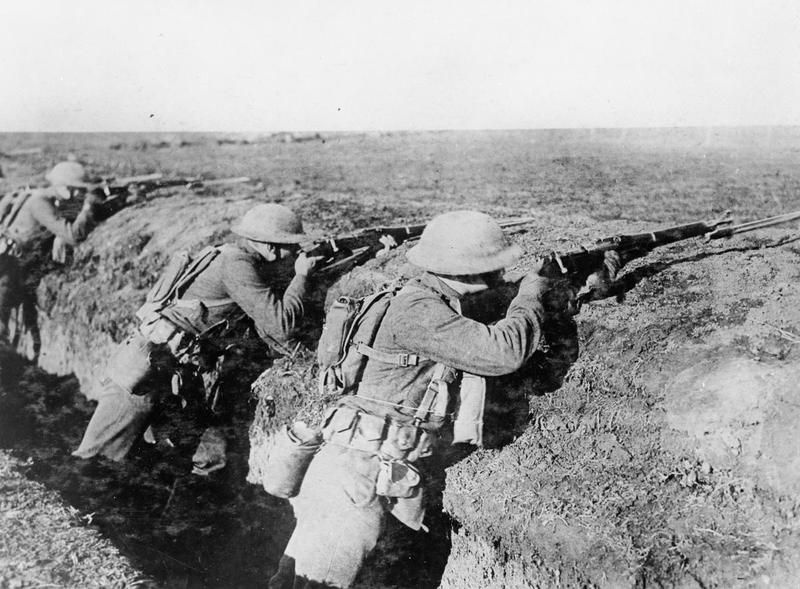
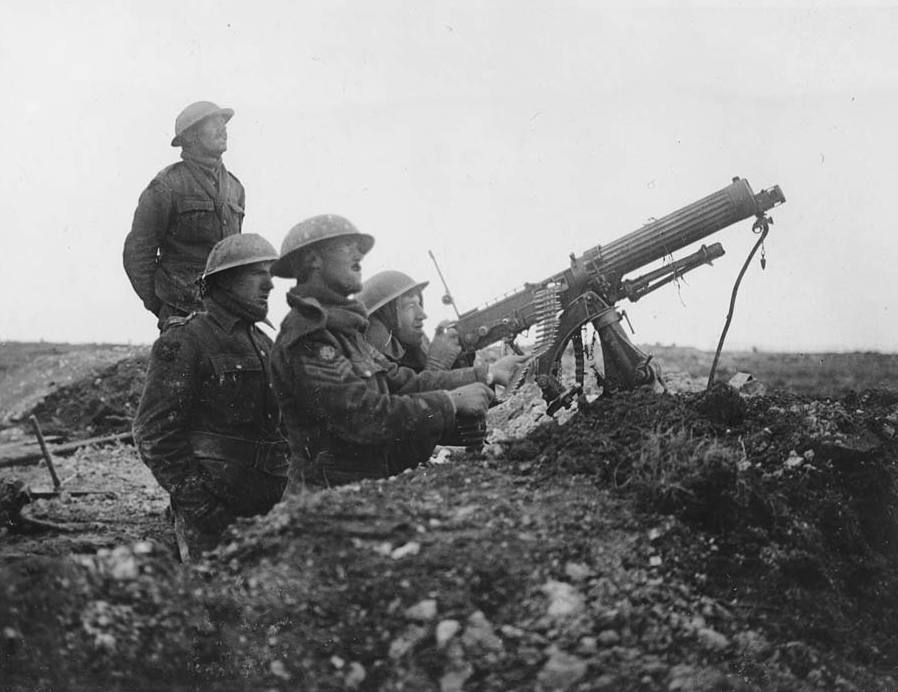
Trench Warfare | arrow_right_alt | Fired hundreds of rounds per minute. Made traditional open-field charges deadly and nearly impossible. Impact: Forced armies into defensive positions, leading to trench warfare. |
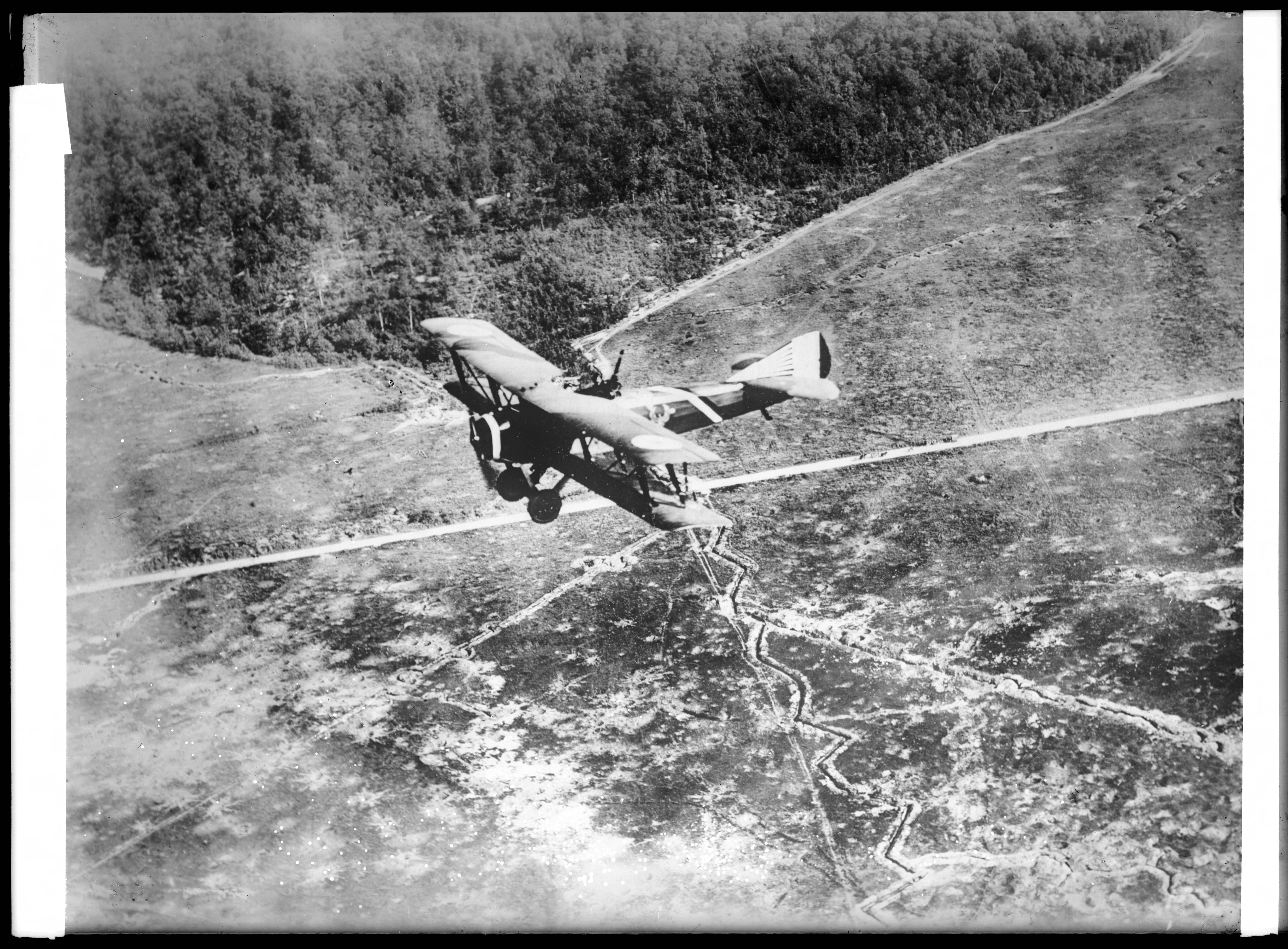
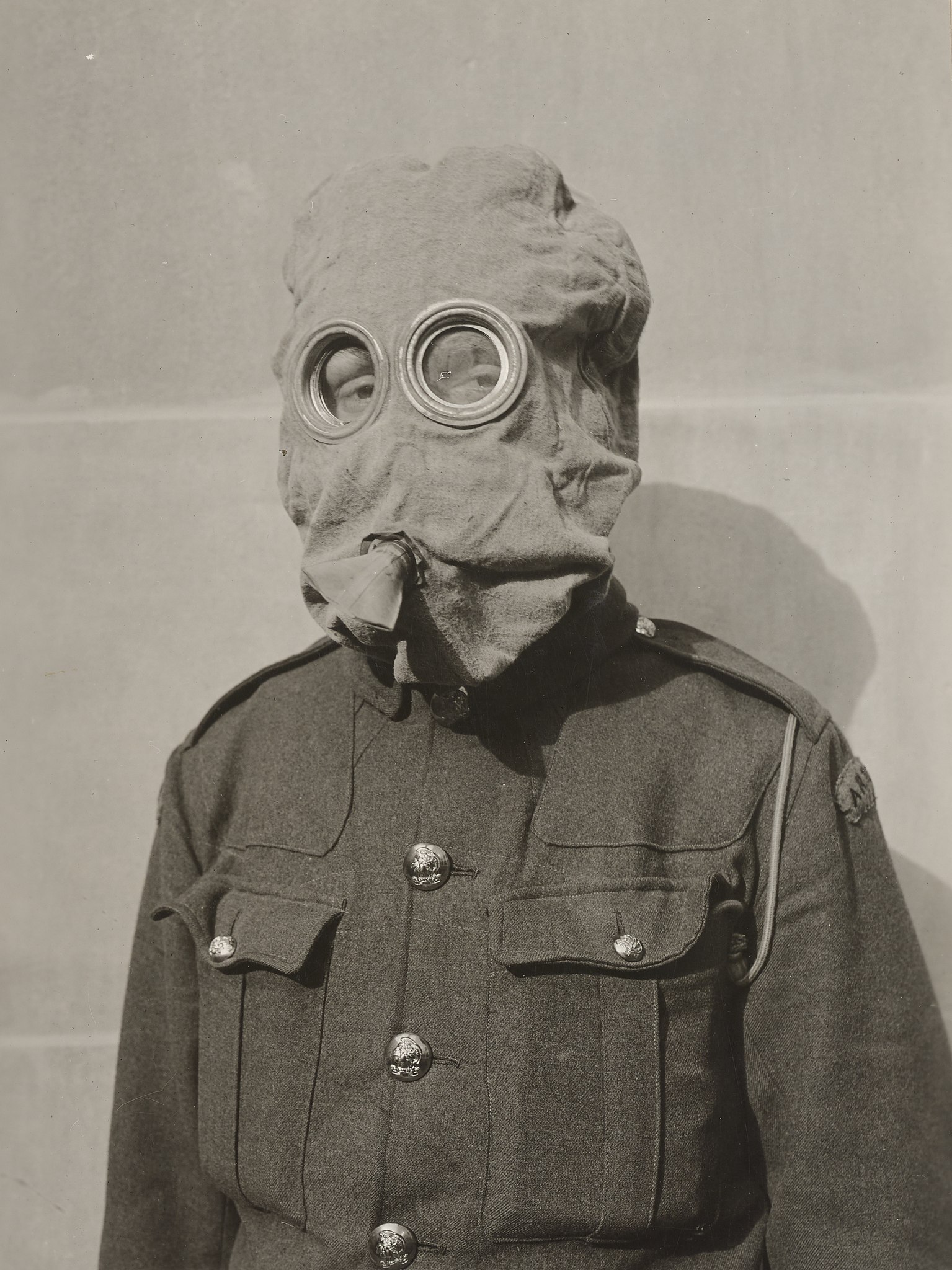
Airplanes | arrow_right_alt | First used by Germans, later by both sides. Examples: chlorine gas, mustard gas. Caused blindness, burns, and suffocation. Impact: Created fear and suffering; led to the invention of gas masks. |
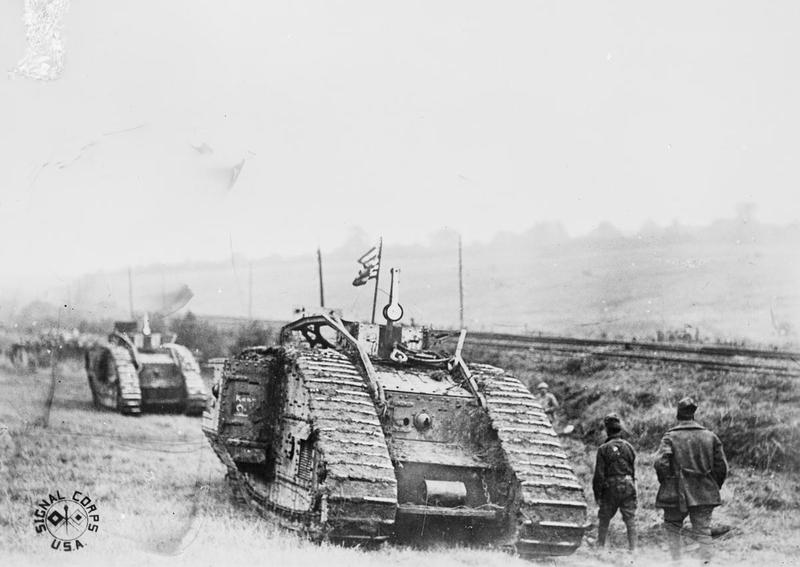
Machine guns | arrow_right_alt | First used by the British in 1916. Armored vehicles that could cross trenches and break through barbed wire. Slow and unreliable at first but improved over time. Impact: Helped break the stalemate of trench warfare. |
Tanks | arrow_right_alt | Used for spying, scouting enemy movements, and later for combat (“dogfights”). Eventually used to drop bombs and fire machine guns. Impact: Introduced a new dimension of warfare—fighting in the air. |
poison gas | arrow_right_alt | Soldiers dug long, deep trenches for protection. Life in trenches was harsh: mud, rats, disease, and constant danger. Battles often ended in stalemate with little land gained. Impact: War dragged on with heavy casualties and little movement. |

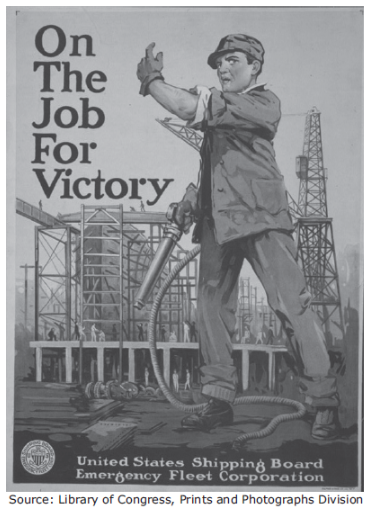 This 1917 poster depicts a worker in a shipyard.
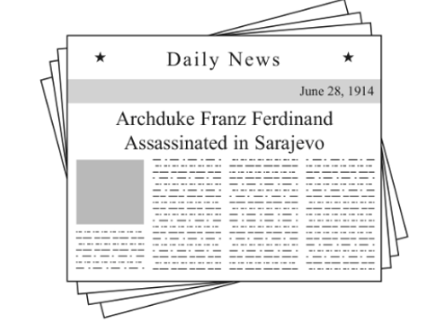
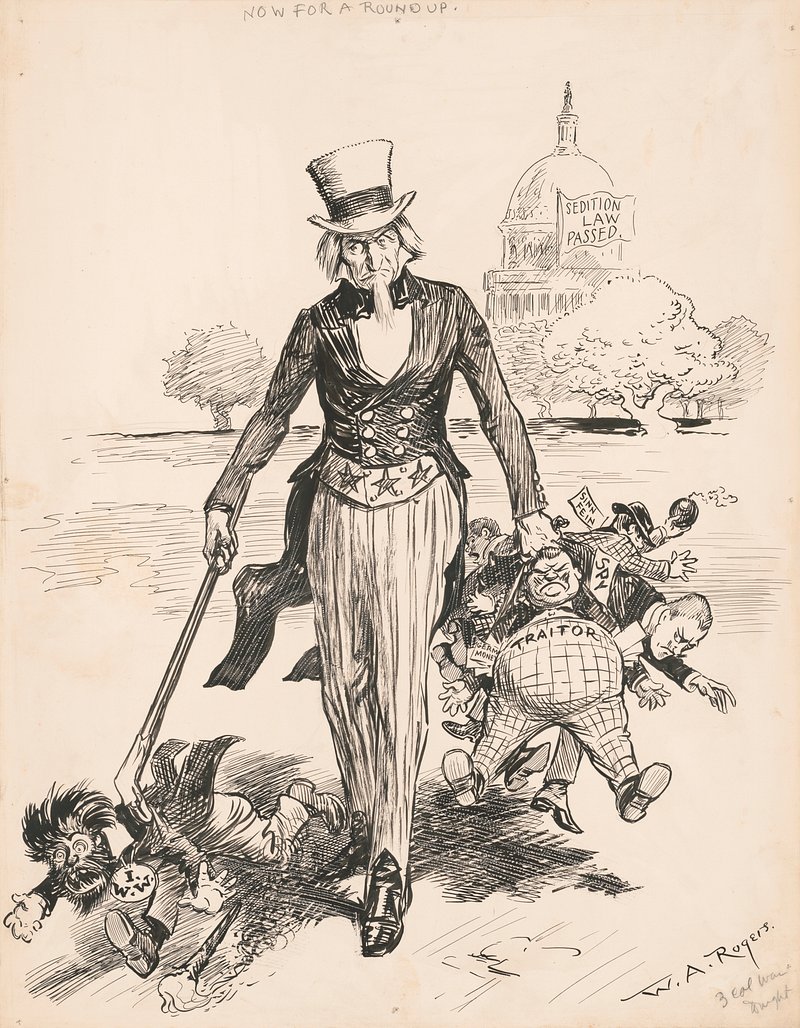
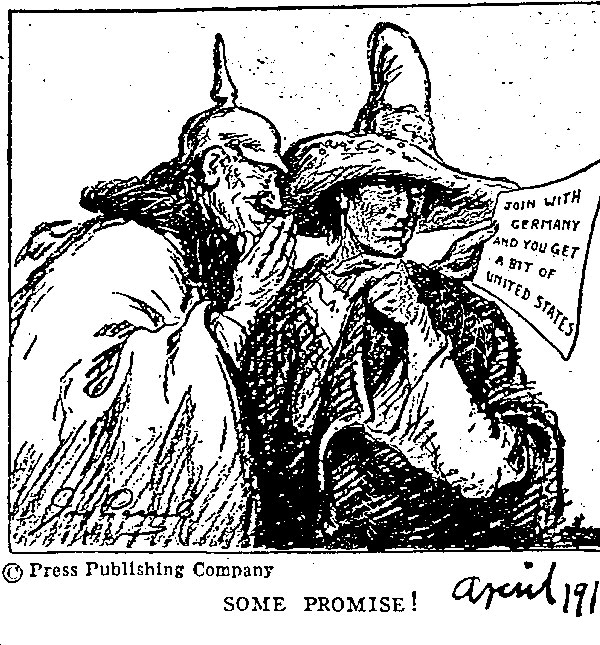 The political cartoon above is referencing which WWI era event?