Which three (3) factors affect the rate of photosynthesis?
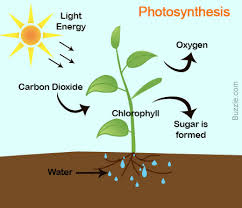
Which three (3) factors affect the rate of photosynthesis?
Which three (3) factors affect the rate of photosynthesis?
Select all of the reactants of photosynthesis.
Photosynthesis happens in plants. Cellular respiration happens in
What is the purpose of cellular respiration?
Photosynthesis takes place in the_________
Cellular Respiration Takes place in the_________
The process by which a cell captures light energy from the sun and uses it to make food is called _____.
Photosynthesis uses sunlight to convert carbon dioxide and water into ____
What happens during cellular respiration?
The equation: C6H12O6 + 6O2 → 6CO2 + 6H2O + ATP (energy) is the equation for which of the following processes?
Respiration and photosynthesis keep the levels of carbon dioxide and oxygen in the atmosphere:
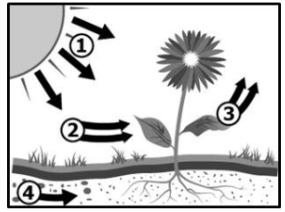
What process is the diagram to the right representing?
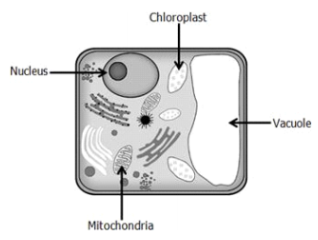
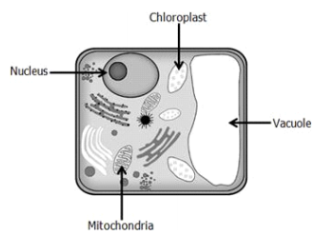
Which organelle from the plant cell is primarily responsible for converting sunlight to energy?
In terms of the molecules used and produced during photosynthesis and cellular respiration, these processes are essentially ____ each other.
The equation: 6CO2 + 6H2O + light energy → C6H12O6 + 6O2 is the equation for which of the following processes?
What chemical in the chloroplast traps the energy from sunlight?
Before the energy in food can be used by a cell, it must first be transferred to molecules of ____.
Cellular respiration takes place in a eukaryotic cell’s _____.
Drag and drop the compound that is entering, leaving or staying in the plant during the process of photosynthesis. Pay close attention the the direction of the arrows!
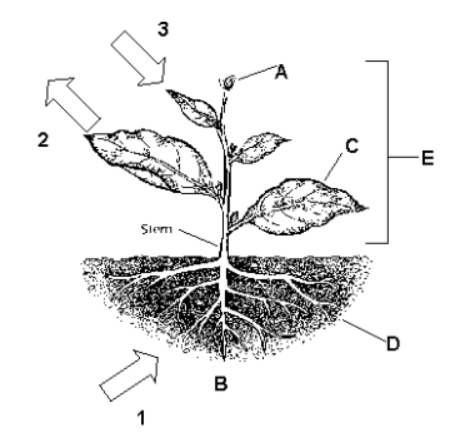
H2O (water)
O2 (Oxygen)
CO2 (Carbon Dioxide)
C6H12O6 (glucose)
The ______ are the holes in leaves that take in air
Click on the reactants in the image below.

Click on the products in the image below.

Click on the coefficient in the chemical formula below:
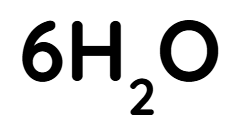
Click on the subscript in the chemical formula below: