Twa kɔ nsɛm atitiriw so
Log in
Sign up for FREE
arrow_back
Laabri

U.S. History A -- Unit 4 Vocabulary Quiz: World War I

star
star
star
star
star
Last updated 3 months ago
40 Nsɛmmisa
Ɛhia
1
Ɛhia
1
Ɛhia
1
Ɛhia
1
Ɛhia
1
Ɛhia
1
Ɛhia
1
Ɛhia
1
Ɛhia
1
Ɛhia
1
Ɛhia
1
Ɛhia
1
Ɛhia
1
Ɛhia
1
Ɛhia
1
Ɛhia
1
Ɛhia
1
Ɛhia
1
Ɛhia
1
Ɛhia
1
Ɛhia
1
Ɛhia
1
Ɛhia
1
Ɛhia
1
Ɛhia
1
Ɛhia
1
Ɛhia
1
Ɛhia
1
Ɛhia
1
Ɛhia
1
Ɛhia
1
Ɛhia
1
Ɛhia
1
Ɛhia
1
Ɛhia
1
Ɛhia
1
Ɛhia
1
Ɛhia
1
Ɛhia
1
Ɛhia
1
Asemmisa {{asɛmmisaAhyɛnsode}}
1.

These questions comes from Module 7, Lesson 1: World War I breaks out

Pages 315 - 325
Which of the following best defines nationalism?
Asemmisa {{asɛmmisaAhyɛnsode}}
2.

Which of the following best defines imperialism? (you know this from the last unit!!!)

Asemmisa {{asɛmmisaAhyɛnsode}}
3.

Which of the following best defines militarism?

Asemmisa {{asɛmmisaAhyɛnsode}}
4.

Which of the following best describes the alliance system?

Asemmisa {{asɛmmisaAhyɛnsode}}
5.

Which countries made up the Allies, also known as the Triple Entente?

Asemmisa {{asɛmmisaAhyɛnsode}}
6.

Which countries made up the Central Powers?

Asemmisa {{asɛmmisaAhyɛnsode}}
7.

Finish this statement:

Some European leaders believed that these alliances created a balance of power, in which each nation or alliance had equal strength. Many leaders thought that the alliance system would help decrease the chances of war. They hoped that no single nation would attack another out of fear that...

Asemmisa {{asɛmmisaAhyɛnsode}}
8.

The next questions come from "AN ASSASSINATION LEADS TO WAR"

pages 316-317

Which area was known as "the powder keg of Europe?"

Asemmisa {{asɛmmisaAhyɛnsode}}
9.

What city was Archduke Franz Ferdinand visiting when he was shot?

Asemmisa {{asɛmmisaAhyɛnsode}}
10.

Who shot Archduke Franz Ferdinand?

Asemmisa {{asɛmmisaAhyɛnsode}}
11.

On July 28 Austria-Hungary declared war on...

Asemmisa {{asɛmmisaAhyɛnsode}}
12.

On August 1 Germany declared war on....

Asemmisa {{asɛmmisaAhyɛnsode}}
13.

On August 3 Germany declared war on....

Asemmisa {{asɛmmisaAhyɛnsode}}
14.

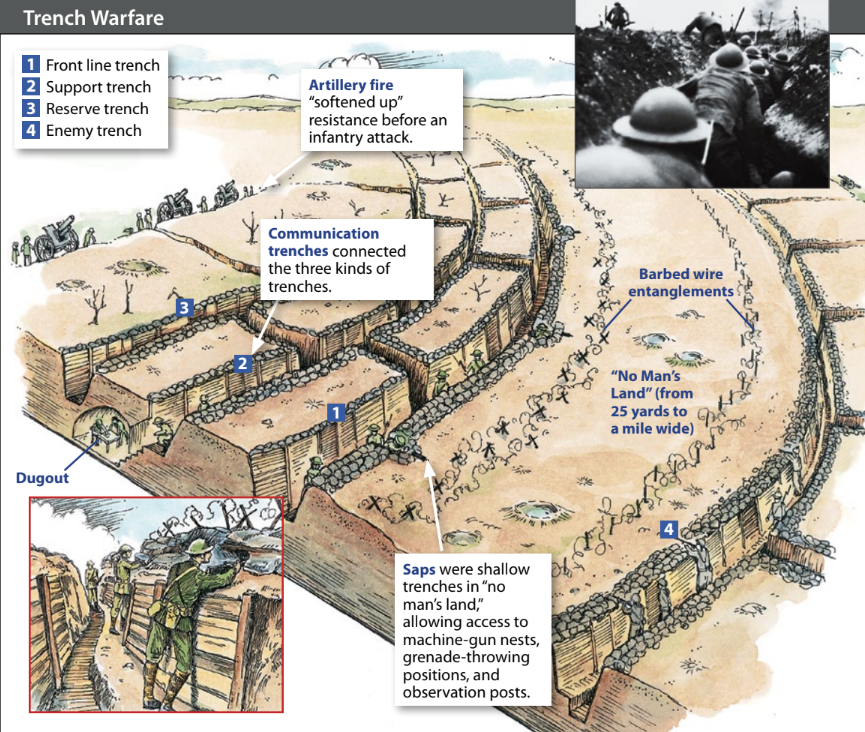
The next question comes from "IN THE TRENCHES"

pages 319-320

Life in the trenches was....

Asemmisa {{asɛmmisaAhyɛnsode}}
15.

The next question comes from "The War Hits Home"

pages 321-323

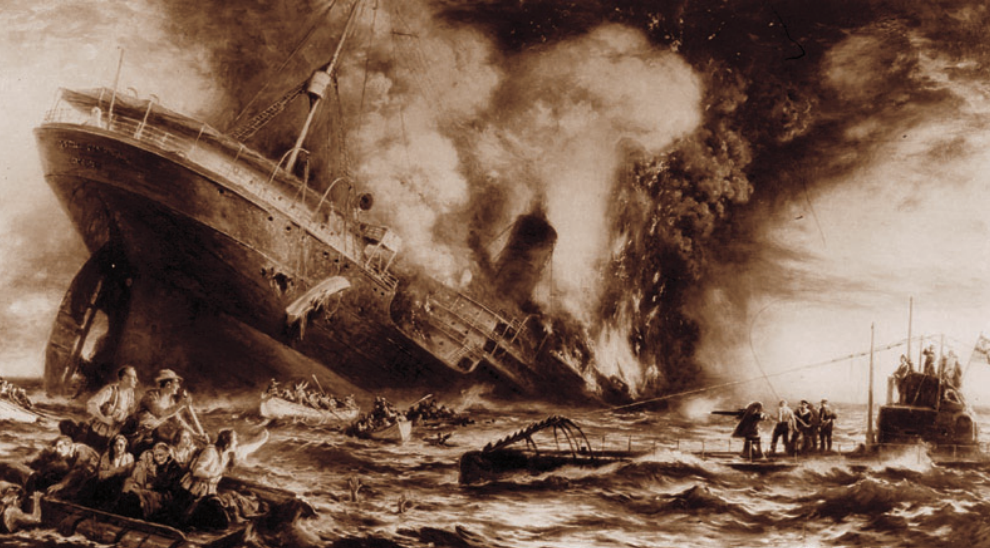
What was the Lusitania?

Asemmisa {{asɛmmisaAhyɛnsode}}
16.

What was the Sussex pledge?

Asemmisa {{asɛmmisaAhyɛnsode}}
17.

Asemmisa {{asɛmmisaAhyɛnsode}}
18.

The next question comes from "The United States Declares War"

pages 323-325

What was the Zimmerman note?

Asemmisa {{asɛmmisaAhyɛnsode}}
19.

Lesson 2 -- The United States Joins the War

What was the Selective Service Act?

Asemmisa {{asɛmmisaAhyɛnsode}}
20.

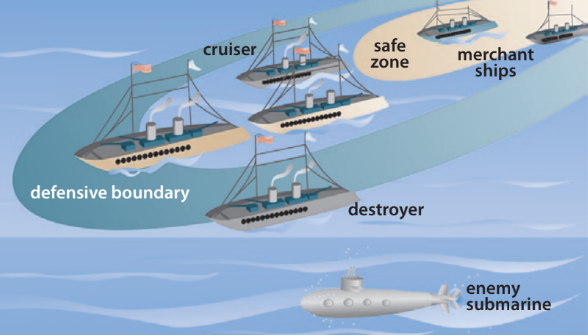
How is the Convoy system described?

Asemmisa {{asɛmmisaAhyɛnsode}}
21.

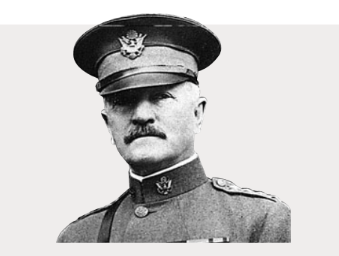
Which American general led the American Expeditionary Force?
Asemmisa {{asɛmmisaAhyɛnsode}}
22.

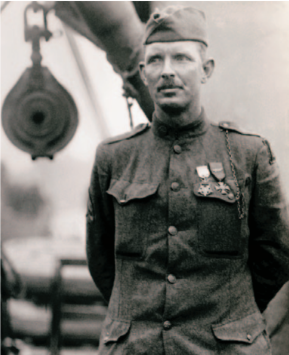
Who was Alvin York?

Asemmisa {{asɛmmisaAhyɛnsode}}
23.

When Germany agree to an armistice?

Asemmisa {{asɛmmisaAhyɛnsode}}
24.

Lesson 3 -- The War at Home

The War Industries Board...

Asemmisa {{asɛmmisaAhyɛnsode}}
25.

Who was Bernard M. Baruch?

Asemmisa {{asɛmmisaAhyɛnsode}}
26.

What is the definition of "propaganda?"

Asemmisa {{asɛmmisaAhyɛnsode}}
27.

What was the Committee on Public Information?

Asemmisa {{asɛmmisaAhyɛnsode}}
28.

George Creel was...

Asemmisa {{asɛmmisaAhyɛnsode}}
29.

What was the Espionage and Sedition Act?

Asemmisa {{asɛmmisaAhyɛnsode}}
30.

What was the Great Migration

Asemmisa {{asɛmmisaAhyɛnsode}}
31.

Lesson 4 -- Wilson Fights for Peace

the Fourteen Points were...

Asemmisa {{asɛmmisaAhyɛnsode}}
32.

What is self-determination?

Asemmisa {{asɛmmisaAhyɛnsode}}
33.

What was the League of Nations?

Asemmisa {{asɛmmisaAhyɛnsode}}
34.

Georges Clemenceau was...

Asemmisa {{asɛmmisaAhyɛnsode}}
35.

David Lloyd George was...

Asemmisa {{asɛmmisaAhyɛnsode}}
36.

What was the treaty that ended World War I

Asemmisa {{asɛmmisaAhyɛnsode}}
37.

What are reparations?

Asemmisa {{asɛmmisaAhyɛnsode}}
38.

"The treaty humiliated Germany. It contained a war-guilt clause.

This clause forced Germany to admit sole responsibility for starting World

War I and causing the resulting damage."

Asemmisa {{asɛmmisaAhyɛnsode}}
39.

This questions comes from the end of the last section "The Legacy of the War"

pages 354-355

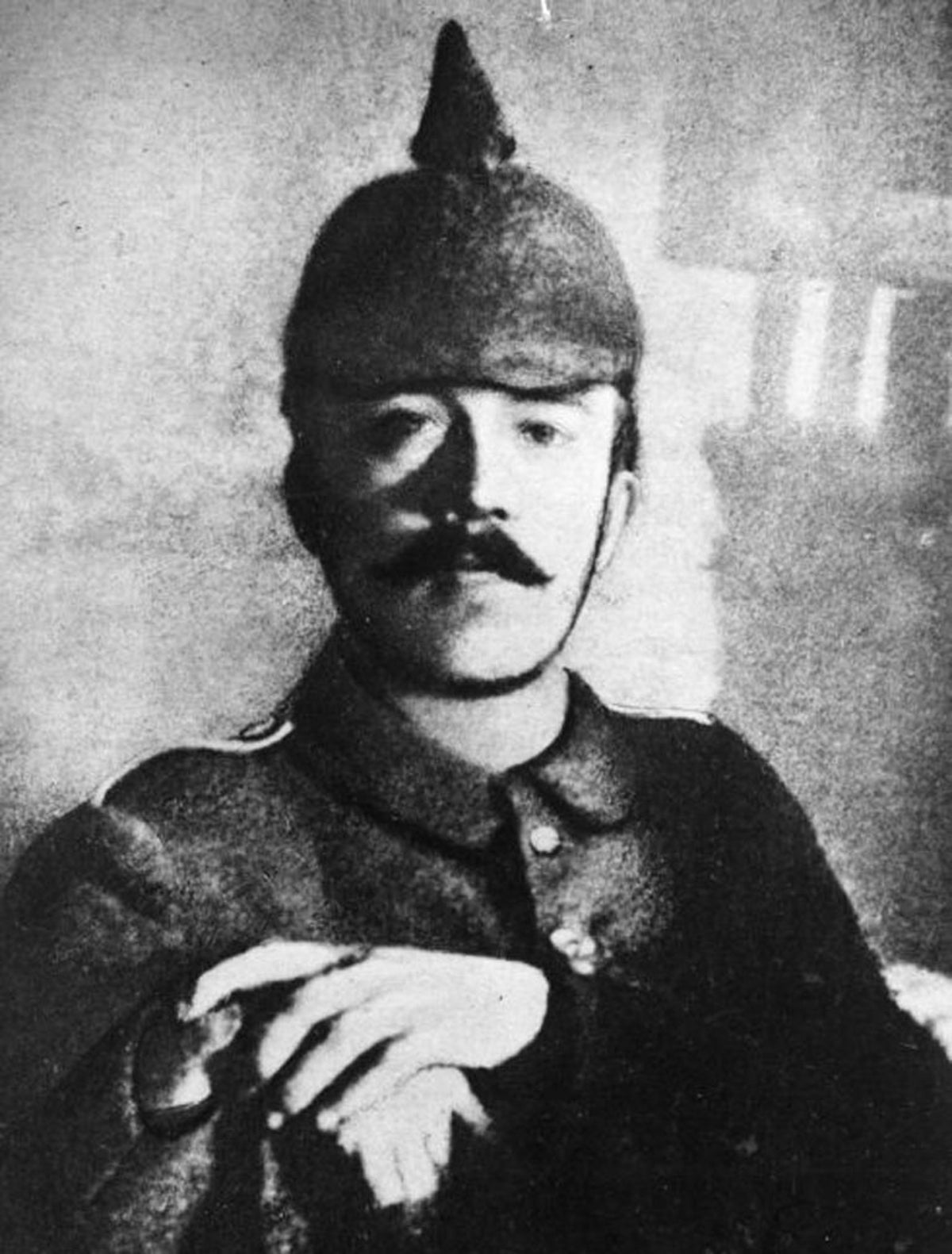
Who said this quote: “It cannot be that two million [Germans] should have

fallen in vain. . . . No, we do not pardon, we demand—vengeance!”

Hitler's war boast exposed as a myth | The Independent | The Independent

Asemmisa {{asɛmmisaAhyɛnsode}}
40.

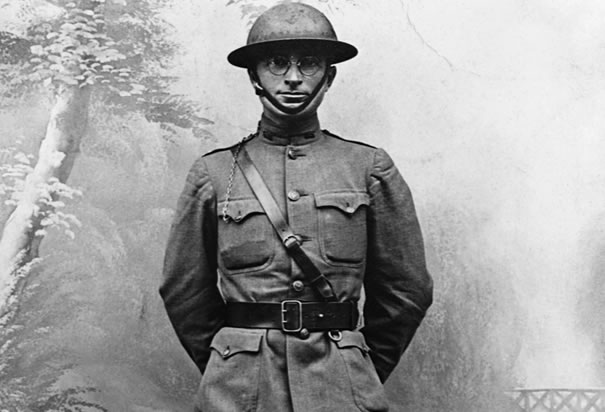
Bonus question: Which future president of the United States served as an artillery officer in World War I

Harry Truman in World War 1 - History

The next question comes from "THE 1916 ELECTION"

page 323

Woodrow Wilson - Wikipedia

Who won the 1916 American Presidential Election?