Twa kɔ nsɛm atitiriw so
Log in
Sign up for FREE
arrow_back
Laabri

4.08 Searching for Water

star
star
star
star
star
Last updated about 1 month ago
15 Nsɛmmisa
Hyɛ no nsow a efi ɔkyerɛwfo no hɔ:

If you need help with this assignment, please watch the class recording

If you need help with this assignment, please watch the class recording

Ɛhia
0
Ɛhia
0
Ɛhia
0
Ɛhia
0
Ɛhia
0
Ɛhia
0
Ɛhia
6

Bonus science!

Water in the Solar System and Beyond!

  • More information on other places the search for water may take us

Asemmisa {{asɛmmisaAhyɛnsode}}
1.

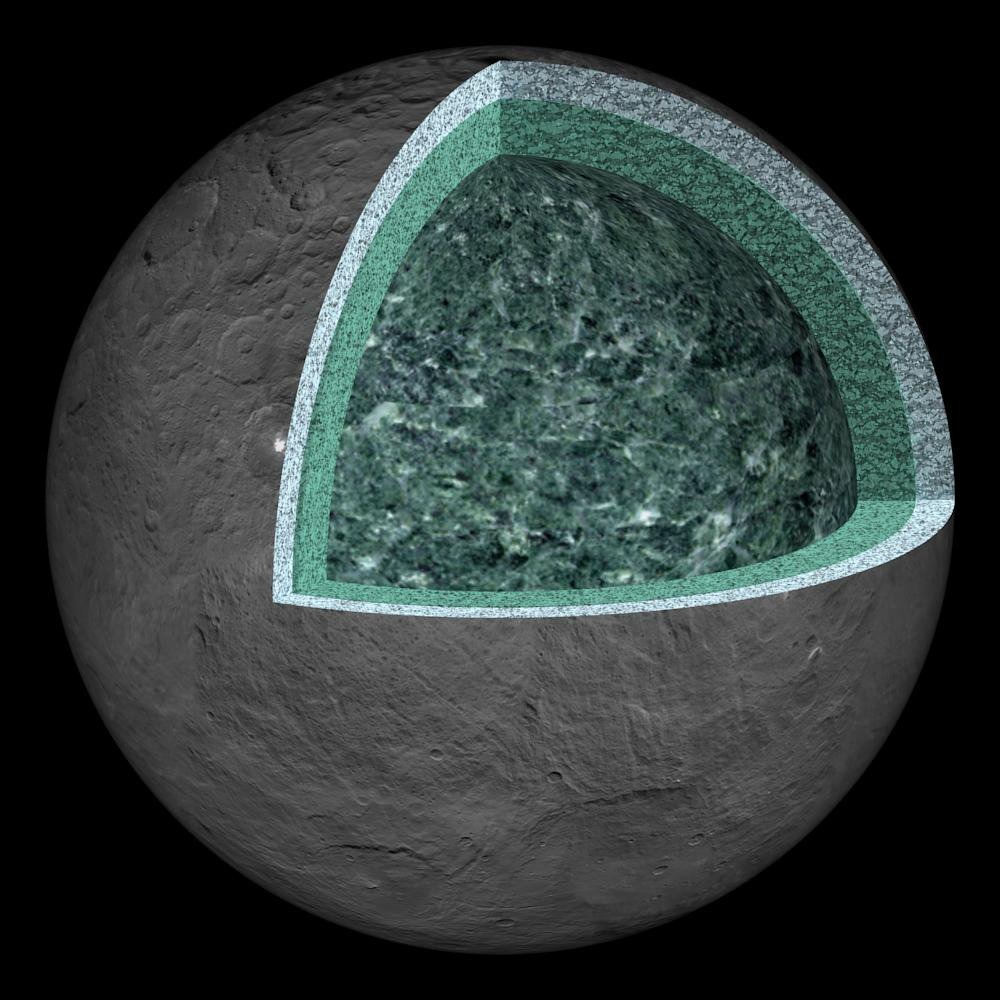
Explore the 3D model of the asteroid Ceres above. What do you observe?

Asemmisa {{asɛmmisaAhyɛnsode}}
2.

Explore the 3D model of the moon Europa above. What do you observe?

Asemmisa {{asɛmmisaAhyɛnsode}}
3.

Explore the 3D model of the moon Enceladus above. What do you observe?

Asemmisa {{asɛmmisaAhyɛnsode}}
4.

Explore the 3D model of the planet Mars above. What do you observe?

Asemmisa {{asɛmmisaAhyɛnsode}}
5.

Scientists believe that water may be present on these 4 solar system objects.

Based on your observations, where do you think water is most likely to be found?

No right or wrong answer!

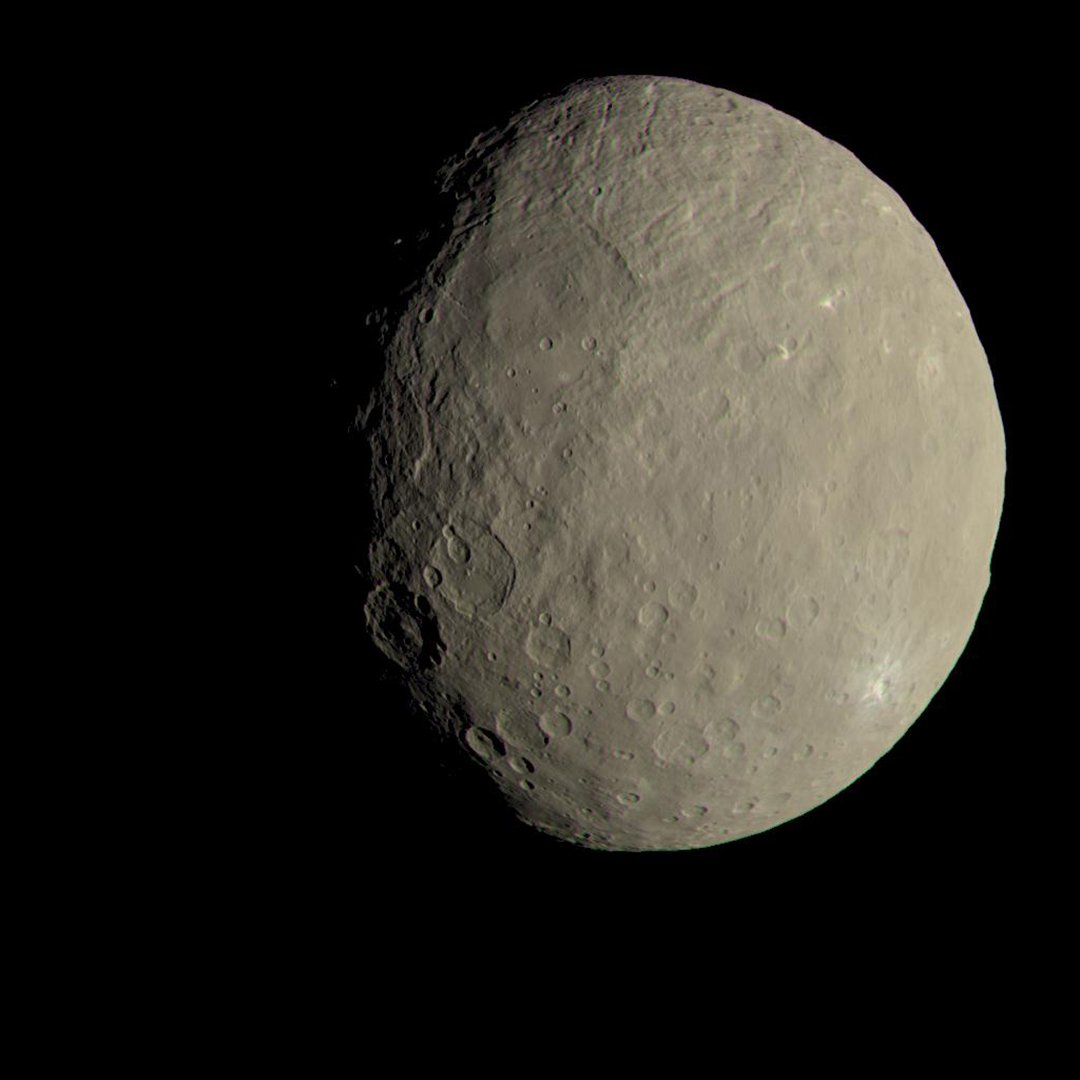
Ceres

  • Discovered: January 1, 1801

  • Type: Dwarf planet

  • Location: Asteroid Belt

  • Diameter: 587 miles (946 kilometers)

  • Orbital Period: 1,680 Earth days

  • Length of Day: 39.1 hours

  • Mass: About 4 percent of the mass of Earth’s Moon

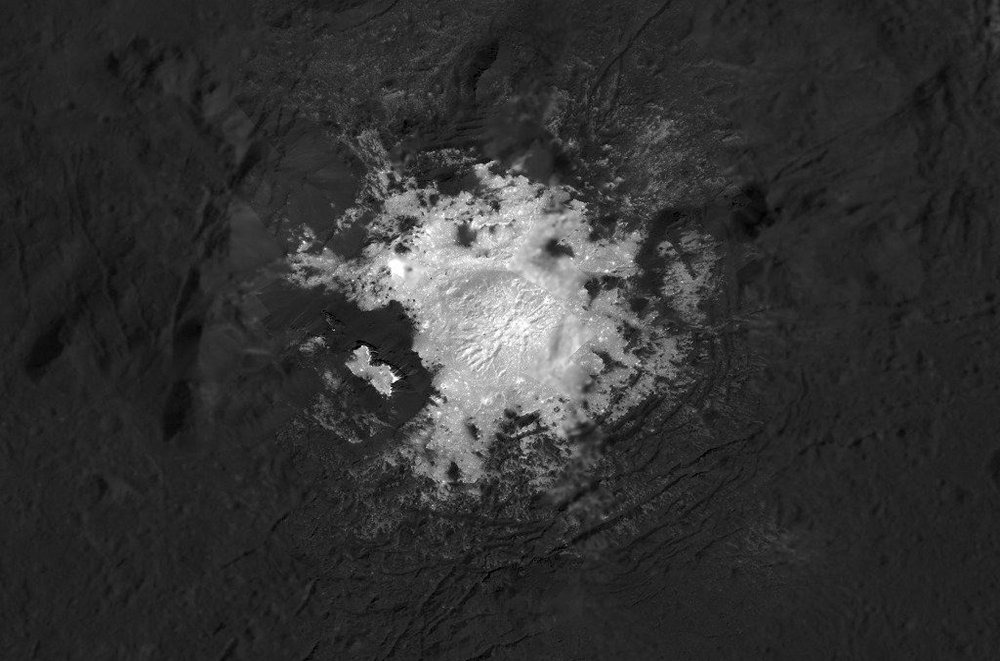
Bright surface spots observed across Ceres (high‑reflectance areas).
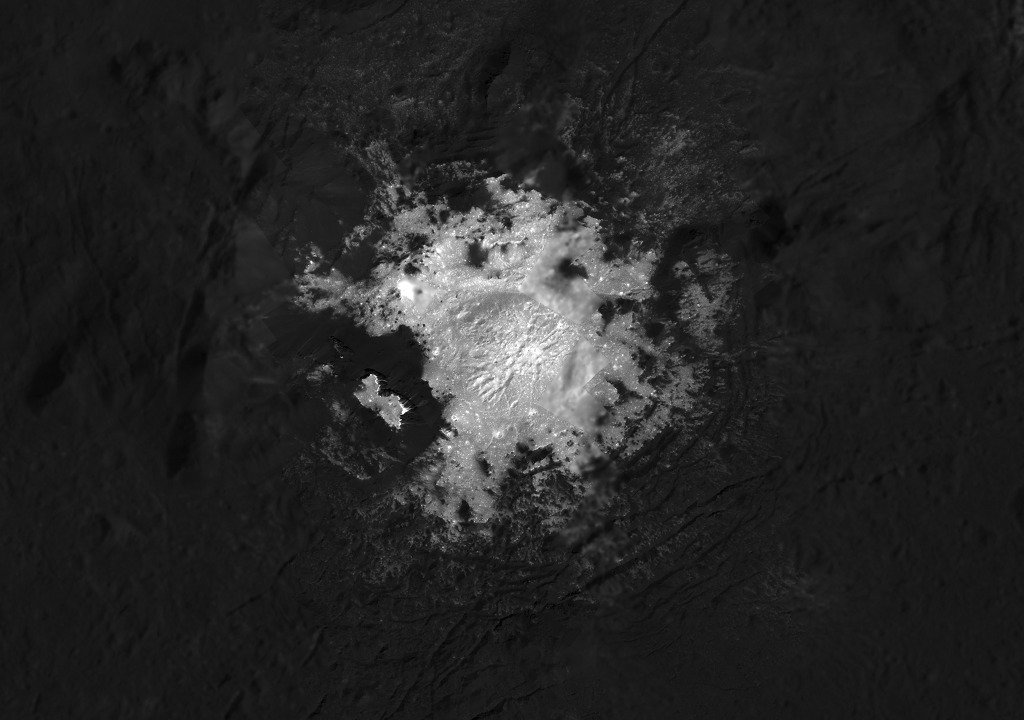

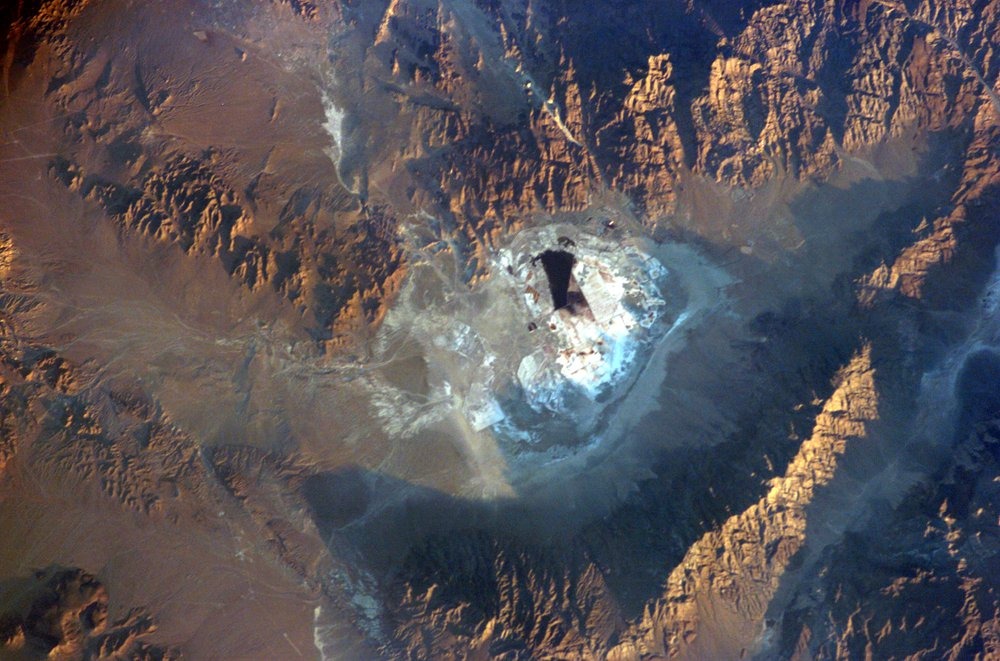
Dried up lake in Mojave Desert (CA) vs Ceres’ Occator Crater
Ahuna Mons: Dome‑like mountain interpreted as a cryovolcanic (ice‑volcano) feature

Spectral imaging shows salts/evaporite‑like minerals in bright areas — consistent with briny outflows.
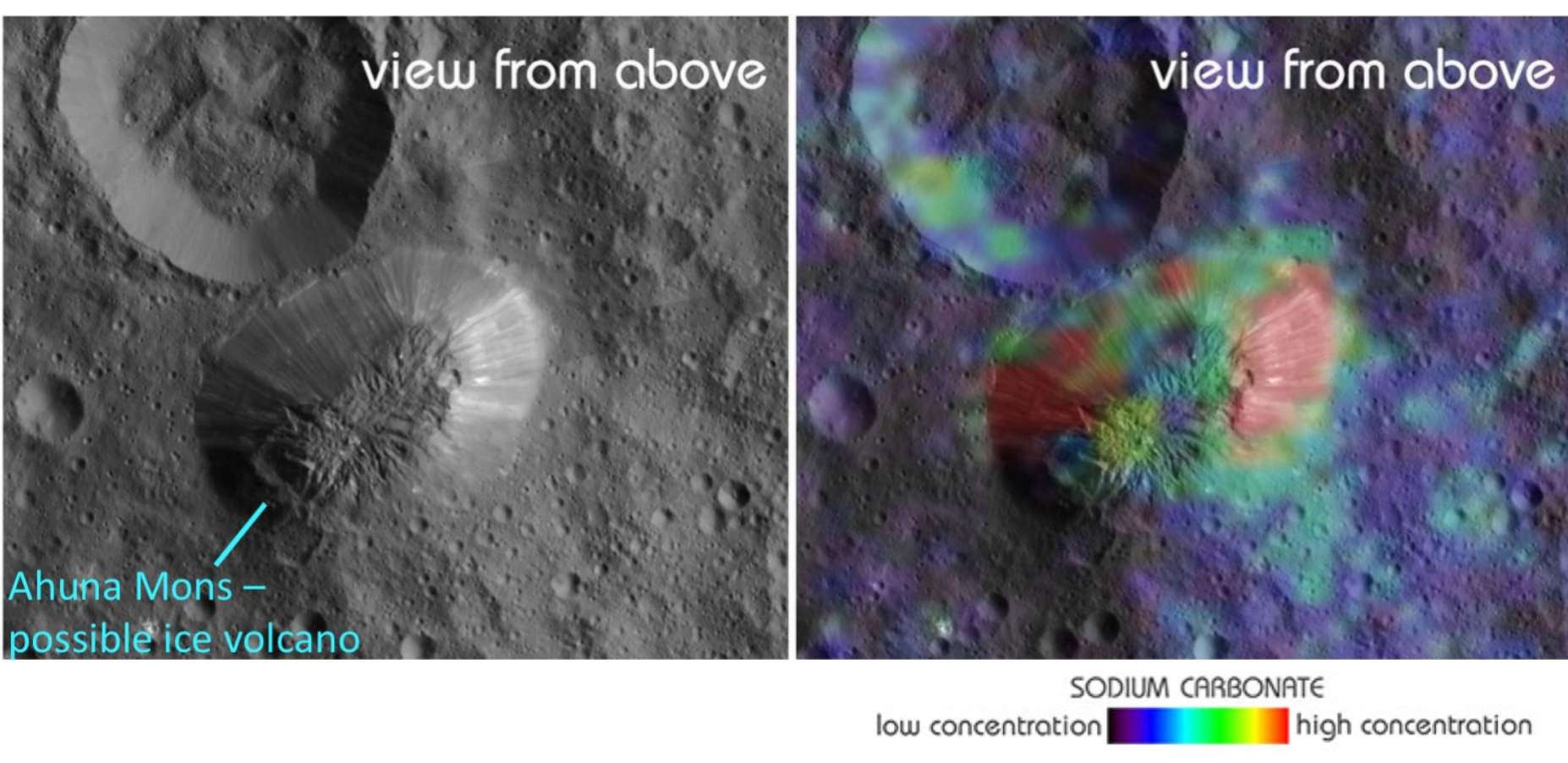
  • Interpretation

    • Evidence for past subsurface brines (salty water) and cryovolcanism

    • No direct sampling of liquid water

  • Takeaway

    • Ceres shows strong signs of past or local brine activity (salts and cryovolcanism), suggesting subsurface ice and brines.

Ɛhia
0.5
Ɛhia
0.5

Europa

  • Discovered: 1610

  • Location: Moon of Jupiter

  • Type: Icy moon

  • Diameter: About 1,939.7 miles (3,121.6 kilometers)

  • Orbital Period:
    3,551 Earth days

  • Length of Day:
    3,551 Earth days

  • Mass:
    About 65 percent of the mass of Earth’s Moon

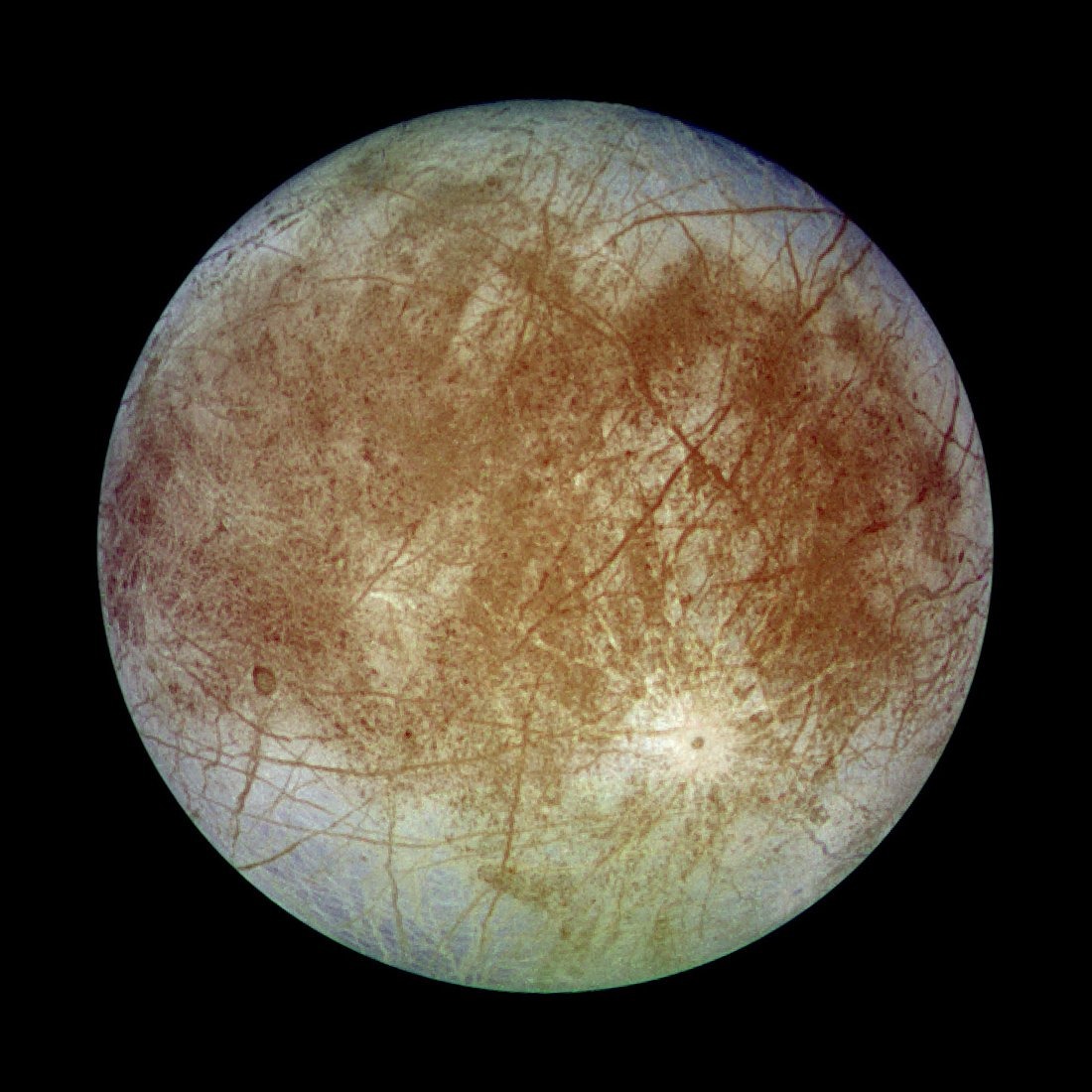
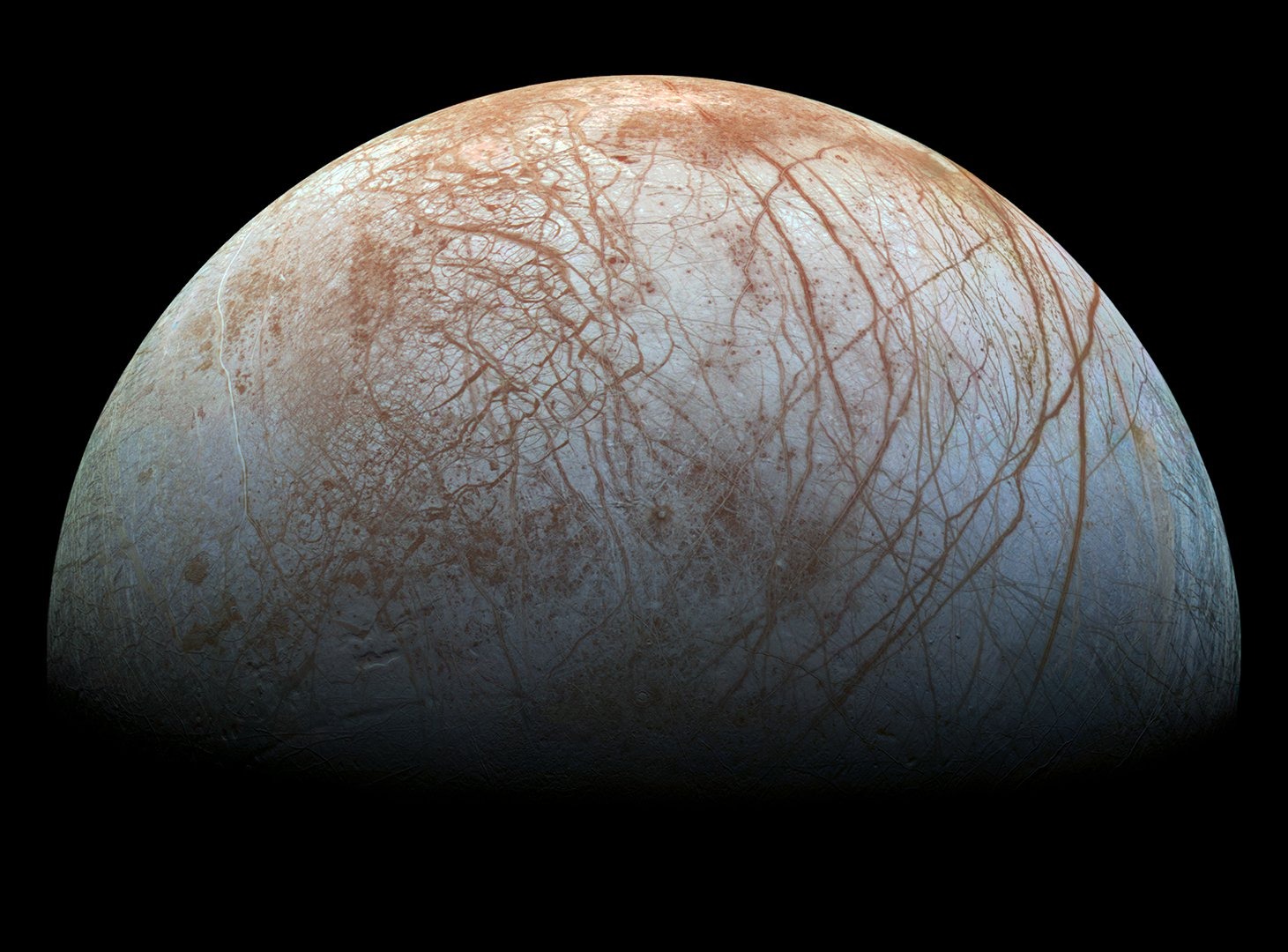
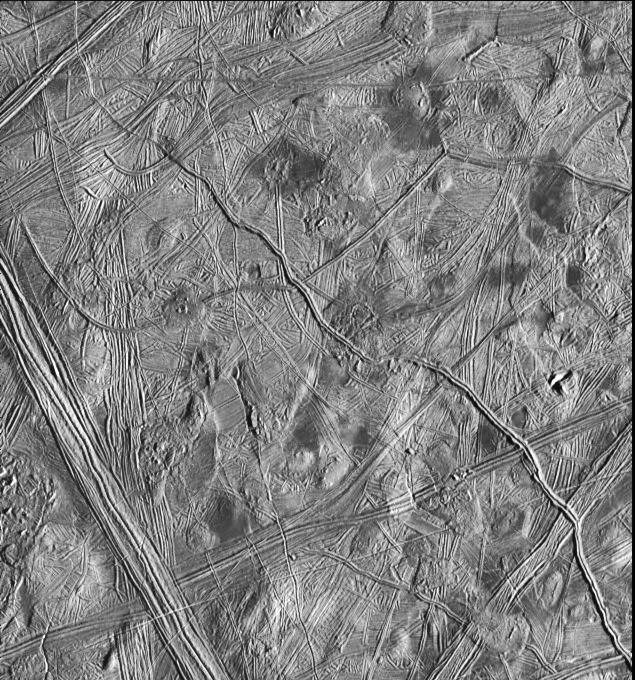
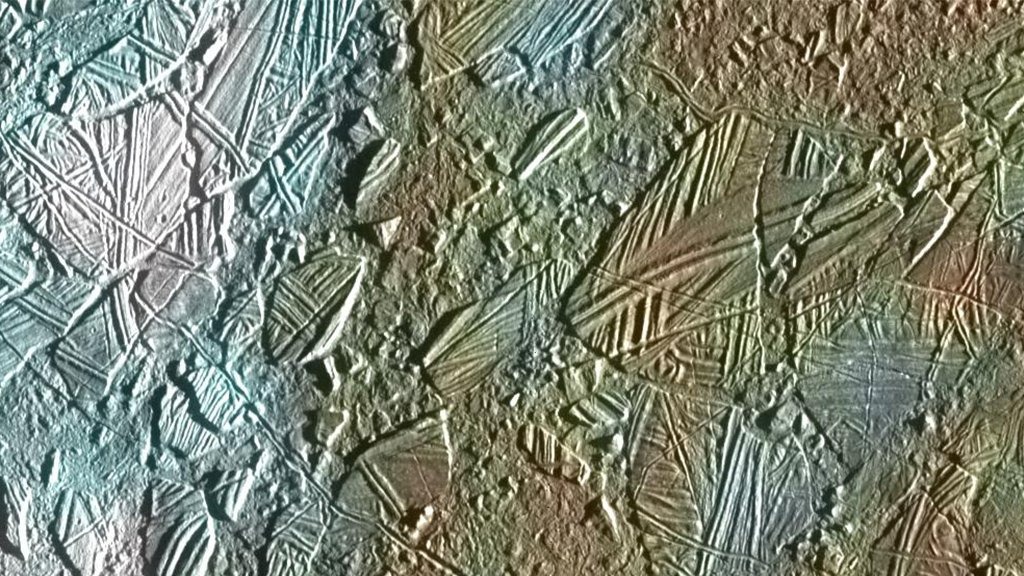
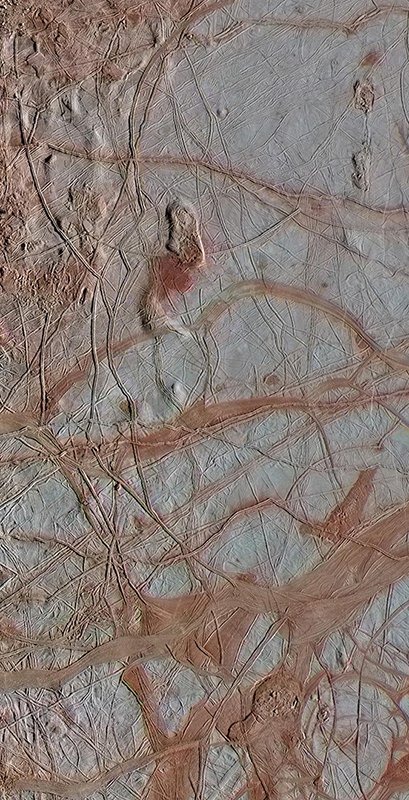
Icy Surface Features: Smooth icy shell with linear cracks, ridges, and chaotic ("chaos") terrain visible in close‑up images.

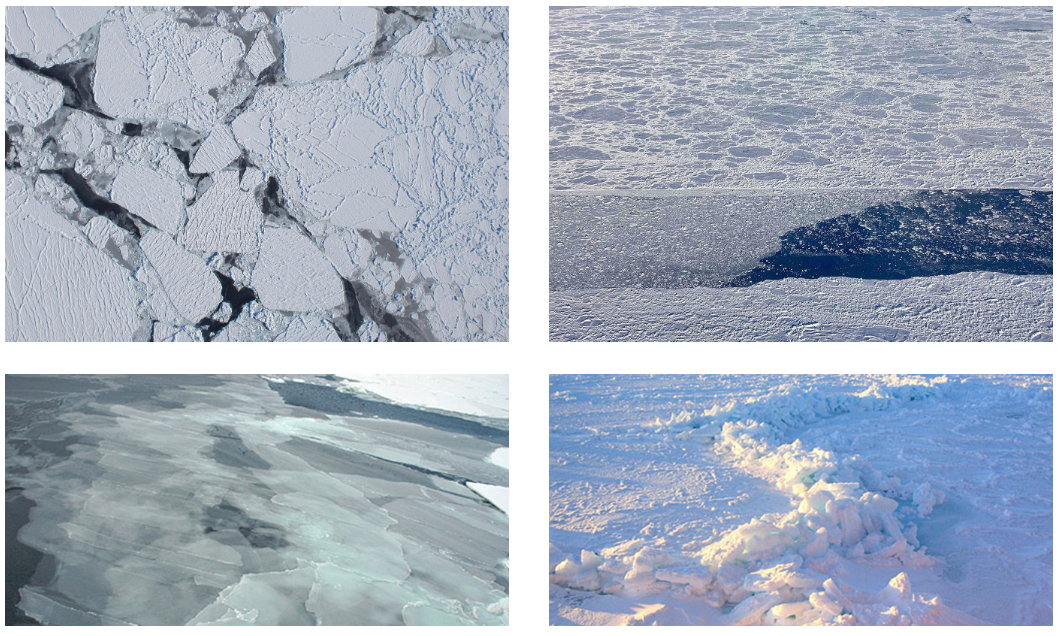
Compared to Earth: Surface patterns resemble deformed sea ice on Earth, implying mechanical exchange between surface ice and a subsurface layer.

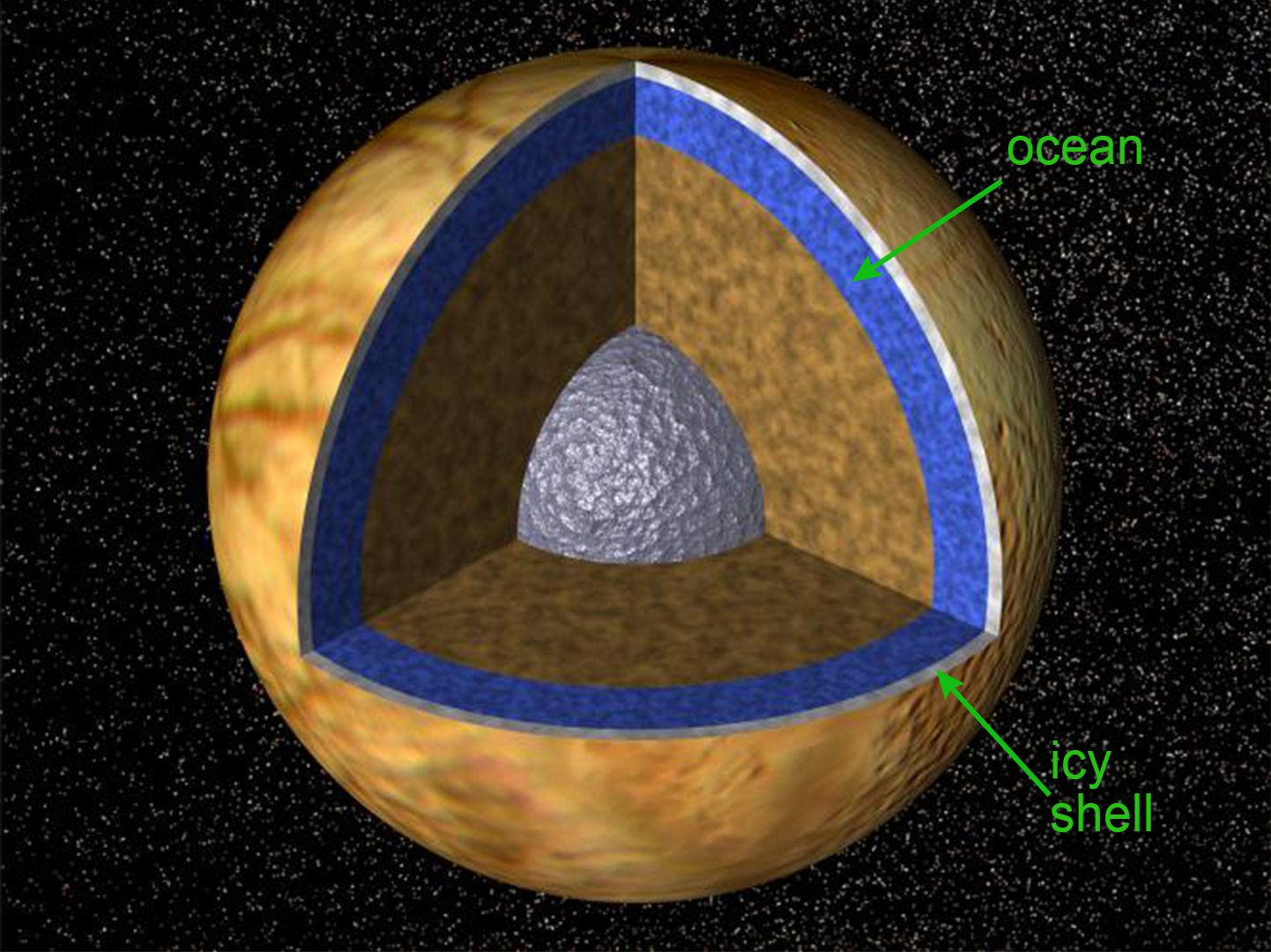
Interior Structure: Interior models and surface geology point to a layered body with a global ocean beneath the ice.

  • Interpretation

    • Structural evidence strongly supports a present subsurface ocean

    • Has not been directly sampled

  • Takeaway

    • Europa is a leading candidate for a global subsurface ocean beneath an active, fractured ice shell.

Ɛhia
0.5
Asemmisa {{asɛmmisaAhyɛnsode}}
8.

What is a significant feature on Europa's surface?

Ɛhia
0.5

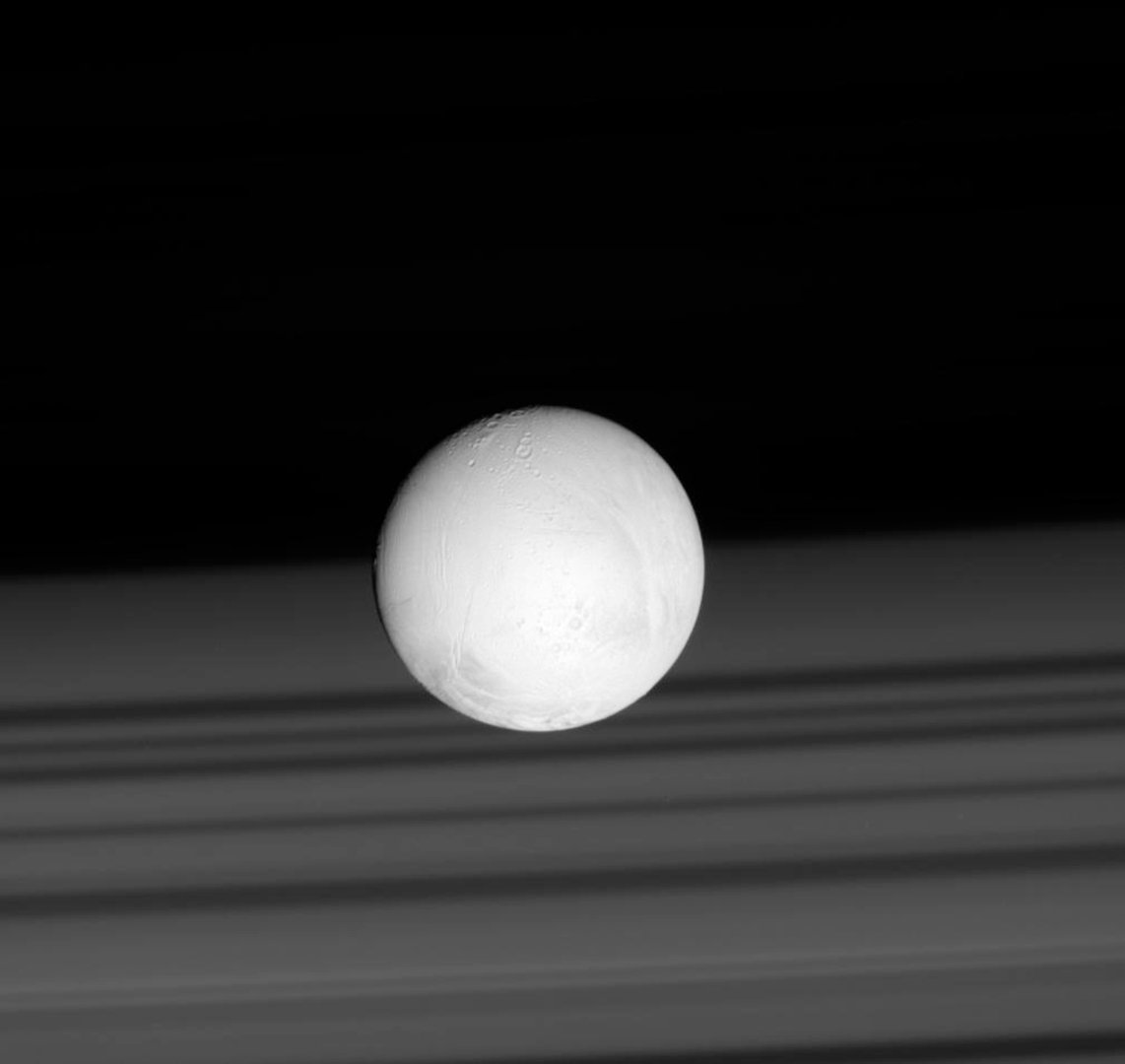
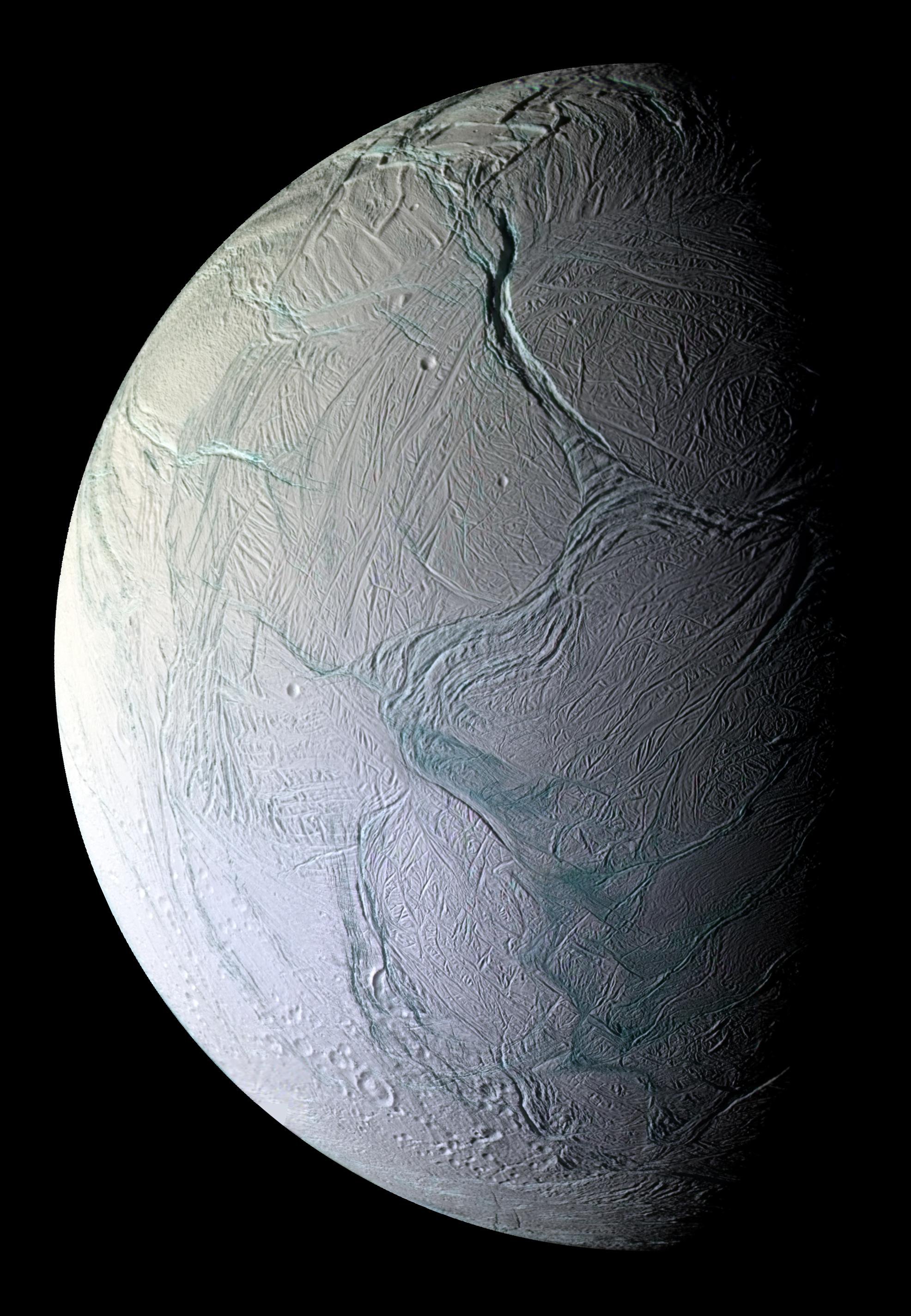
Enceladus

  • Discovered: 1789

  • Type: Icy moon

  • Location: Moon of Saturn

  • Diameter: 313 miles (504 kilometers)

  • Orbital Period: 32.9 hours

  • Length of Day: 32.9 hours

  • Mass: About 680 times less than the mass of Earth’s Moon

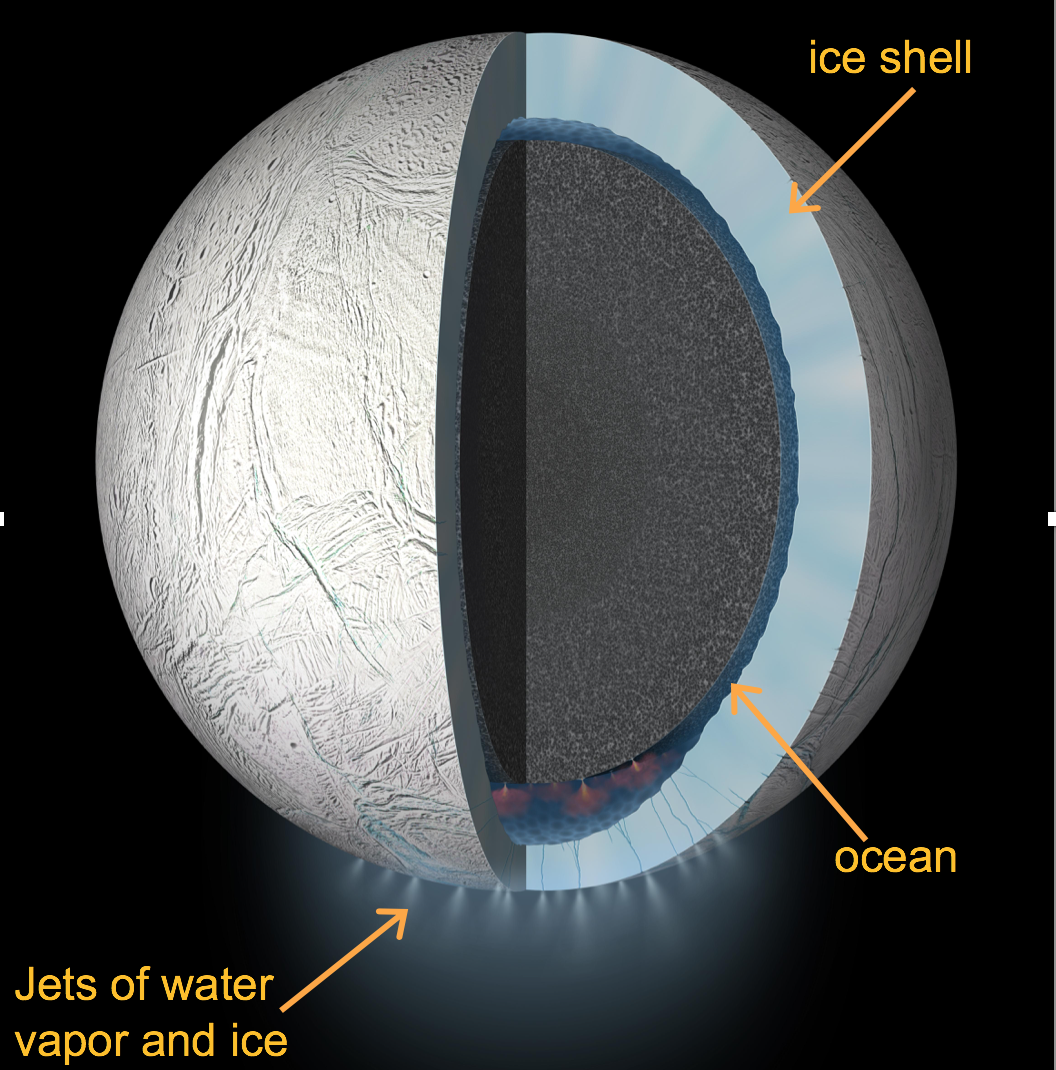
Active jets and sprays erupting from fractures near the south pole (“tiger stripes”).

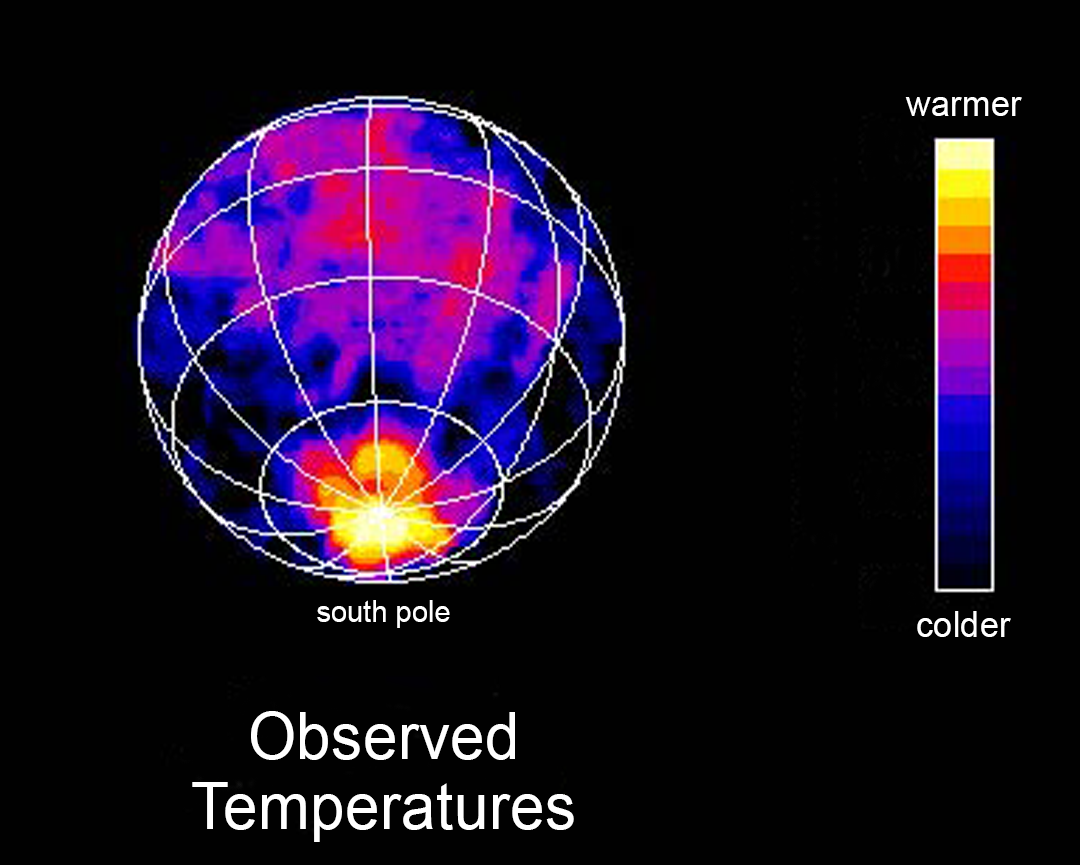
Thermal maps show warm regions at the jet sources, indicating internal heat.

Spacecraft plume sampling detected water vapor, ice grains, salts, and organics in the ejected material.

Enceladus’s small orbital wobble indicates large volumes of shifting liquid—like Earth’s tides—providing evidence of a global ocean and generating enough tidal heating to keep subsurface water liqui

d.

  • Interpretation: direct, ongoing venting of subsurface water or slushy reservoirs — strong evidence for present liquid water activity.

  • Takeaway: Enceladus provides direct, active evidence of subsurface water via warm vents and sampled plume material.

Ɛhia
0.5
Asemmisa {{asɛmmisaAhyɛnsode}}
10.

What do the active jets on Enceladus indicate?

Ɛhia
0.5

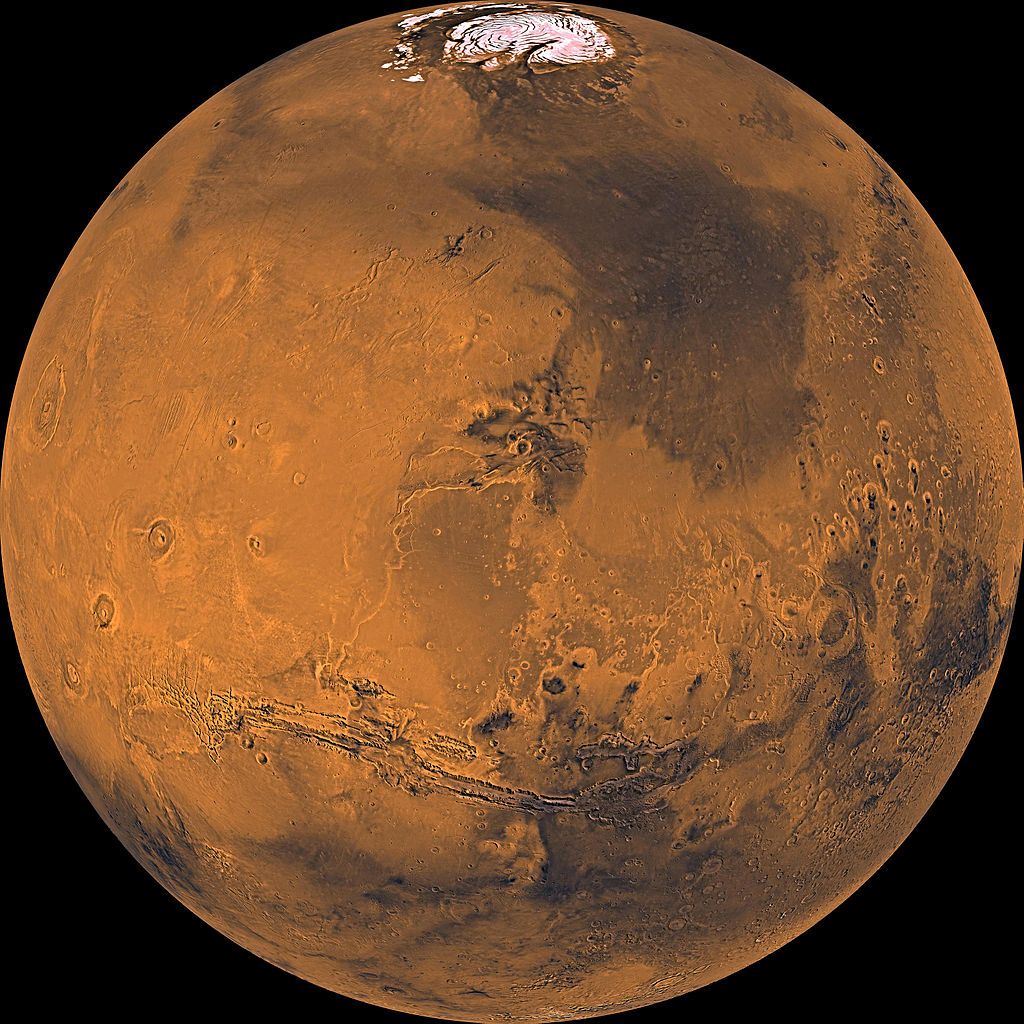
Mars

  • Discovered: Known to ancient observers

  • Type: Terrestial planet

  • Location: 4th Planet from the Sun

  • Diameter: 4,212 miles (6,779 kilometers)

  • Orbital Period: 687 Earth days

  • Length of Day: 24.6 hours

  • Mass: About 7.36 times the mass of Earth’s Moon

The Decade of Mars: How the 2020s May Be a New Era of Red Planet  Exploration | Space

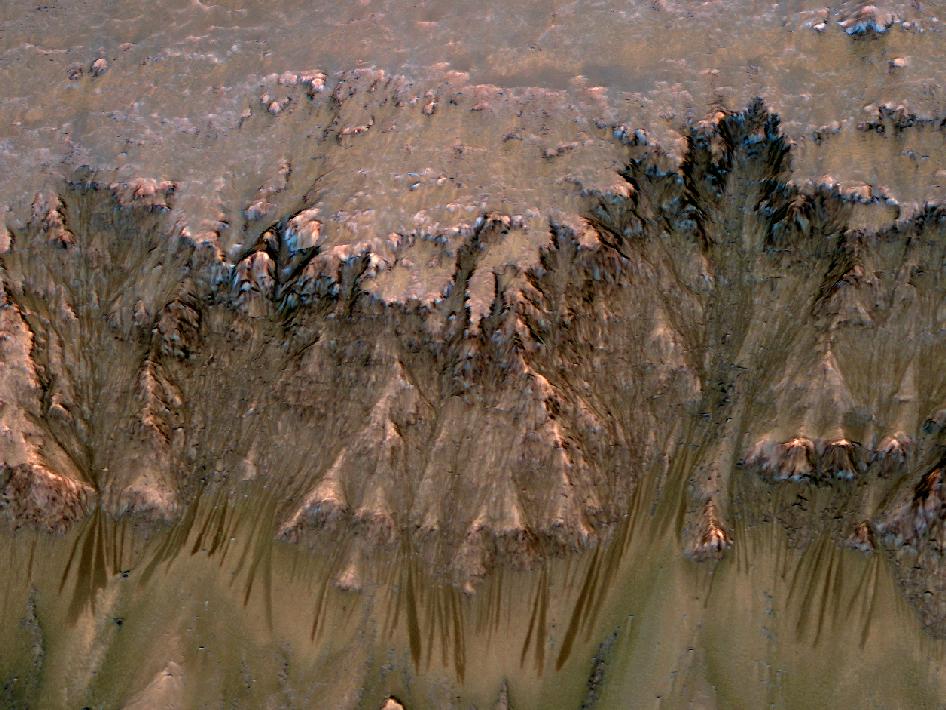
Surface Features: Dry river valleys, outflow channels, layered sedimentary rocks, and ancient lakebeds visible in imagery.

Rain or snow likely formed Martian rivers | University of Chicago News

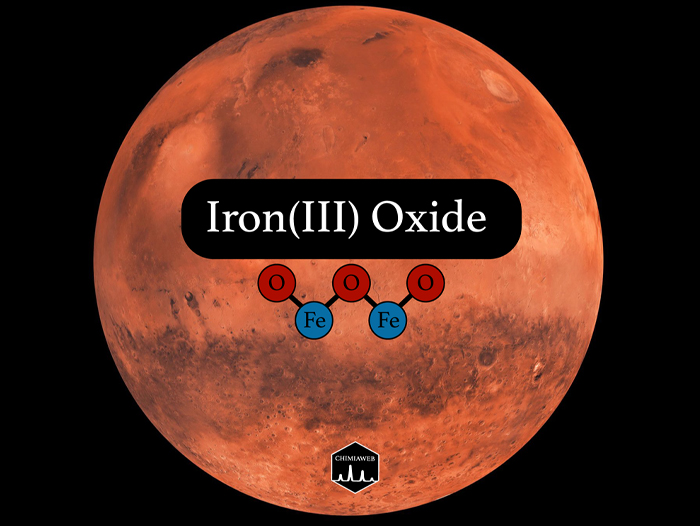
Minerals: Iron oxides, clays, and sulfate salts identified by spectral instruments—minerals that form in the presence of water.

What Chemical Makes Mars the Red Planet? – chimiaweb

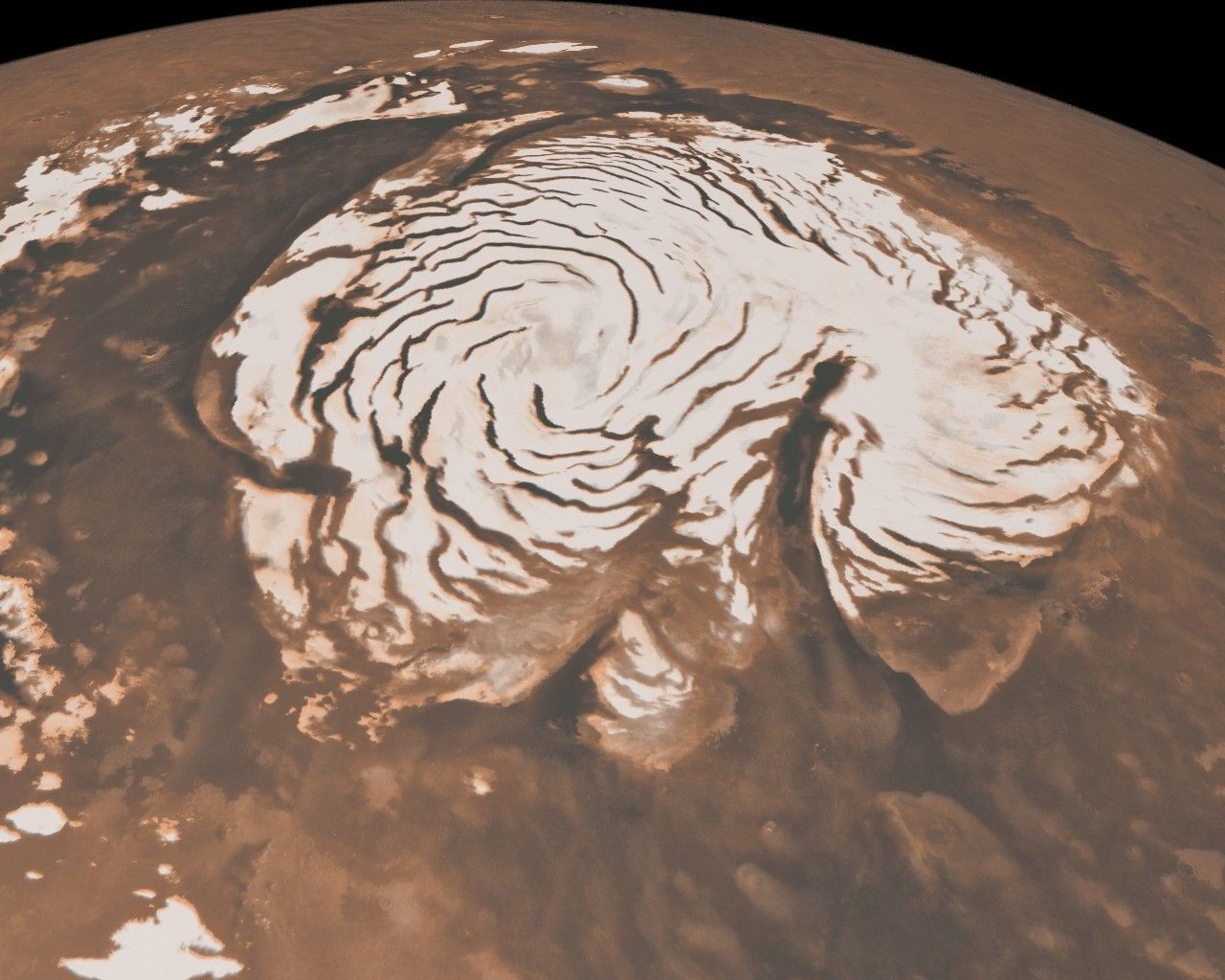
Polar ice caps and mid‑latitude buried ice: water ice present today in polar caps and detected beneath the surface.

Northern Ice Cap of Mars - NASA Science

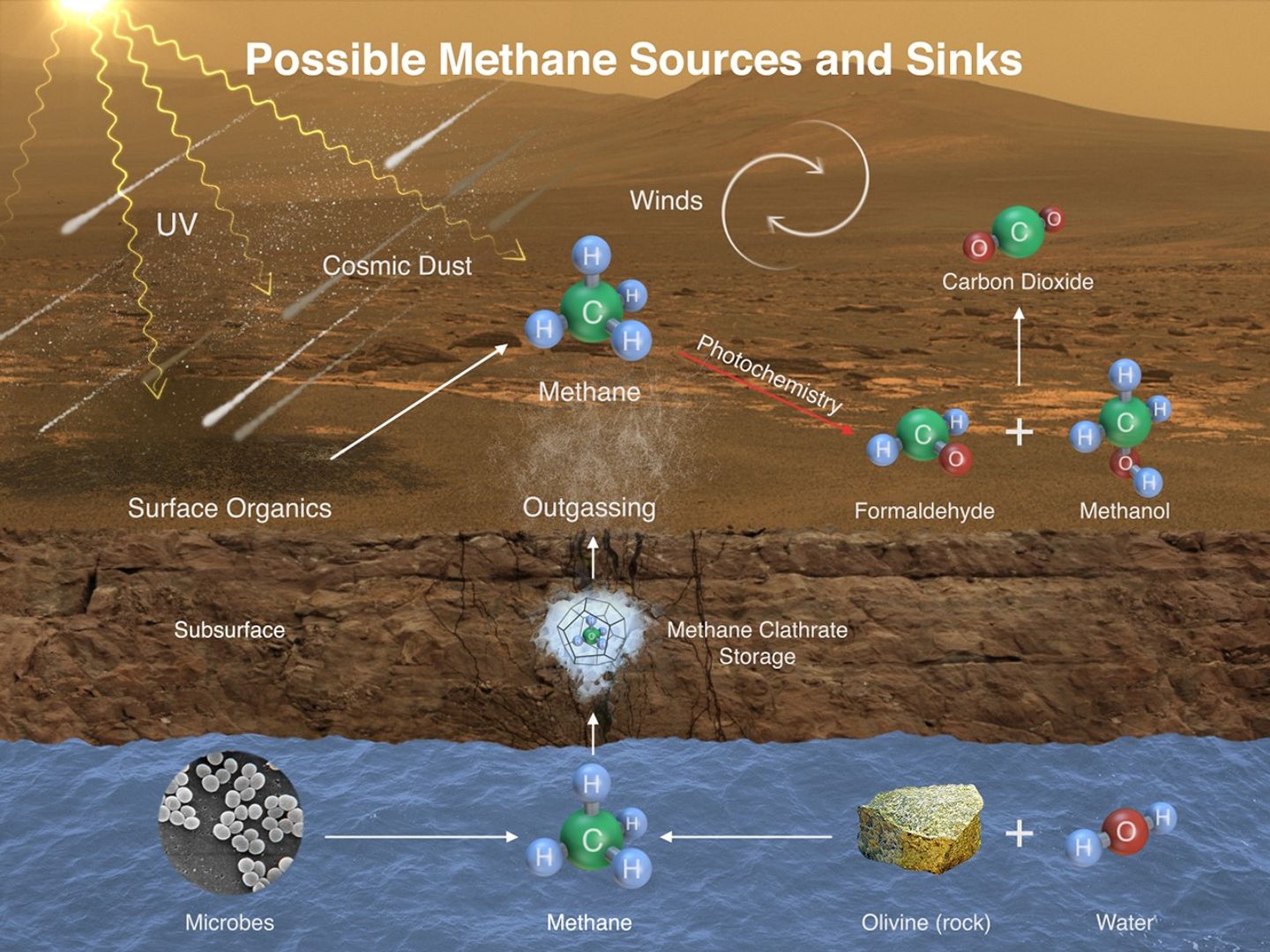
Seasonal methane detections is a debated hint of subsurface fluids.

This illustration portrays possible ways methane might be added to Mars' atmosphere (sources) and removed from the atmosphere (sinks). NASA's Curiosity Mars rover has detected fluctuations in methane concentration in the atmosphere, implying both types of activity occur on modern Mars.

  • Interpretation: Strong evidence for abundant past liquid water and present ice; occasional localized or transient (moving) liquid processes remain uncertain.

  • Takeaway: Mars shows clear signs of past water activity and retains ice today, making it a key target for studying past habitability.

Water on Mars: Exploration & Evidence | Space

Ɛhia
0.5
Asemmisa {{asɛmmisaAhyɛnsode}}
12.

What evidence suggests Mars had water in the past?

Ɛhia
0.5
Asemmisa {{asɛmmisaAhyɛnsode}}
14.

Based on the information above, where do you think water is most likely to be found?

No right or wrong answer!

Asemmisa {{asɛmmisaAhyɛnsode}}
15.

You are part of a NASA team planning a mission with the goal of finding water in the solar system besides Earth.

  • Where would you send the mission?

  • Give 2 pieces of evidence to justify your decision.

Asemmisa {{asɛmmisaAhyɛnsode}}
6.

What type of geological activity suggests water on Ceres?

Asemmisa {{asɛmmisaAhyɛnsode}}
7.

What kind of evidence indicates brines (salty water) on Ceres?

Asemmisa {{asɛmmisaAhyɛnsode}}
9.

What is believed to exist beneath Europa's ice?

Asemmisa {{asɛmmisaAhyɛnsode}}
11.

What does Enceladus’s orbital wobble suggest?

Asemmisa {{asɛmmisaAhyɛnsode}}
13.

Where are water ice deposits found on Mars?