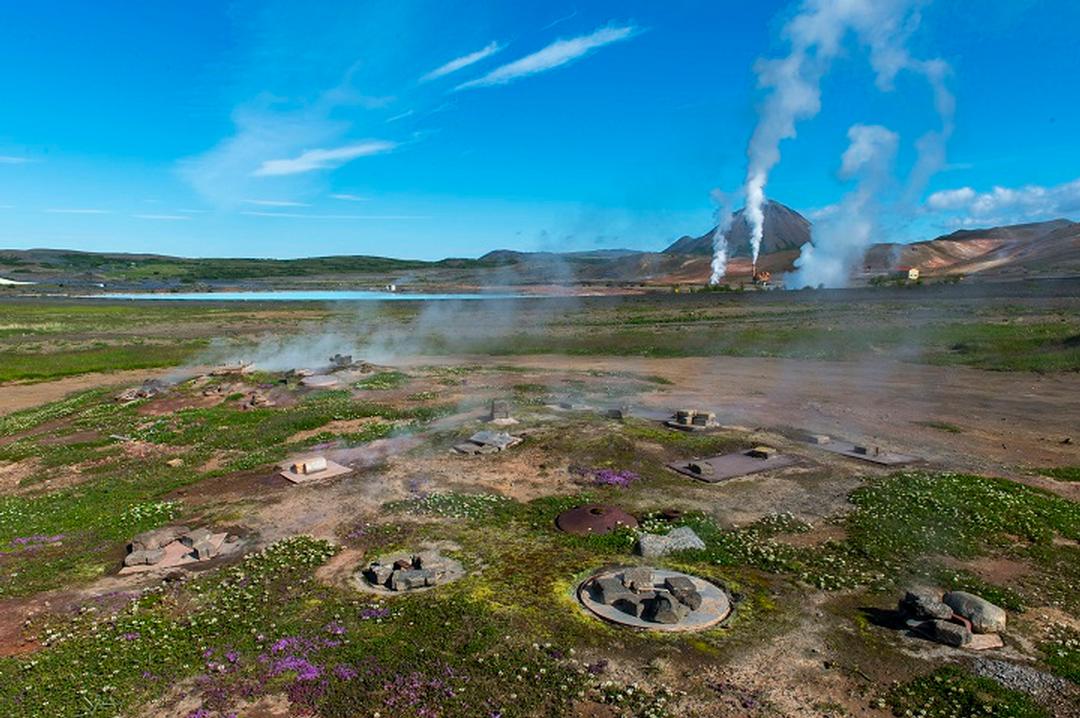
Have you ever made bread before, bread can be baked in loaf pans, baguette pans, or even Dutch ovens like the one shown. 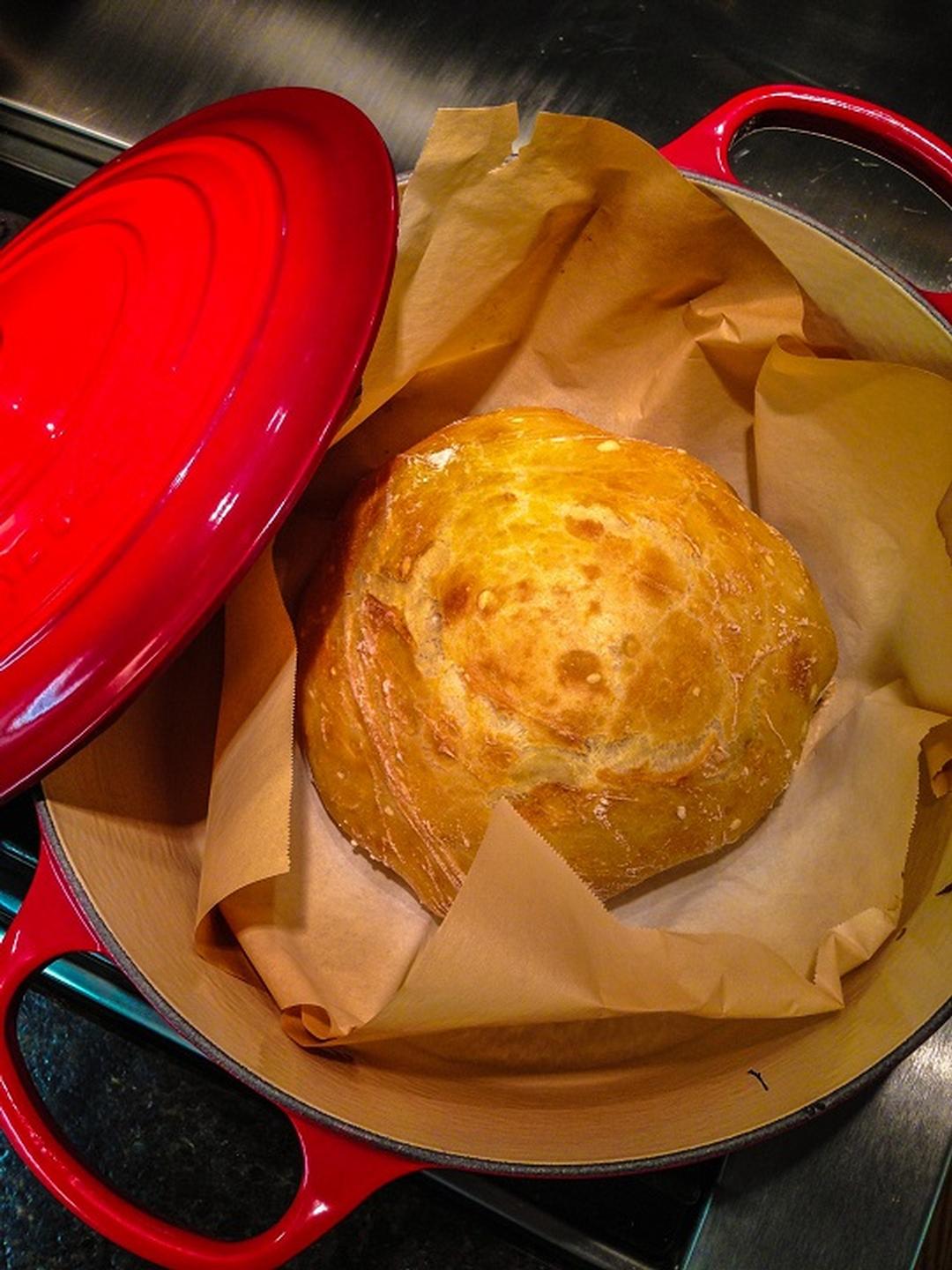 Some people might say they place their Dutch oven in their oven at home, or maybe into a campfire. But if they lived in Iceland, they would say they put it in the ground! Locals have been taking advantage of Iceland’s natural hot springs for generations. They bathe in them, harness their energy to power the country, and even cook in them! To bake Iceland’s famous “lava bread,” you simply dig a hole near a hot spring, let the hole fill with the boiling groundwater, place your covered pot inside, cover and mark the hole, and come back the next day for freshly baked bread. This interesting cooking method is not limited to Iceland, however. In the Azores islands, you can cook Cozida das Furnas—a meat and vegetable stew—in hot springs. In Rotorua, New Zealand, food has been boiled and steamed using hot springs for more than 100 years. And tourists in Japan’s Yunomine Onsen can cook their own meal using water from the local hot springs.
 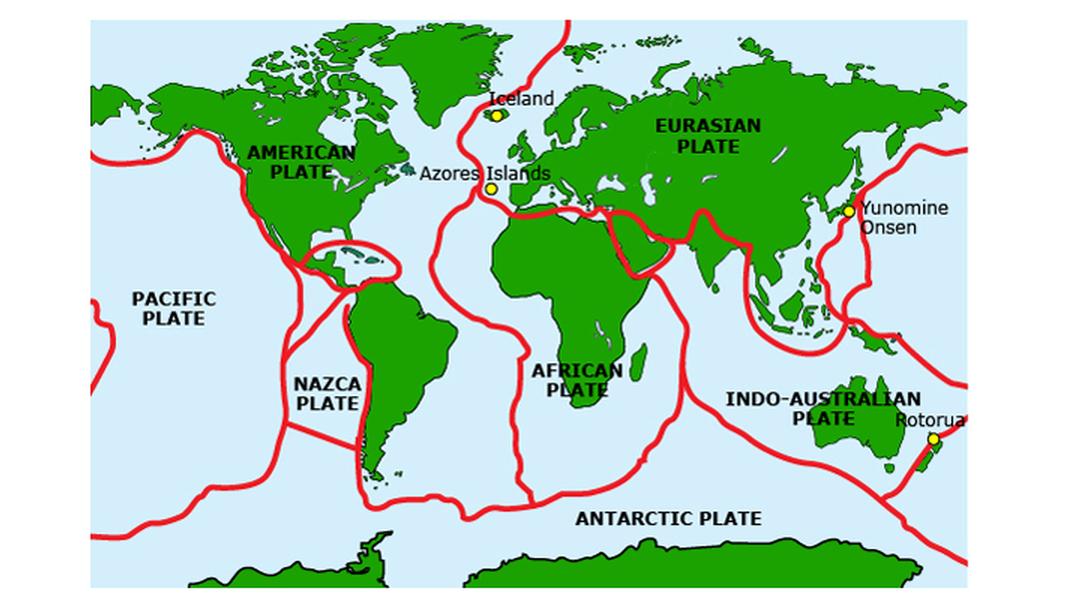 Which of the following facts could be used in an explanation of why cooking using hot springs is possible? You may choose more than one.
Have you ever made bread before, bread can be baked in loaf pans, baguette pans, or even Dutch ovens like the one shown.
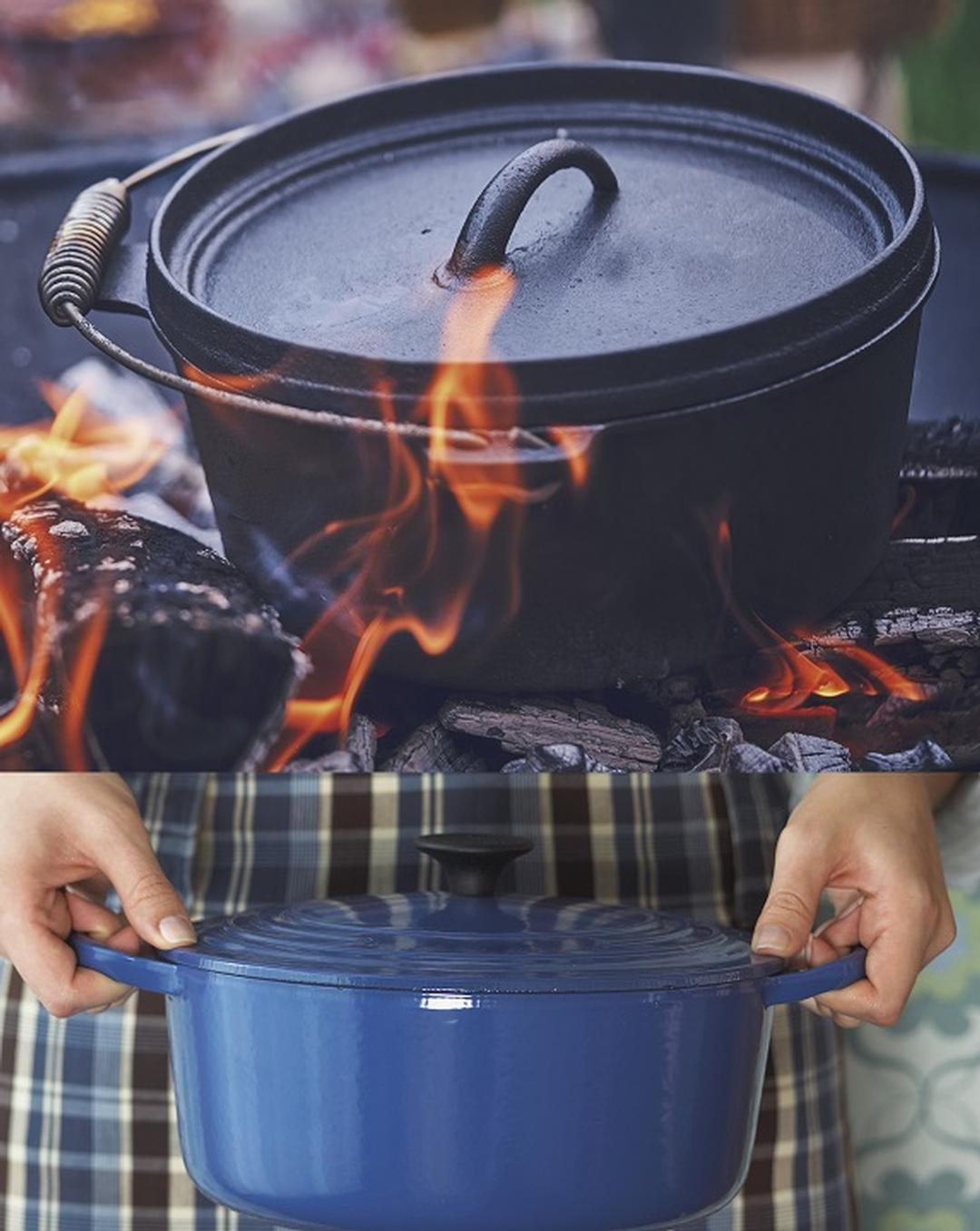 We can measure the amount of thermal energy that is transferred in a system using the formula.
  Plan an experiment to prove that energy will flow from water into an object or from an object into water. Explain what quantitative data you would collect and how you would analyze your data. How could your data help you determine if the reaction was endothermic or exothermic?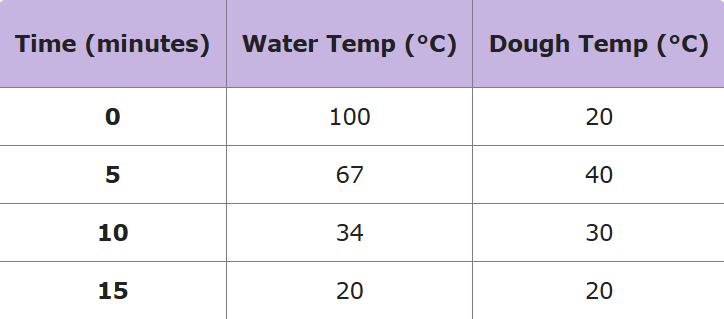
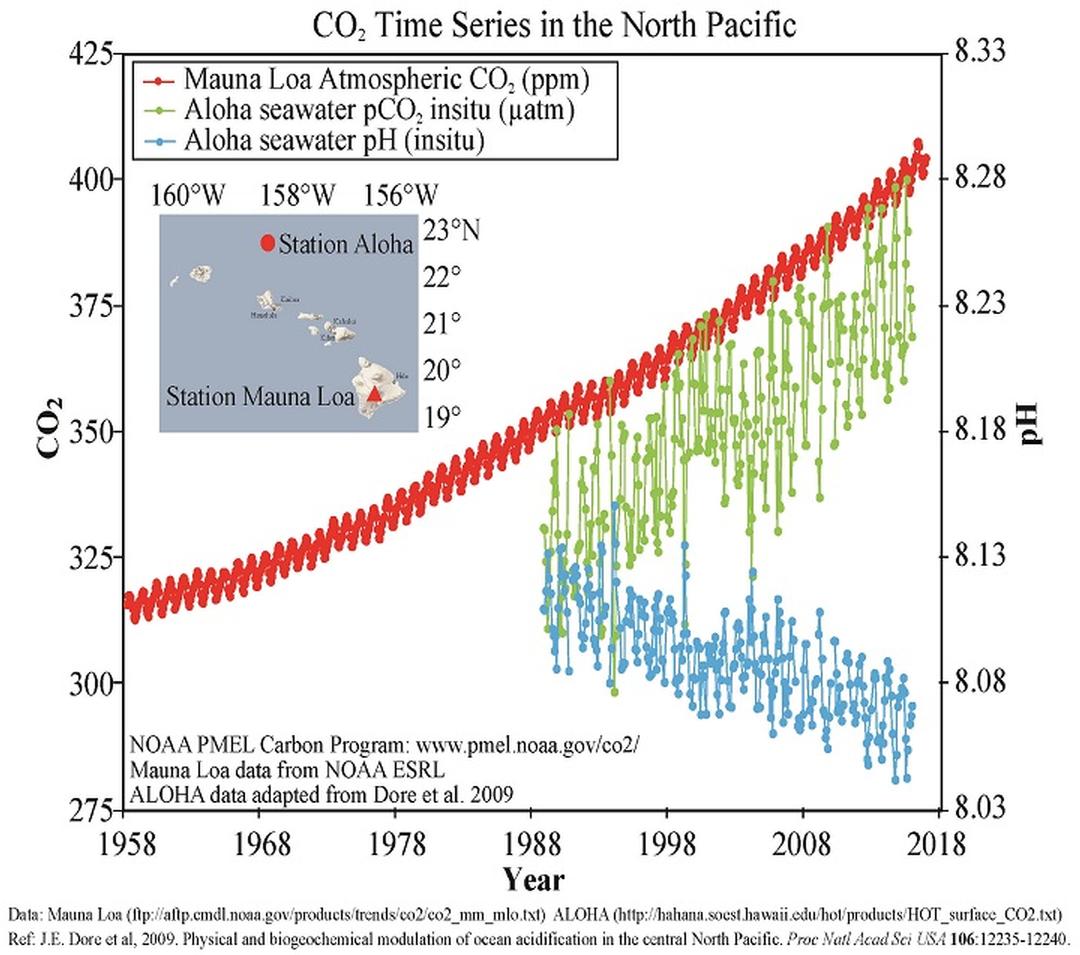
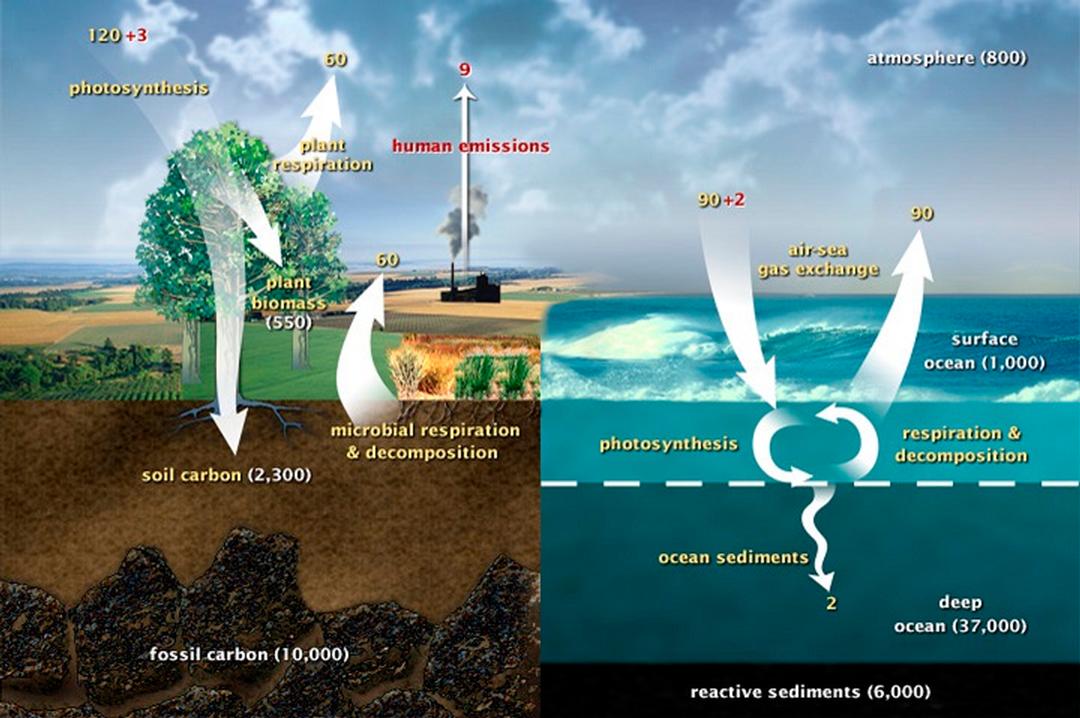 Carbon Dioxide Time Sheet in the North Pacific
 Change in Leaf Area Map
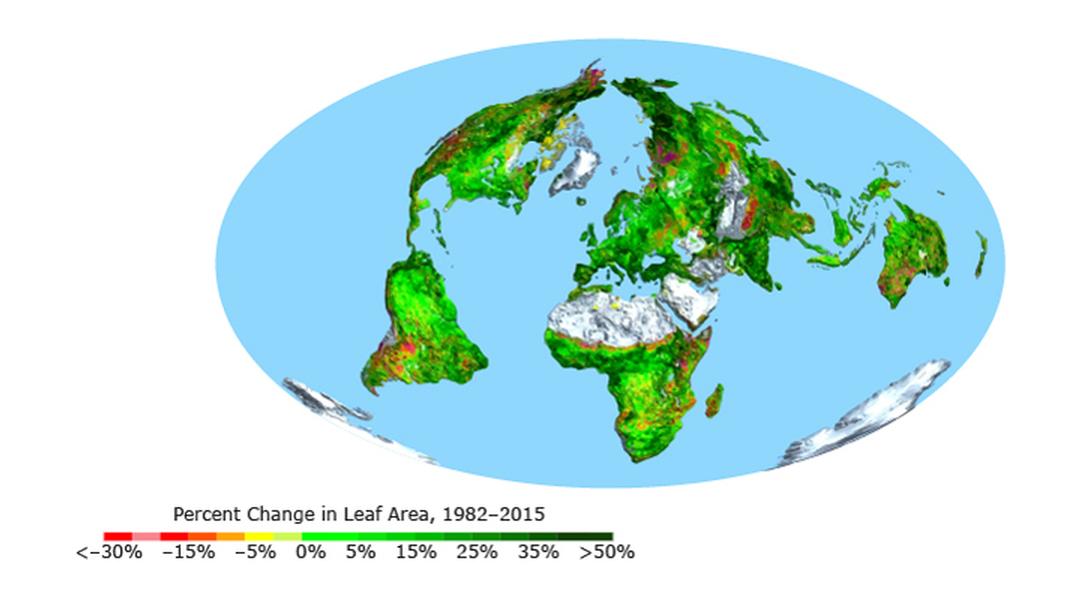 Use the diagram, graph, and map to complete the following paragraph using dropdowns.