Which countries made up the Central Powers during World War I?
Which countries made up the Allied Powers at the beginning of World War I?
Which of the following was NOT one of the four main causes of World War I?
World War I was characterized by this type of warfare.
GERMAN PROVOCATION Germany's leaders hoped to defeat Britain by resuming unrestricted submarine warfare. On January 31 the kaiser announced that U-boats would sink all ships in British waters – hostile or neutral – on sight. Wilson was stunned. The German decision meant that the United States would have to go to war. However, the president held back, saying that he would wait for "actual overt acts" before declaring war.
The overt acts came. First was the Zimmermann note, a secret telegram from the German foreign minister to the German ambassador in Mexico that was intercepted and decoded by British agents. The telegram proposed an alliance between Mexico and Germany and promised that if war with the United States broke out, Germany would support Mexico in recovering "lost territory in Texas, New Mexico, and Arizona." The Germans hoped that an American war with Mexico would keep the United States out of the war in Europe. Excerpts of the telegram were printed in newspapers. The American public was outraged. On top of this, the Germans sank four unarmed American merchant ships, with a loss of 36 lives, further angering Americans.
According to the paragraph above, which of the following two (2) options are reasons why the United States was angry with Germany?
"Property can be paid for; the lives of peaceful and innocent people cannot be. The present German submarine warfare against commerce is a warfare against mankind... We are glad... to fight... for the ultimate peace of the world and for the liberation of its peoples. ... The world must be made safe for democracy.... We have no selfish ends to serve. We desire no conquest, no dominion. We seek no indemnities. ... It is a fearful thing to lead this great peaceful people into war... But the right is more precious than peace."
—President Woodrow Wilson, quoted in American Voices
Which of the following actions by Germany does Woodrow Wilson identify as a "warfare against mankind?"
America Mobilizes
The United States was not prepared for war. Only 200,000 men were in service when war was declared, and few officers had combat experience. Drastic measures were needed to build an army large and modern enough to make an impact in Europe.
RAISING AN ARMY To meet the government’s need for more fighting power, Congress passed the Selective Service Act in May 1917. The act required men to register with the government in order to be randomly selected for military service. By the end of 1918, 24 million men had registered under the act. Of this number, almost 3 million were called up. About 2 million troops reached Europe before the truce was signed, and three-fourths of them saw actual combat. Most of the inductees had not attended high school, and about one in five was foreign-born.
The eight-month training period took place partly in the United States and partly in Europe. During this time, the men put in 17-hour days on target practice, bayonet drill, kitchen duty, and cleaning up the grounds. Since real weapons were in short supply, soldiers often drilled with fake weapons. They used rocks instead of hand grenades or wooden poles instead of rifles.
According to the paragraph above, which of the following statements best describes the purpose of the Selective Service Act?

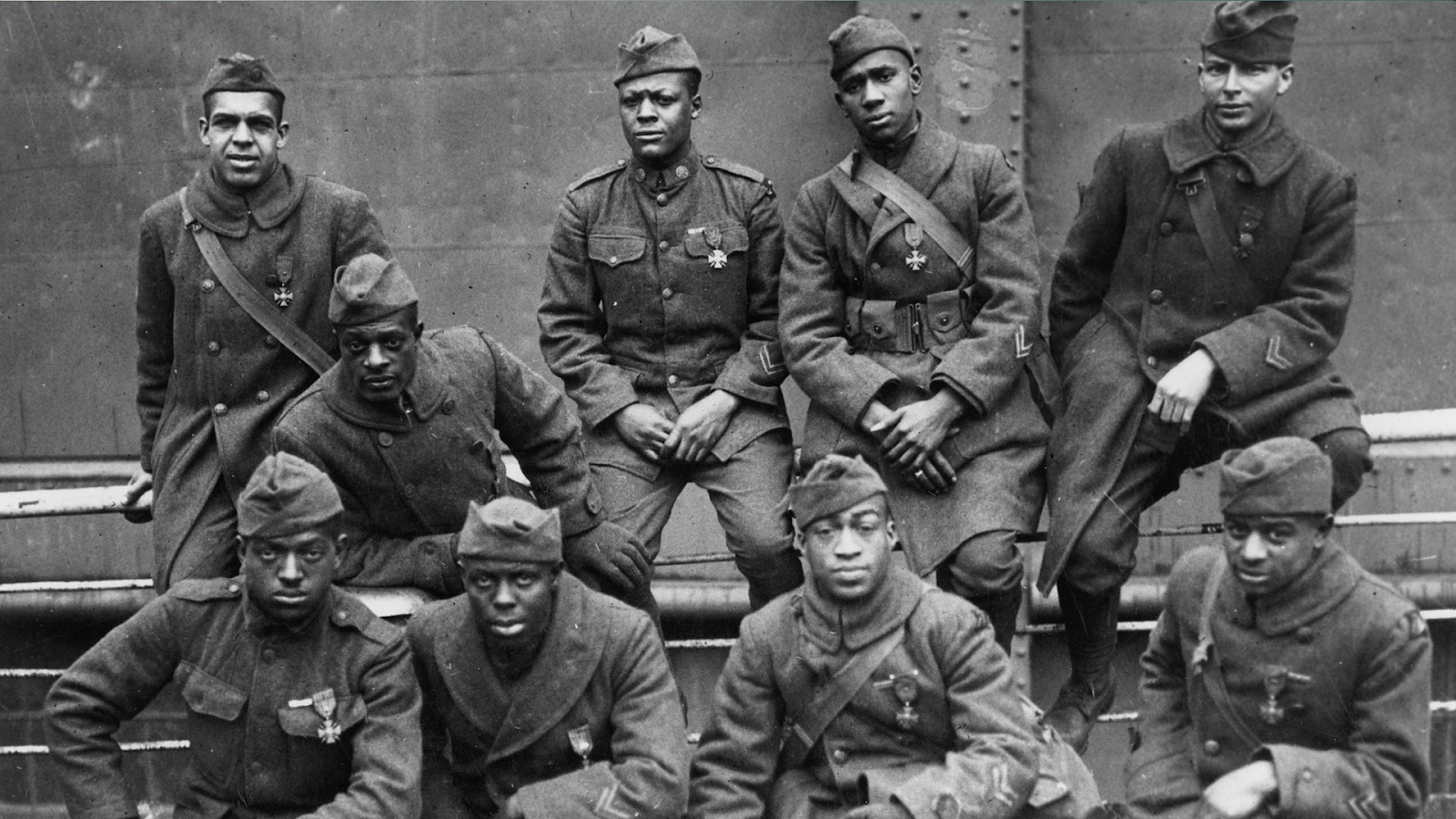
“Now is the opportunity to prove what we can do. If we can’t fight and die in this war just as bravely as white men, then we do not deserve equality with white men. . . . But if we can do things at the front; if we can make ourselves felt; if we can make America really proud.... then it will be the biggest possible step toward our equalization as citizens.”
– a U.S. Army lieutenant, from The Crisis, August 1918
Which of the following statements best describes why many minority groups were eager to serve in the war?
“Now is the opportunity to prove what we can do. If we can’t fight and die in this war just as bravely as white men, then we do not deserve equality with white men. . . . But if we can do things at the front; if we can make ourselves felt; if we can make America really proud.... then it will be the biggest possible step toward our equalization as citizens.”
– a U.S. Army lieutenant, from The Crisis, August 1918
How did the way minority groups were treated as civilians compare with how they were treated during their service in the military?


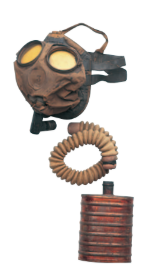
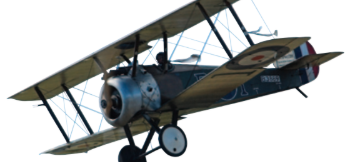
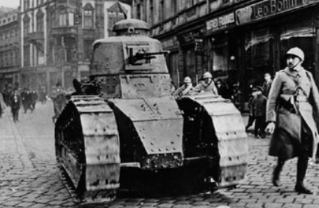
The new technology used during World War I…
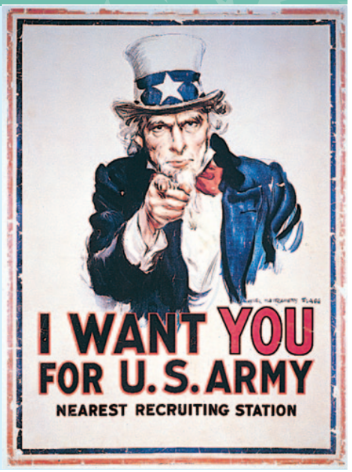
Uncle Sam the Recruiter
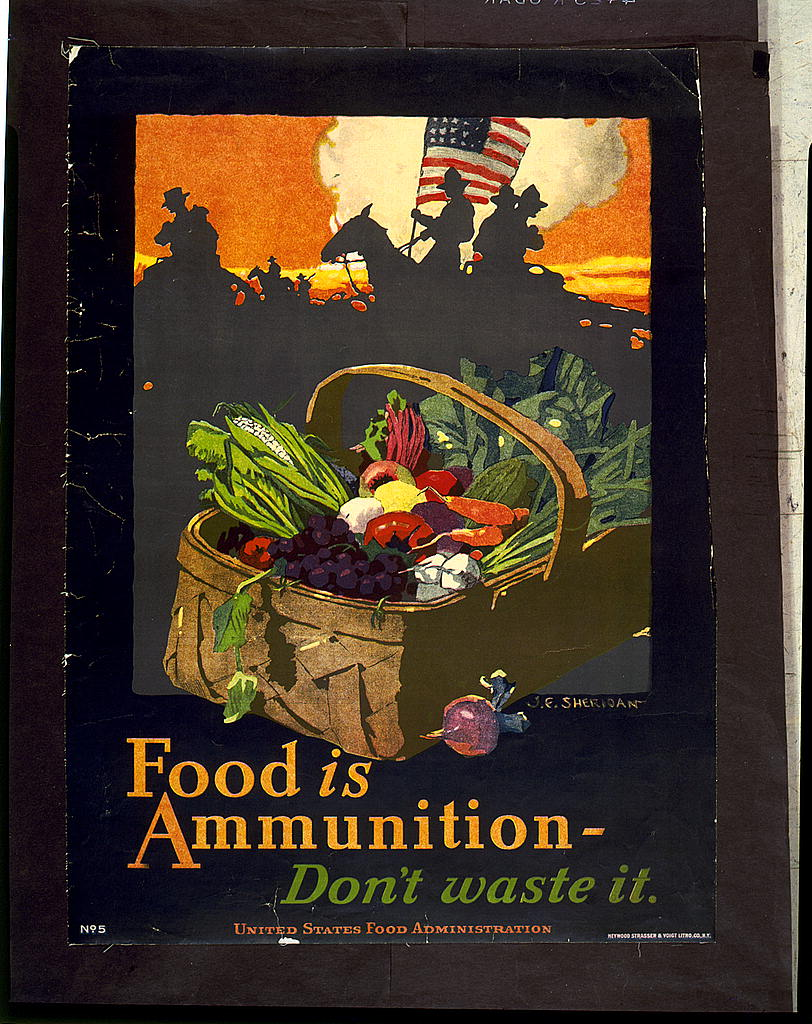
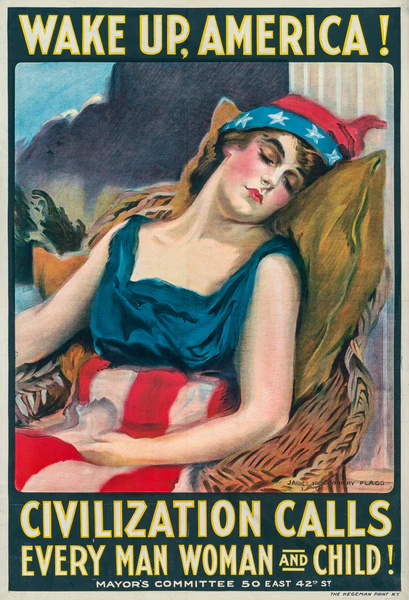
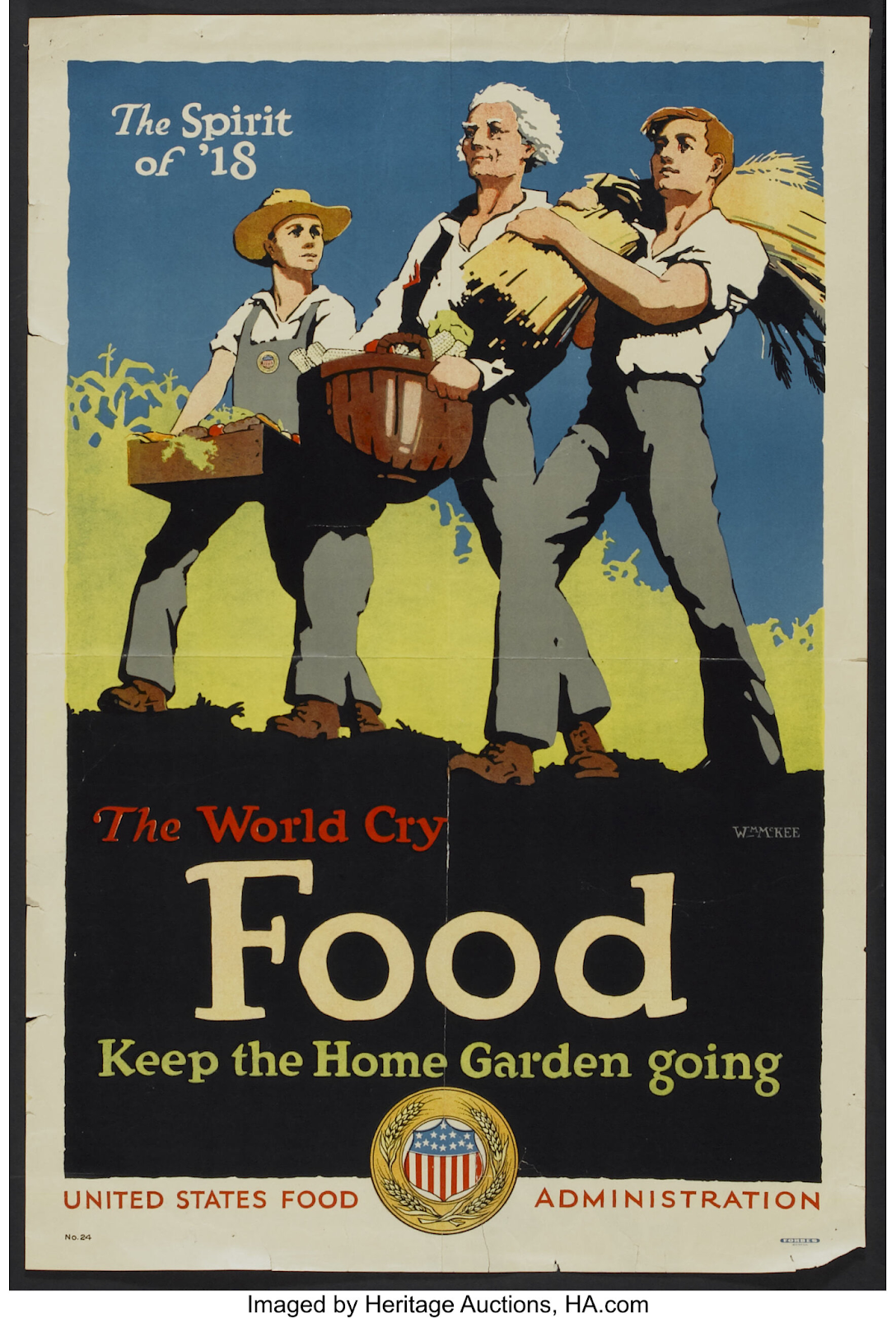
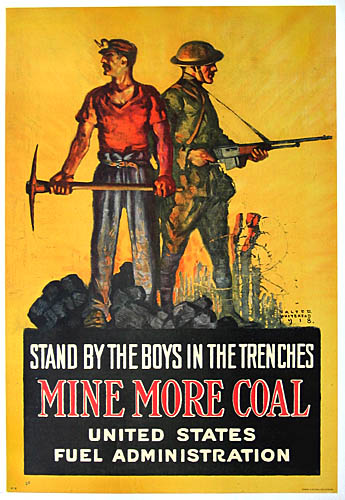
Before motion pictures and television were commonplace, the poster was an important visual medium. Easily produced and displayed, posters captured the immediate attention of the public.
In an effort to increase military recruitment, the U.S. government hired artists to create posters to appeal to a sense of patriotism in young men. James Montgomery Flagg’s portrayal of a stern Uncle Sam became the most famous recruiting poster in American history.
How does this poster use patriotic symbolism? (pick 2 answers)


Posters such as these demonstrate the use of _________________ to gain support for the war effort.


Why were posters such as these effective?


What do these posters indicate about the United States government’s involvement in the wartime economy?


How are these posters encouraging people to get involved in the war at home?
“Once lead this people into war and they’ll forget there ever was such a thing as tolerance. To fight you must be brutal and ruthless, and the spirit of ruthless brutality will enter into the very fiber of our national life, infecting Congress, the courts, the policeman on the beat, the man in the street. Conformity would be the only virtue, and every man who refused to conform would have to pay the penalty.”
–Woodrow Wilson
According to this quote, what does Woodrow Wilson fear?
“Once lead this people into war and they’ll forget there ever was such a thing as tolerance. To fight you must be brutal and ruthless, and the spirit of ruthless brutality will enter into the very fiber of our national life, infecting Congress, the courts, the policeman on the beat, the man in the street. Conformity would be the only virtue, and every man who refused to conform would have to pay the penalty.”
–Woodrow Wilson
How were Woodrow Wilson's fears reflected in American society at the time?

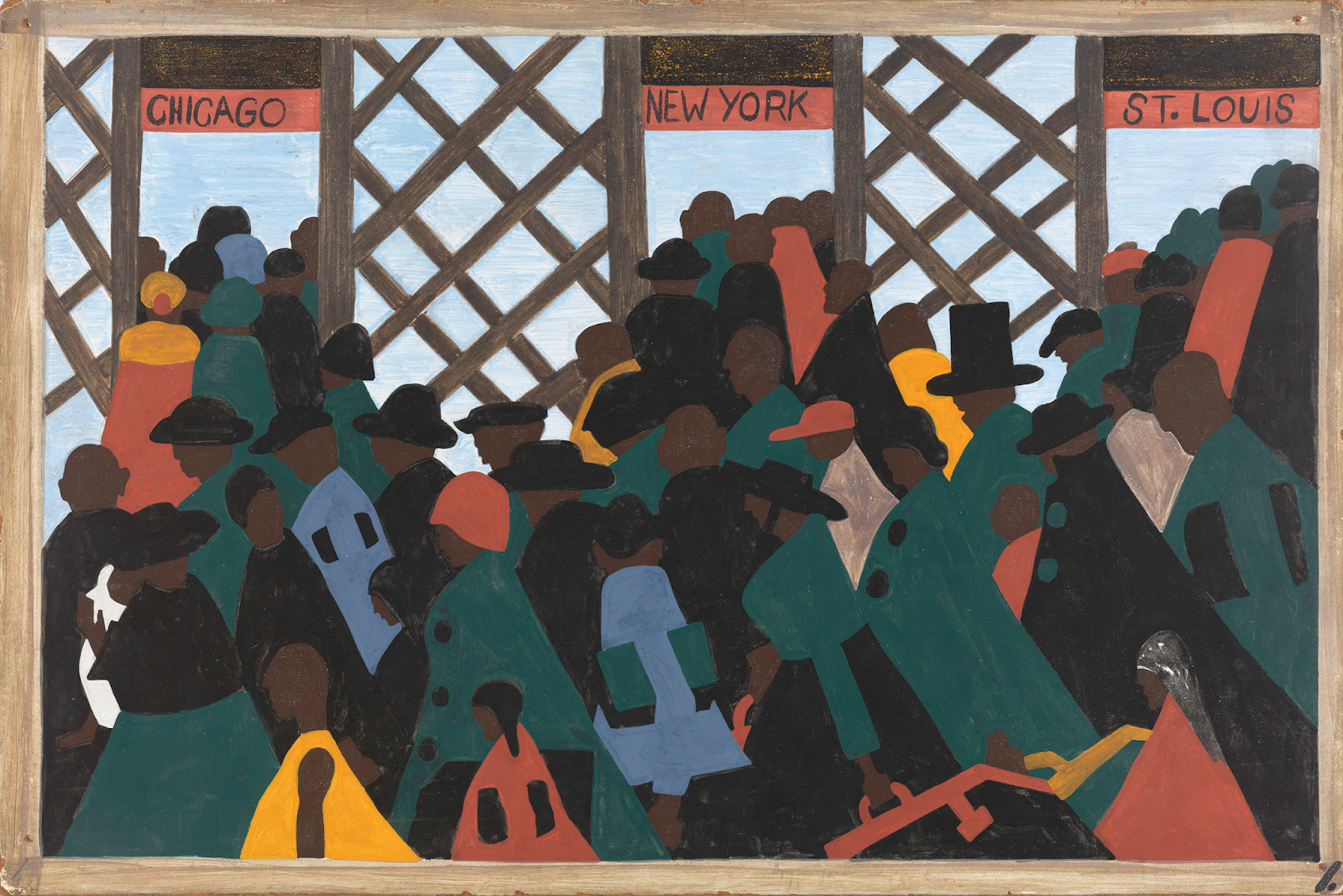
"We are bitter no more; we are leaving! We are leaving our homes, pulling up stakes to move on. We look up at the high southern sky and remember all the sunshine and all the rain and we feel a sense of loss, but we are leaving. We look out at the wide green fields which our eyes saw when we first came into the world and we feel full of regret, but we are leaving. We scan the kind black faces we have looked upon since we first saw the light of day, and, though pain is in our hearts, we are leaving. We take one last furtive look over our shoulders to the Big House—high upon a hill beyond the railroad tracks—where the Lord of the Land lives, and we feel glad, for we are leaving.”
-Richard Wright, quoted in 12 Million Black Voices
Which social change do this image and quote refer to?
Wilson’s Fourteen Points | |||||
|
| ||||
“We entered this war because violations of right had occurred which… made the life of our own people impossible unless they were corrected and the world secured once for all against their recurrence. What we demand in this war, therefore, is nothing peculiar to ourselves. It is that the world be made fit and safe to live in; and particularly that it be made safe for every peace-loving nation which, like our own, wishes to live its own life, determine its own institutions, be assured of justice and fair dealing by the other peoples of the world as against force and selfish aggression.”
– Woodrow Wilson
How do Wilson’s Fourteen Points address the causes of World War I?
Which of the following was NOT a weakness of the treaty of Versailles?