Exploring Life's Building Blocks: Cells, Genetics, and the Processes of Life

Last updated 7 days ago
44 questions
Compare and contrast prokaryotic and eukaryotic cells, including plant, animal, and fungal cells, to understand their structures and functions.
Cells are the building blocks of all living things. Let's dive into the exciting world of cells by comparing and contrasting two main types: prokaryotic cells and eukaryotic cells! **Prokaryotic Cells**: These cells are the simplest form of life. Picture the tiniest superheroes—like bacteria! Prokaryotic cells are small, usually just a few micrometers wide, and they don’t have a nucleus. Instead, their genetic material (DNA) is loose and floating in the cell. They also lack many of the specialized structures that eukaryotic cells have, but they do have cell walls and membranes to keep everything safe and sound. Because they are so simple, prokaryotes are great at reproducing quickly, which is why we see them everywhere, from our skin to the bottom of the ocean! **Eukaryotic Cells**: Now, let’s talk about the more complex superhero squad! Eukaryotic cells, which make up plants, animals, and fungi, are larger and have a nucleus that contains their DNA, like a treasure chest holding the cell's most important information. They also boast many specialized structures called organelles, like mitochondria (the powerhouse of the cell) and endoplasmic reticulum (like a factory for making proteins). - **Plant Cells**: These eukaryotic cells have a cell wall made of cellulose, which offers them support and shape. They also contain chloroplasts, the green powerhouse where photosynthesis happens—this is how plants turn sunlight into energy to grow! - **Animal Cells**: Unlike plant cells, animal cells don’t have a cell wall but they do have a flexible cell membrane. They rely on us eating plants (and other animals) for energy since they don’t have chloroplasts! Animal cells are all about agility and being able to move and adapt. - **Fungal Cells**: Fungi are unique. Their cells have a cell wall too, but it’s made of chitin, not cellulose like plants. They play a vital role in decomposition, breaking down organic materials to recycle nutrients back into the ecosystem. **Comparing and Contrasting**: - Prokaryotic cells are simple and tiny, while eukaryotic cells are larger and more complex. - Prokaryotes lack a nucleus and organelles; eukaryotes have both. - All eukaryotic cells have specialized functions (like plants using sunlight and animals being active) that make them unique. Now you’ve got the scoop on prokaryotic and eukaryotic cells! Whether it’s bacteria buzzing around or a tree reaching for the sky, understanding these tiny heroes helps us appreciate the amazing diversity of life on Earth!
1

Which type of cell lacks a nucleus?

1

What structure is unique to plant cells and aids in photosynthesis?

1

Describe one major difference between prokaryotic and eukaryotic cells.

1

Animal cells have a cell wall.

1

Select all types of eukaryotic cells mentioned in the passage.

Explain and model the processes of mitosis and meiosis, highlighting their roles in asexual and sexual reproduction, and discuss how chromosome numbers are maintained or varied in daughter cells.
Imagine a magic show where cells transform to make new ones—welcome to the fascinating world of mitosis and meiosis! These two processes are like the blockbuster stars of cell division, each playing a unique role in life. First up is *mitosis*! Think of mitosis as a cell's way of making a clone. When a cell wants to grow or repair itself, it undergoes mitosis. This process starts with one parent cell that makes two identical daughter cells. How does it do that? Well, the chromosomes (the cool little packages of DNA) double during the S phase of the cell cycle and line up in the middle of the cell. Then, the magic happens! The cell splits and sends one set of chromosomes to each daughter cell, making sure they both have the same number of chromosomes as the original cell. If our parent cell has 46 chromosomes, each daughter cell will have 46 too. This is super important for asexual reproduction, where organisms like bacteria or some plants can reproduce without needing a partner, just by cloning themselves! Now, let's dive into *meiosis*! This process is all about making gametes—think egg and sperm cells for sexual reproduction. Instead of making two identical cells, meiosis goes through two rounds of division and makes four unique daughter cells. It starts with the duplication of chromosomes (just like mitosis), but then things get exciting! The homologous chromosomes (the pairs) get together and can exchange pieces of DNA in a process called crossing over. This creates genetic diversity, which is essential for evolution and adaptation! When meiosis is done, each of the four gametes ends up with half the number of chromosomes of the original cell. So if we started with a cell that has 46 chromosomes, each gamete will have just 23. This reduction is key because when an egg (23 chromosomes) meets a sperm (23 chromosomes), they combine to form a zygote with the full 46 chromosomes, maintaining the chromosome count in the species. In summary, mitosis keeps things consistent and is crucial for growth and healing, while meiosis adds variety in the creation of sex cells. Both processes highlight the marvelous ways life can reproduce and evolve, ensuring that the magic of life continues!
1

What is the main purpose of mitosis?

1

During which phase does the DNA double in the cell cycle before mitosis begins?

1

Explain the significance of crossing over during meiosis.

1

In meiosis, the resulting daughter cells are genetically identical to the parent cell.

1

Which of the following correctly describe meiosis? (Select all that apply)

Develop and use models to illustrate the specialized structures within cells that facilitate essential functions for organism survival, including the roles of organelles such as the nucleus, mitochondria, and ribosomes.
Hey there, future scientists! 🌟 Today, we’re diving into the microscopic world of cells, the building blocks of life! Imagine cells as bustling cities, each with its own specialized structures called organelles, which are like different departments in a city, working together to keep the whole place running smoothly. First up, let's talk about the **nucleus** – the control center of the cell! 🏢 Think of it as the city hall where all the important decisions are made. The nucleus stores the cell's DNA, which contains the instructions for making all the proteins and other molecules the cell needs to survive. It's like having a special recipe book that tells the cell exactly how to do its job. Next, we have the **mitochondria**, often called the powerhouse of the cell! ⚡ These organelles are like energy factories. They take in nutrients from the cell and convert them into energy through a process called cellular respiration. Without mitochondria, our cells wouldn’t have the energy to carry out their daily tasks, just like a city can’t function without power! Now, let’s meet the **ribosomes**, the tiny protein builders! 🛠️ Imagine them as construction workers on a busy site, responsible for assembling proteins from amino acids – the building blocks of life. Ribosomes can be found floating around in the cytoplasm or attached to the endoplasmic reticulum, a special organelle that helps transport proteins around the cell. All these organelles work together in harmony to keep the cell alive and functioning, just like different departments in a city coordinate to ensure everything runs smoothly. 🎉 By understanding how these specialized structures operate, we can appreciate the complex and wonderful machinery of life that supports every organism on our planet! So next time you see a living thing, remember that it’s powered by countless tiny cities, all working hard to survive!
1

What organelle is considered the control center of the cell?

1

Which organelles are involved in energy production within a cell? Select all that apply.

1

Ribosomes are responsible for assembling proteins from amino acids.

1

Cells can be compared to which of the following structures?

1

Explain the function of mitochondria in a cell.

Conduct experiments to investigate how environmental factors such as pH, temperature, and substrate concentration affect enzyme activity and reaction rates in biological organisms.
Hey there, science explorers! Today, we're diving into the fascinating world of enzymes – the tiny powerhouses that help speed up chemical reactions in all living things. Imagine if you had a magic friend who could help you do your homework super fast; that’s what enzymes do in biology! Now, what if I told you that different things in the environment can change how these magical helpers work? That's what we’re going to investigate! First up, let’s talk about pH. This is a scale that tells us how acidic or basic something is. Enzymes have a special 'home' – a pH range where they work best. If the environment is too acidic or too basic, it’s like giving your magic friend a headache; they can’t help out as well! For example, pepsin is an enzyme in our stomach and loves a low pH (acidic) while others like amylase prefer a more neutral pH. Next, we have temperature! Enzymes also like a cozy temperature. Too hot, and they can get sluggish like a sleepy lion; too cold, and they become stiff like a statue. Each enzyme has an optimal temperature where they perform their magic most efficiently. If we go outside this range, we might slow down the reaction or even stop it altogether! Isn’t it interesting how living things have their own ‘Goldilocks’ zone just like that story? Finally, let’s explore substrate concentration. This is all about how many food particles (substrates) are available for the enzymes to munch on. More substrates mean more action! But there’s a catch; there’s a limit to how fast enzymes can work. If the substrate concentration is too high, enzymes can get overwhelmed like a chef with too many orders at once. They can only handle so much at a time! So, how can we conduct an experiment to see all this in action? We can set up a lab where we change the pH of a solution, heat it up or cool it down, and vary the concentration of substrates. By measuring how fast a reaction happens, like how quickly a color change occurs, we can learn how each environmental factor affects enzyme activity. So there you have it, future scientists! By understanding how pH, temperature, and substrate concentration influence enzyme action, we can unlock the secrets of life and maybe even invent new ways to help with environmental issues. Ready to grab your lab coats and get experimenting? Let’s go!
1

What does the pH scale measure?

1

Which of the following factors can influence enzyme activity? (Select all that apply)

1

Explain why enzymes have an optimal temperature range. What happens if the temperature is too high or too low?

1

True or False: Enzymes work better in highly acidic conditions regardless of the type of enzyme.

1

What happens when substrate concentration is too high for an enzyme?

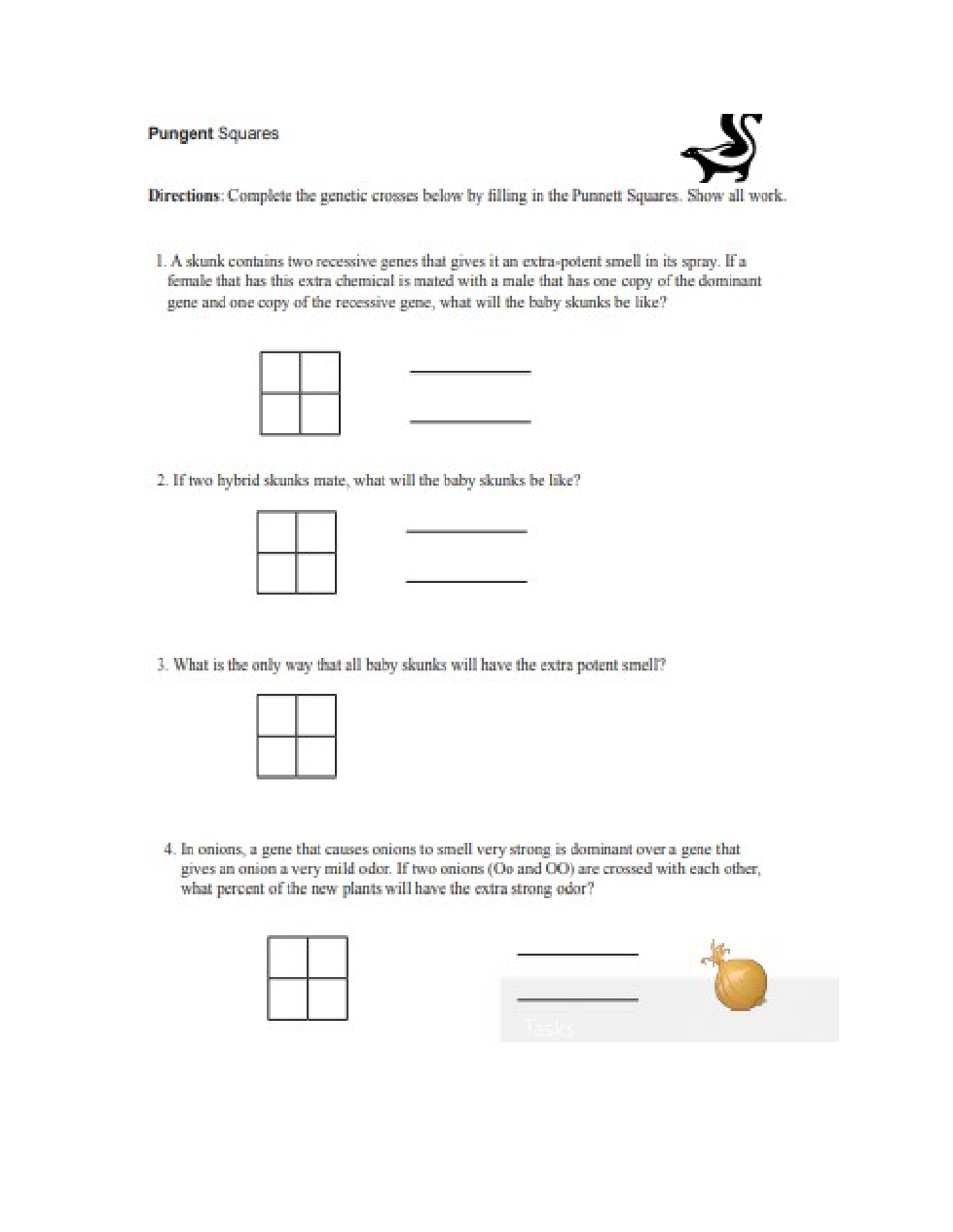
Demonstrate Mendel's law of segregation using Punnett squares to predict genotypic and phenotypic ratios from given alleles, and understand the implications in genetics.
Welcome to the exciting world of genetics, where tiny particles determine the traits we see in the living world! Today, we’re diving into Mendel's Law of Segregation, an important rule in genetics. Imagine you have a bag of marbles – some are red and some are blue. In genetics, these marbles represent alleles. Mendel discovered that during the formation of gametes (that's fancy talk for sperm and egg cells), the alleles for a trait segregate, or separate, so that each gamete gets only one allele from each pair. Now, how do we visualize this process? Enter the Punnett square! This cool tool can help us predict the chances of different traits appearing in offspring. Let’s say we have a pea plant with one allele for purple flowers (P) and another for white flowers (p). If we cross two plants, both with the genotype Pp, we can use a Punnett square to find out what the offspring might look like! We set up a 2x2 grid, placing the alleles of one parent across the top and the alleles of the other parent along the side. After filling in the squares, we find: - PP (Purple) - Pp (Purple) - Pp (Purple) - pp (White) This gives us a 3:1 phenotypic ratio of purple to white flowers. In terms of genotype, we see a ratio of 1:2:1 for the genotypes. So, what does this all mean? Understanding Mendel's Law of Segregation and using Punnett squares not only helps us predict traits in plants, animals, and even humans, but it also shows us how traits can be inherited from one generation to the next. Isn’t genetics fascinating? Now you’re ready to become a genetic detective, predicting traits and uncovering the secrets of heredity!
1

What do the marbles in the passage represent in genetics?

1

According to Mendel's Law of Segregation, what happens during the formation of gametes?

1

Explain how a Punnett square is used in genetics.

1

The phenotypic ratio of purple to white flowers from the Pp x Pp cross is 2:2.

1

What is the phenotypic ratio of the offspring when crossing two Pp pea plants?

Investigate cell transport mechanisms, including osmosis and the functions of cell membranes in maintaining homeostasis, through active and passive transport processes.
1

What do cell membranes primarily regulate in a cell?

1

What is osmosis primarily the movement of?

1

Which type of transport does not require energy?

1

What happens when a cell is placed in a hypertonic solution?

1

What function does the cell membrane serve during homeostasis?

1

Which process allows glucose to enter cells without energy?

1

What occurs when a cell is in an isotonic solution?

1

What role do ion channels play in a cell?

1

What happens during active transport?

1

Which type of solution causes a cell to swell?

1

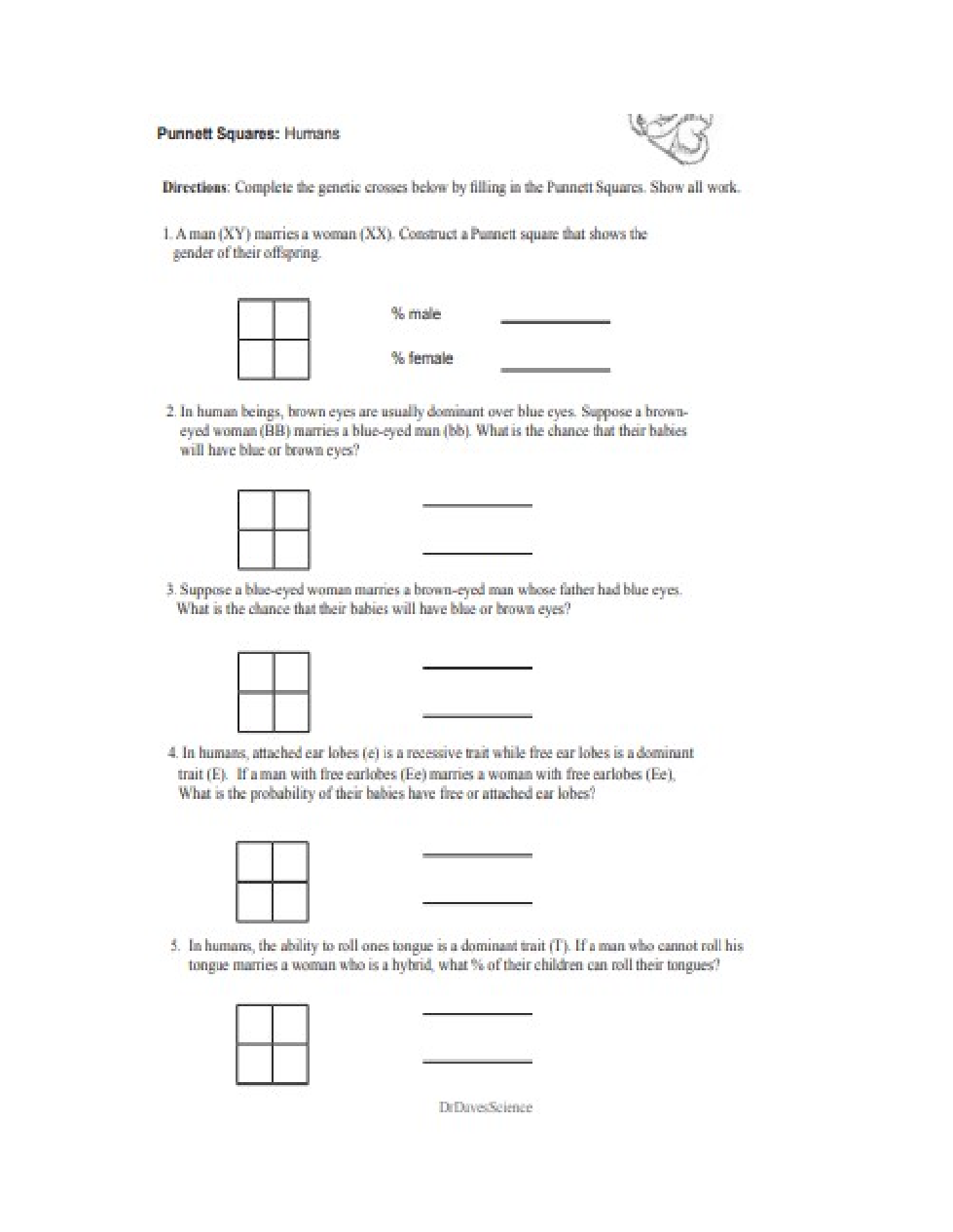
Give me the genotype of the offspring. How many will be male and how many will be female.

1

Give me the genotype of the offspring.

1

Give me the genotype of the offspring.

1

Give me the genotype of the offspring.

1

Give me the genotype of the offspring.

1

Give me the genotype of the offspring.

1

Give me the genotype of the offspring.

1

Give me the genotype of the offspring.

1

Give me the genotype of the offspring.