Now go back to the packet and turn to page 16 and let's describe these images with "it looks..." 看起来...” in Chinese. 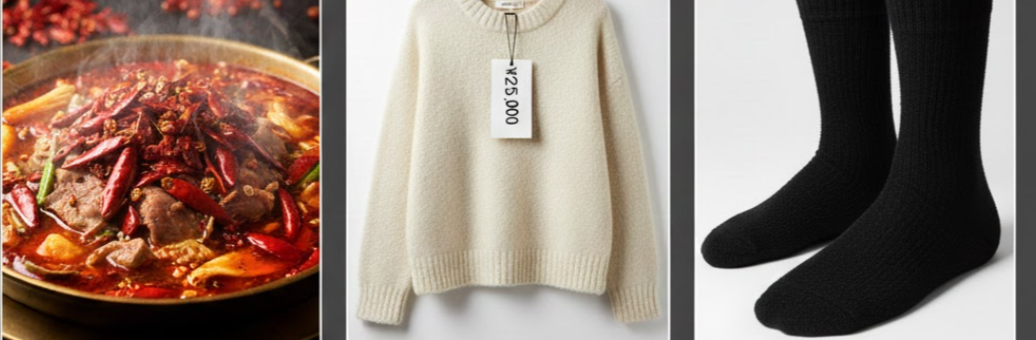
1
这个汤看起来怎么样?
这个汤看起来怎么样?
1
这件毛衣看起来怎么样?
这件毛衣看起来怎么样?
1
这双黑袜子,看起来怎么样?
这双黑袜子,看起来怎么样?
I can use yesterday's idiom and the two new ones from today AND
I can use "it looks like..." and "it sounds like" to describe colors of clothing that we want to buy. These patterns especially work well with the next idiom will learn: 三心二意 (to be indecisive/flip flip back & forth on a decision)
We will do a new idiom and an old one at the end of this lesson, but in the meantime we will return to our packet---->
Please do the character practice for 一心一意(wholeheartedly)that is on the back of the idiom page that we taped to the front of our packet.
If you finish this quickly, and you haven't already finished the character practices on pages 9.1 - 9.7 (on back of page 9.6) complete those too.
When you are done with both, click on both of the below:
What are the reasons + one more reason Chinese language may place an extra importance on 4 character idioms, when compared to other languages?
More syllables
Less confusion between different words
English writing values academic language and idioms don't fall in that category
Much fewer syllables
There are too many short words that have the same sound
There is confusion between the sounds of short syllable words.
Chinese writing values idioms because academic language in Chinese includes idioms.
Other languages
Chinese
For the next activity the meanings of the scrambled sentences that I took and corrected from your repsonses from the last formative are here: (efer to these as you unscramble them by dragging and dropping the tiles to unscramble the sentence(s).in the next activity) Please avoid clicking on EXIT because then all your work is lost.
Wǒ yìxīn-yíyì xiǎng xuéhǎo Zhōngwén
I wholeheartedly want to learn Chinese well.
Wǒ yìxīn-yíyì xiǎng qù Ōuzhōu wán
I wholeheartedly want to go to Europe to have fun.
Wǒ yìxīn-yíyì xiǎng xuéhǎo dǎ wǎngqiú
I wholeheartedly want to learn to play tennis well.
Wǒ yìxīn-yíyì xiǎng zuò hǎo shùxué
I wholeheartedly want to do well in math.
Wǒ yìxīn-yíyì de xiǎng zuò hǎo wǒ de zuòyè
I wholeheartedly want to do my homework well.
Wǒ zhège jiérì yìxīn-yíyì xiǎng yào yí gè gèng hǎo de lánqiú
I wholeheartedly want a better basketball this holiday.
You clicked "CHECK" for each sentence you unscrambled and got ___ correct out of the 6 sentences in the unscramble activity. (Please don't worry if when you make your selection below, you don't get the point, I will manually check your answers and give you the point.)
For the unscrambled sentence above that mentioned a holiday, where did that holiday go in the sentence?
Now go back to the packet and turn to page 16 and let's describe these images with "it looks..." 看起来...” in Chinese.
这个汤看起来怎么样?
这件毛衣看起来怎么样?
这双黑袜子,看起来怎么样?
You clicked "CHECK" for each sentence you unscrambled and got ___ correct out of the 6 sentences in the unscramble activity. (Please don't worry if when you make your selection below, you don't get the point, I will manually check your answers and give you the point.)
For the above sentences that you unscrambled that used 一心一意,what adjective/adverb did you notice was often added after the verb? For example, Wǒ yìxīn-yíyì xiǎng xuéhǎo Zhōngwén= I wholeheartedly want to learn Chinese well.
In addition for one the above sentences that you unscrambled that used 一心一意: Wǒ yìxīn-yíyì de xiǎng zuò hǎo wǒ de zuòyè=I wholeheartedly want to do my homework well, what Chinese character and pinyin did you notice could be added right after 一心一意?(you can click on 2 selections)
Now listen to me as I describe two things that "sound..."--use 听起来。。。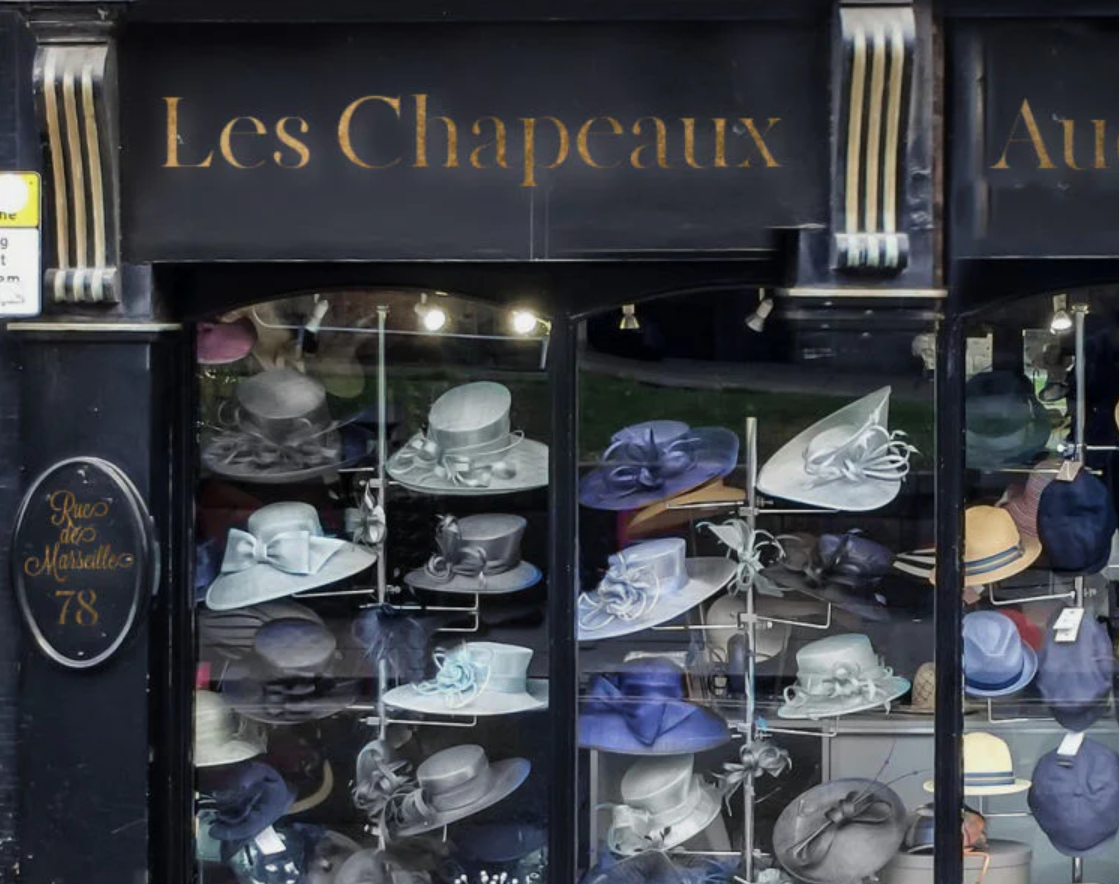
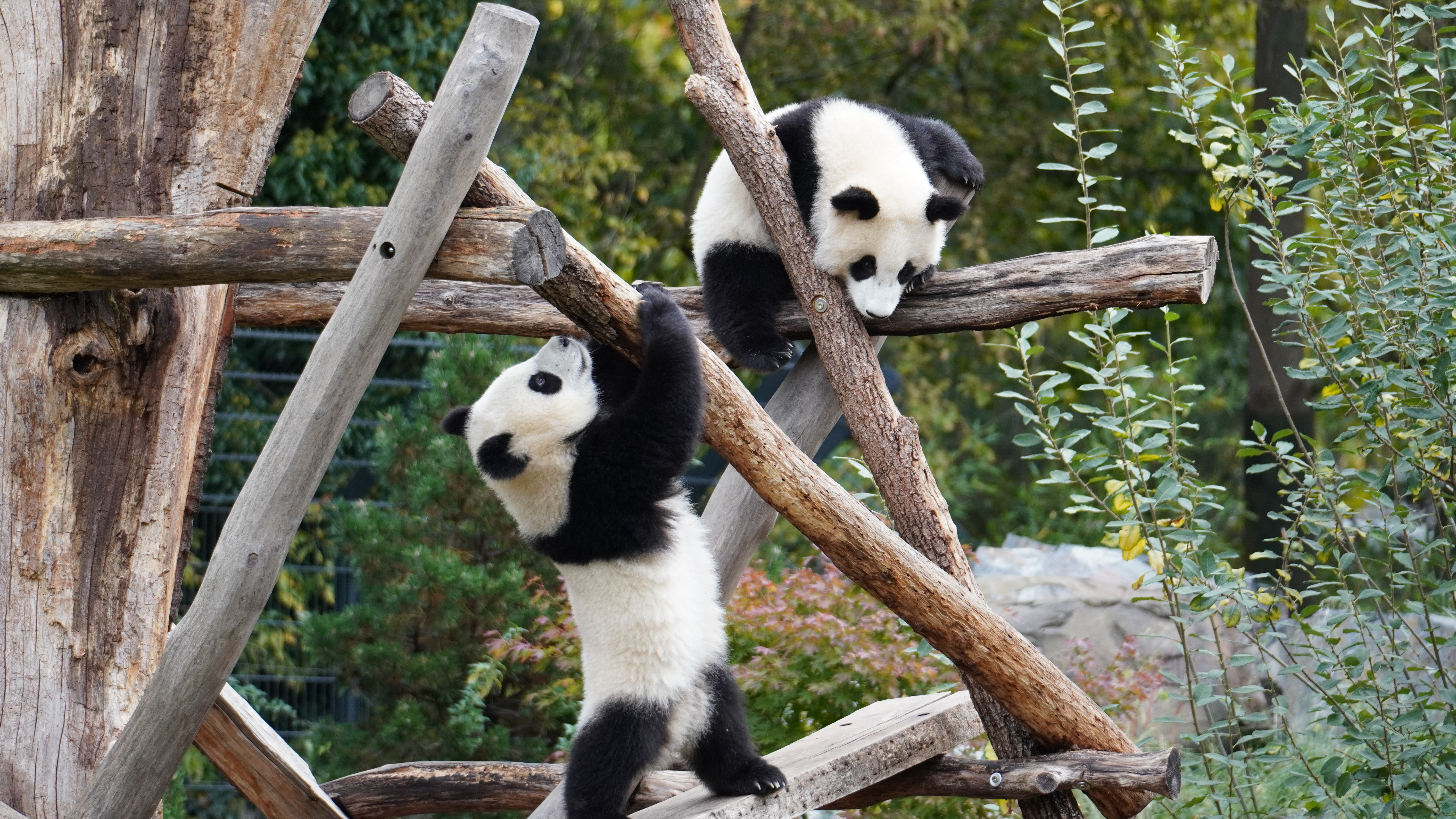
Share in Chinese how this thing I describe sounds to you (refer to 1st image).
Share in Chinese how this place I describe sounds to you (refer to 2nd image).
Please go to page 16 of your packet, and write your response--type just two (any two) of your answers here.
The first of any of the 5 responses you've already handwritten on page 16.
The second of any of the 5 responses you've already handwritten on page 16 (in other words, just type what you've handwritten).
I can use 三心二意(idiom) and the one new one from today AND continue
I can use "it looks like..." and "it sounds like" to describe colors of clothing that we want to buy. PLUS
Review and Practice of Comparison--what you did for homework.
We will do a new idiom and an old one at the end of this lesson, but in the meantime we will return to our packet---->
Please do the character practice for 三心二意(indecisive)that is on the back of the idiom page that we taped to the front of our packet.
If you finish this quickly, and you haven't already finished the character practices on pages 9.1 - 9.7 (on back of page 9.6) complete those too.
When you are done with both, click on both of the below:
With this REMINDER on the left in mind, continue using the packet by going to page 12 with the list of Review Adjectives. These are perfect with using with the pattern to express: "...looks..." or "...sounds....". Using this list, pick any 3 to create 3 unique sentences either using "看起来“ OR ”听起来” and translate them into English. This is the format you should use in typing your response: 1. 这件衬衫看起来很好。This button down shirt looks good.
Please draw your understanding of 三心二意。
Please write a sentence using 三心二意。RL: 10 characters EL: 15 characters.
Please rearrange this sentence to the corrrect word order. "Socks are less expensive than shoes."
便宜
比
袜子
鞋子
Drag the images and text to represent the correct word order in Chinese to mean: "That green T-shirt is bigger than that white T-shirt."
比
大


Please rearrange this sentence to the corrrect word order. "That green t-shirt is larger than that white t-shirt."
白T恤衫
件
比
大
那
绿T恤衫
Please rearrange this sentence to the corrrect word order. "That yellow t-shirt is a little larger than that white t-shirt."
黄T恤衫
一点儿
大
件
比
白T恤衫
那
Drag the images and text to represent the correct word order in Chinese to mean: "That green T-shirt is much bigger than that white T-shirt."
大多了
比
Please rearrange this sentence to the corrrect word order. "That green t-shirt is much larger than that white t-shirt."
多
了
白T恤衫
那
比
大
件
绿T恤衫
Please rearrange this sentence to the corrrect word order (if you need to, you can listen to the audio for a hint).
"That green t-shirt is even larger than that yellow t-shirt."那
大
更(geng4)
绿T恤衫
比
件
黄T恤衫
Please rearrange this sentence to the corrrect word order. "This cup of tea is even more bitter than that cup of tea."
比
杯
苦
那
茶
更
这
Please rearrange this sentence to the corrrect word order. "This cup of tea is not as bitter than that cup of tea."
这
那
没有
苦
比
茶
杯
Please draw your understanding of 事半功倍。
Please write a sentence using 事半功倍。RL: 10 characters EL: 15 characters.
Read along with Wang Laoshi this first part of our idiom story (by the end of this and your recording yourself reading it, be able to answer questions regarding the idiom related to the story : 丁丁一心一意想做什么?What did Dingding wholeheartedly want to do?)
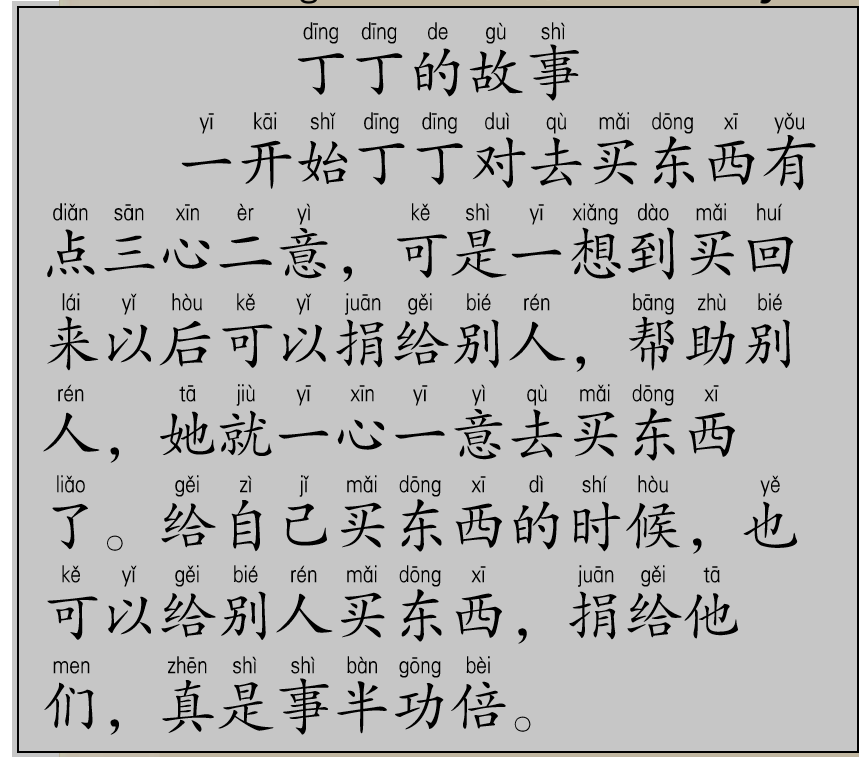
Now we will play "Wheel of Fortune in Chinese"
Here are the rules:
If you guess the correct character, you earn movie points $100=1 pt.
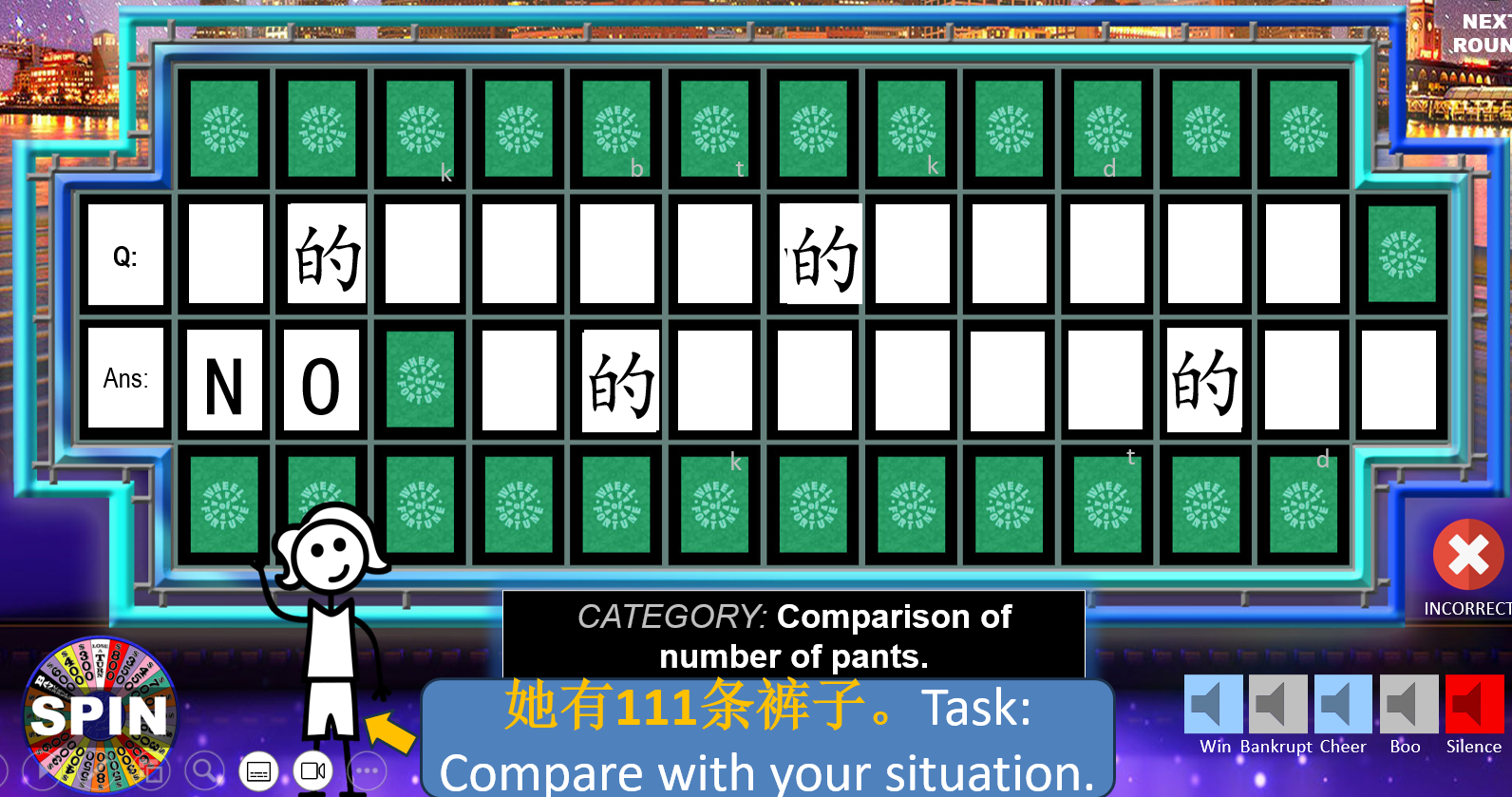
Read along with Wang Laoshi this first part of our idiom story (by the end of this and your recording yourself reading it, be able to answer questions regarding the idiom related to the story : 丁丁一心一意想做什么?What did Dingding wholeheartedly want to do?)
Please rearrange this sentence to the corrrect word order "I am not as tall as Victor Wembanyama."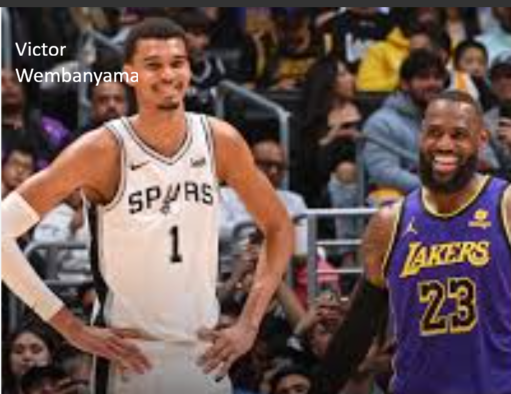
小明有哪两个活动that he can choose from?
他两个活动都参加(can1jia1=partipated)了吗?