Log in
Sign up for FREE
arrow_back
Library

U2 L2.6 Sum It Up: Systems of the Human Body

star
star
star
star
star
Last updated 5 months ago
20 questions
1
1
1
1
1
1
1
1
1
1
1
1
1
1
1
1
1
1
1
1
  1. Complete your notes before completing this Sum It Up.
  2. Complete this Sum It Up on your own.
Question 1
1.

Question 2
2.

Question 3
3.

Question 4
4.

Question 5
5.

Question 6
6.

Question 7
7.

Question 8
8.

Question 9
9.

Question 10
10.

Question 11
11.

Question 12
12.

Question 13
13.

Question 14
14.

Question 15
15.

Question 16
16.

Question 17
17.

Question 18
18.

Question 19
19.

Question 20
20.

Thank you for completing this Sum It Up!
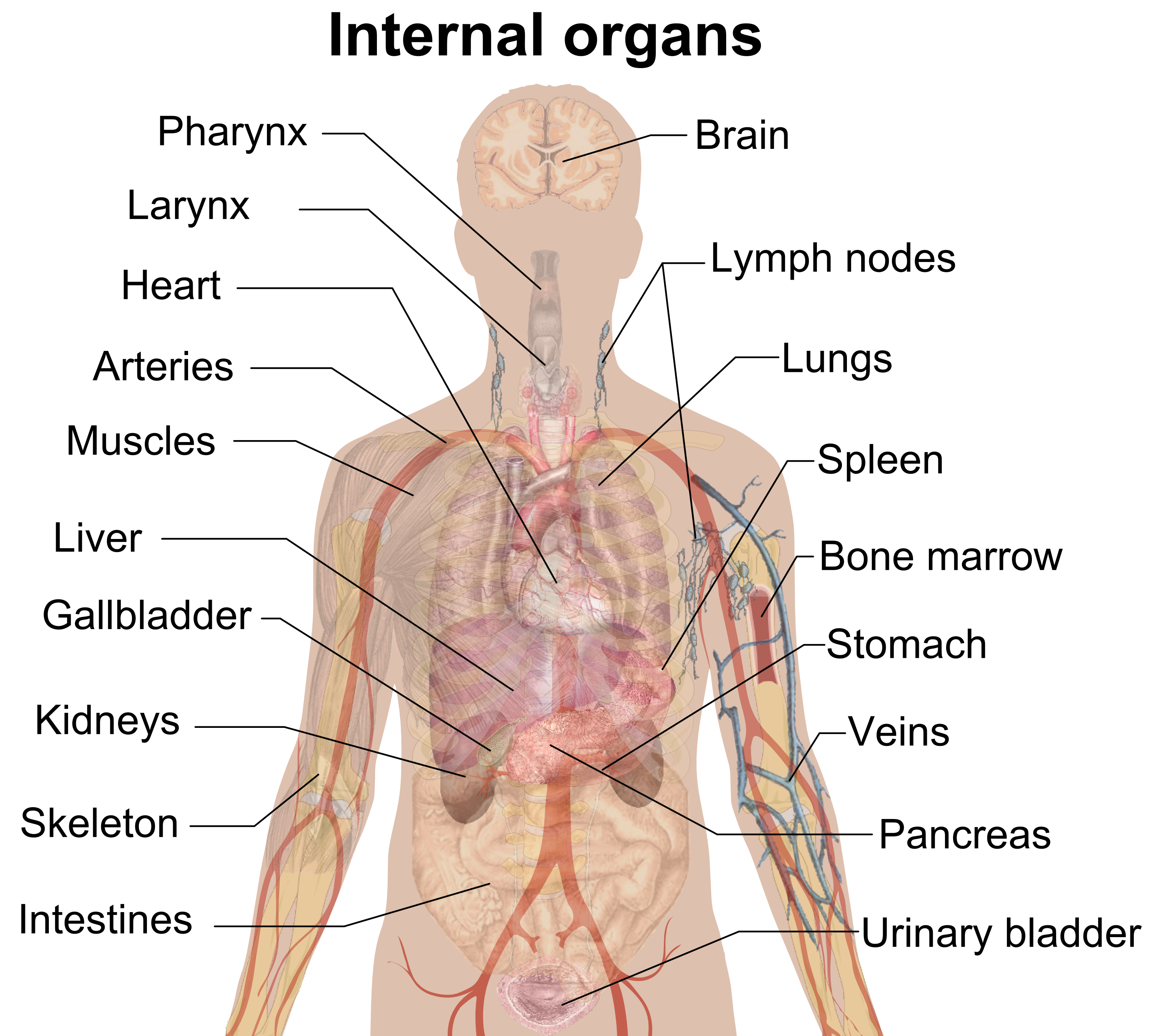
What organ helps in breaking down food (i.e., red meat to protein molecules to amino acid molecules) in the digestive system?
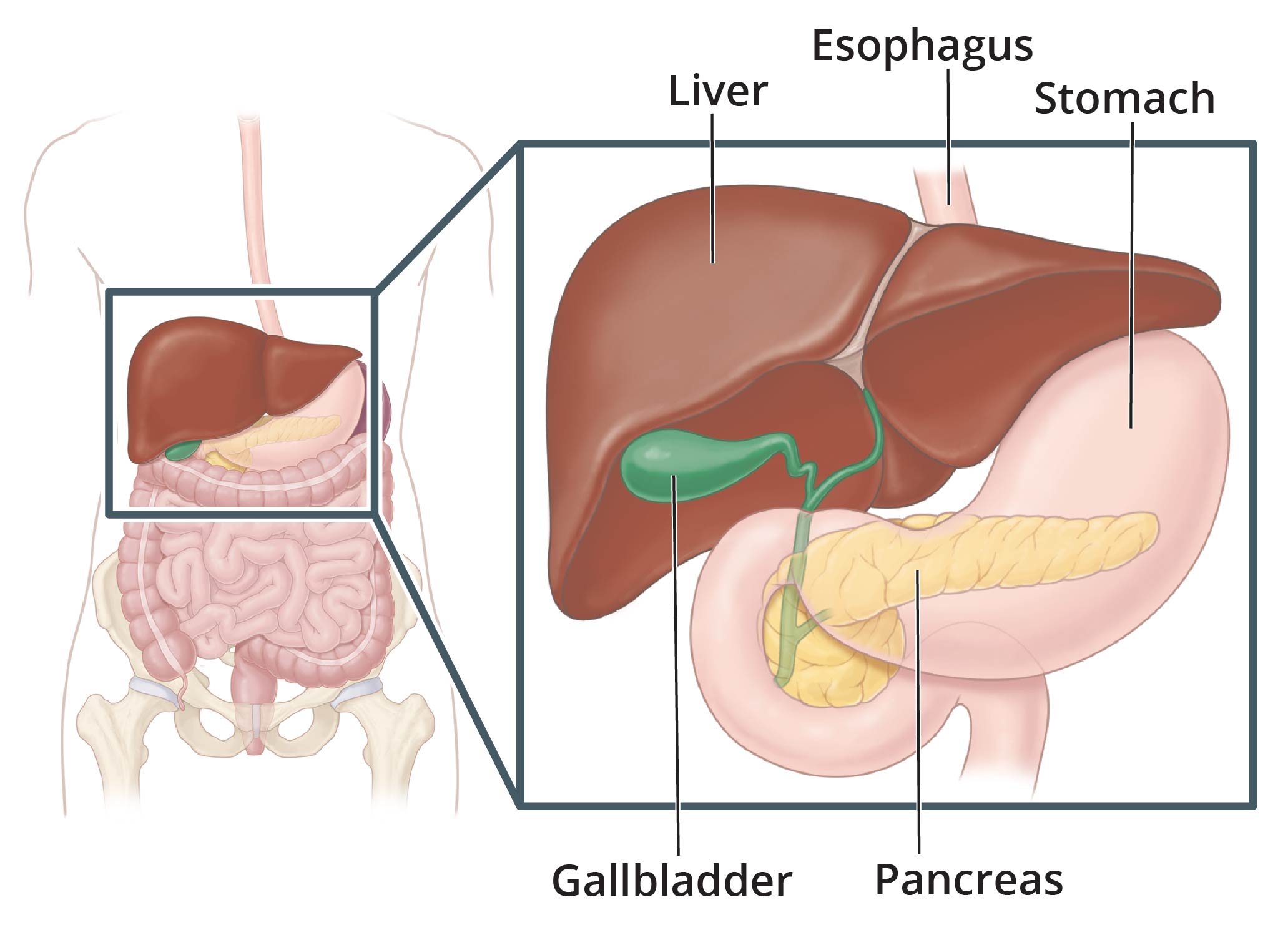
Stomach
Pancreas
Liver
Esophagus
Which part of the circulatory system carries blood away from the heart?
Arteries
Veins
Capillaries
Aorta
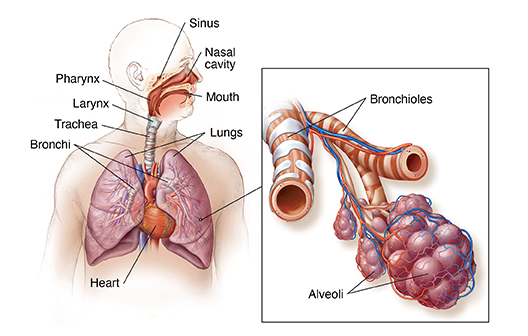
What gas(es) is primarily exchanged at the alveoli in the lungs? Check ALL that apply.
Nitrogen
Hydrogen
Oxygen
Carbon Dioxide
Which organ filters waste from the blood in the urinary system?
Liver
Kidney
Ureter
Bladder
Which system supports and protects the body’s organs?
Digestive system
Skeletal system
Nervous system
Muscular system
What organ pumps blood throughout the body?
Lung
Heart
Liver
Kidney
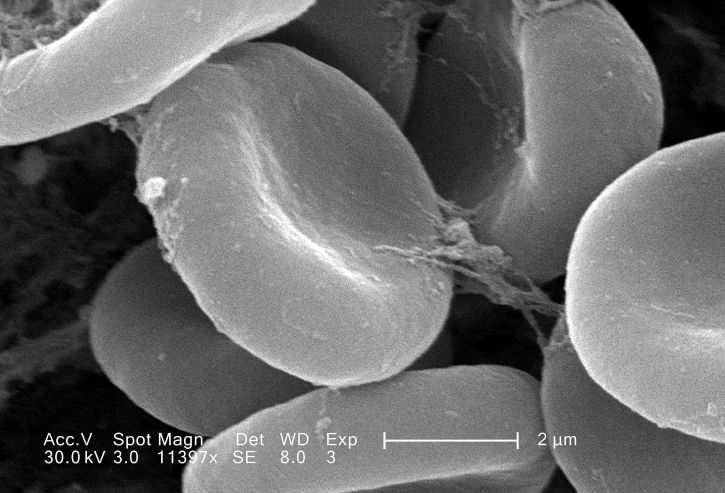
What is the main function of red blood cells?
Fight infections
Carry oxygen
Digest food
Clot blood
Which system is responsible for breathing?
Digestive system
Respiratory system
Nervous system
Circulatory system
What muscle helps with inhalation and exhalation?
Lung
Heart
Liver
Diaphragm
What does the central nervous system (CNS) primarily consist of?
Heart and lungs
Brain and spinal cord
Muscles of the body
Nerves in the limbs
Which is a function of the digestive system?
Pumping blood containing small molecules throughout the body
Controlling movement of the organism
Filtering waste molecules out of the blood
Breaking down food into molecules small enough to pass through a cell membrane
What transports nutrients to cells in the body?
Urine
Lymph nodes
Air
Blood
Which organ is most closely related to the formation of urine?
Kidney
Heart
Bladder
Liver
What is the primary role of the muscular system?
Excretion
Movement
Circulation
Digestion
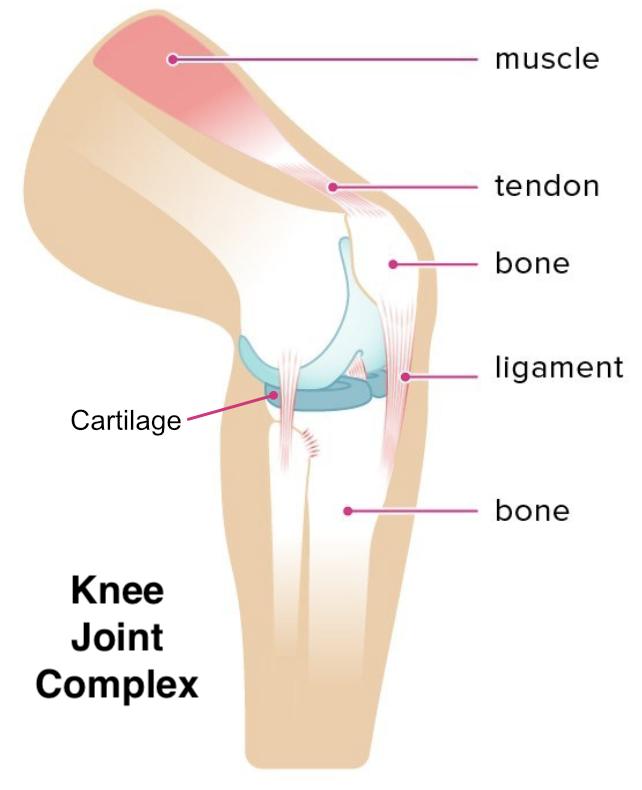
What connects muscles to bones?
Tendons
Nerves
Cartilage
Ligaments
Which system controls voluntary movements in the body?
Immune system
Digestive system
Respiratory system
Central nervous system
Where does the gas (e.g., oxygen and carbon dioxide) exchange primarily occur in the lungs?
Bronchi
Trachea
Lungs
Alveoli
What type of blood vessel returns blood to the heart?
Arteries
Veins
Capillaries
Aorta
Which system sends signals throughout the body?
Skeletal system
Respiratory system
Urinary system
Nervous system
What protects the brain and spinal cord?
Muscles
Skull and vertebrae
Lungs
Heart