Twa kɔ nsɛm atitiriw so
Log in
Sign up for FREE
arrow_back
Laabri

Lesson 4 - Workplace Behaviour for Work Experience

star
star
star
star
star
Last updated 20 days ago
24 Nsɛmmisa
Untitled Section 1
1
1
1
1
1
1
1
1
1
1
1
Scenario: Work Experince
1
1
1
1
1
1
1
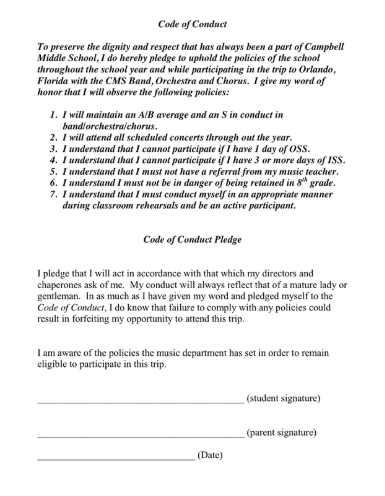
Code of Conduct
1
1
1
1
1
1
Asemmisa {{asɛmmisaAhyɛnsode}}
1.

Match workplace behaviours with their professionalism level.

Draggable itemarrow_right_altCorresponding Item

Arriving early to work each day

arrow_right_alt

Shows willingness to improve and learn

Using inappropriate language at work

arrow_right_alt

Demonstrates strong commitment to job

Asking for feedback on performance

arrow_right_alt

Reflects poorly on personal professionalism

Asemmisa {{asɛmmisaAhyɛnsode}}
2.

Match descriptions with activities to improve workplace behaviour.

Draggable itemarrow_right_altCorresponding Item

Dressing in business casual attire

arrow_right_alt

Shows respect for communication

Reading email promptly and responding

arrow_right_alt

Builds teamwork and collaboration skills

Helping a colleague with a task

arrow_right_alt

Enhances professional image

Asemmisa {{asɛmmisaAhyɛnsode}}
3.

Match actions to their positive impact on workplace culture.

Draggable itemarrow_right_altCorresponding Item

Offering constructive criticism to peers

arrow_right_alt

Encourages open communication

Maintaining a tidy workstation

arrow_right_alt

Promotes personal and team growth

Participating in team meetings regularly

arrow_right_alt

Reflects respect for shared space

Asemmisa {{asɛmmisaAhyɛnsode}}
4.

Match behaviours with their consequences in the workplace.

Draggable itemarrow_right_altCorresponding Item

Taking on extra responsibilities

arrow_right_alt

May result in workplace accidents

Not following safety protocols

arrow_right_alt

Can lead to misunderstandings among staff

Avoiding conflict resolution

arrow_right_alt

Leads to potential promotions

Asemmisa {{asɛmmisaAhyɛnsode}}
5.

How should you react when your supervisor gives you constructive criticism?

Asemmisa {{asɛmmisaAhyɛnsode}}
6.

If you make a mistake at work, what is your best course of action?

Asemmisa {{asɛmmisaAhyɛnsode}}
7.

What is a positive way to handle stress in a work environment?

Asemmisa {{asɛmmisaAhyɛnsode}}
8.

How can you demonstrate professionalism when interacting with coworkers?

Asemmisa {{asɛmmisaAhyɛnsode}}
9.

Scenario 1: New Task Challenge

You are assigned a task you’ve never done before. Your colleague is busy with their own work, and your supervisor is unavailable.

Question: What steps would you take to complete the task professionally?

Asemmisa {{asɛmmisaAhyɛnsode}}
10.

Scenario 2: Supporting a Struggling Colleague

You notice a colleague is struggling to complete their task on time and looks stressed.

Question: How would you respond in a professional and supportive way?

Asemmisa {{asɛmmisaAhyɛnsode}}
11.

Scenario 3: Receiving Feedback

Your supervisor gives you feedback that your work could be improved. You feel that you did your best, but you know the feedback is important.

Question: How would you react to the feedback professionally?

Asemmisa {{asɛmmisaAhyɛnsode}}
12.

What do you consider your strengths that will help you during work experience?

Asemmisa {{asɛmmisaAhyɛnsode}}
13.

What areas could you improve to behave more professionally?

Asemmisa {{asɛmmisaAhyɛnsode}}
14.

List three specific actions you will take to demonstrate professionalism during your work experience placement.

Asemmisa {{asɛmmisaAhyɛnsode}}
15.

What is a key action to show professionalism at work?

Asemmisa {{asɛmmisaAhyɛnsode}}
16.

How can you demonstrate respect for coworkers?

Asemmisa {{asɛmmisaAhyɛnsode}}
17.

Which action contributes to a positive work environment?

Asemmisa {{asɛmmisaAhyɛnsode}}
18.

What is an important behavior for effective communication?

Asemmisa {{asɛmmisaAhyɛnsode}}
19.

Which statement is most accurate?

Asemmisa {{asɛmmisaAhyɛnsode}}
20.

Why do schools and workplaces have a code of conduct?

Asemmisa {{asɛmmisaAhyɛnsode}}
21.

What is a “code of conduct”?

Asemmisa {{asɛmmisaAhyɛnsode}}
22.

Which of these is usually included in a code of conduct?

Asemmisa {{asɛmmisaAhyɛnsode}}
23.

Which situation best shows someone following a code of conduct at work or school?

Asemmisa {{asɛmmisaAhyɛnsode}}
24.

Create a Code of Conduct – Task

Write a code of conduct for your chosen career (e.g. game developer, nurse, teacher, engineer, police officer, electrician).

Use the scaffold below and make sure you include these ideas:

  • Professional behaviour (punctuality, appropriate language, dress).

  • Respect and fairness towards others.

  • Honesty and integrity.

  • Following laws, safety rules and school/work policies.

  • Protecting privacy and confidentiality where needed.

The bottom of the code of conduct should include an area for employee name and signature. See example.