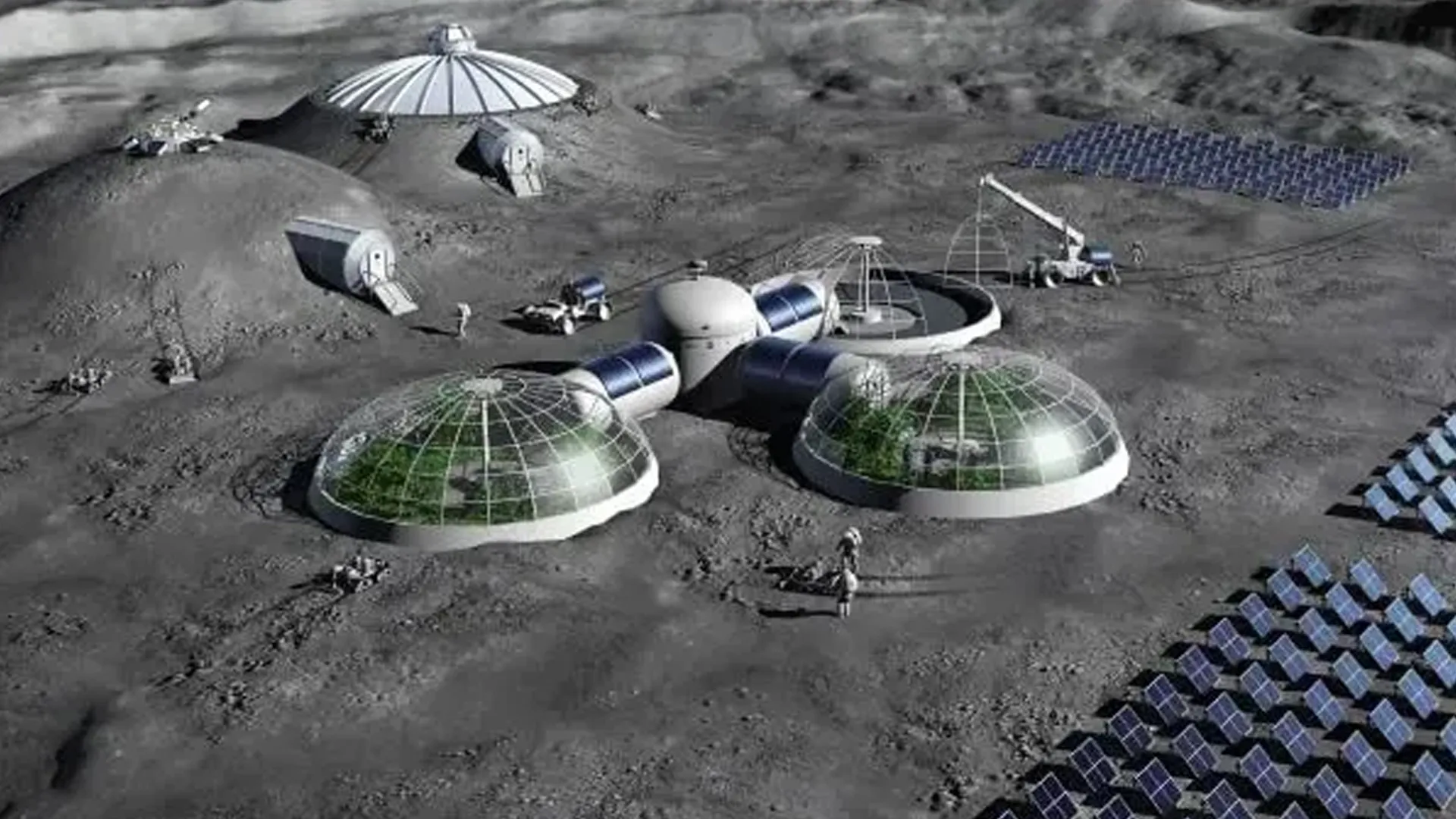
Imagine a time in the future when there are lunar bases. People are living and working on Moon, exploring and learning about it, and doing other kinds of research that can't be done on Earth.
On a routine journey from Earth to a lunar base, there is an accident. Something has gone wrong and you crash land on the Moon’s surface, sixty miles from the nearest base. It is daylight on the Moon and will be for the next few days.
Below are 15 items that remained intact and undamaged after landing. You will be ranking them in order of importance for your crew’s ability to reach the lunar base.
Box of Matches: These might be useful to make a signal fire or camp fire in case of a crash on Earth, but would they be useful on the Moon?
Food Concentrate: Astronaut food is notoriously bad, but light weight and compact. Just add water and that bowl of mush could taste like a pot roast.
50 Feet of Nylon Rope: Nylon rope is tough and lightweight.
Parachute Silk: Parachutes slow and stabilize reentry capsules so astronauts land safely after atmospheric reentry.
Solar-powered Portable Heating Unit: This unit is designed to work on its own batteries with no external power source.
Two .45-caliber Pistols: When a .45 pistol is fired, rapidly expanding gases drive the bullet forward while forcing the slide backward.
One Case of Dehydrated Milk: Water is removed from dehydrated, or powered, milk to create a shelf-stable, easy-to-transport dairy product.
Two 100-pound Tanks of Oxygen: These tanks would weigh 100 pounds on Earth, but in the Moon’s lighter gravity, they would weigh less than 17 pounds each.
Stellar Map of Moon's Constellations: Navigating by the stars on the Moon would be very much the same as navigating by the stars on Earth.
Self-inflating Life Raft: This raft is standard issue on shuttles that land on Earth in case of an emergency water landing.
Magnetic Compass: True North on Earth varies from magnetic North by as much as 23 degrees. How well could you navigate on the moon with this?
Five Gallons of Water: Water is essential to life and to reconstituting dehydrated food.
Signal Flares: This flare could work underwater or in the vacuum of space.
First Aid Kit Containing Injection Needles: Hypodermic needles fit special openings in the standard issue space suit.
Solar-powered FM Receiver-transmitter: This radio transmitter and receiver requires only sunlight to function properly.