Describe the characteristics of El Niño and La Niña events
Interpret scientific data to track ENSO events and evaluate their effects on weather patterns.
Classify sea surface temperature conditions as El Niño/La Niña/normal, and describe how trade winds and the thermocline change during different ENSO phases.
Identify major ENSO events and describe regional weather changes during these events.
If you need help with this assignment, please click here to watch the class recording.
Describe the characteristics of El Niño and La Niña events
Interpret scientific data to track ENSO events and evaluate their effects on weather patterns.
Classify sea surface temperature conditions as El Niño/La Niña/normal, and describe how trade winds and the thermocline change during different ENSO phases.
Identify major ENSO events and describe regional weather changes during these events.
If you need help with this assignment, please click here to watch the class recording.
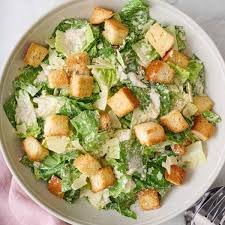
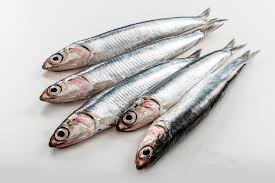
Survey: You may have heard of people putting anchovies on their pizzas, but did you know that anchovies are the main ingredient in caesar salad dressing?
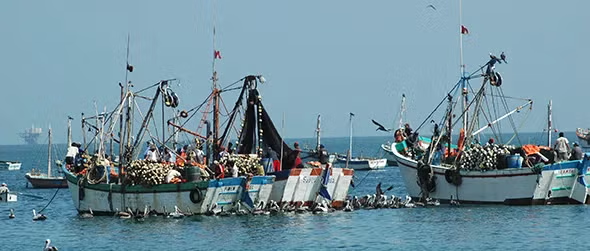
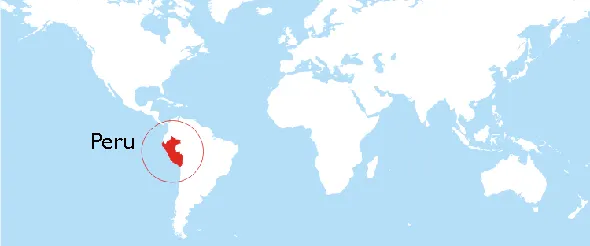
The waters off Peru's coast in South America host the world's largest anchovy fishery.
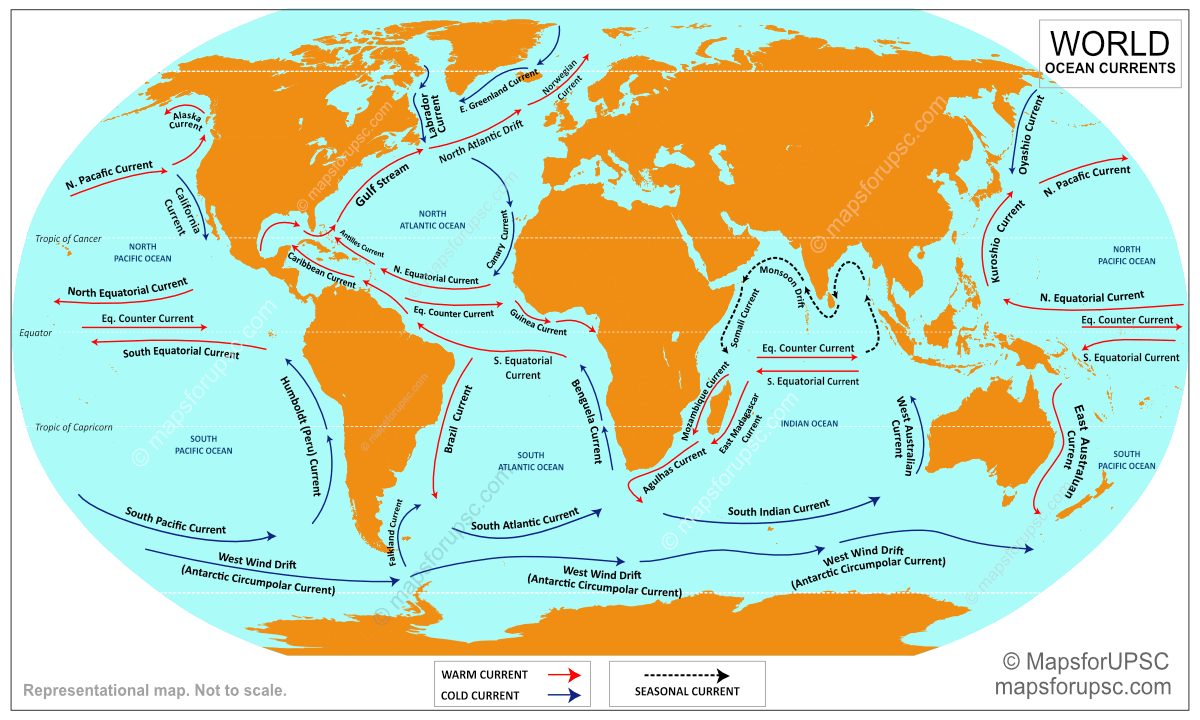
Tiny anchovies thrive here because of the Humboldt Current (also called the Peru Current), a cold ocean current that brings nutrient-rich water up from the deep.
Click the area of the map where you would find this fishery.


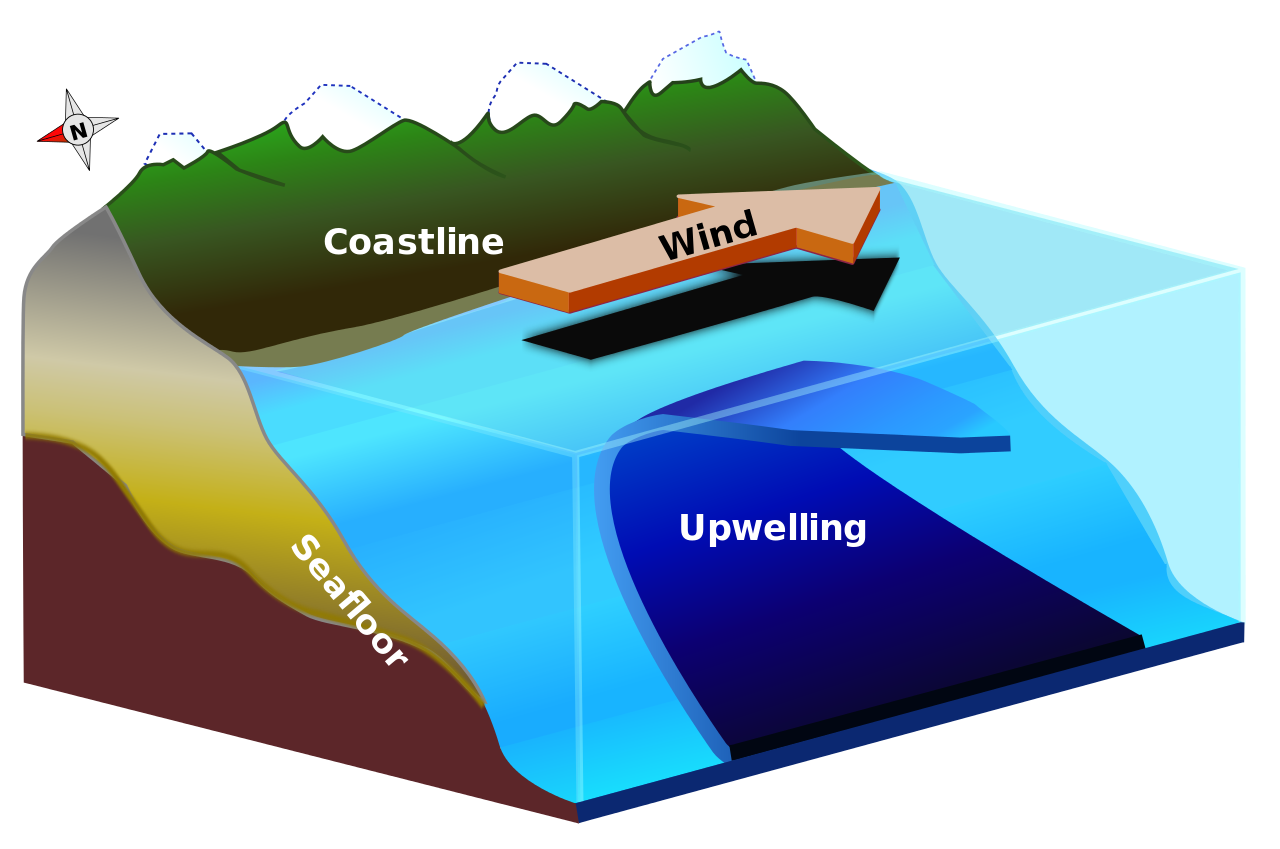
The cold Humboldt (Peru) Current flows northward along Peru's coast, driven by strong winds. As this current moves, it pushes surface water away from the shore and, deep ocean water rises up to replace it.
This process, called upwelling, brings nutrient-rich, cold water from the ocean depths to the surface where anchovies feast by the millions.
Predict: What could happen to the anchovy population if upwelling in this area slowed down or stopped?
In the 1960s, Peruvian fishermen caught lots of anchovies. Then 1972 happened. Something was terribly wrong with the ocean. The fishermen noticed the water was getting warmer and saw tropical fish that didn't belong there instead of anchovies.
They were witnessing the start of El Niño, a climate event named "the child" in Spanish because it happens around Christmas time in the Southern Hemisphere. El Niño is the warm phase of ENSO (El Niño Southern Oscillation), a climate pattern that affects oceans and weather all around the world.
The problem was made worse because fishermen had already caught too many anchovies for years, leaving the population weak and unable to handle the ocean changes. The Peruvian government had to limit the amount of anchovies that were allowed to be caught in hopes that the population would recover.
Read the text on the left before answering.
How did El Niño affect Peruvian fishermen?
Visit the ENSO Interactive website or watch the video below.
Observe the trade winds speed, location of warm water, and thermocline.
The thermocline is the ocean layer where temperature drops quickly as you go deeper, separating warm surface water from cold deep water.
How do each of these factors change from normal to El Nino conditions?
Trade Winds speed:
Location of warm water:
Thermocline near South America:
Visit the ENSO Interactive website or watch the video below.
Observe the trade winds speed, location of warm water, and thermocline.
How do each of these factors change from normal to La Nina conditions?
Trade Winds speed:
Location of warm water:
Thermocline near South America:
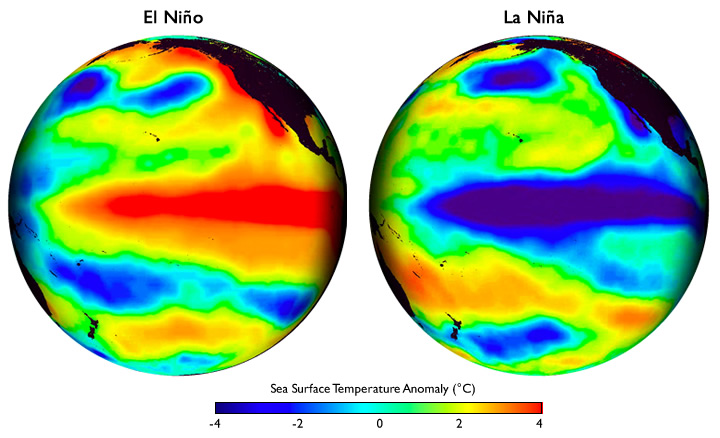
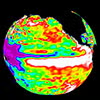
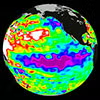
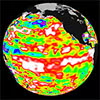
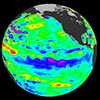
This image represents the sea surface temperature during an El Niño and La Niña:
El Niño is characterized by than usual water near the Equator.
La Niña is characterized by than usual water near the Equator.
Categorize these images as El Niño, normal, or La Niña conditions.
El Niño
La Niña
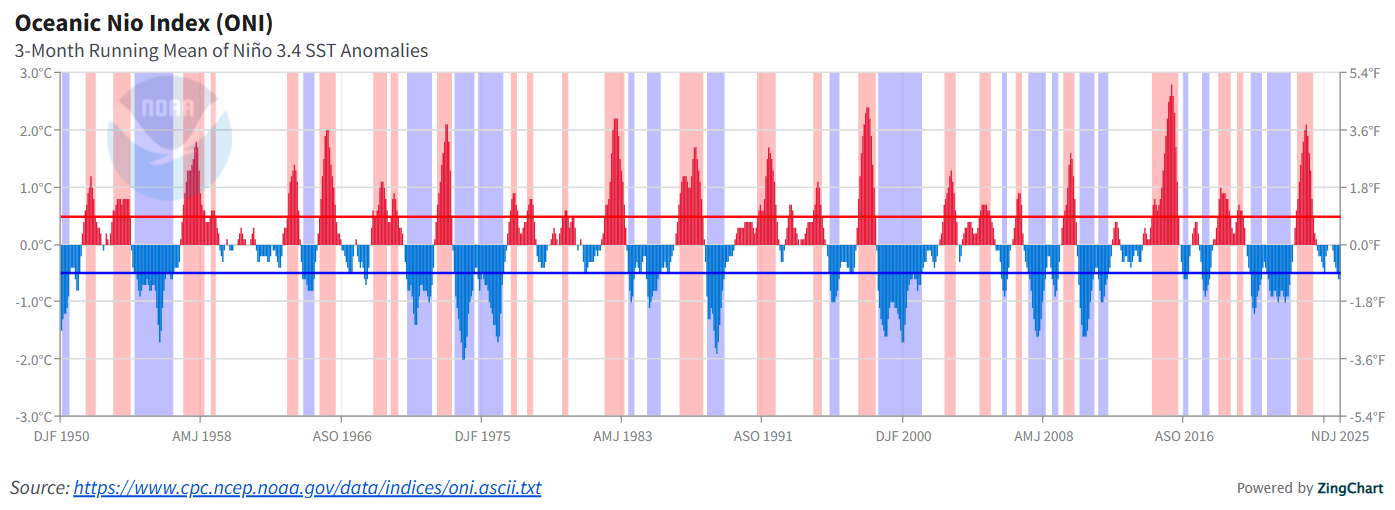
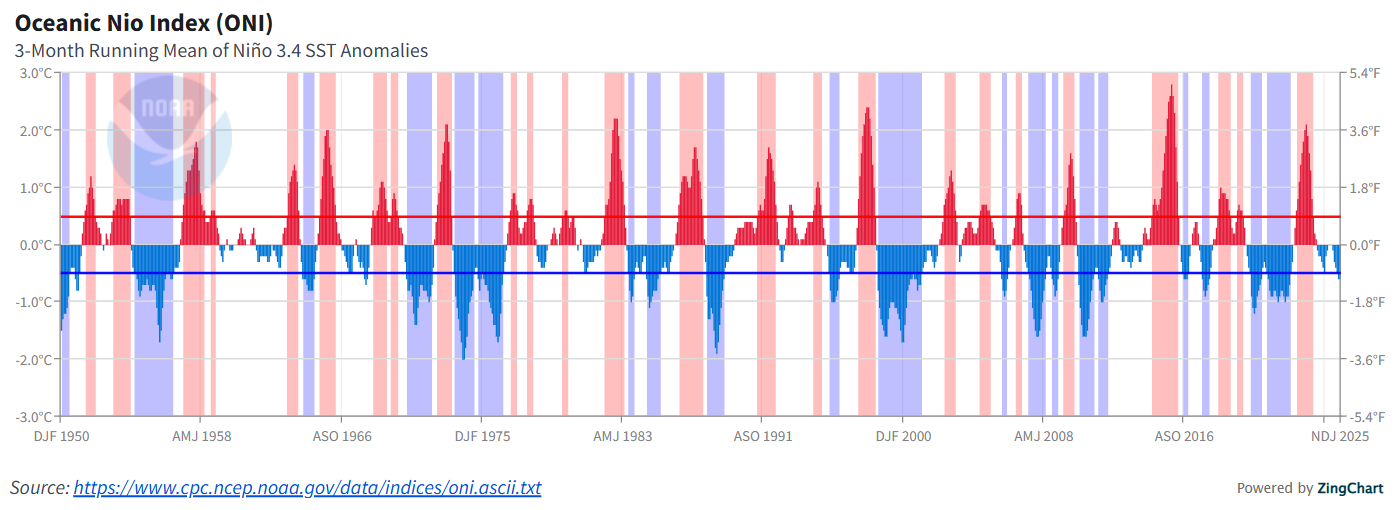
Scientists have tracked the El Niño Southern Oscillation (ENSO) over time.
The Oceanic Niño Index (ONI) measures changes in sea surface temperatures during El Niño and La Niña episodes.
Identify 3 major El Niño events on the graph.

Identify 3 major La Niña events on the graph.


According to the graph, we are currently experiencing becaused sea surface temperatures have .
Reflect on your understanding of the learning objectives:
Describe the characteristics of El Niño and La Niña events | |
|---|---|
Interpret scientific data to track ENSO events and evaluate their effects on weather patterns. |
Reflect on your mastery of the success criteria:
Classify sea surface temperature conditions as El Niño/La Niña/normal, and describe how trade winds and the thermocline change during different ENSO phases. | |
|---|---|
Interpret scientific data to track ENSO events and evaluate their effects on weather patterns. |
What other factor contributed to the Peruvian fishermens' loss of livelihood?
During El Niño winters, what type of precipitation does the Pacific Northwest experience?
During El Niño winters, what type of temperatures does the Pacific Northwest experience?
During La Niña winters, what type of temperatures does the Pacific Northwest experience?
During La Niña winters, what type of precipitation does the Pacific Northwest experience?