Log in
Sign up for FREE
arrow_back
Library

2.?? Garbage Patches 25-26

star
star
star
star
star
Last updated about 2 hours ago
15 questions
Required
1
Required
1
Required
1
Required
1
Required
1
Required
1
Required
1
Required
1
Required
1
Required
1
Question 1
1.

Part 1: Engage

What Do We Throw Away?

Did you know human beings are the only living organisms on the planet that create unnatural waste?

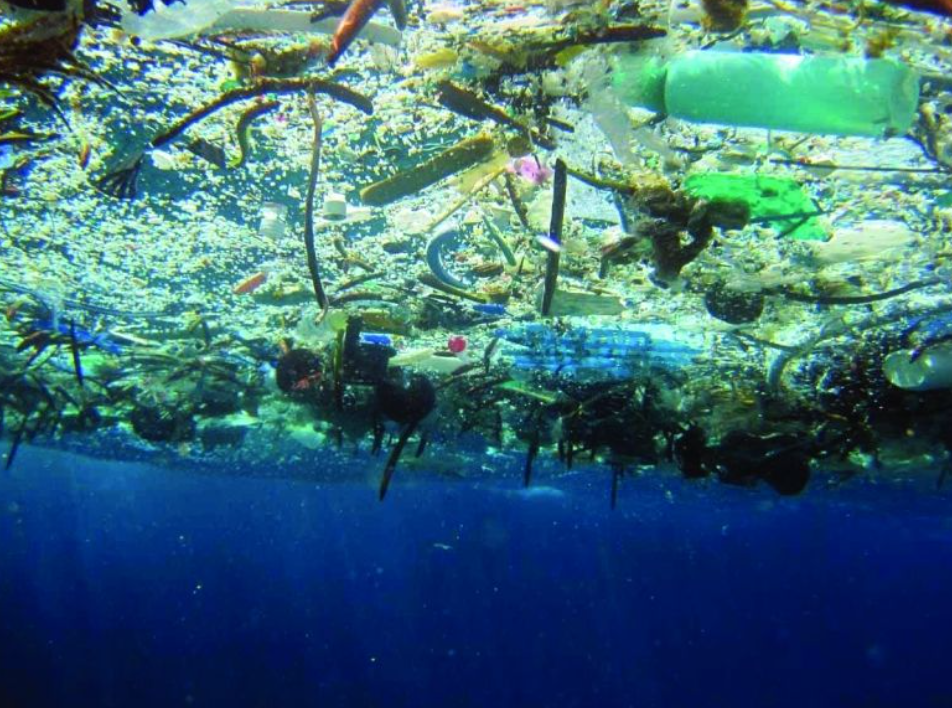
Closely analyze the two images and then answer the following questions.
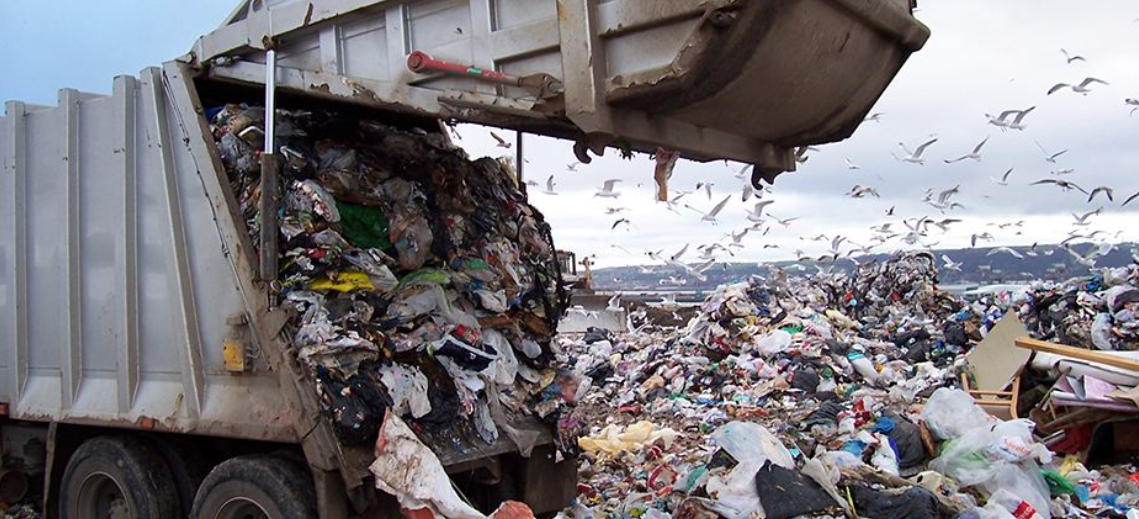


  • What types of items do humans throw away?
  • What types of materials are these items made of?

Question 2
2.

Now compare this image to the image of the landfill from the previous slide.


  • What differences do you observe between the two images?
  • What ideas do you have about how this garbage and debris ended up here?

Question 3
3.

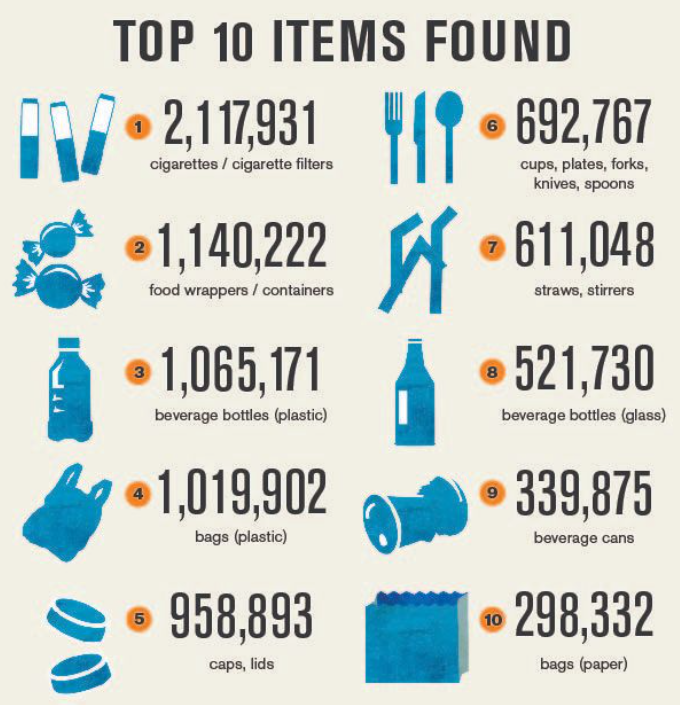
The image below lists the top 10 types of waste found in the oceans around the world. Analyze the image and then answer the following questions.
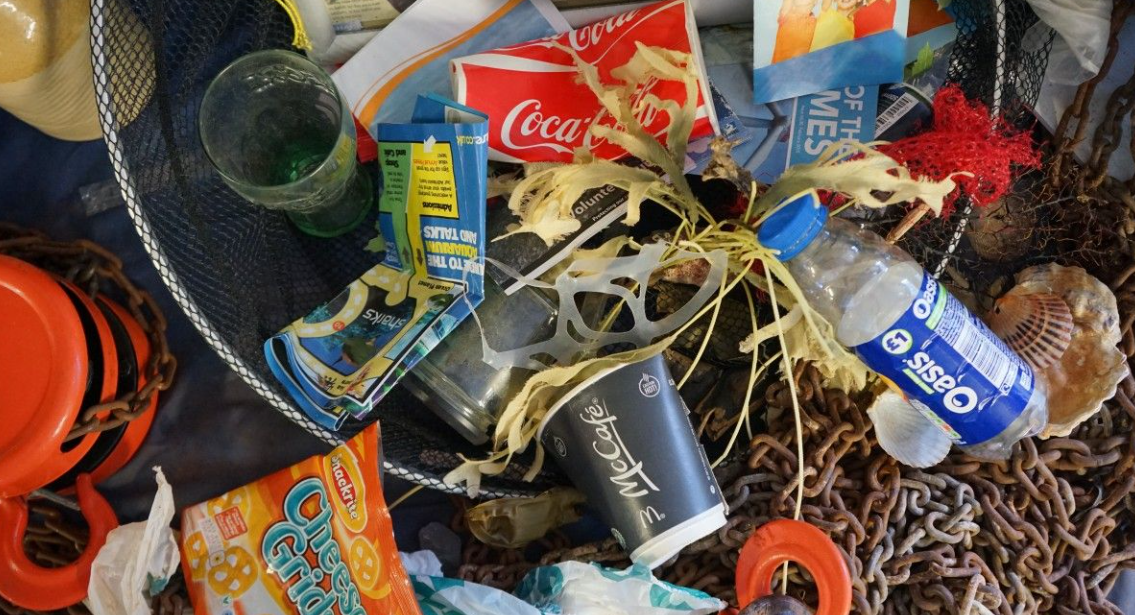
  • Of the top 10 waste items found in the ocean, how many are plastic?
  • What ideas do you have about why these items are the most common types of debris found in the ocean?

Question 4
00:20
keyboard_arrow_down
Required
1
Question 4
4.

In 1992, a cargo ship carrying bath toys got caught in a storm. Shipping containers washed overboard, and the waves swept 28,000 rubber ducks into the North Pacific Ocean.

What ideas do you have about how the rubber ducks were transported around the world?

Question 5
5.

Question 6
6.

Question 7
7.

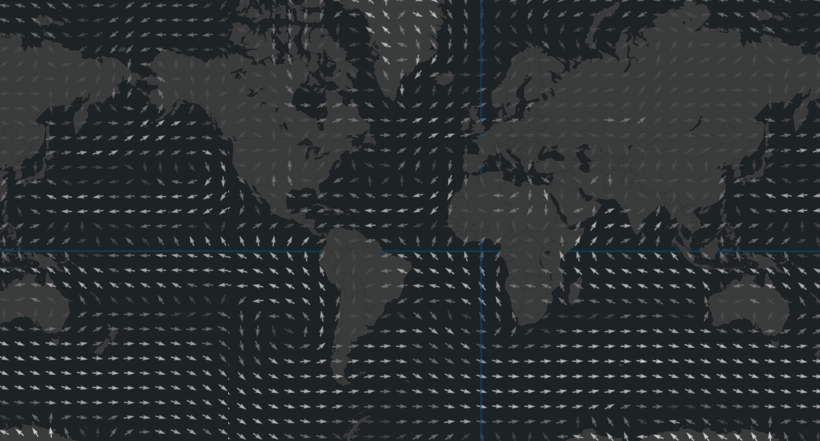
Which areas or regions of the ocean are garbage patches likely to form based on wind patterns?

Select from the areas highlighted on the map.

Question 8
8.

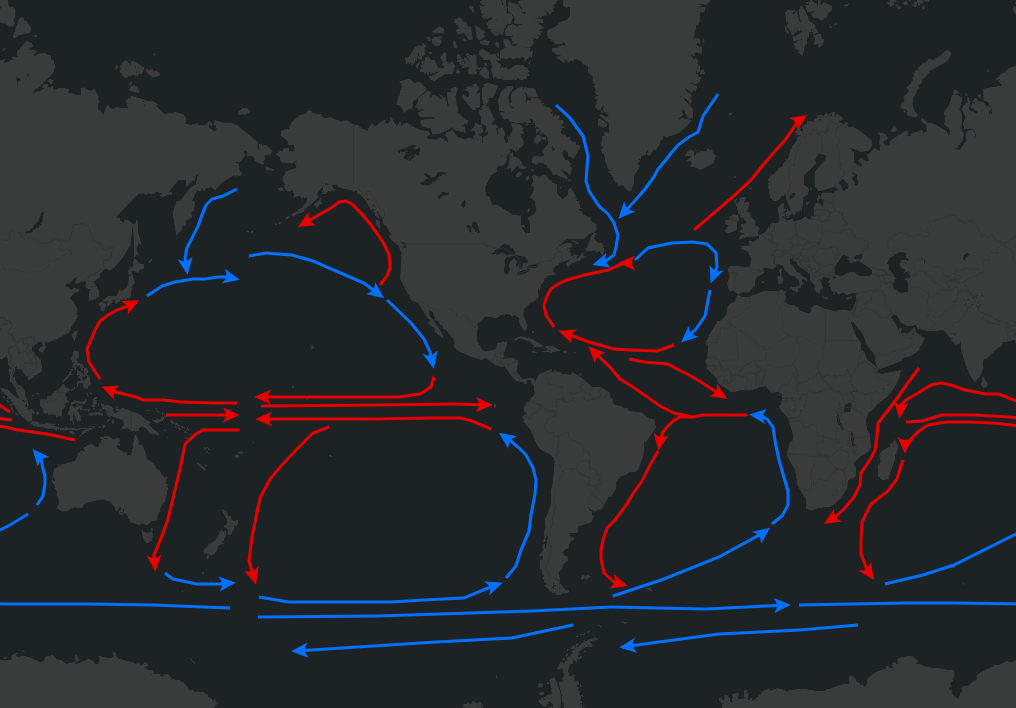
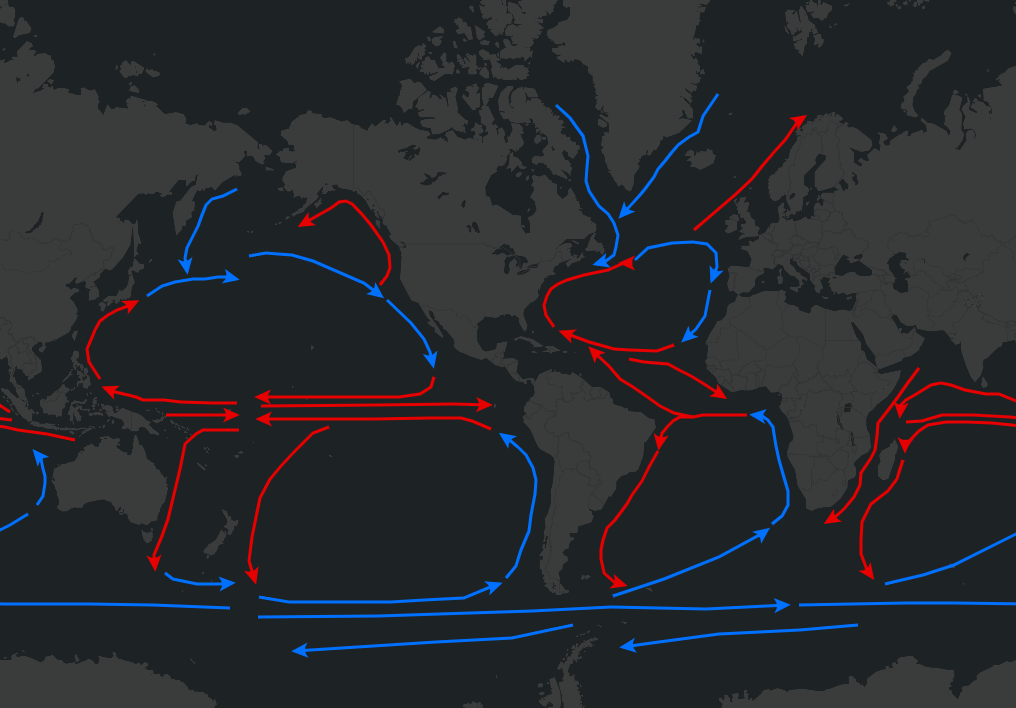
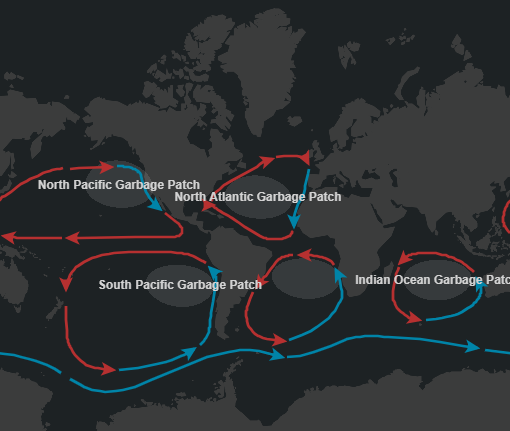
Observe the map of surface currents. Warm currents are red and cold currents are blue.
What similarities do you notice between this map and the previous map of wind patterns?

Question 9
9.

Which areas or regions of the ocean are garbage patches likely to form based on ocean currents?

Select from the areas highlighted on the map.

Question 10
10.

Part 3: Explain

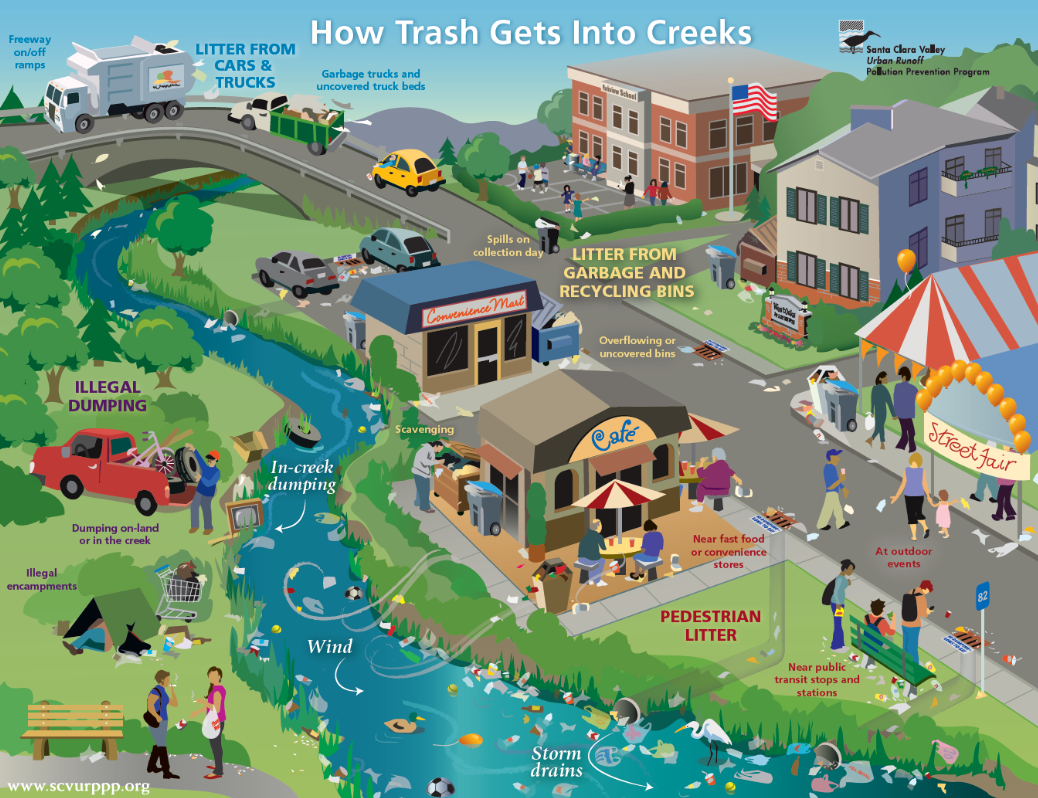
Trash, packaging, and waste improperly disposed on land are washing into rivers, streams, lakes and creeks, and from there to the ocean. This is estimated to account for 80% of the marine debris in the oceans.

Rivers typically begin at mountaintops where melting snow and ice create streams, which often merge to form larger rivers. As water flows from high elevations to low elevations, it carves deep, V-shaped valleys in the mountains, transitions to wider valleys with meandering streams, and eventually reaches floodplains where it may split into channels and form deltas before draining into the ocean. A watershed, or drainage basin, is the land area that collects rainfall and snowmelt, directing it into rivers, streams, and ultimately to larger bodies of water like bays and oceans.

Consider this graphic:

What are 3 events or processes that contribute to trash entering the watershed?

Question 11
01:56
keyboard_arrow_down
Required
1
Question 11
11.

What is marine debris? Give at least 3 examples.

Question 12
00:38
keyboard_arrow_down
Required
0.5
Question 13
00:51
keyboard_arrow_down
Required
0.5
Question 14
01:41
keyboard_arrow_down
Required
0.5
Question 15
15.

Part 2: Explore

Garbage Patches are large areas of ocean where litter and other marine debris collect. You can think of them as large whirlpools that pull debris into one location, forming what we call "patches". In this section, you will explore the following data related the ocean circulation patterns in order to predict where garbage patches form around the world:
  • Wind Patterns
  • Ocean Circulation Patterns
  • Ocean Gyres
  • Watersheds
  • Rivers
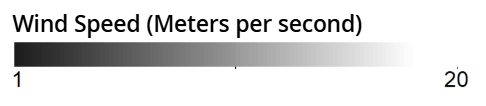
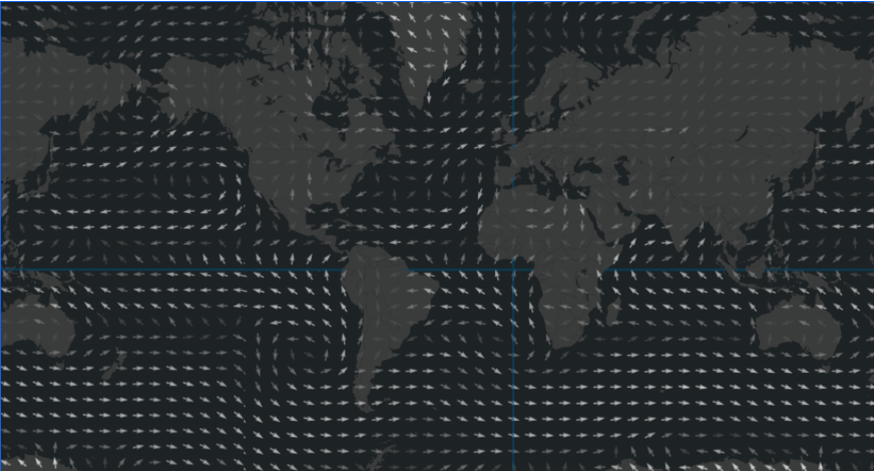
On the map you are viewing average wind speed and direction near the ocean surface during September of 2019. The direction of the arrow represents the direction of the winds, while the color of the arrow represents wind speed.

Wind Speed (Meters per second)


Where do the winds blow clockwise (to the right)?
Northern Hemisphere
Southern Hemisphere
Where do the winds blow counterclockwise (to the left)?
Northern Hemisphere
Southern Hemisphere
Question 12
12.

Question 13
13.

Question 14
14.

So how do garbage patches form in ocean gyres? Ocean gyres circulate around large areas of calm waters. The circular motion of the gyres is what pulls marine debris in, and once it reaches the calmer waters in the center it becomes trapped. Ocean gyres essentially act as a vortex for marine debris.

Garbage patches are of concern to scientists because plastic behaves differently than natural materials like wood and metals. Plastics do not break down naturally like other materials. Instead, they only break down into smaller and smaller pieces until they become micro-plastics, never fully disintegrating.


What characteristics of ocean gyres lead to the formation of garbage patches?
Circular wind and water currents prevent garbage from leaving the calm center
Convergence of currents pushes garbage to the center
Located only in shallow water where garbage can accumulate
What are ocean garbage patches?
A landfill in the ocean
A floating island of trash
A concentration of marine debris
What are the tiny plastic pieces in the garbage patch called?
Microplastics
Macroplastics
Nanoplastics
What is the ultimate solution to the garbage patch problem?
Ignore the issue
Prevention and reducing waste
Scuba diving to collect debris