Learning Objectives
Analyze the relationship between corals and algae and the impact coral bleaching has on biodiversity
Predict how increased acidity in the oceans affects corals and shellfish
Success Criteria
Explain how corals and algae help each other and identify the effects of corals losing their algae
Explain the effect of lower pH on coral skeletons and shellfish
Learning Objectives
Analyze the relationship between corals and algae and the impact coral bleaching has on biodiversity
Predict how increased acidity in the oceans affects corals and shellfish
Success Criteria
Explain how corals and algae help each other and identify the effects of corals losing their algae
Explain the effect of lower pH on coral skeletons and shellfish

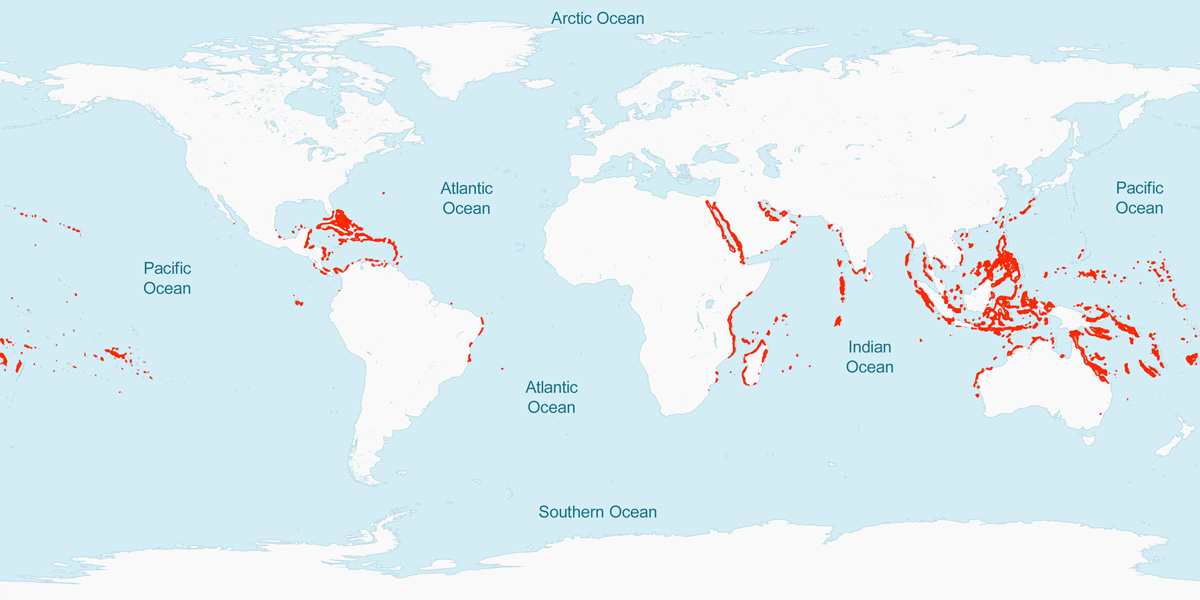
Although coral reefs cover less than 1% of Earth’s surface, they are among the most diverse and influential ecosystems on the planet. Reefs provide resources for many species, including significant benefits for humans.
Based on the map, where are coral reefs usually found? Select all that apply.
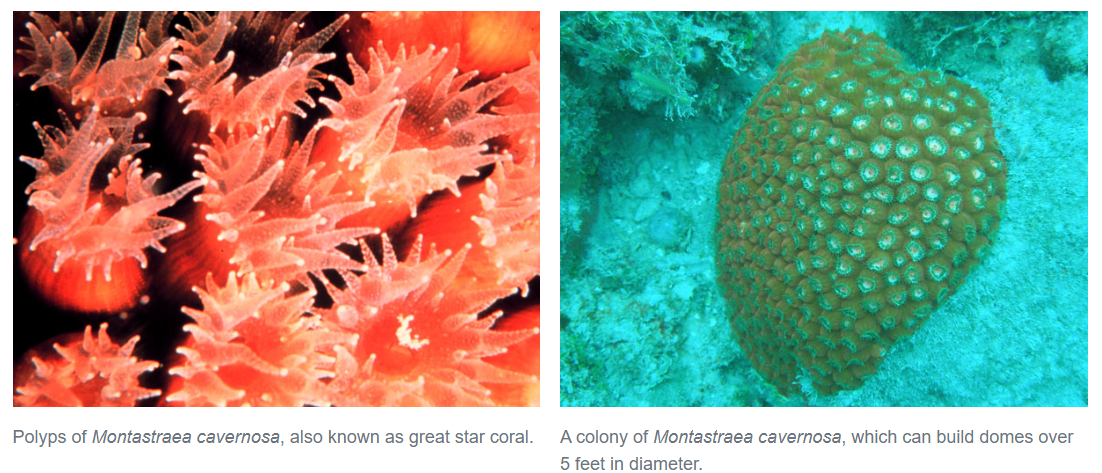
You may think of coral reefs as large structures that look like colorful rocks. These structures are actually colonies of many tiny marine organisms called coral polyps.
Although a single polyp may be small (typically only a few millimeters to a centimeter in diameter), coral colonies can grow very large as they gain more and more polyps.
Individual polyps don’t move very much and might even look like flowering plants. But a closer examination of the polyps’ cells and other characteristics reveals that they are animals called cnidarians.
If coral polyps are animals, what must be true?
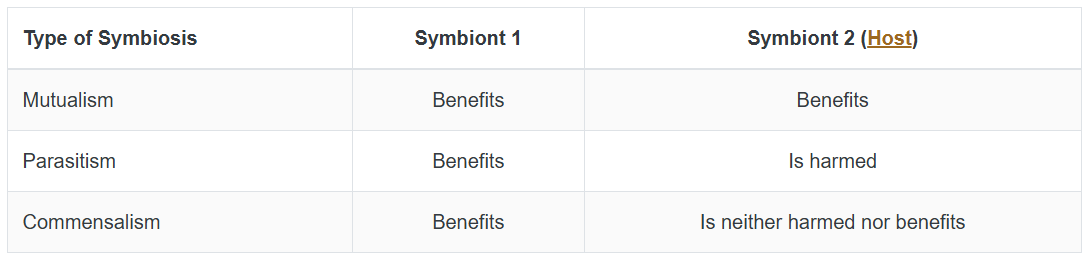
A symbiont is an organism in a symbiosis, or a close, long-term relationship between two or more organisms of different species. The symbiosis may benefit the symbiont, harm the symbiont, or neither harm nor benefit the symbiont.
The table below compares the effects of three major types of symbioses.
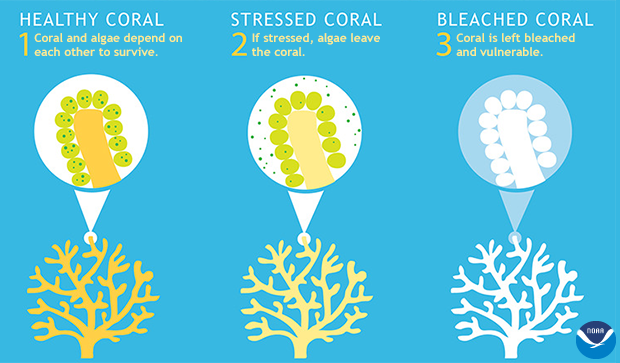
Coral polyps are in a symbiosis with microscopic organisms called zooxanthellae (pronounced zow·uh·zan·theh·lai), a type of single-celled algae.
Zooxanthellae live inside a coral polyp. Much of a coral’s color comes from the zooxanthellae algae that live inside it.
Algae are autotrophs that perform photosynthesis to produce food in the form of sugars that polyps can use. This food provides energy that the coral needs to survive. In exchange, the coral polyps provide the algae with nutrients needed for photosynthesis, as well as shelter from predators.
Which type of symbiosis is the relationship between a coral polyp and its zooxanthellae?
because the coral polyp and its zooxanthellae .

Without zooxanthellae, corals appear white. This is known as coral bleaching.
Without living coral, many species lose their homes or die.
What is the main consequence of coral bleaching on a coral reef?
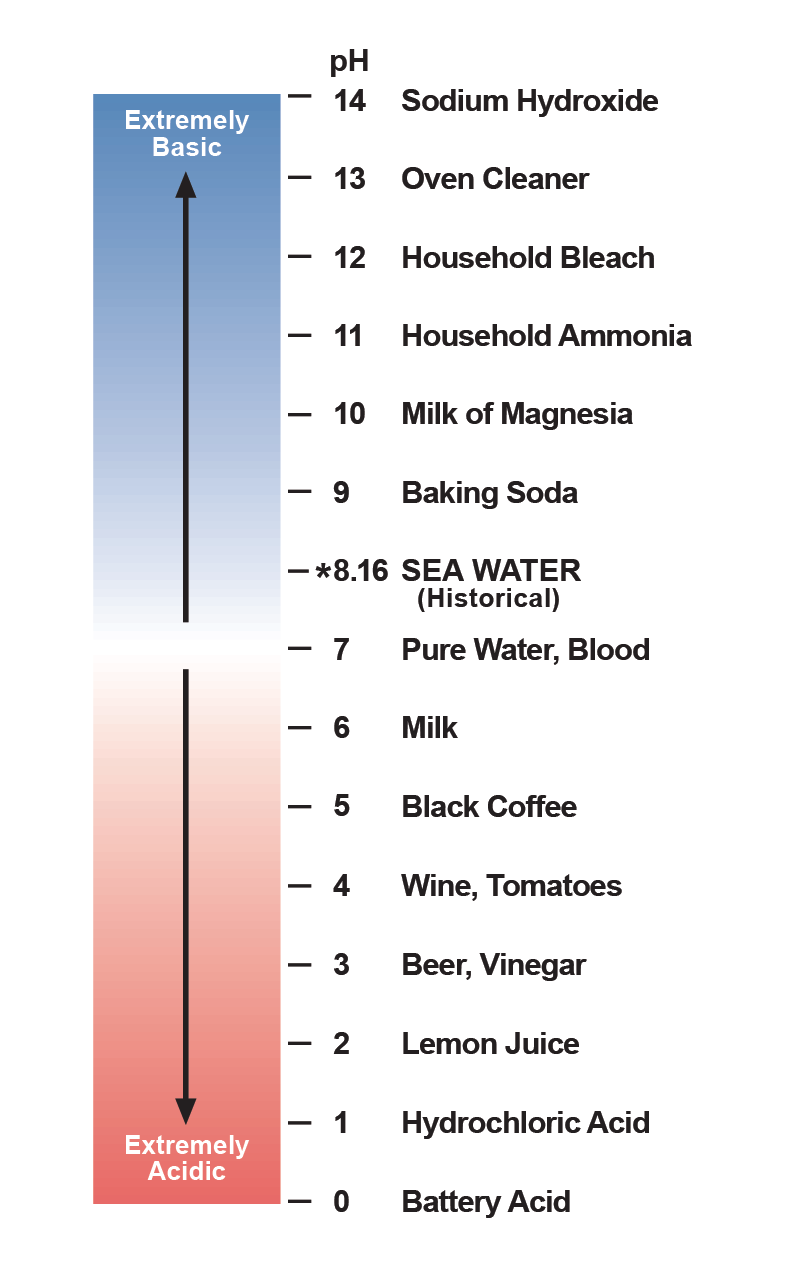
The pH scale measures the amount of positive or negative ions are present. Acids have a higher concentration of positive ions. Bases have a higher concentration of negative ions.
A pH of 0-6 is considered
A pH of 7 is considered
A pH of 8-14 is considered
Sea water has a pH of approximately which means it is slightly
The oceans have absorbed over 1/4 of the CO2 emitted into the atmosphere since 1850. CO2 mixing with ocean water produces carbonic acid.
The average pH of ocean surface waters have fallen from 8.2 to 8.1, a 26% change happening at a rate 10 times faster than any time in the last 55 million years.
As a result, oceans are becoming more
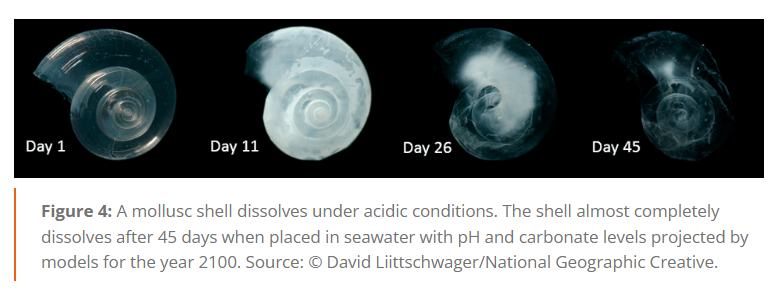
Marine organisms like coral and shellfish use carbonate to form their shells and skeletons.
Lower pH levels dissolve carbonate.
How will ocean acidification will impact coral reefs?
Reflect on your understanding of the learning objectives:
Analyze the relationship between corals and algae and the impact coral bleaching has on biodiversity | |
|---|---|
Predict how increased acidity in the oceans affects corals and shellfish |
Reflect on your mastery of the success criteria:
Explain how corals and algae help each other and identify the effects of corals losing their algae | |
|---|---|
Explain the effect of lower pH on coral skeletons and shellfish |
Coral colonies are made up of individual
The algae symbiont (the zooxanthellae) is located the coral polyp's cells.
What cell stucture allows the symbiont algae (zooxanthellae) to perform photosynthesis?
What causes the algae's chloroplasts to not work properly?
What color do coral turn when they "spit out" their symbiont algae?
What happens to corals that lose their symbiont algae?
How has the increasing acidity of the ocean impacted baby oysters?
What factor is extremely important for baby shellfish to develop properly?
How has ocean acidification affected the Puget Sound oyster farmers?