Preskoči na glavni sadržaj
Prijava
Sign up for FREE
arrow_back
Biblioteka

2025 (Aug.): NY Regents - Earth and Space Sciences

star
star
star
star
star
Posljednje ažuriranje 4 months ago
57
Napomena autora:

NOTICE …

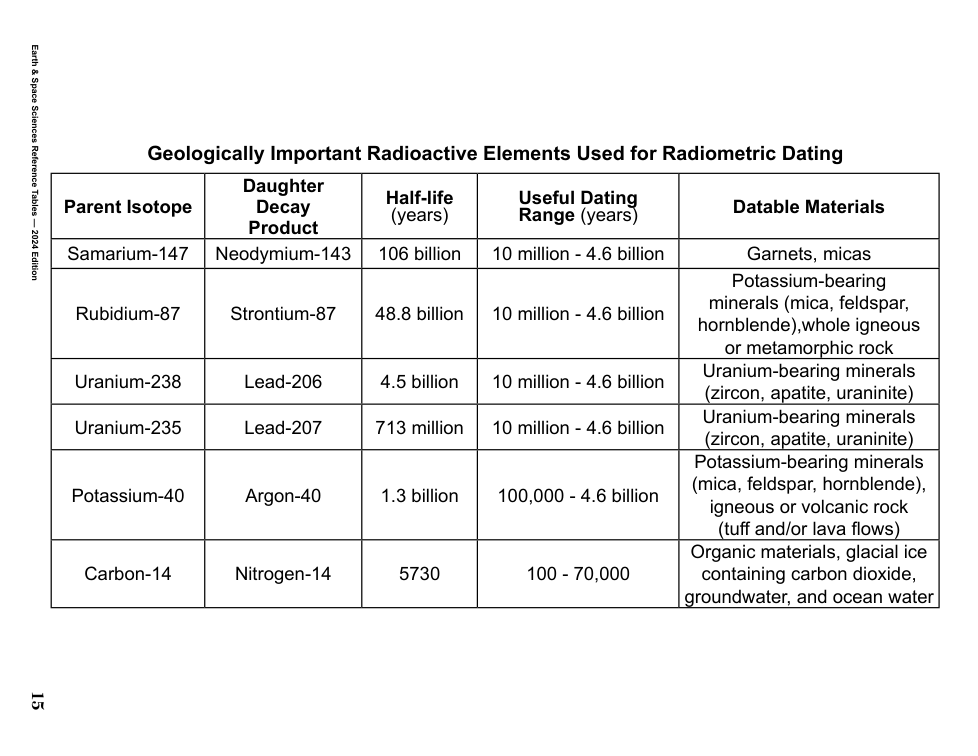
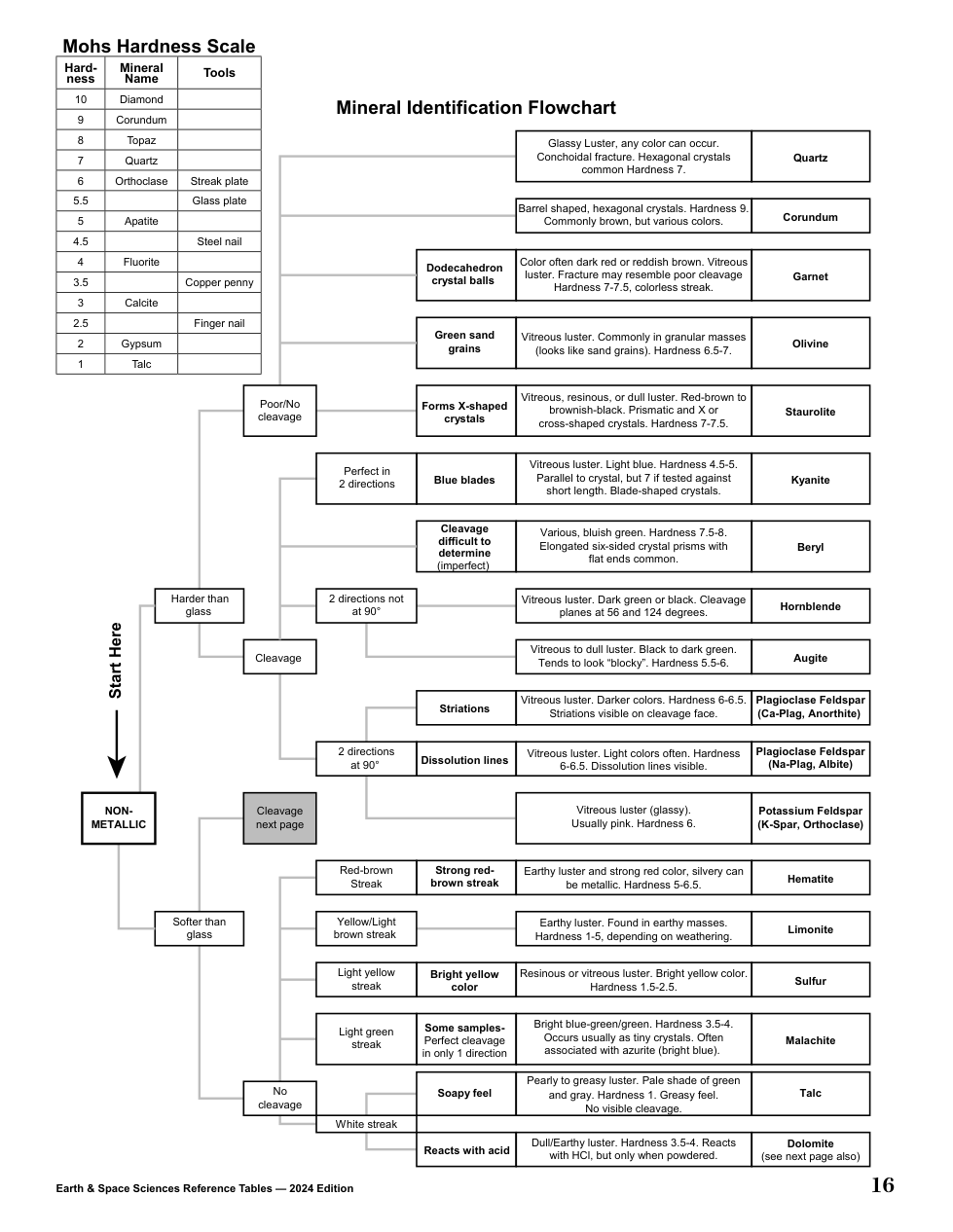
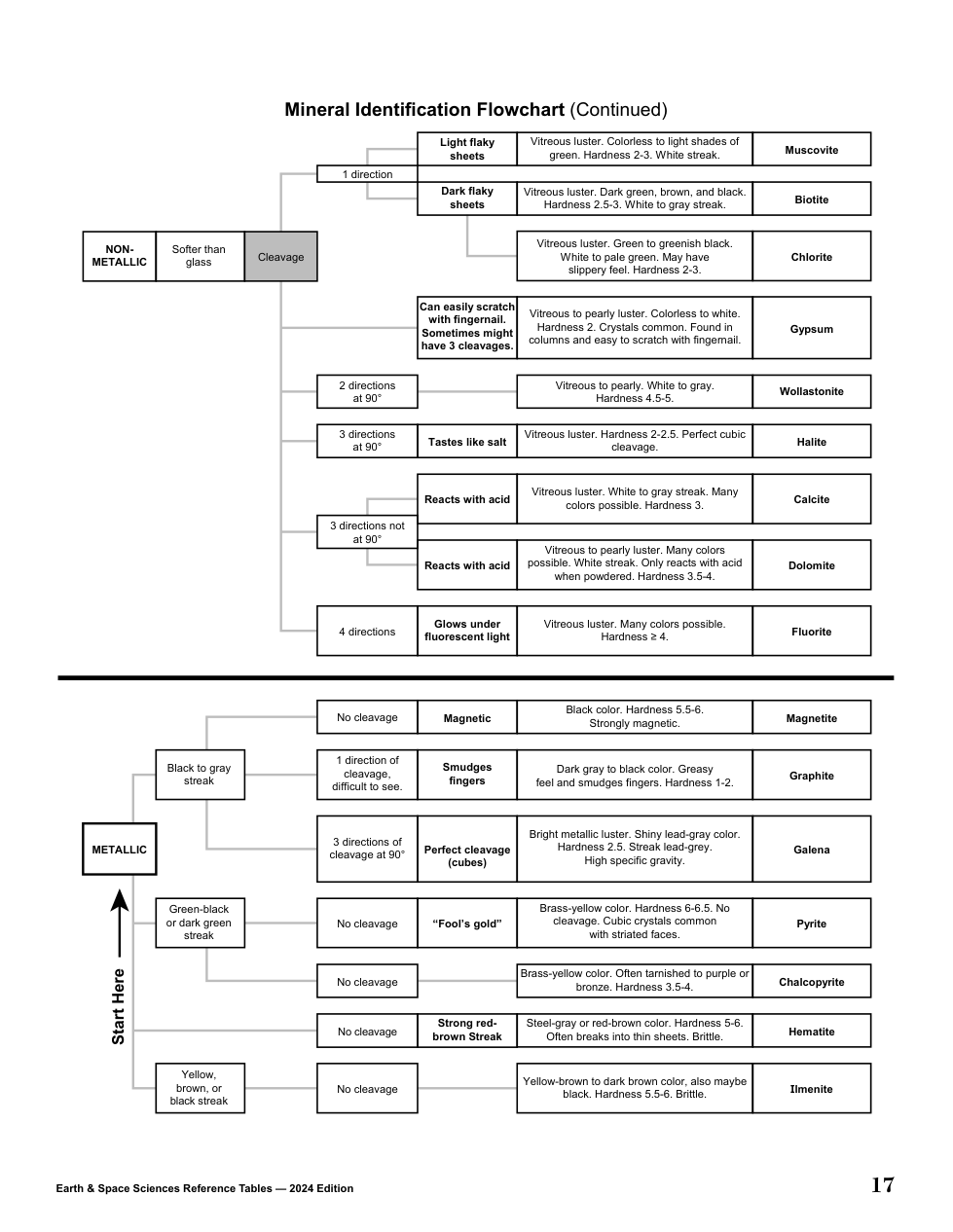
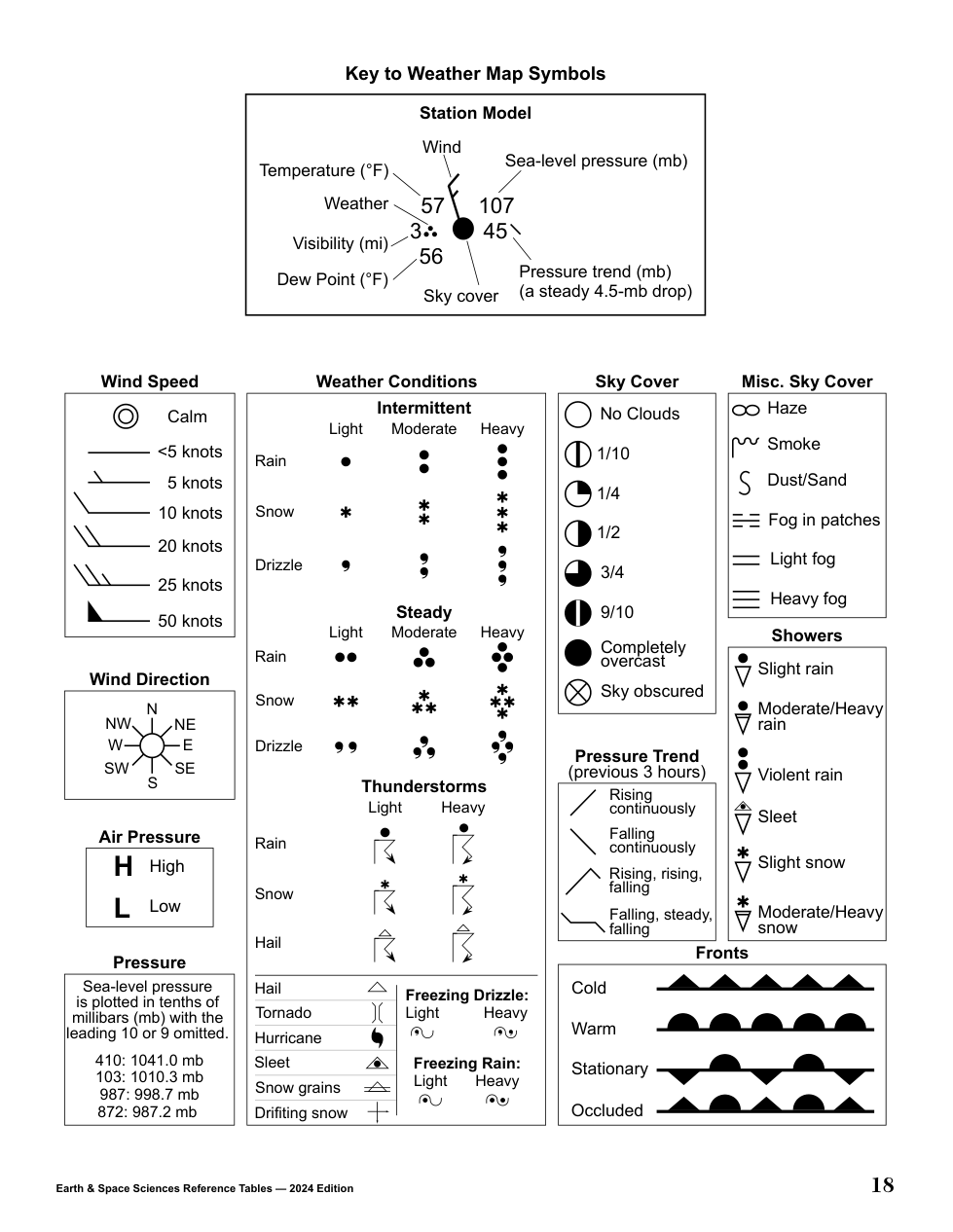
A four-function or scientific calculator and a copy of the 2024 Edition Reference Tables for Earth and Space Sciences must be available for you to use while taking this examination. Note that diagrams are not drawn to scale unless otherwise noted.

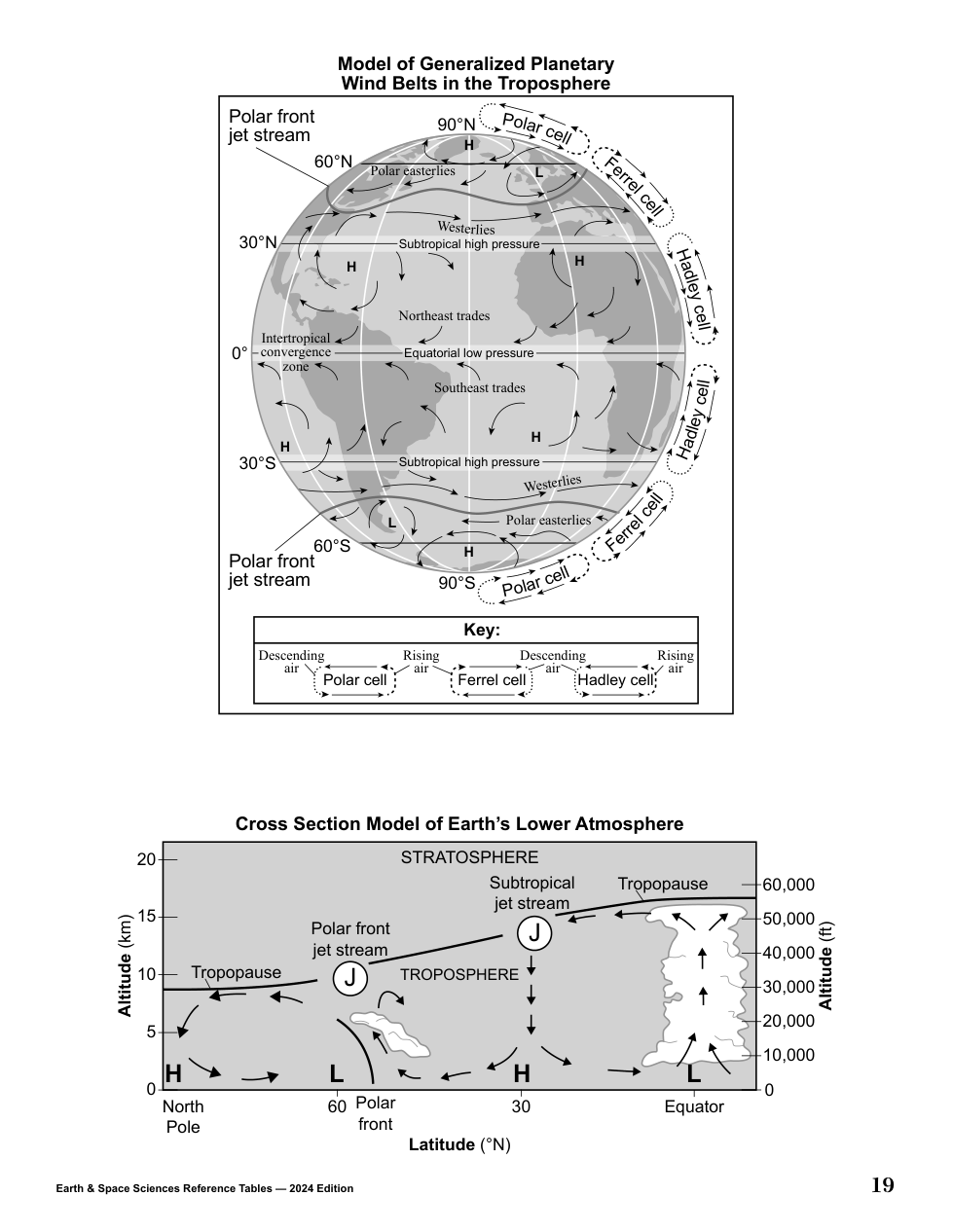
Base your answers to questions 1 through 5 on the information below and on your knowledge of Earth and Space Sciences. Some questions may require the use of the 2024 Edition Reference Tables for Earth and Space Sciences. Be sure to record your answers for the multiple-choice questions on a separate answer sheet provided. Record your answers for the constructed-response questions in your test booklet.

Energy in the Sun

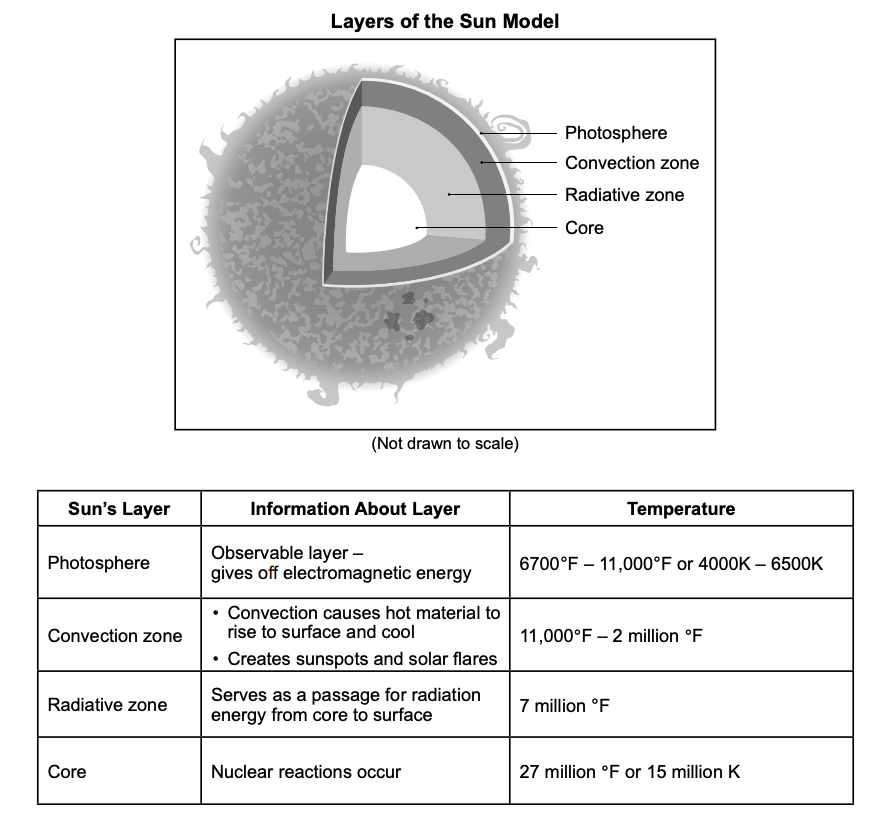
The Sun’s energy influences the environment of all celestial objects in our solar system. Different forms of the hydrogen and helium atoms contained in the Sun’s core, deuterium (2H) and the helium atom (3He), are under very high temperatures and pressures. These atoms combine to form helium (4He), while releasing tremendous amounts of energy. The model below shows some information about the Sun.

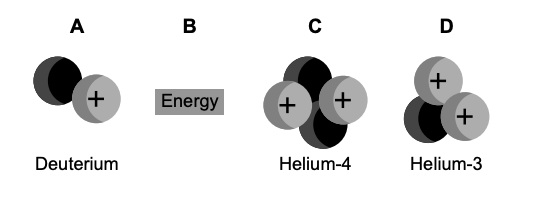
Four components of nuclear fusion, labeled A, B, C, and D, including models of the nuclei of deuterium, helium-4, and helium-3, are shown below.

Scientists have identified an 11-year solar cycle. During this cycle there is an increase and a decrease in the number of dark areas (sunspots) on the Sun’s surface. Periods in the cycle with the highest numbers are called maxima, while periods in the cycle with the lowest numbers are called minima.

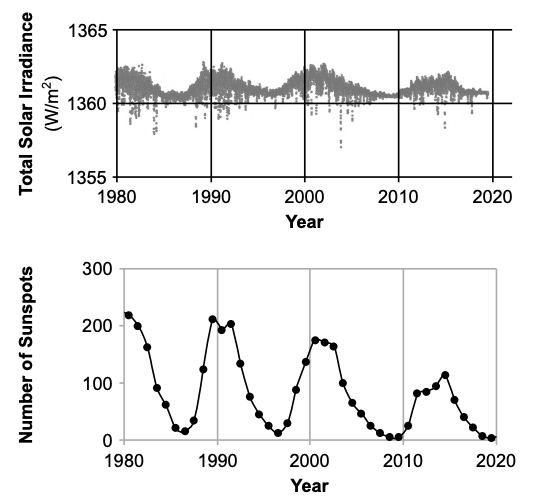
The graphs below show the output of light energy from the entire disk of the Sun, measured at Earth (Total Solar Irradiance) in watts per meter squared (W/m2), and some information about sunspots.

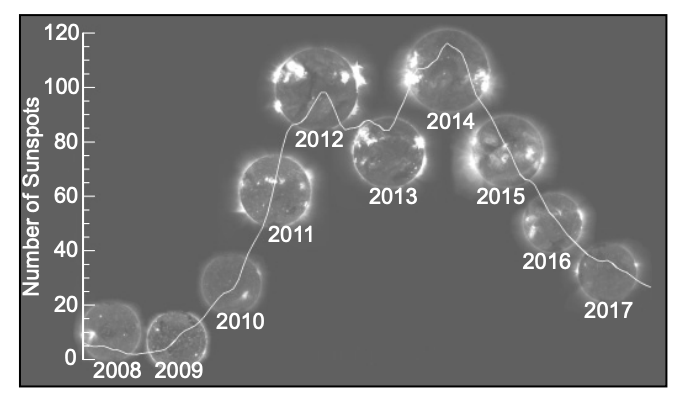
The model below shows photographs of the Sun with active areas (lighter regions) from 2008 to 2017. These active areas indicate high-frequency radiation emitted from the Sun. The line on the model represents the number of sunspots during the same time period.

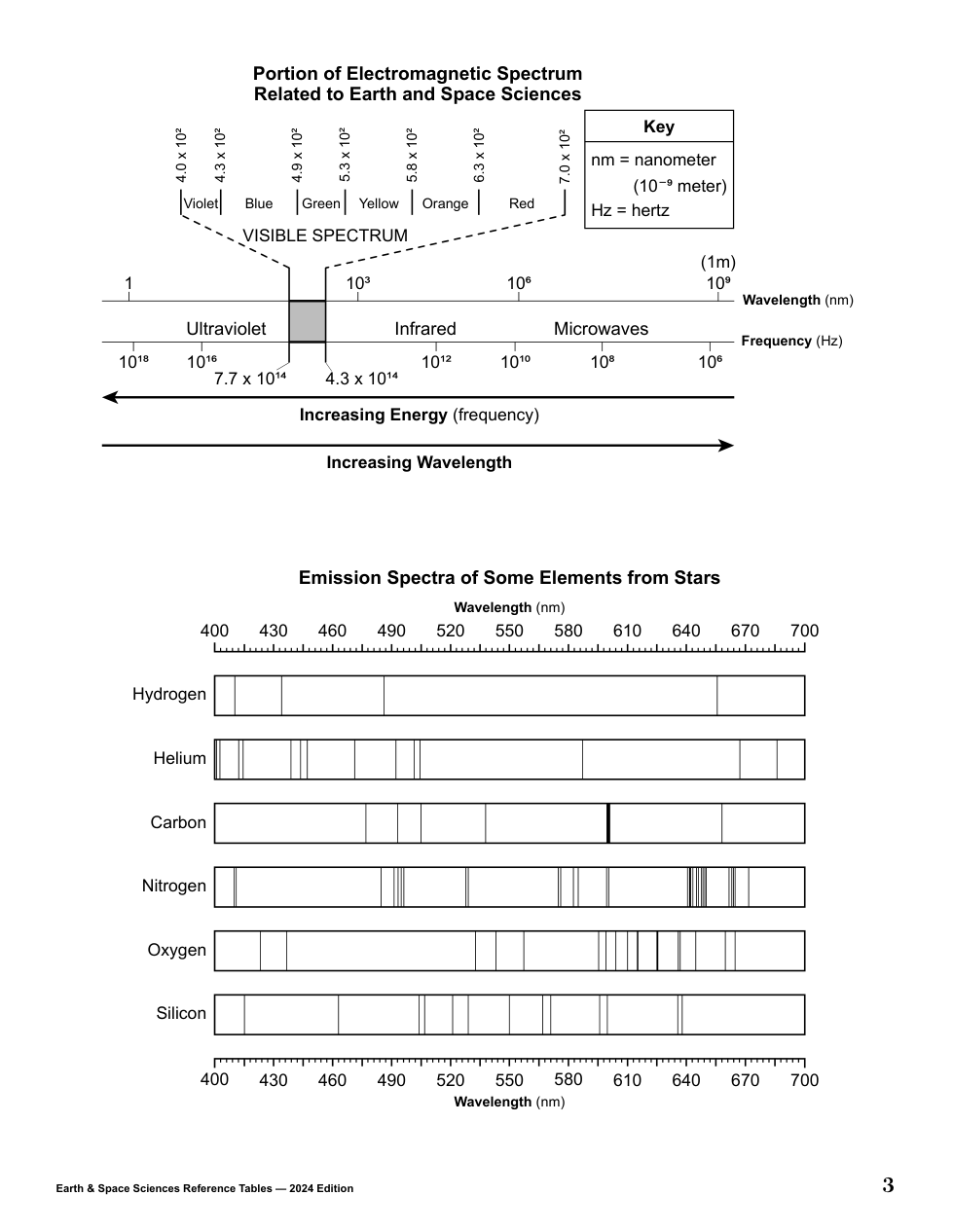
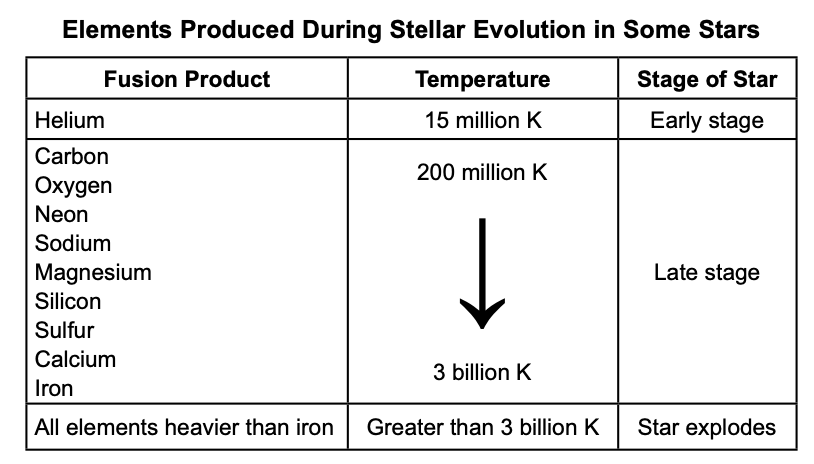
As a star ages, the hydrogen in its core gets used up. The core begins to undergo a gravitational collapse and becomes more dense. The chart below shows some information about elements in some stars.

1
HS.ESS1.1
1
HS.ESS1.1
1
HS.ESS1.1
1
HS.ESS1.1
1
HS.ESS1.3

Base your answers to questions 6 through 10 on the information below and on your knowledge of Earth and Space Sciences. Some questions may require the use of the 2024 Edition Reference Tables for Earth and Space Sciences.

The Power of Water

Water in its many forms is unique to our planet. It is required for life as we know it and it can be used for a wide variety of beneficial purposes such as recreation and generating electricity. However, water can also be destructive and cause problems for humanity.

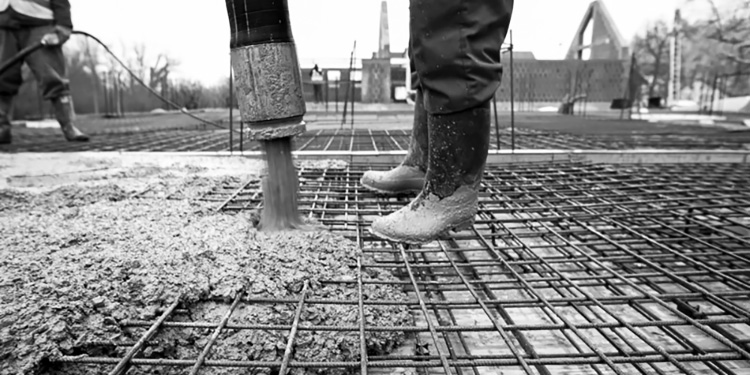
Concrete is an important building material that can be affected by water. The photograph below shows how structures are built with concrete and rebar (metal rods used to provide strength).

Concrete Pour With Rebar Structure

Concrete being poured over a grid of metal rebar.

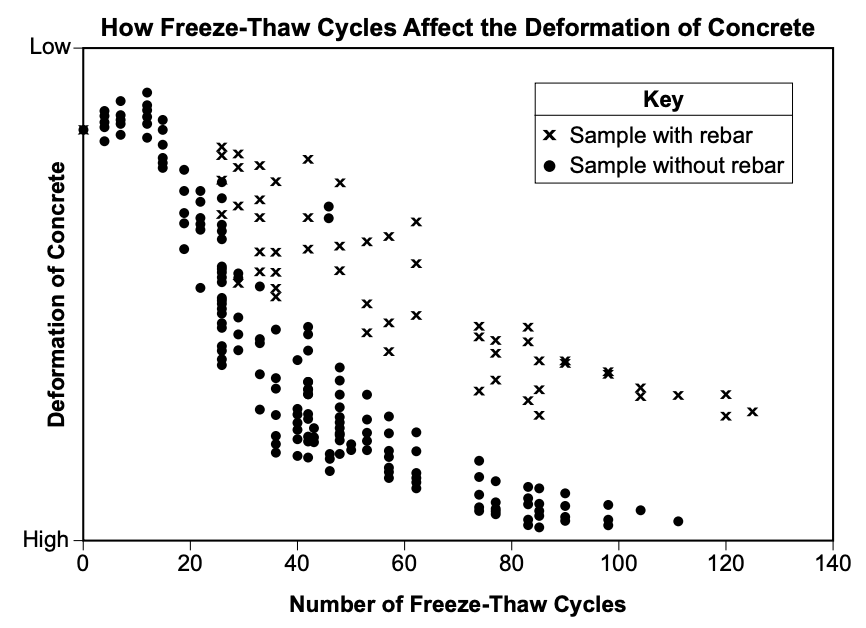
An experiment was conducted on samples of concrete, with and without rebar, to see how freeze-thaw cycles affected the deformation of the concrete. The graph shows some information about the freeze-thaw experiment.

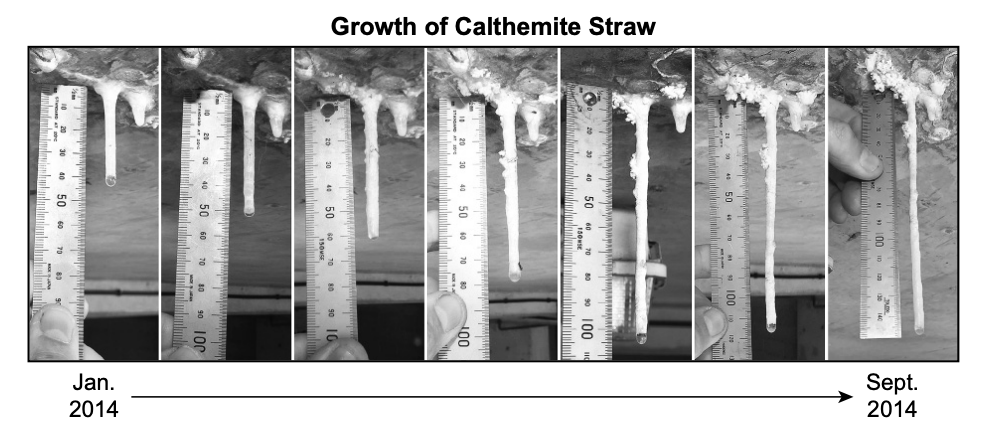
Workers pouring concrete over a grid of rebar metal rods.Calthemite straws are deposits found on the underside of concrete structures such as parking garages. Calthemites are not considered stalactites, as they do not form naturally in caves and cavern systems. The series of photographs below shows the growth of a calthemite straw measured in millimeters (mm).

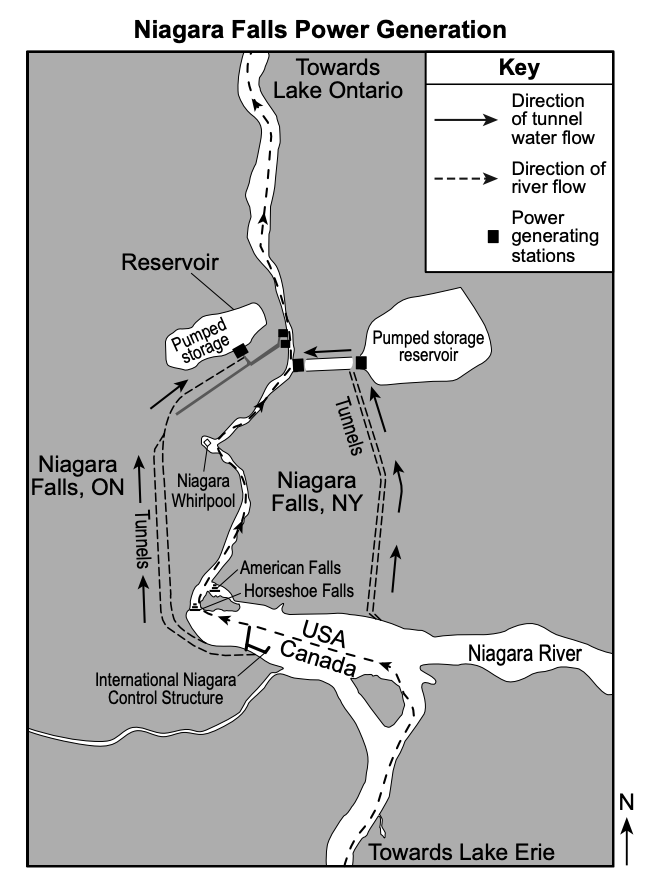
The power of water is utilized at Niagara Falls. Two large power generation facilities have been in operation there for decades. Water from the Niagara River is diverted through pipes and tunnels upstream from the falls. This water is then run through turbines to generate electricity before it is released back to the river below the falls.

The map below shows some information about the Niagara Falls region.

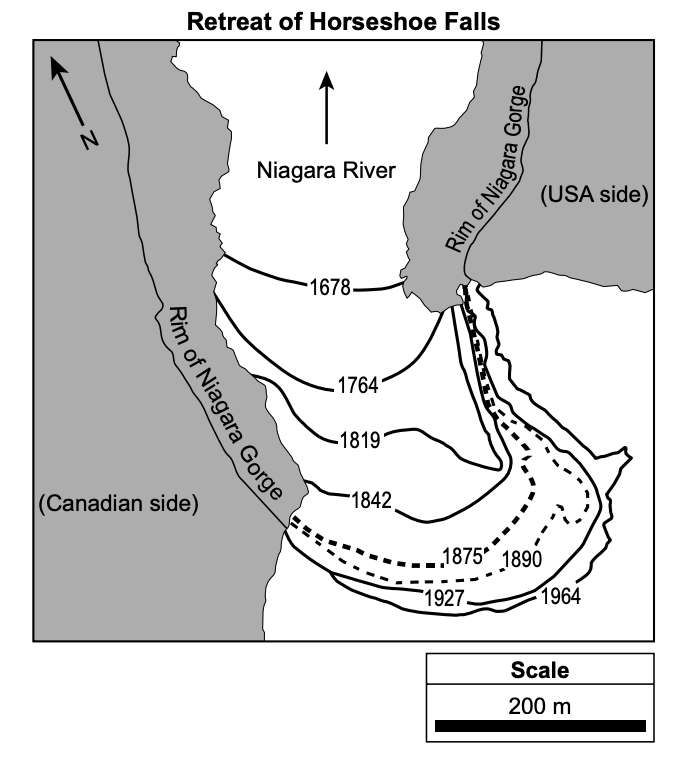
The map below shows some information about the changing position of the edge of the falls over time.

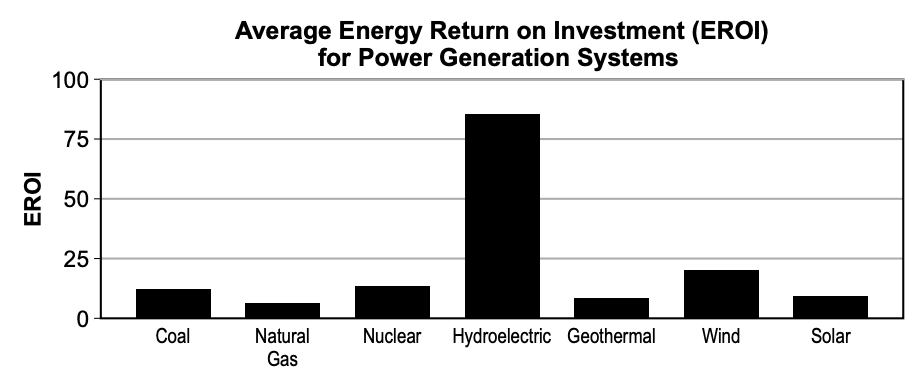
No source of electricity is 100% effi cient. All sources of electricity require substantial monetary investment to build structures, maintain them, employ workers, and establish a power grid to get electricity to consumers. The Energy Return on Investment calculation (EROI) is a comparison of the amount of money invested in electricity generation to the amount of electricity produced. When the EROI value is large, that means producing energy from that source is relatively easy and cost-effective. The graph below compares EROI values for seven electricity production methods.

1
HS.ESS2.5
1
HS.ESS3.4
1
Pitanje 9
9.

Analyze data from the two maps to make a claim about how the construction of the hydroelectric power plants and diversion tunnels caused the rate of erosion at Horseshoe Falls to decrease.

HS.ESS2.2
1
HS.ESS3.2

Base your answers to questions 11 through 15 on the information below and on your knowledge of Earth and Space Sciences. Some questions may require the use of the 2024 Edition Reference Tables for Earth and Space Sciences.

Telescopes and the History of the Universe

Two space telescopes that are providing astronomers with information about the early universe are the Hubble Space Telescope (HST) and the James Webb Space Telescope (JWST).

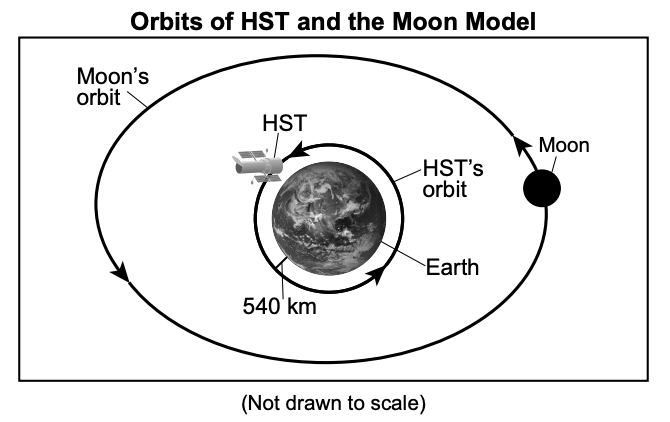
The HST orbits Earth at a distance of 540 km above the surface and can observe visible, ultraviolet (UV), and infrared (IR) radiation. It contains cameras and spectrographs that break light into the colors of the spectrum for analysis of elements found in stars.

Hubble has determined the age of the universe to a more precise date of 13.8 billion years old and has photographed galaxies in all stages of evolution—even galaxies from the early universe.

A central idea of the Big Bang theory is that the universe expanded rapidly and released energy. Scientists have been gathering evidence for this expansion and energy release since the early 1920s.

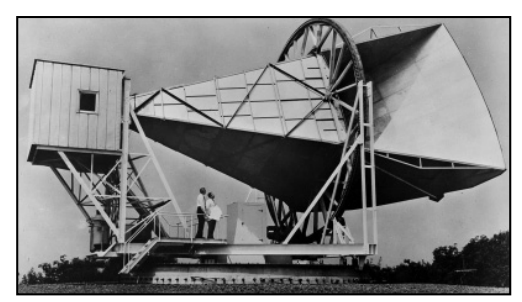
The photograph below, from 1964, shows two scientists in New Jersey with a radio telescope aimed towards outer space. This telescope was one of the first to record cosmic microwave background radiation coming from all directions in space.The only evidence astronomers have for the first stars that formed is the electromagnetic radiation they left behind. Telescopes like Hubble can detect objects billions of light-years away (billions of years back in time).

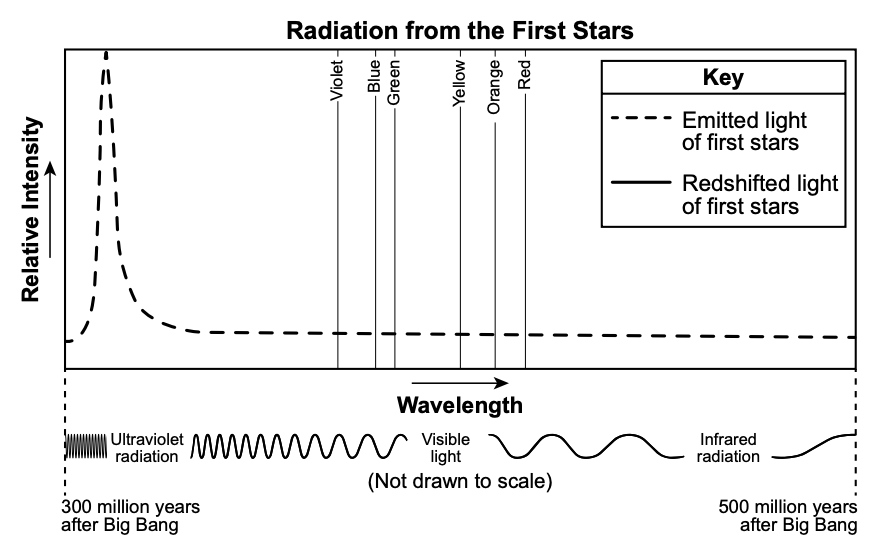
The graph below shows some information about the first stars that formed after the Big Bang.

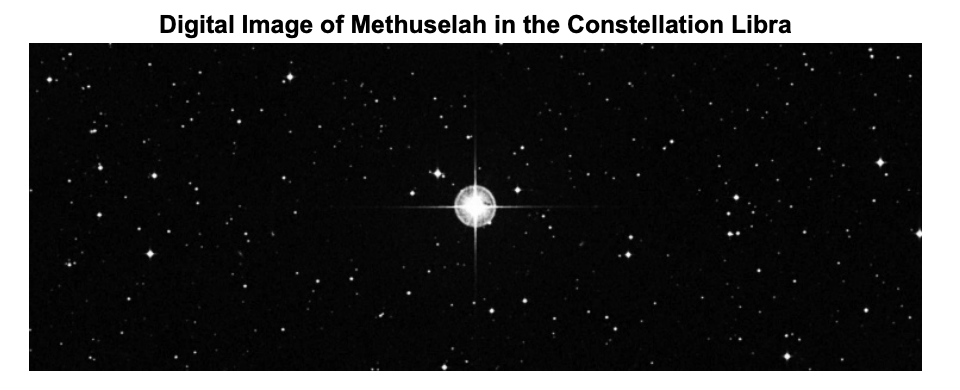
One of the oldest stars ever observed by HST is classified as a giant star called Methuselah in the Milky Way Galaxy. It is believed to be almost as old as the universe itself. Based on Methuselah’s composition, scientists do not believe it is one of the first stars.

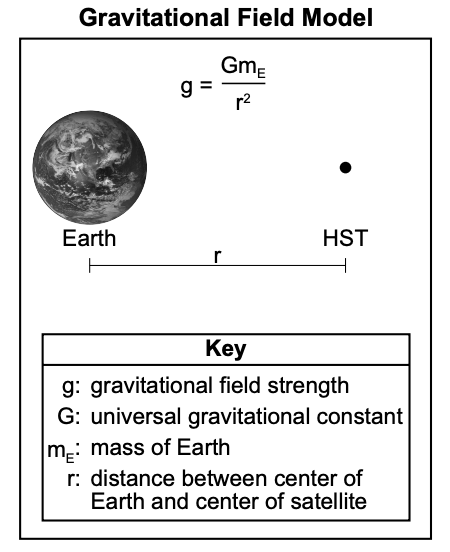
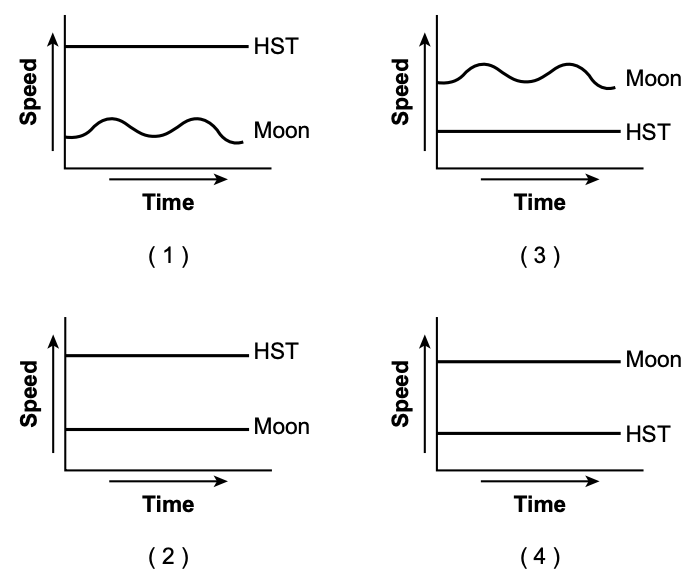
The model represents the locations of the HST orbit and the Moon’s orbit around Earth. The Moon’s orbital distance varies from approximately 363,100 km to 405,700 km.

The orbital motions of satellites, natural or human-made, are determined by the strength of the gravitational fi eld at the satellite’s location. The model below shows the formula used to calculate the strength of Earth’s gravitational field for Earth’s satellites.

Two scientists standing beside a large horn-shaped radio telescope antenna

1
HS.ESS1.2
1
HS.ESS1.2
1
Pitanje 14
14.
HS.ESS1.4
1
HS.ESS1.4

Base your answers to questions 16 through 20 on the information below and on your knowledge of Earth and Space Sciences. Some questions may require the use of the 2024 Edition Reference Tables for Earth and Space Sciences.

Horse Latitudes

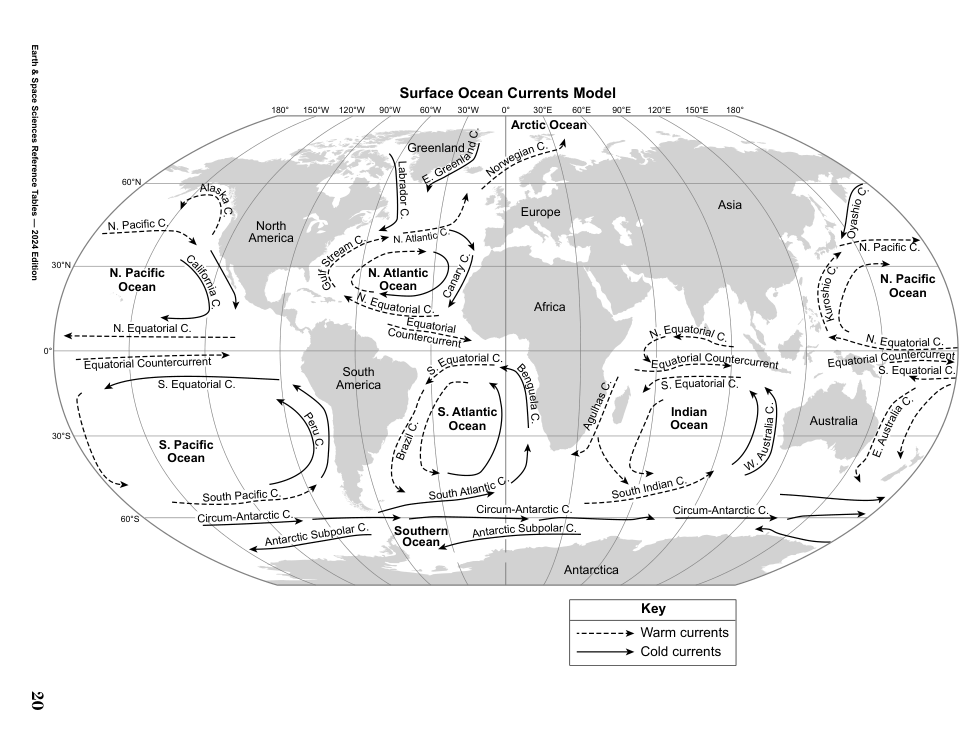
The historical term “horse latitudes” (areas located at approximately $30^\circ \text{N}$ and $30^\circ \text{S}$ latitude) comes from the legend of Spanish sailing ships that would often become stalled for days or even weeks when they encountered areas that usually experienced calm winds, sunny skies, and little or no precipitation. Many of these ships carried horses to the Americas as part of their cargo. Unable to sail and resupply due to lack of wind, crews often ran low on drinking water. To conserve scarce water, sailors on these ships would sometimes throw the horses they were transporting overboard. Thus, the phrase “horse latitudes” was born.

Data Table: Air Masses

Air Mass Name

Air Mass Code

Continental Polar

cP

Continental Tropical

cT

Maritime Polar

mP

Maritime Tropical

mT

Maritime Equatorial

mE

Continental Arctic

cA

Continental Antarctic

cAA

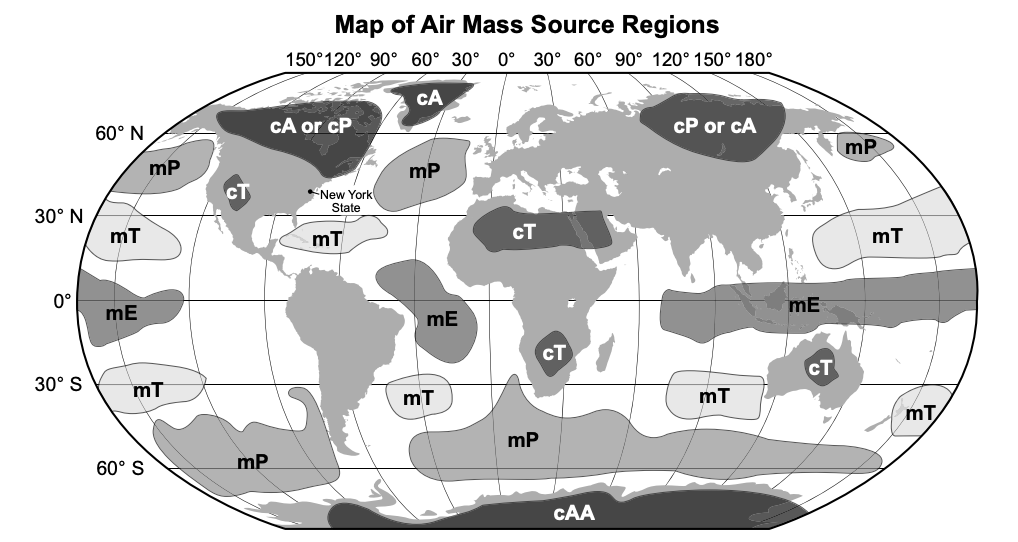
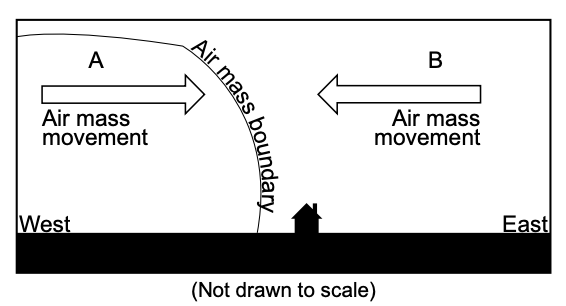
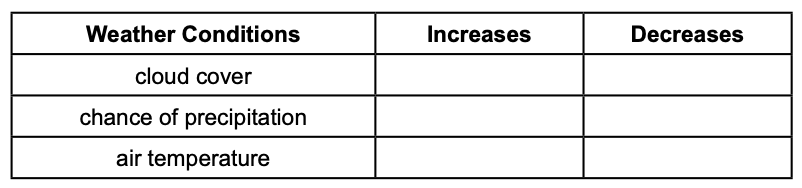
Utica, New York is located at approximately 43°N. In the model below, Utica is infl uenced by a cold, dry air mass (A). A warm, moist air mass (B) that originated along the east coast of the United States enters the region. The model shows these two air masses interacting near a residence in Utica.

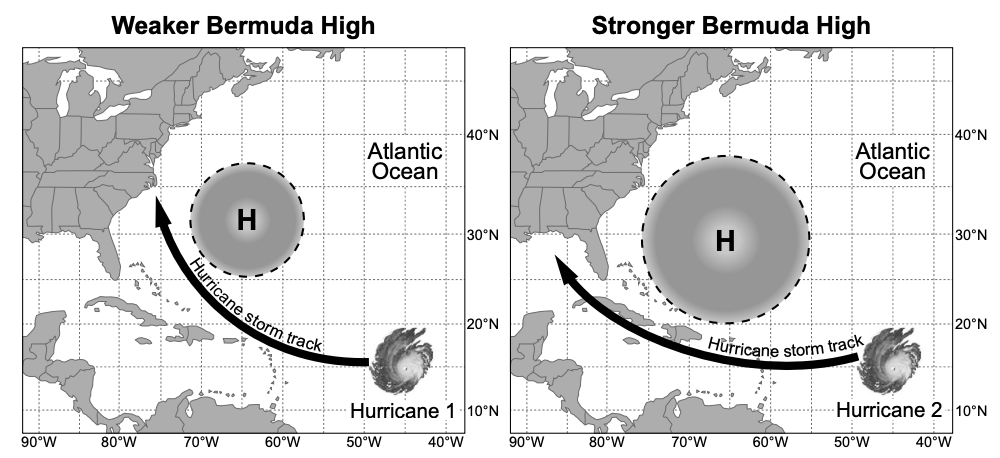
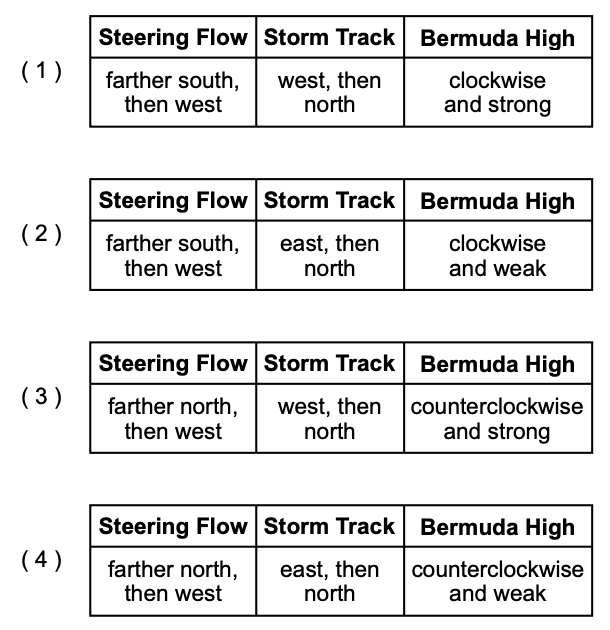
The Bermuda high pressure system forms in the “horse latitude” region of the North Atlantic Ocean. Air circulation around the margins of the Bermuda high is known as “steering flow” and can influence a hurricane’s storm track. Meteorologists analyze the position and strength of Bermuda high pressure systems to help make predictions about hurricane storm tracks and determinations about where hurricanes will make landfall. The maps below show some information about the effects of Bermuda highs.

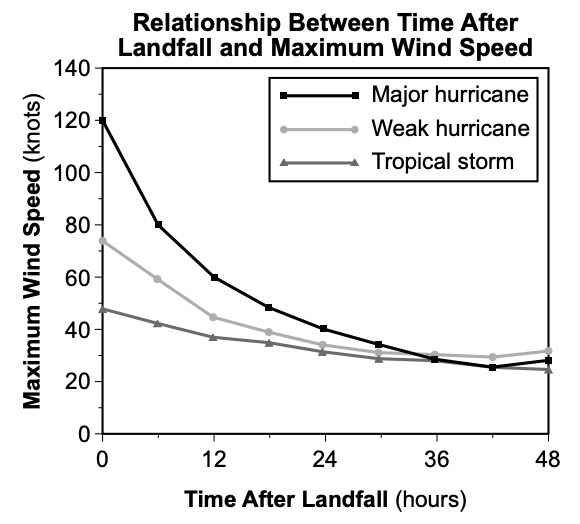
The graph below shows some information about hurricanes and tropical storms.

1
HS.ESS2.8
1
HS.ESS2.8
1
HS.ESS2.8
1
HS.ESS2.8
1
HS.ESS1.6
1
HS.ESS2.7
1
Pitanje 23
23.

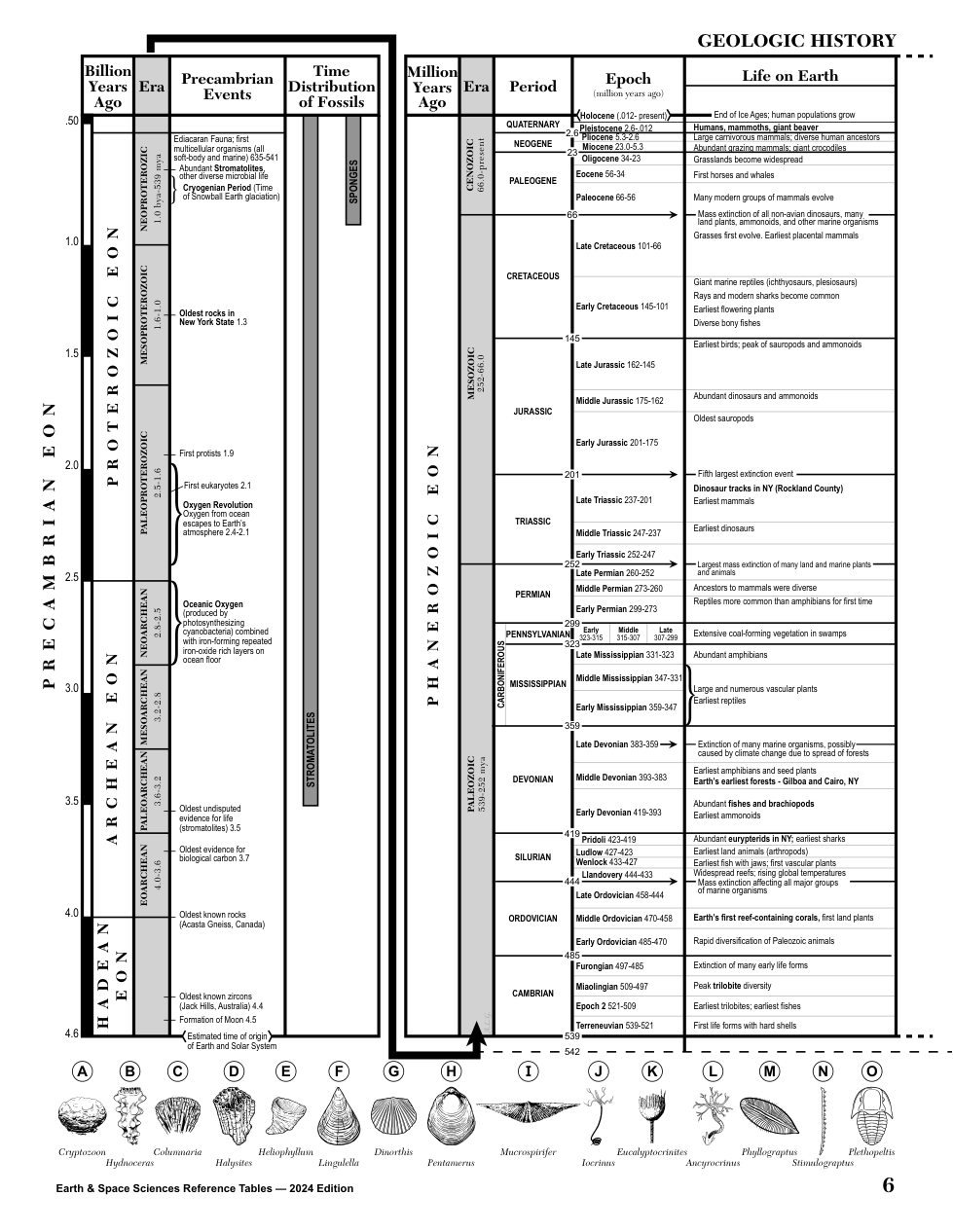
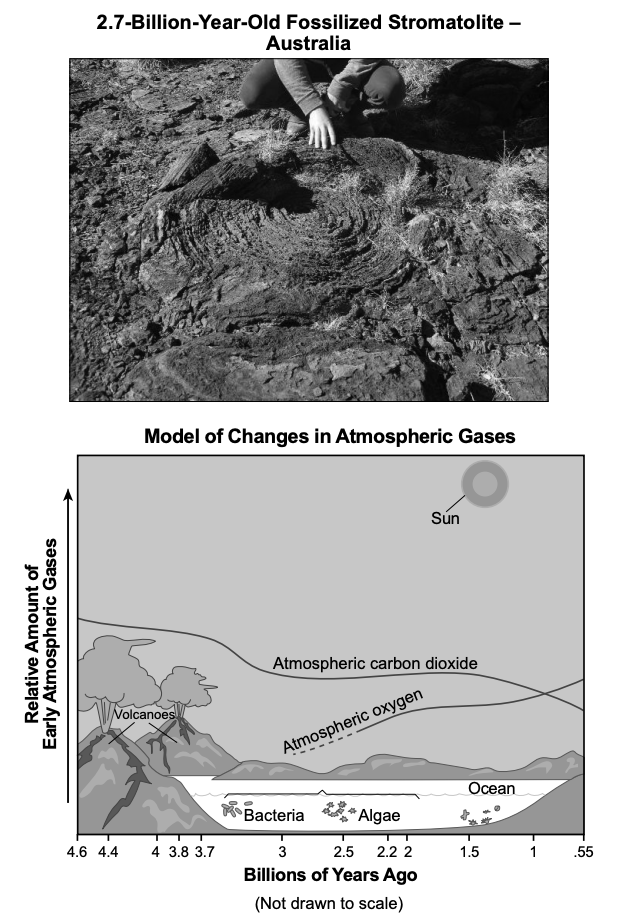
Construct an argument, based on evidence in the model, about how stromatolites in Earth’s oceans caused Earth’s early atmosphere to evolve.

HS.ESS2.7
1
Pitanje 24
24.
HS.ESS2.2
1
HS.ESS2.5
1
Pitanje 27a
27a.
HS.ESS2.3
1
Pitanje 27b
27b.

Geologic Process:

HS.ESS2.3
1
HS.ESS2.1
1
HS.ESS2.3
1
HS.ESS2.1

Base your answers to questions 31 through 35 on the information below and on your knowledge of Earth and Space Sciences. Some questions may require the use of the 2024 Edition Reference Tables for Earth and Space Sciences.

Earth-Moon History

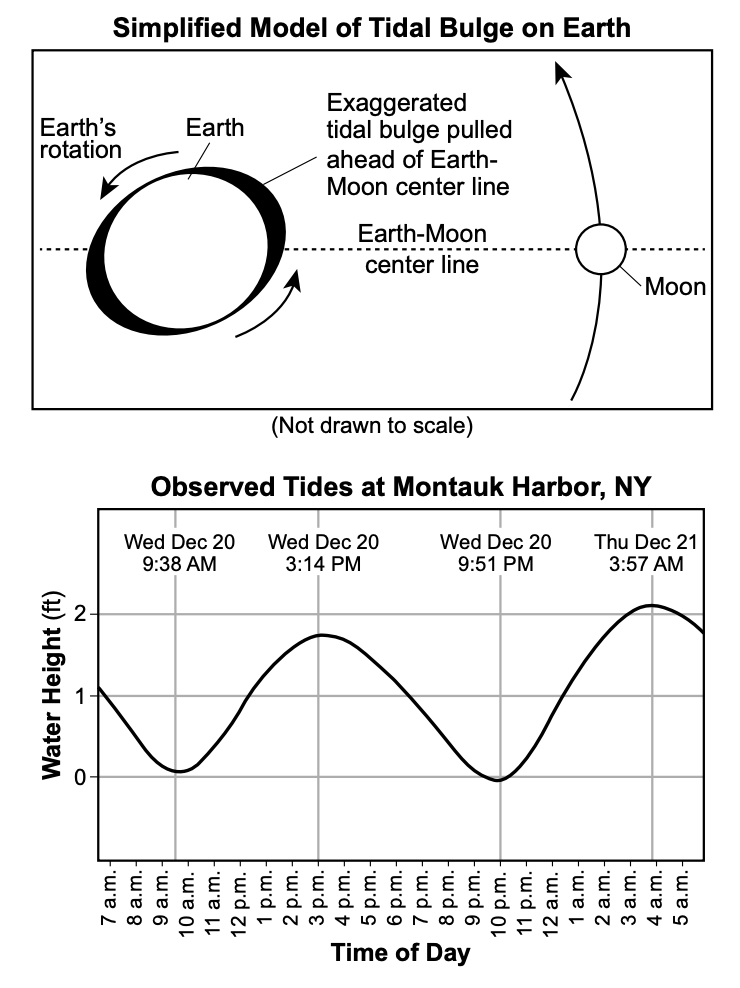
About four billion years ago, the Moon was very close to Earth, and Earth may have been rotating at a much faster rate than today. It is estimated that each Earth day, at that time, may have been six to eight hours long, which, when calculated, would result in an Earth year of about 1400 days. The force that causes tides on Earth creates tidal friction which, over time, slowed Earth's rotation, causing Earth days to become about 24 hours long. As Earth's rate of rotation has decreased, the Moon has continued to move farther away from Earth at an average rate of 3.8 cm/yr. The Moon orbits Earth at an average distance of 384,400 km. The model and graph below show some information about tides.

Simplified model of tidal bulge on Earth, showing the Earth, its rotation, the Moon, and an exaggerated tidal bulge pulled ahead of the Earth-Moon center line.

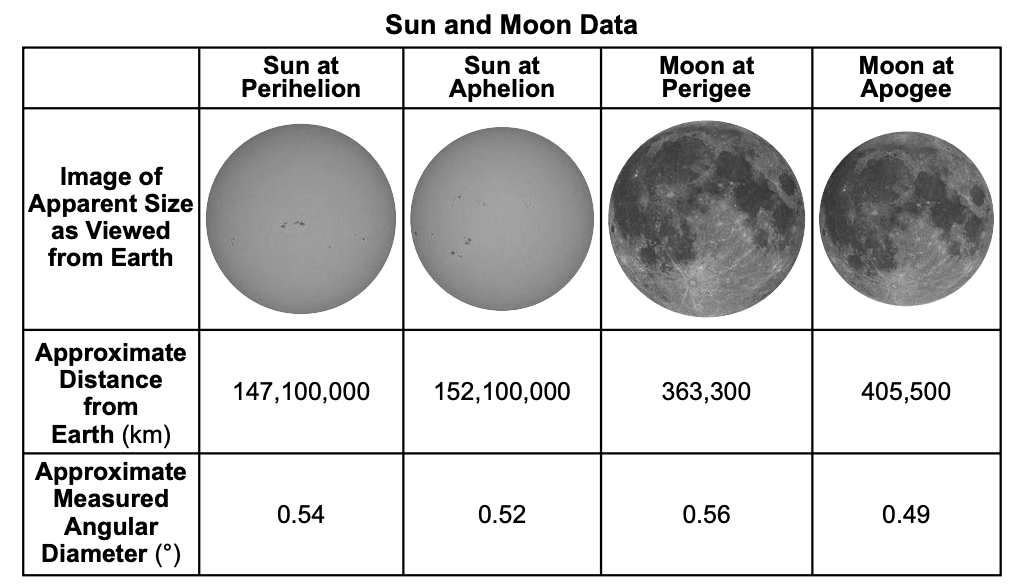
The table below shows some information about the Sun and the Moon.

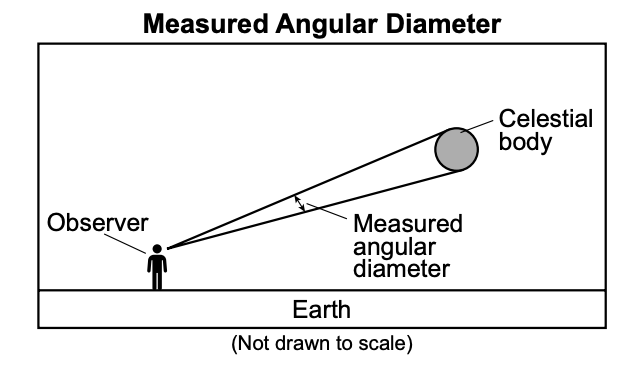
The measured angular diameter of a celestial body is the angle that the diameter of the body makes as seen from Earth.

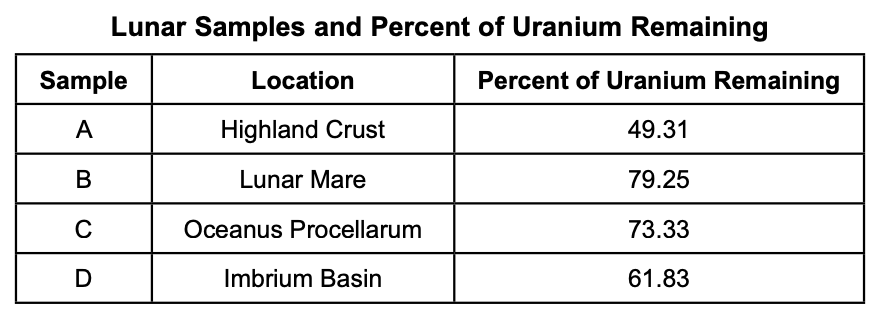
Astronomers theorize that the Moon formed as a result of a collision between Earth and another planet. The debris created during this collision circulated around Earth and formed the Moon. Evidence for the age of the Moon is found in zircon, a mineral found in lunar rocks. This mineral contains uranium-238. The table below shows some information about four rock samples taken from the lunar surface.

1
HS.ESS1.7
1
Pitanje 33
33.

Construct an explanation to support the claim that in about 700 million years, a total solar eclipse on Earth’s surface will be impossible.

HS.ESS1.7
1
HS.ESS1.4

Base your answers to questions 36 through 40 on the information below and on your knowledge of Earth and Space Sciences. Some questions may require the use of the 2024 Edition Reference Tables for Earth and Space Sciences.

Dams and Flood Mitigation

Dams and other structures are often put in place in river systems to help reduce life and property losses to residents living near rivers due to flooding. Dams are also built to generate electricity.

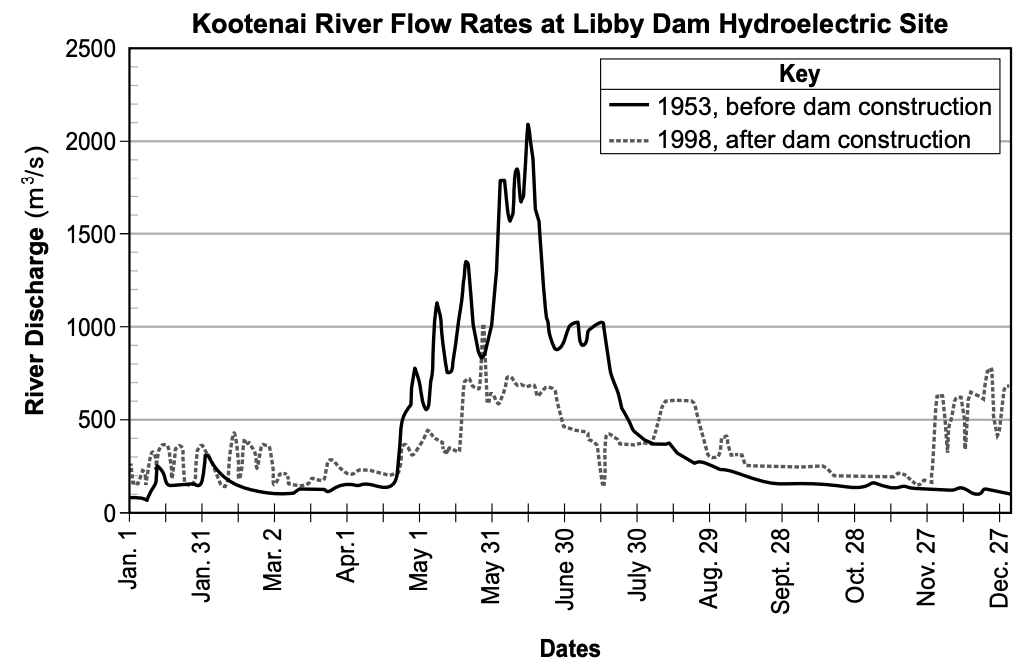
The graph below shows river flow rates on the Kootenai River in Montana in cubic meters per second ($m^3/s$).

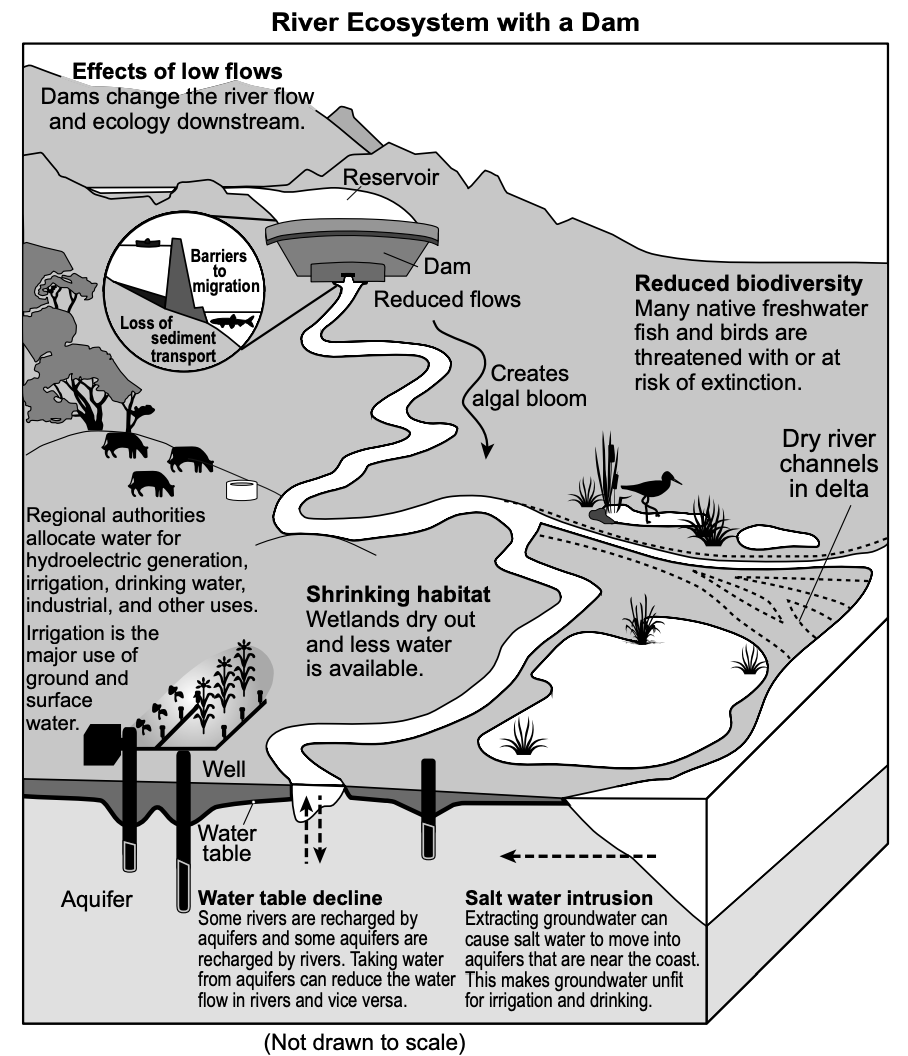
The model below shows some information about a river system.

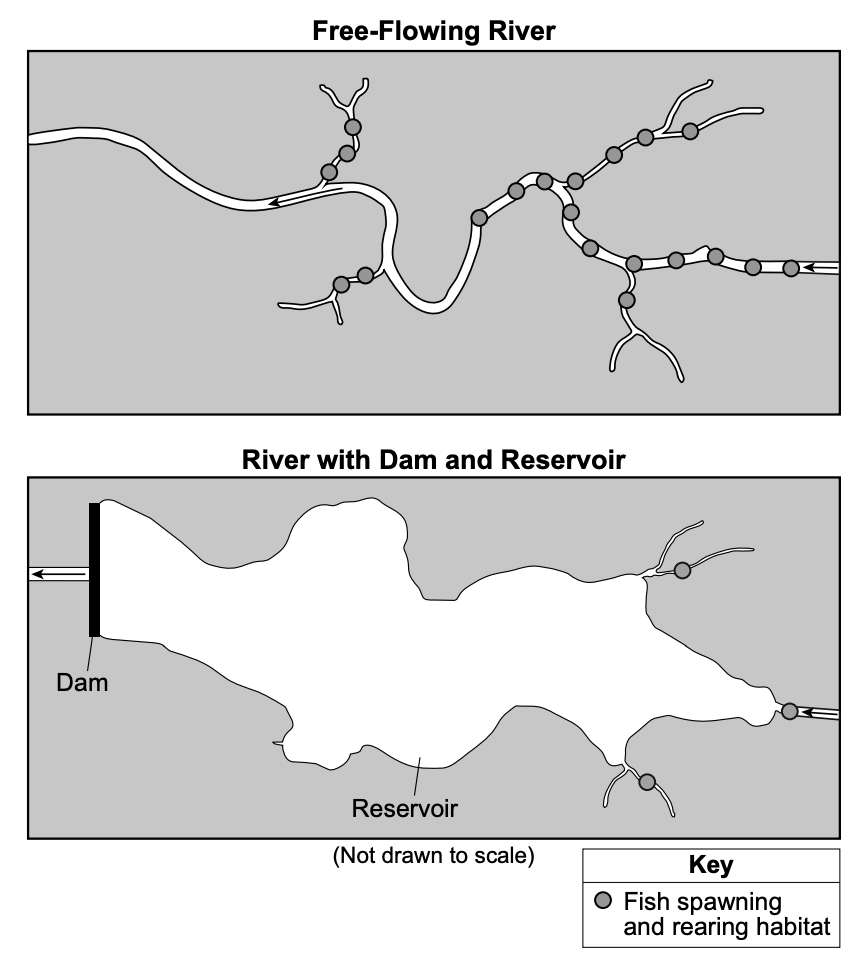
Graph titled 'Kootenai River Flow Rates at Libby Dam Hydroelectric Site' showing river discharge over dates for 1953 before dam construction and 1998 after dam construction.The diagrams below show a river system before and after being dammed to create a reservoir. Arrows indicate direction of flow of the river from upstream to downstream.

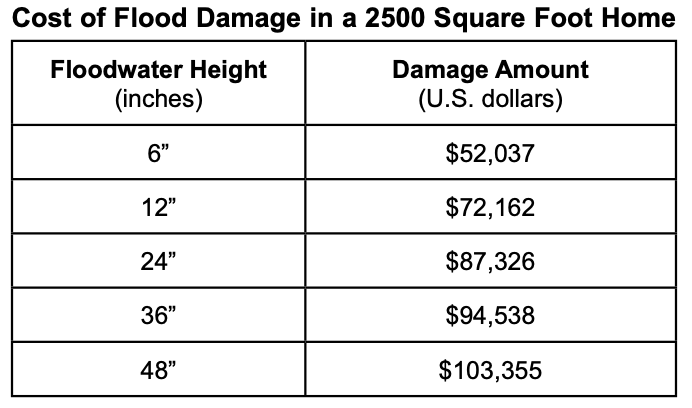
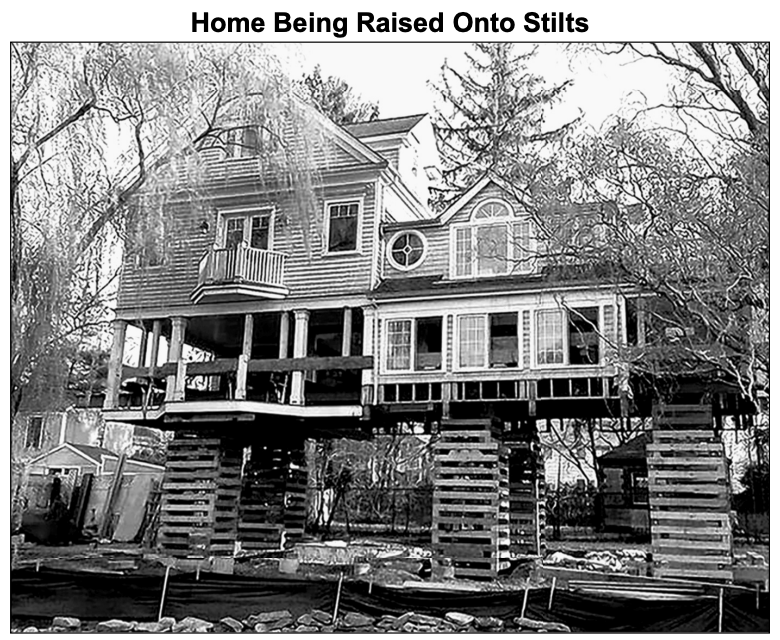
Some residents in coastal areas impacted by flooding have decided to place their existing homes on stilts above identified floodwater levels. The data table shows some information about flood damage.

1
HS.ESS3.2
1
HS.ESS3.6
1
Pitanje 38
38.

Use the River Ecosystem with a Dam model to construct a claim about the amount of coastal sediment deposited by a river system before and after a dam is constructed.

HS.ESS2.2
1
HS.ESS3.1
1
HS.ETS1.1

Base your answers to questions 41 through 45 on the information below and on your knowledge of Earth and Space Sciences. Some questions may require the use of the 2024 Edition Reference Tables for Earth and Space Sciences.

New York State Fossils of Note

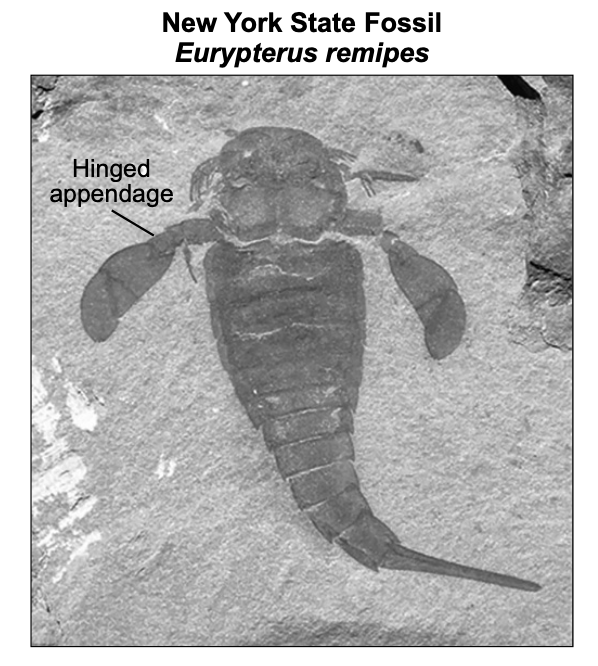
The New York State fossil shown below is a Silurian-age eurypterid called Eurypterus remipes.

This fossil was originally believed to be a catfish before being correctly described as an arthropod — an invertebrate with a segmented exoskeleton and hinged appendages. Some eurypterid appendages were used for walking, while other appendages were used for swimming.

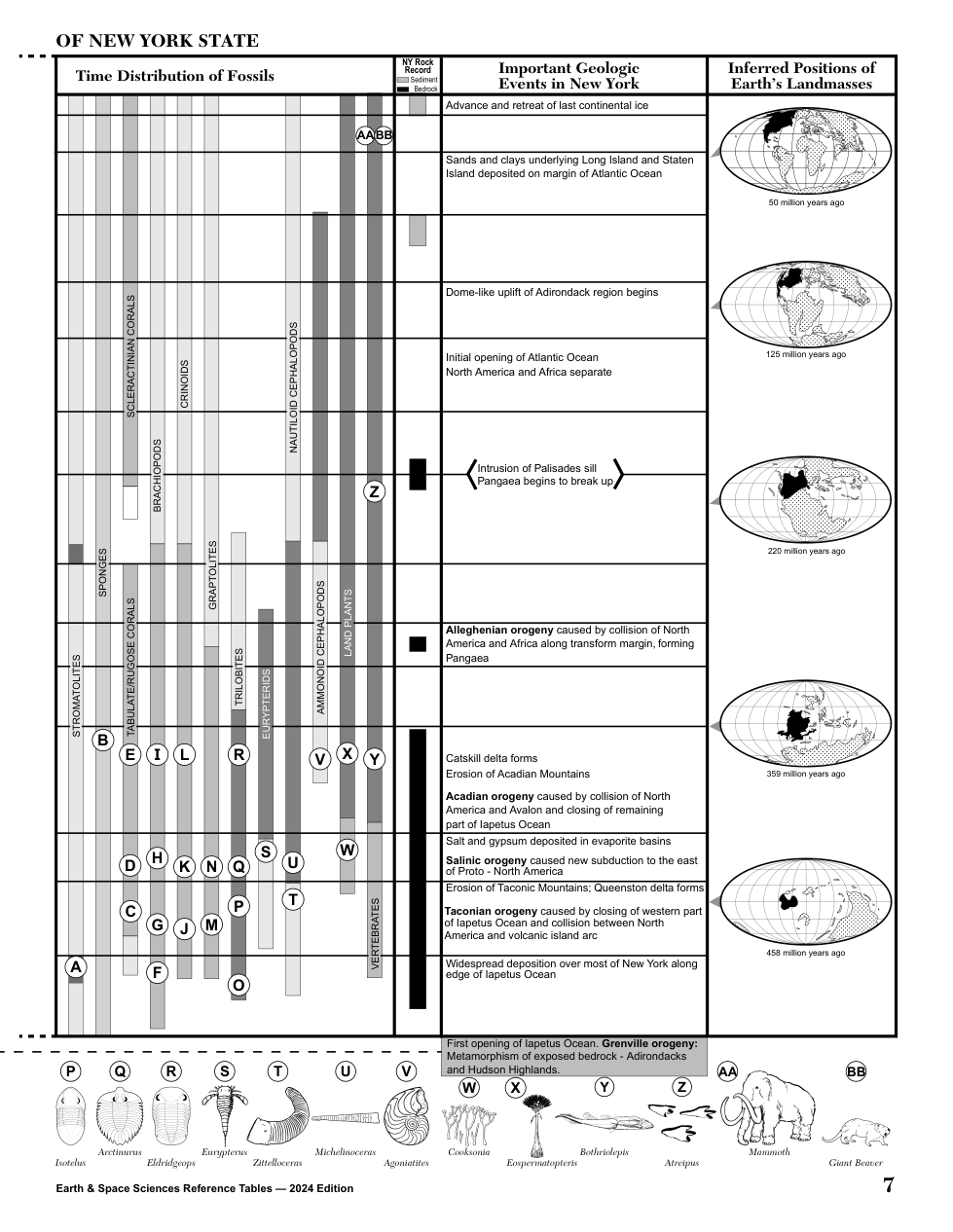
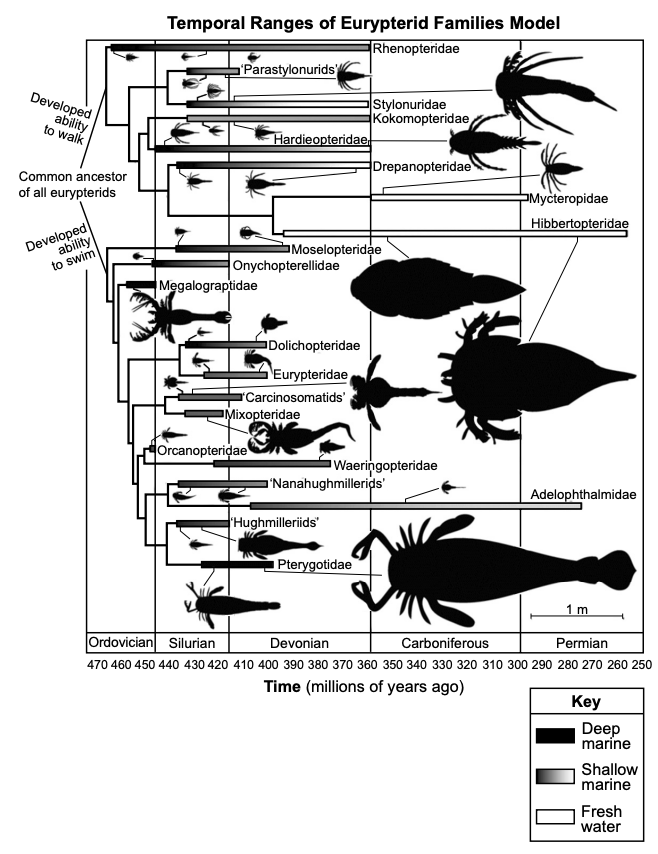
The model below is a family-level evolutionary tree (cladogram) for various eurypterids. The bars represent known temporal ranges for each family. Some eurypterid silhouettes are shown to scale with lines indicating their temporal placement in each family.

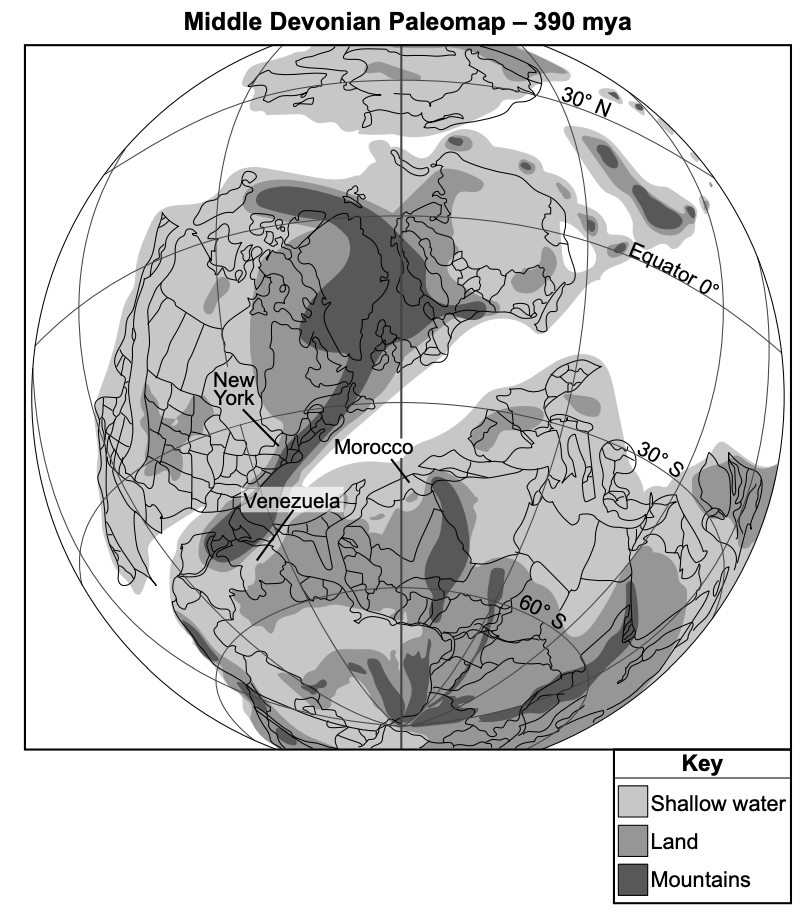
One of the world’s oldest fossil forests was found in the 1850s in Gilboa, New York. Preserved plant remains were unearthed at the Riverside Quarry dated to about 390 million years ago in the Devonian Period. This was a time when land plants were evolving into forest ecosystems. Four hundred and eighty-six objects (root mounds, horizontal stems and plant fragments) were identified in the rock, including two types of trees. Eospermatopteris trees were found and are related to ferns. Aneurophytalean progymnosperms called Tetraxylopteris also were found. Tetraxylopteris grew underground but sprouted above ground. These same fossil trees have also been found in Venezuela and Morocco. The map below shows the location of landmasses when the first ancient forests existed during the Devonian Period.

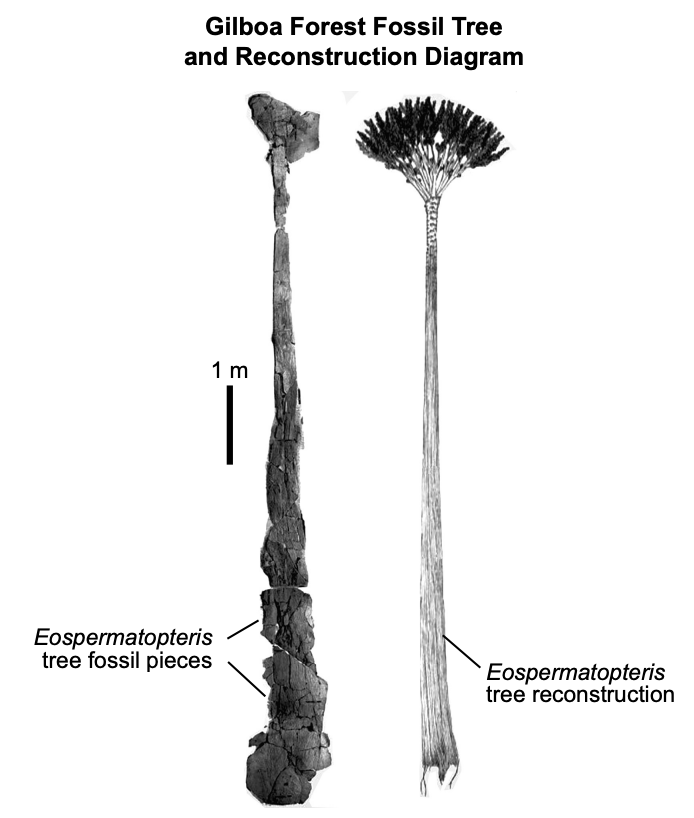
The image below shows the fossils found in sandstones and mudstones near Gilboa, New York, and an artist’s reconstruction of this type of tree typically found in the Devonian forest.

1
HS.ESS1.6
1
Pitanje 42
42.

Use information from the model to describe the temporal ranges of fossilized eurypterids that lived in a deep marine environment compared to those that lived in fresh water.

HS.ESS2.1
1
HS.ESS1.6
1
HS.ESS2.1
1
HS.ESS1.6

Base your answers to questions 46 through 50 on the information below and on your knowledge of Earth and Space Sciences. Some questions may require the use of the 2024 Edition Reference Tables for Earth and Space Sciences.

Atmospheric Carbon Dioxide

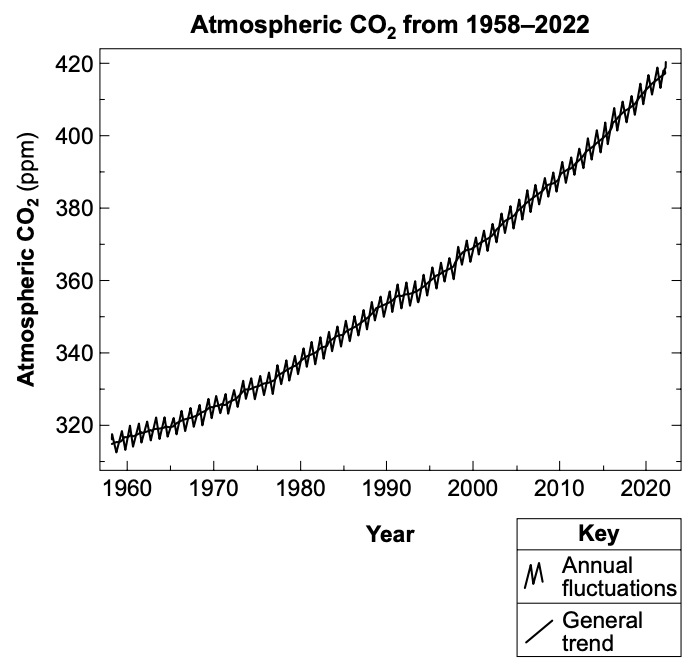
The chemistry of the oceans and coastal regions around the world are particularly vulnerable to changes in greenhouse gases. As atmospheric carbon dioxide emissions and polluted waters enter the marine environment, the waters become more acidic and less suitable for certain species. The full extent of this threat to marine ecosystems by human activity is not well understood, but proactive efforts are needed to protect the well-being of New York State’s marine ecosystems. The graph below shows changes in atmospheric CO2 levels in parts per million (ppm).

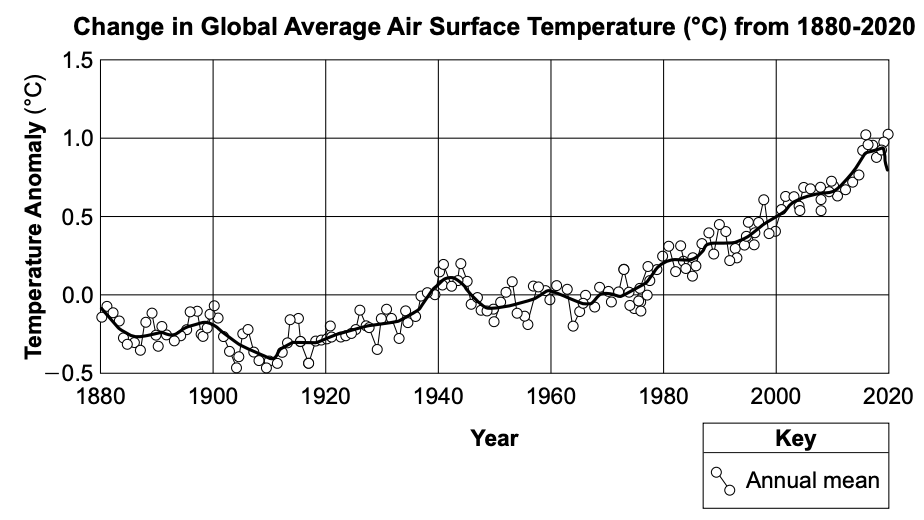
The graph below shows the change in global air surface temperature compared to the long-term average ($0.0^\circ \text{C}$ temperature anomaly). The line represents the general trend in the data points for the indicated time period.

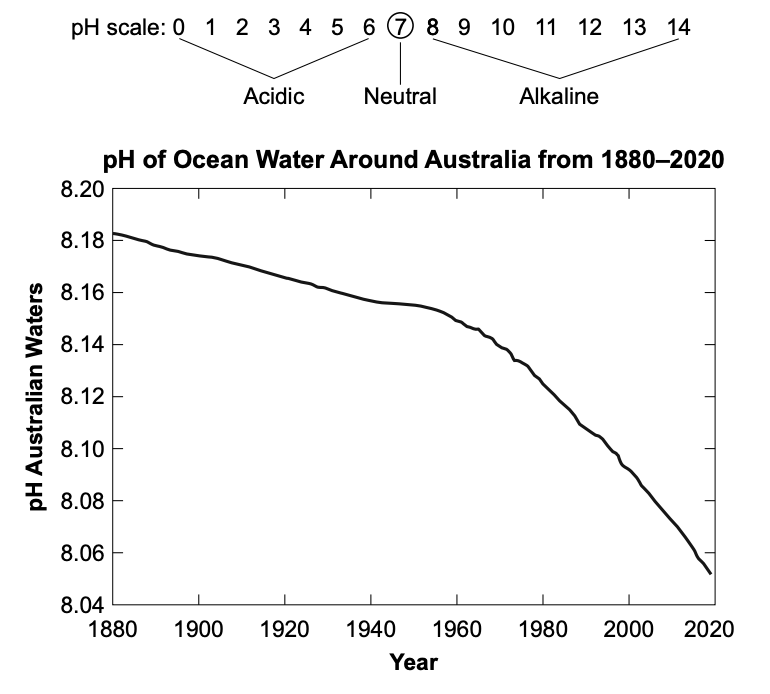
Graph titled 'Change in Global Average Air Surface Temperature (°C) from 1880–2020' showing temperature anomaly versus year with an upward trend after about 1970.The model below shows the pH scale (0–14) that is a measure of the acidity or alkalinity of water. The graph below shows some information about the pH of ocean water.

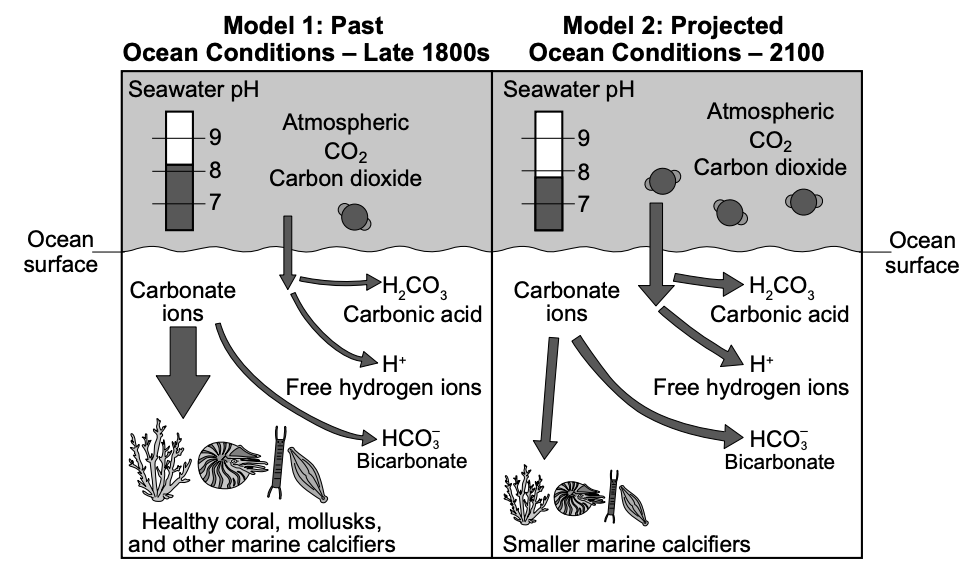
The acidity of ocean water is determined by the relative amounts of H1 ions. The models below show the ocean acidifi cation process for two different time periods. The thickness of the arrows indicates relative amounts of substances in the atmosphere and oceans.

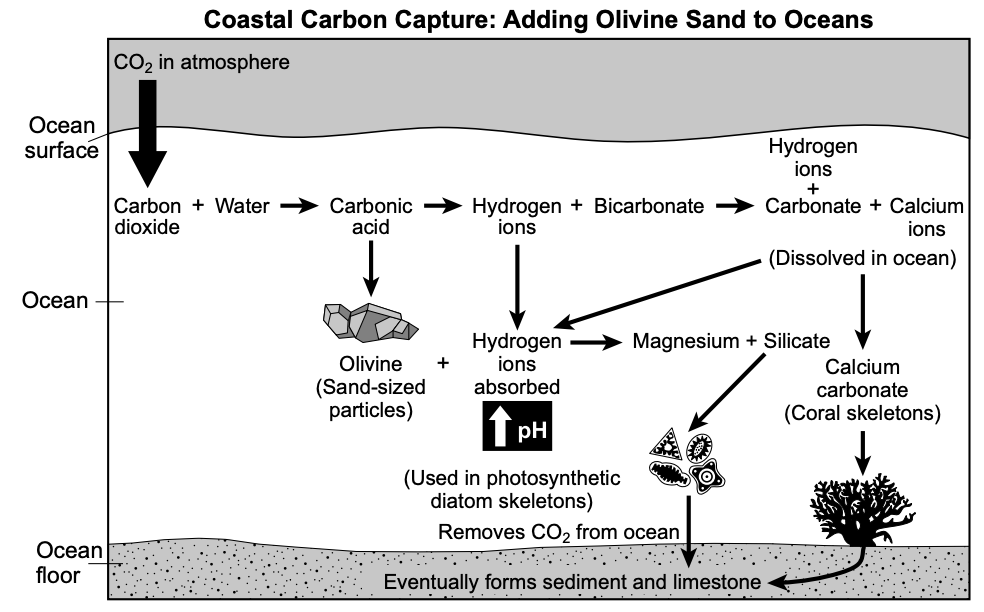
Mineral weathering, which takes place over geologic time scales, is one of the main mechanisms Earth uses to recycle carbon dioxide. In a process called Coastal Carbon Capture, a common volcanic mineral, olivine, is used to limit the impacts of CO2 on the hydrosphere. In this process, olivine is mined from Earth, ground into sand-sized particles, and then transported to coastal regions where it is spread along shorelines. Once in the water, the olivine sand will absorb hydrogen ions, gradually making the water less acidic and potentially protecting wildlife like shellfi sh, corals, and fi sh. In July 2022, this technique was performed at the eastern end of Long Island, New York, as part of an ongoing research project. The model shows some information about the coastal carbon capture process.

1
HS.ESS2.4
1
HS.ESS3.6
1
HS.ESS3.6
1
HS.ESS3.6
1
HS.ESS3.4
Pitanje 1
1.
Pitanje 2
2.

Which claim best describes where energy is produced in the Sun and how the energy is released into space?

Pitanje 3
3.

Use evidence from the two graphs and the model to describe how the Sun’s irradiance varies with sunspot activity.

Pitanje 4
4.

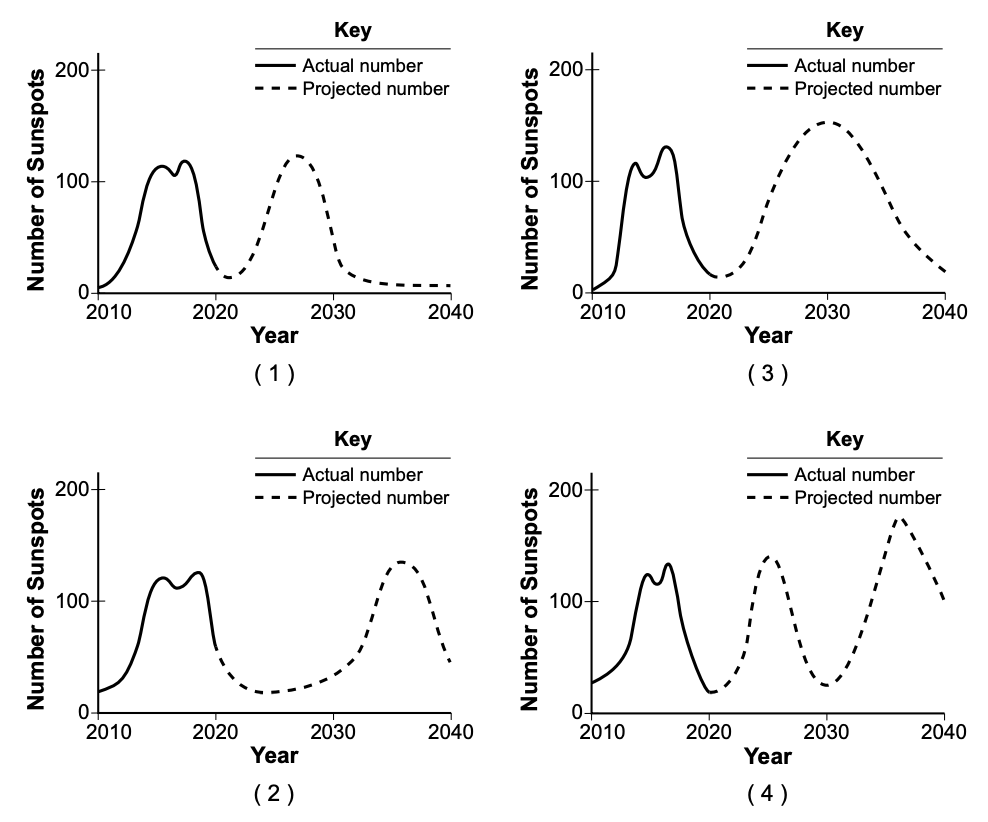
Which graph best illustrates the projected pattern of the number of sunspots from 2020–2040, based on evidence from the graphs and model?

Pitanje 5
5.

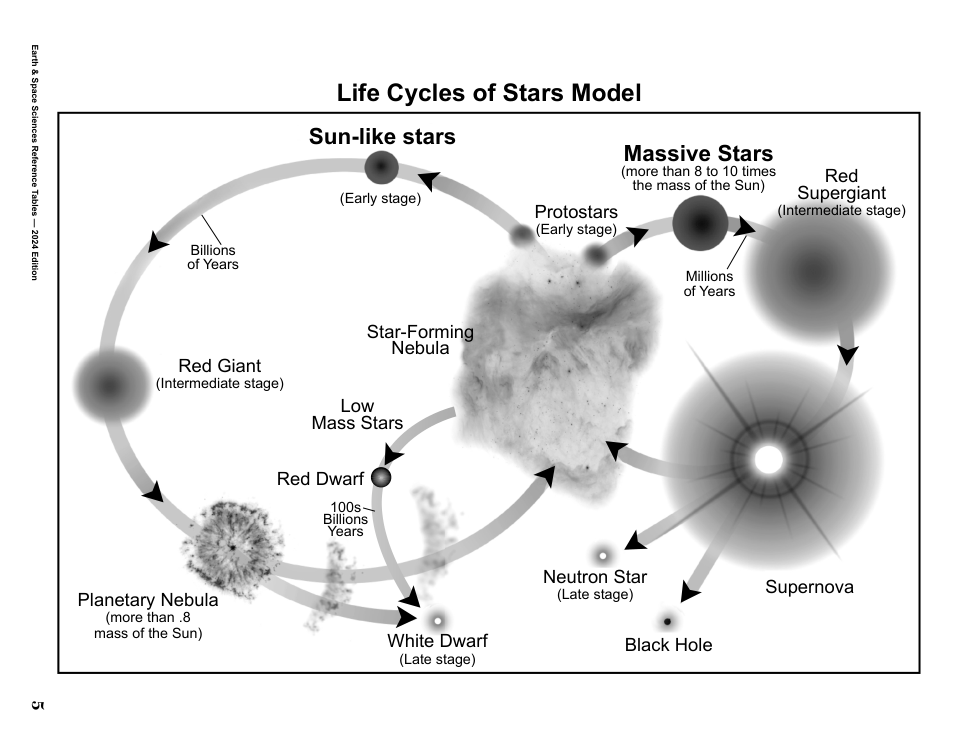
Which claim best describes the process of nucleosynthesis in a star?

0.5
Pitanje 6a
6a.

Describe a property of water that increases the deformation of concrete due to repeated freeze-thaw cycles. Also, describe the relative amount of deformation to concrete samples when metal rebar is added compared to samples without rebar.

Property of water:

HS.ESS2.5
0.5
Pitanje 6b
6b.

Relative amount of deformation:

HS.ESS2.5
Pitanje 7
7.

Which claim correctly summarizes the effect of water on the concrete in the parking structure producing the calthemite straws?

Pitanje 8
8.

How does the production of electricity by hydroelectric power plants at Niagara Falls, rather than by burning fossil fuels, affect Earth’s atmosphere and change the climate?

Pitanje 10
10.

Based on the graph, which statement accurately describes the Energy Return on Investment (EROI) for the energy sources?

Pitanje 11
11.

Which explanation about the cosmic microwave background radiation provides evidence for the Big Bang theory?

0.5
Pitanje 12a
12a.

Describe how wavelengths of emitted radiation from first stars have changed since the Big Bang and explain how this difference in wavelength is evidence for how the universe changed since the Big Bang.

Difference in wavelength:

HS.ESS1.2
0.5
Pitanje 12b
12b.

How the universe changed:

HS.ESS1.2
Pitanje 13
13.

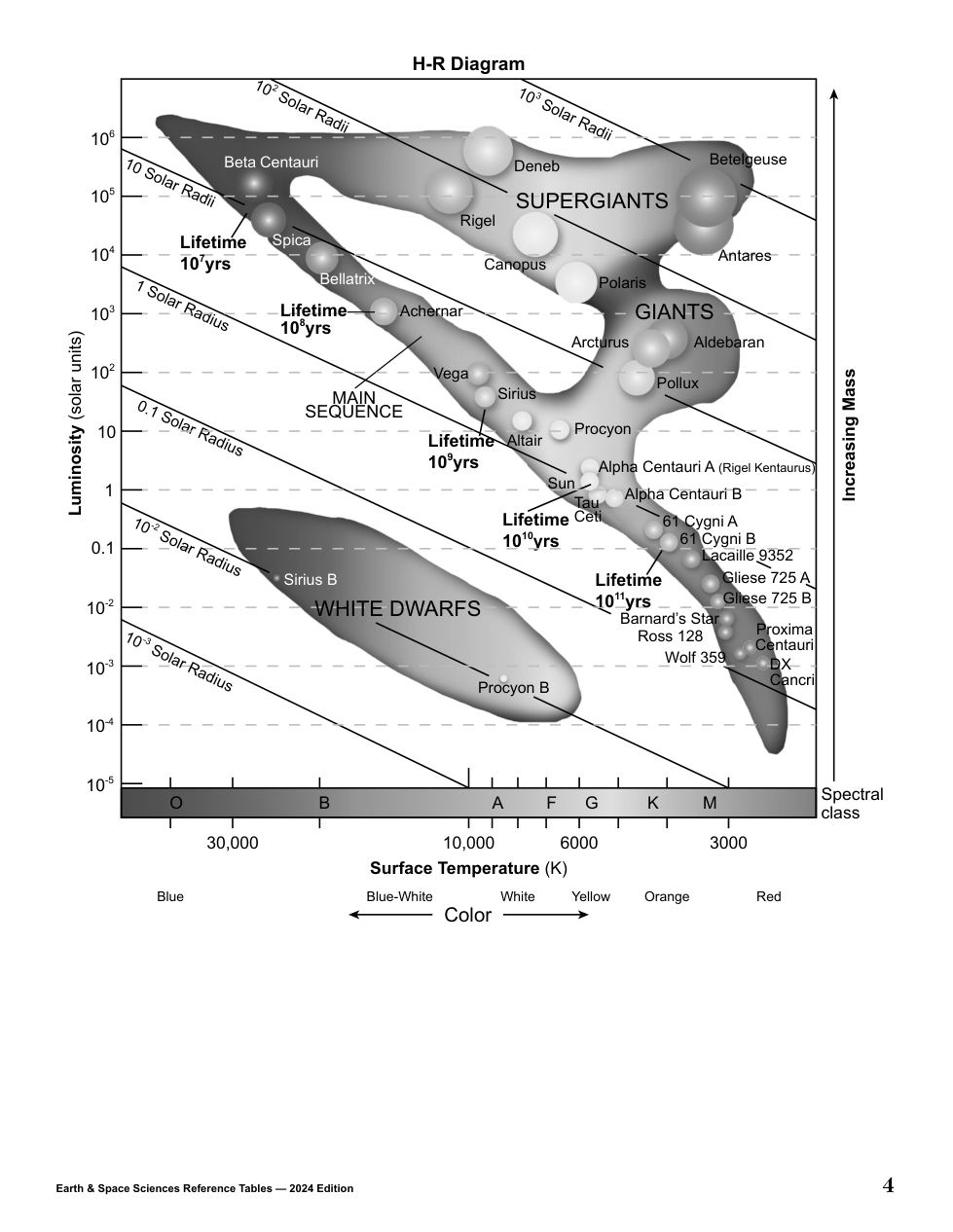
Which statement correctly explains why the composition of Methuselah, a massive star, provides evidence that Methuselah is not one of the first stars formed during the Big Bang?

Pitanje 15
15.

Based on the model and Kepler’s Laws, which graph correctly represents the relative orbital speeds of HST and the Moon as the two satellites orbit Earth twice?

Pitanje 16
16.

Which statement correctly identifies the air movement patterns associated with the planetary wind “horse latitudes”?

Pitanje 17
17.

Which winds drive the movement of a continental tropical air mass across Earth’s surface away from the northern “horse latitudes” toward 60°N?

1
Pitanje 18a
18a.
HS.ESS2.8
1
Pitanje 18b
18b.

Place a checkmark in the box that indicates the resulting change in weather conditions in the next few hours that would most likely be experienced by an observer who resides in the house shown in the model.

HS.ESS2.8
Pitanje 19
19.

Which table correctly compares the characteristics of Hurricane 2 to Hurricane 1 and its associated Bermuda high?

Pitanje 20
20.

Compare the atmospheric pressure at 12 hours after landfall to the atmospheric pressure at 24 hours after landfall using the wind speed and landfall data shown in the graph to justify your response.

Base your answers to questions 21 through 26 on the information below and on your knowledge of Earth and Space Sciences. Some questions may require the use of the 2024 Edition Reference Tables for Earth and Space Sciences.

How Did Earth Get Its Water?

Scientists are unsure about where and how Earth got its water. Early Earth lacked an atmosphere and was very hot, so water would not have formed in such an environment. One theory is that water was brought to Earth when comets collided with Earth, since comets are made of frozen water, gases, and dust.

Another theory centers around asteroids. Earth is believed to have formed from the clumping together of space debris. These early solar system materials contained the elements hydrogen and oxygen. The chemical proportions of the water found on asteroids are similar, though different, from Earth’s water.

The most recent discoveries have come from studies of dust particles brought back to Earth from the Hokawa asteroid. The particles were found to have water and an oxygen-hydrogen ion. The source of the hydrogen is believed to be from solar wind — hydrogen ions ejected from the Sun streaming through space and lodging onto the surface of dust particles. These particles have been falling to Earth since the solar system formed. The space dust is believed to have provided about 50% of Earth’s water.

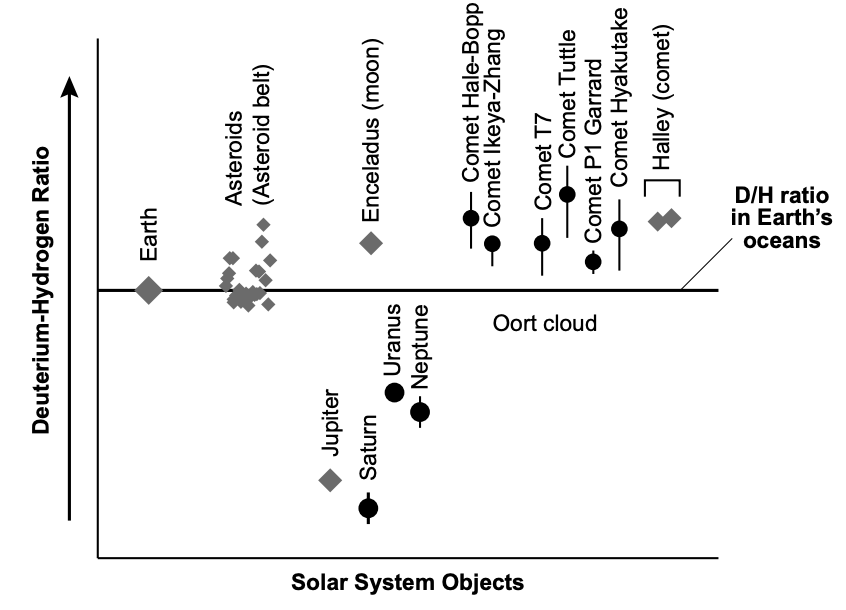
The graph below shows the relative deuterium-to-hydrogen ratio (D/H) in water found in solar system objects. Diamond symbols are measurements obtained by satellites. Dots are estimated values. Deuterium is a “heavier” form of hydrogen. This ratio is an important factor in determining where in the solar system an object formed and how asteroids, comets, and the solar wind contributed to the water in Earth’s oceans.
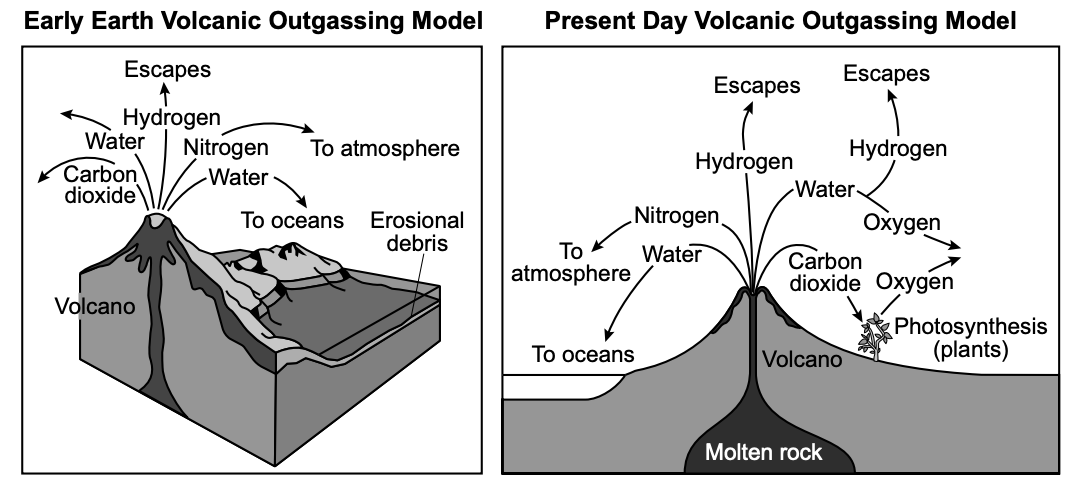
Earth’s first significant atmosphere was formed from the release of gases from volcanic eruptions, when the mantle is believed to have been molten. Gases from the interior were released and accumulated into a gaseous surface layer trapped by gravitational forces. Solar wind from the Sun swept the light gases (hydrogen and helium) away, leaving behind heavier gases in the early atmosphere. The models below show gases entering Earth’s atmosphere at two different times.
The water in Earth’s early oceans provided the necessary environment for life about 3 to 3.5 billion years ago. Organisms such as stromatolites were the earliest example of life on Earth and were capable of photosynthesis. From about two billion years ago to 500 million years ago, Earth’s atmosphere changed significantly, driven by an increase of many different life forms. Living and fossilized stromatolites can still be found today in Australia.
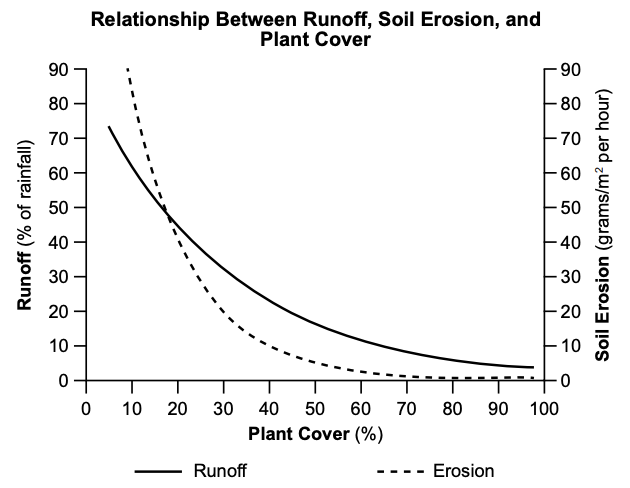
As life on Earth evolved and expanded onto land, fresh water became a vital resource. This is especially true for humans who use fresh water in a variety of ways. Humans have caused changes in land use through deforestation, agricultural expansion, and urbanization. These changes can impact soil in both positive and negative ways. The graph below shows some information about factors that affect erosion.
In areas where human population density is high, managing fresh water availability is essential. A large, underground store of water is called an aquifer. One of the most important aquifers in New York State is beneath Long Island and supplies 400 million gallons of water per day to over 2.8 million people. The cross section below represents water cycle processes for the Long Island area. The three aquifers (Upper Glacial, Magothy, and Lloyd) and sediment or rock layers that together make up the larger Long Island aquifer region are shown.
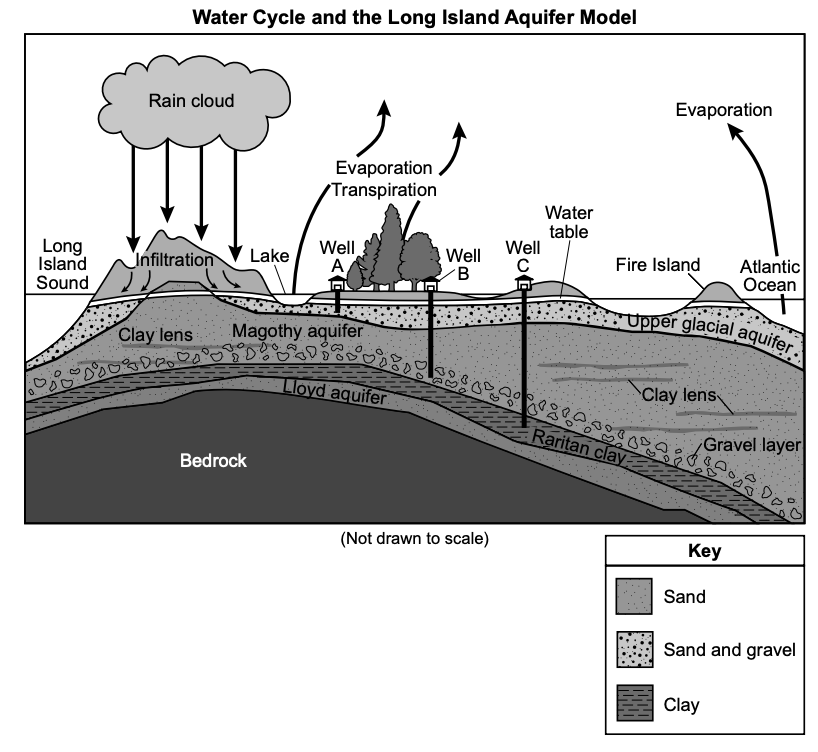
A period of drought occurs when the amount of rainfall an area receives and the amount of precipitation that eventually infiltrates into the ground to reach an aquifer is greatly reduced. When Long Island aquifers experience periods of drought or over-pumping from water wells, salt water from the Atlantic Ocean can intrude into the aquifer, polluting the fresh water.
Pitanje 21
21.

A student makes a claim that the water on our planet is most similar to the water found on comets based on its D/H ratio, so comets must be a major source of water on early Earth. Which statement, based on evidence from the graph, would refute this claim?

Pitanje 22
22.

Which statement is correctly supported by evidence from the two models showing volcanic outgassing?

Pitanje 25
25.

A groundwater investigation is planned for water Well B and Well C from the cross section. A scientist believes that Well B will supply water at a faster rate than Well C. Which statement most likely explains why the scientist is correct?

1
Pitanje 26a
26a.

Describe how a prolonged period of drought would affect the depth of the water table. Also, describe how this change would affect residents supplied by water from Well A more than residents supplied by water from Well B.

Water table depth:

HS.ESS3.1
1
Pitanje 26b
26b.

Effect on Well A and Well B residents:

HS.ESS3.1

Base your answers to questions 27 through 30 on the information below and on your knowledge of Earth and Space Sciences. Some questions may require the use of the 2024 Edition Reference Tables for Earth and Space Sciences.

Northern New York’s Pyrites Complex

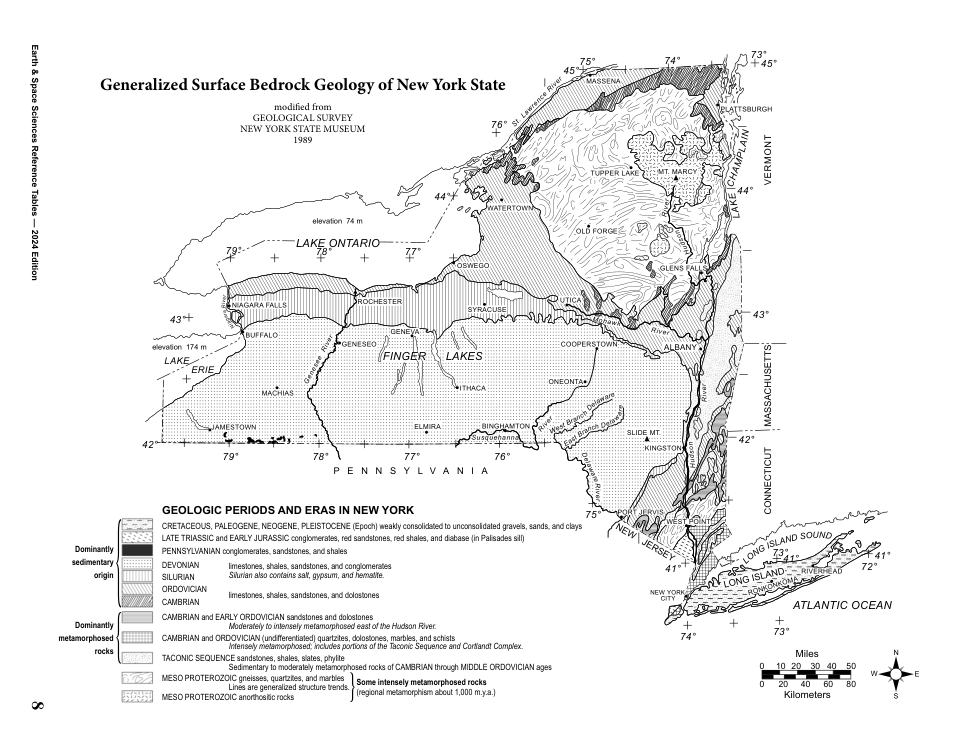
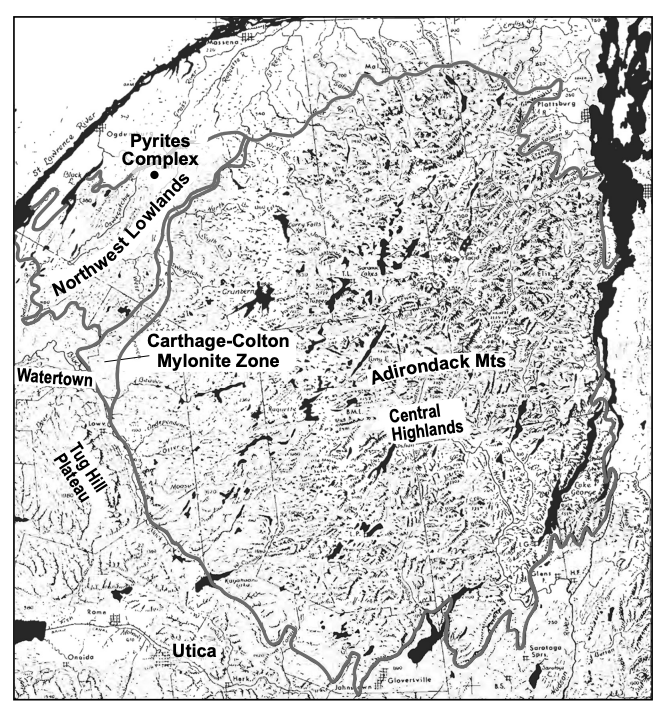
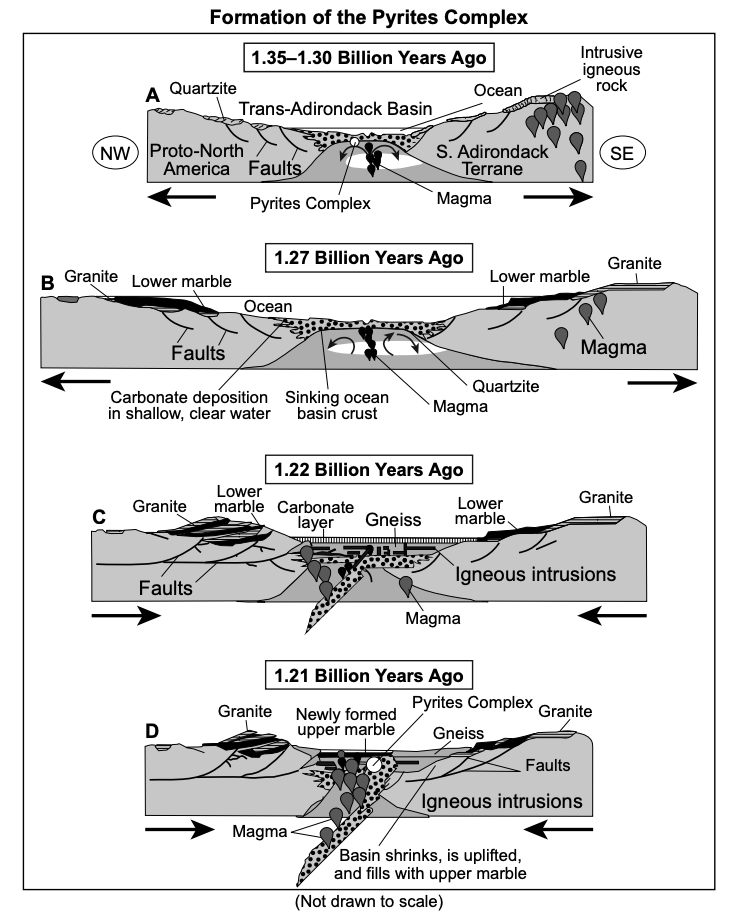
The Pyrites Complex, located in New York State’s Northwest Lowlands, represents a 1.35- to 1.21-billion-year-old fragment of ocean crust and upper mantle rocks. Most of the rocks in the Northwest Lowlands are metamorphosed sedimentary and igneous rocks. The map below shows the location of the Pyrites Complex within the Northwest Lowlands. Bodies of water are shown in black.

Models $A$, $B$, $C$, and $D$ represent the formation of the Pyrites Complex. Arrows indicate the direction of plate motion.

The model below pairs tectonic locations with metal deposits that form within them.

Pitanje 28
28.

A student made a chart of constructive and destructive geologic processes from information shown in the Formation of the Pyrites Complex models.

Constructive

Destructive

Model B: new ocean crust formed

Model C: subduction of oceanic crust

Model A: intrusive igneous rock rises to the surface

Model D: ocean basin shrinks

Model B: deposition of sediment along ocean basin

Model D: marble is formed from metamorphism of limestone

Which option below shows an additional process that is classified correctly and could be added to the table above?

Pitanje 29
29.

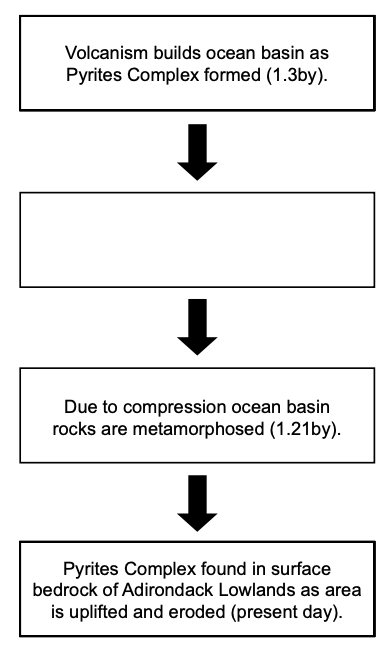
The flow chart below shows four geologic stages that led to the formation of the Pyrites Complex. The second geologic stage was intentionally left blank.

Based on evidence from the Formation of the Pyrites Complex models, which geologic process correctly identifies the missing stage in the flow chart above?

Pitanje 30
30.

Based on the tectonic locations and metal deposits model, identify the two tectonic settings in which pyrite, a sulfide-based deposit, forms in association with zinc and copper.

Pitanje 31
31.

Which row in the table below correctly identifies the evidence and explanation for the observed cyclic change in tides at Montauk Harbor?

Row

Evidence

Explanation

1

change of about two feet in height of water

The Moon's rotation as it orbits Earth causes water level changes.

2

change of about two feet in height of water

Earth's revolution around the Sun causes water level changes.

3

high tides approximately 12 hours apart

Earth's rotation results in a tidal bulge at a location approximately twice per day.

4

high tides approximately 12 hours apart

The Moon's revolution around Earth results in a tidal bulge at a location approximately twice per day

1
Pitanje 32a
32a.
HS.ESS1.4
1
Pitanje 32b
32b.

Explanation:

HS.ESS1.4
Pitanje 34
34.

Based on the information in the measured angular diameter table, which lettered pair correctly completes the passage?

The change in the angular diameter of the Moon during the Moon’s orbit is ___A___ than the change in the angular diameter of the Sun during Earth’s orbit because the Moon’s orbit is inferred to be ___B___ elliptical than Earth’s orbit.

1
Pitanje 35a
35a.
HS.ESS1.6
1
Pitanje 35b
35b.

Explanation:

HS.ESS1.6
Pitanje 36
36.

Which claim identifies a benefit of developing and managing the Libby Dam Hydroelectric Project after its construction?

Pitanje 37
37.

Which statement correctly identifies a relationship between the hydrosphere and the biosphere in a river system with reduced water flow below a dam?

Pitanje 39
39.

Based on the River Ecosystem with a Dam model and the diagrams, which evidence-based statement correctly identifies how the availability of fish-spawning habitats has influenced commercial fishing above the dam?

Pitanje 40
40.
Pitanje 41
41.

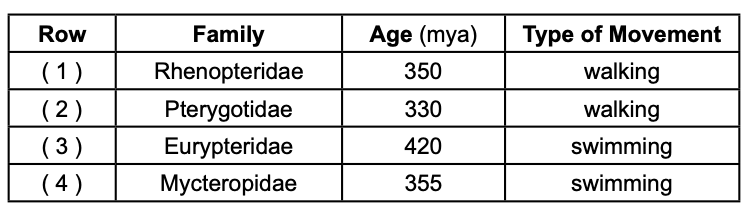
Which row in the table correctly identifies the family of Eurypterus remipes, the age of the fossil, and the type of movement its appendages were used for?

Pitanje 43
43.

Based on evidence in the model, which table correctly completes the passage below?

Evidence of the mass extinction of ___A___ eurypterid families can be inferred from the model. This extinction event occurred at the end of the ___B___ period. After this event, the majority of remaining eurypterid families lived in a ___C___ environment.

Pitanje 44
44.

Which evidence from the paleomap could be used to support an explanation for the presence of similar ancient plant and tree fossils found in Gilboa, NY, Morocco, and Venezuela?

Pitanje 45
45.

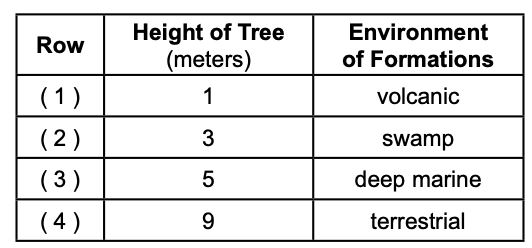
Based on the diagram, which row in the table provides the correct evidence that accurately describes the height (in meters) and environment of formation for the Eospermatopteris tree fossil?

Pitanje 46
46.

Describe how atmospheric $\text{CO}_2$ levels have affected the flow of energy out of the atmosphere and describe how this change in energy flow has affected the global climate. Use evidence from both graphs in your description.

Pitanje 47
47.

The change in the atmospheric carbon dioxide level from 1958 to 2020 has caused the waters around Australia to show

Pitanje 48
48.
Pitanje 49
49.

Use the information in the models to explain how the projected (2100) availability of carbonate ions will change and will affect the marine calcifiers.

Pitanje 50
50.

Which claim correctly summarizes how the Coastal Carbon Capture process is a solution that will reduce the impact of ocean acidification?