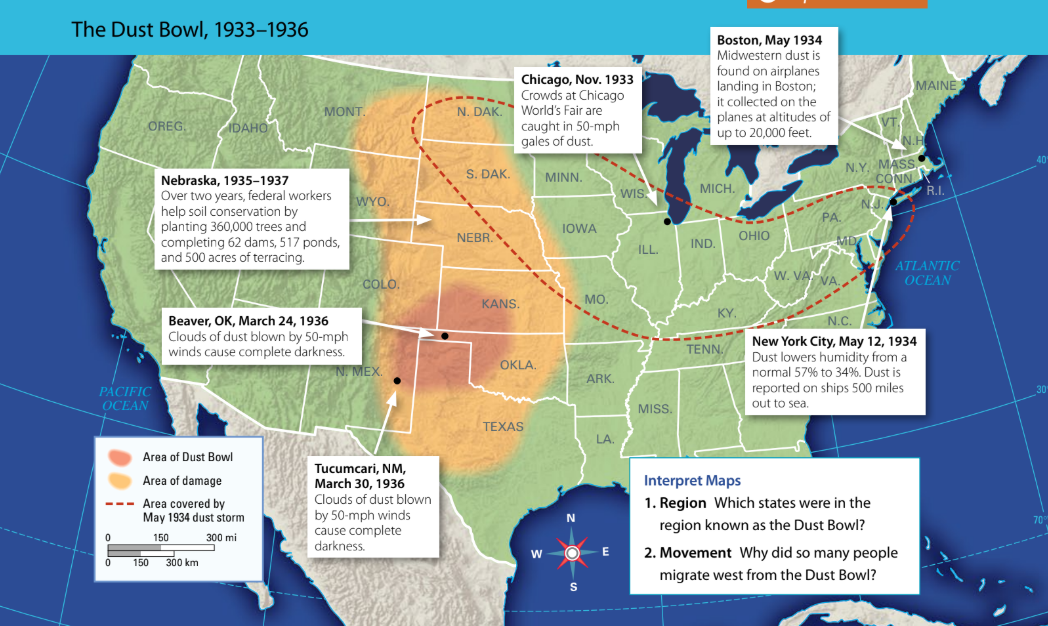
The Dust Bowl was caused by which of the following factors?
The Dust Bowl was caused by which of the following factors?
Credit can best be described as…
The Harding, Coolidge, and Hoover administrations were dedicated to what type of economic policy?
All of the following governmental ideas, actions, or policies helped set the stage for the Great Depression, EXCEPT:
“We were challenged with a peace-time choice between the American system of rugged individualism and a European philosophy of diametrically opposed doctrines—doctrines of paternalism and state socialism. The acceptance of these ideas would have meant the destruction of self-government through centralization of government. It would have meant the undermining of the individual initiative and enterprise through which our people have grown to unparalleled greatness.”
– Herbert Hoover, from a campaign speech, October 22, 1928
What argument is Herbert Hoover making about the role of government in this quote?
“We were challenged with a peace-time choice between the American system of rugged individualism and a European philosophy of diametrically opposed doctrines—doctrines of paternalism and state socialism. The acceptance of these ideas would have meant the destruction of self-government through centralization of government. It would have meant the undermining of the individual initiative and enterprise through which our people have grown to unparalleled greatness.”
– Herbert Hoover, from a campaign speech, October 22, 1928
According to this quote, what does Herbert Hoover believe makes Americans great?
What were the immediate effects of the stock market crash?
The stock market crashed on which of the following dates?
Which of the following statements best describes the effect of the 1930 Hawley-Smoot Tariff Act?
In the absence of government support, how did charitable organizations help people during the early years of the Great Depression?
The Dust Bowl was caused by which of the following factors?
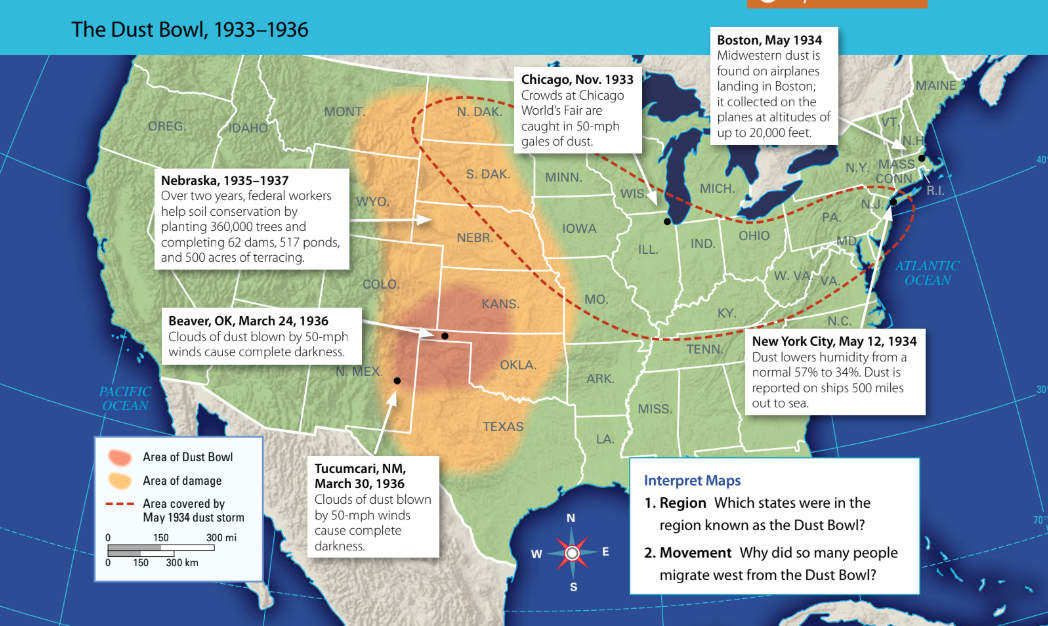
The Dust Bowl primarily affected which of the following regions of the United States?
Which of the following best characterizes the challenges faced by the American family during the Great Depression?

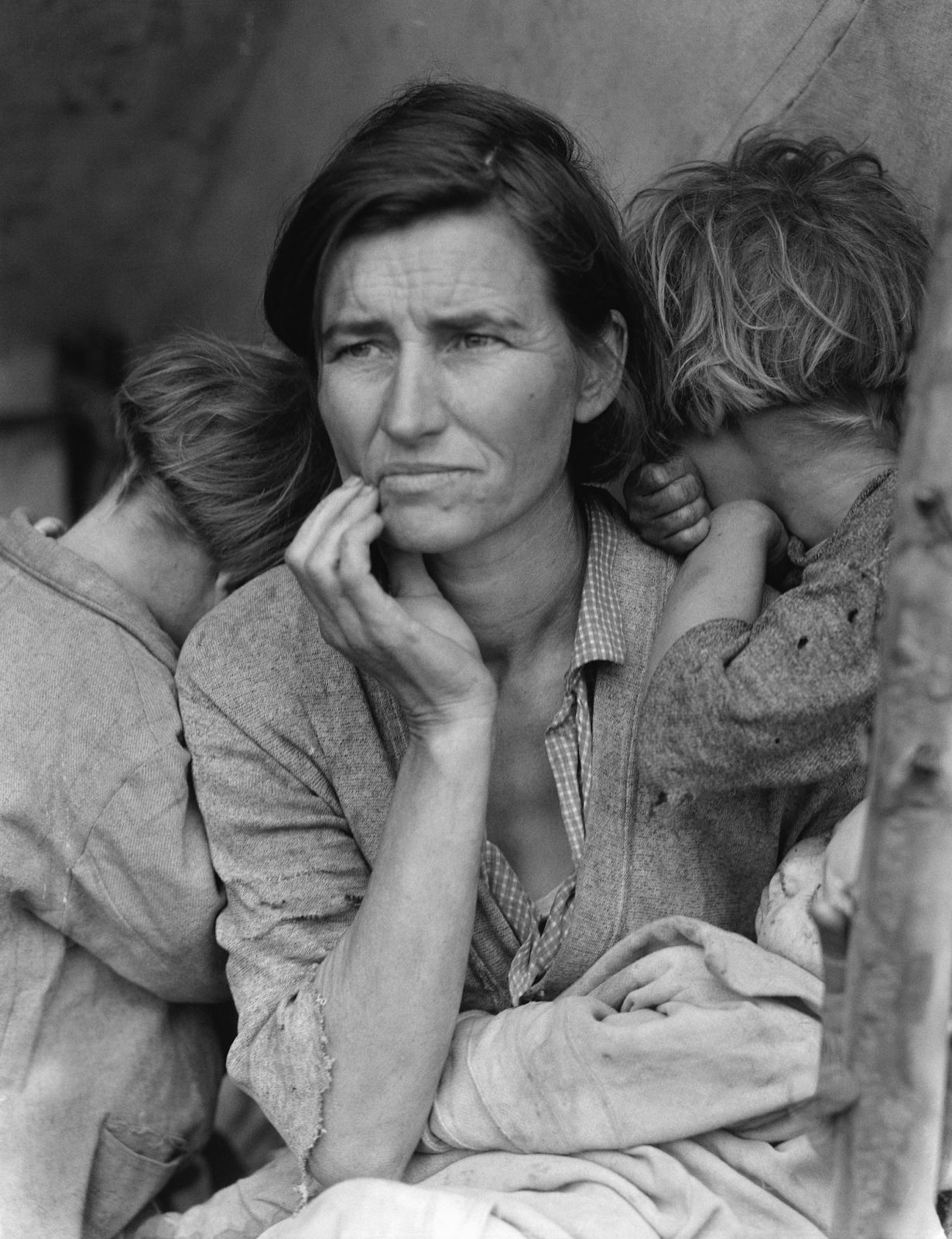 How did many Americans living in the Great Plains respond to the hardships of the Great Depression?
March 24, 1935
Dear Family,
Did some of you think that you had a dust storm? I’ll tell you what it was. It was us shaking our bedding, carpets, etc.
For over a week we have been having troublesome times. The dust is something fierce. Sometimes it lets up enough so we can see around; even the sun may shine for a little time, then we have a frenzied time of cleaning, anticipating the comfort of a clean feeling once more.
We keep the doors and windows all shut tight, with wet papers on the sills. The tiny particles of dirt sift right through the walls. Two different times it has been an inch thick on my kitchen floor….
When we open the door, swirling whirlwinds of soil beat against us unmercifully, and we are glad to go back inside and sit choking in the dirt. We couldn’t see the streetlight just in front of the house….
As for gardens, we had ours plowed, but now we do not know whether we have more or less soil. It’s useless to plant anything.
Grace
Deb Mulvey, ed., "We Had Everything but Money"
Which of the following statements can be inferred about the author of this letter?
What were "Hoovervilles?"
How did Hoover's treatment of the Bonus Army affect his reputation with the public?
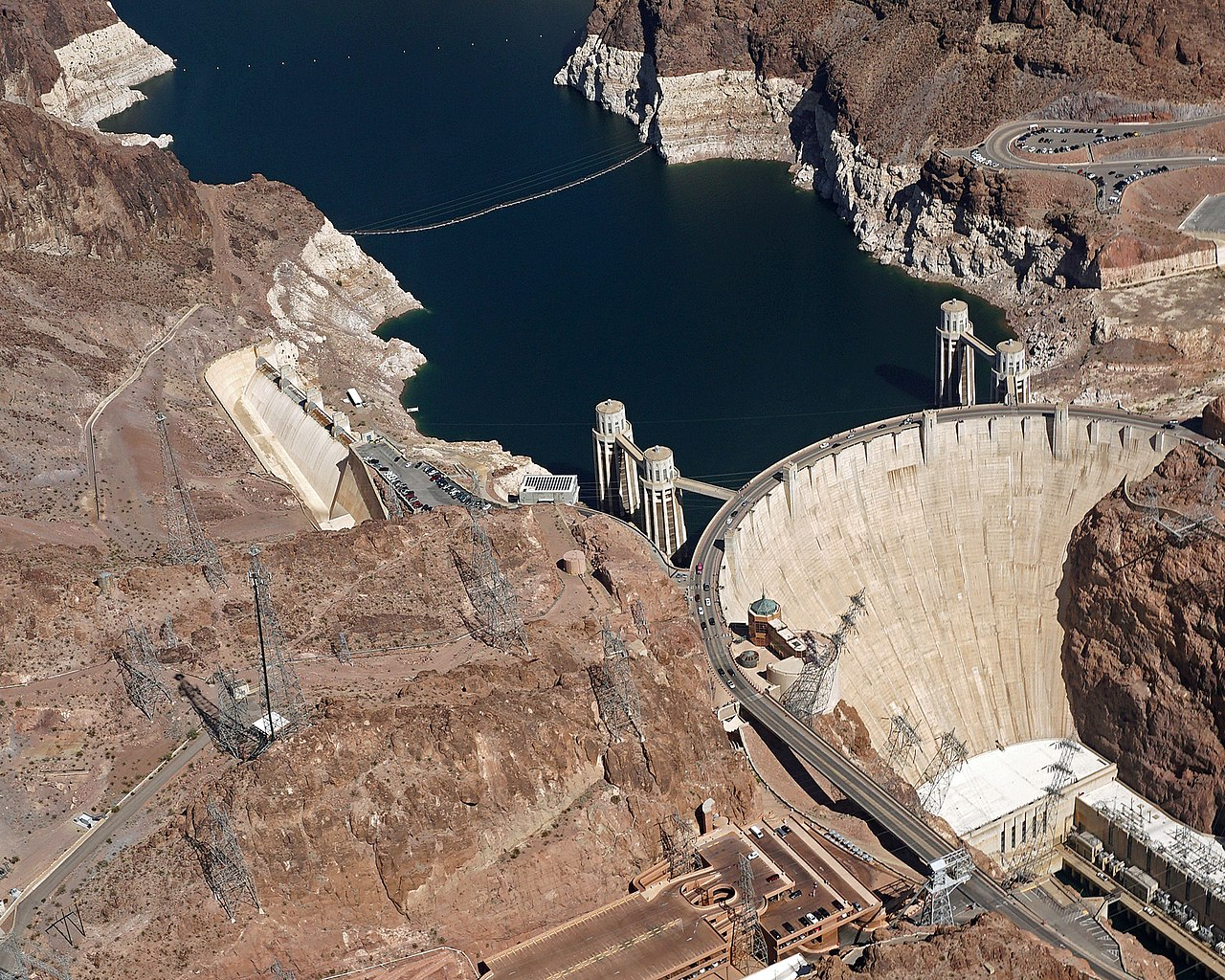
The Hoover Dam is an example of...
How did Herbert Hoover's policies change as his term progressed?
DIRECT INTERVENTION By late 1931, however, many people could see that these measures had failed to turn the economy around. With a presidential election looming, Hoover appealed to Congress to pass a series of measures to reform banking, provide mortgage relief, and funnel more federal money into business investment. In 1932 Hoover signed into law the Federal Home Loan Bank Act, which lowered mortgage rates for homeowners and allowed farmers to refinance their farm loans and avoid foreclosure.
The Reconstruction Finance Corporation (RFC) was Hoover’s most ambitious economic measure, however, and was approved by Congress in January 1932. It authorized up to $2 billion for emergency financing for banks, life insurance companies, railroads, and other large businesses. Hoover believed that the money would trickle down to the average citizen through job growth and higher wages. Many critics questioned this approach; they argued that the program would benefit only corporations and that the poor still needed direct relief. Hungry people could not wait for the benefits to trickle down to their tables.
In its first five months of operation, the RFC loaned more than $805 million to large corporations, but business failures continued. The RFC was an unprecedented example of federal involvement in a peacetime economy, but in the end it was too little, too late.
The Federal Home Loan Bank Act and Reconstruction Finance Corporation can best be described as...
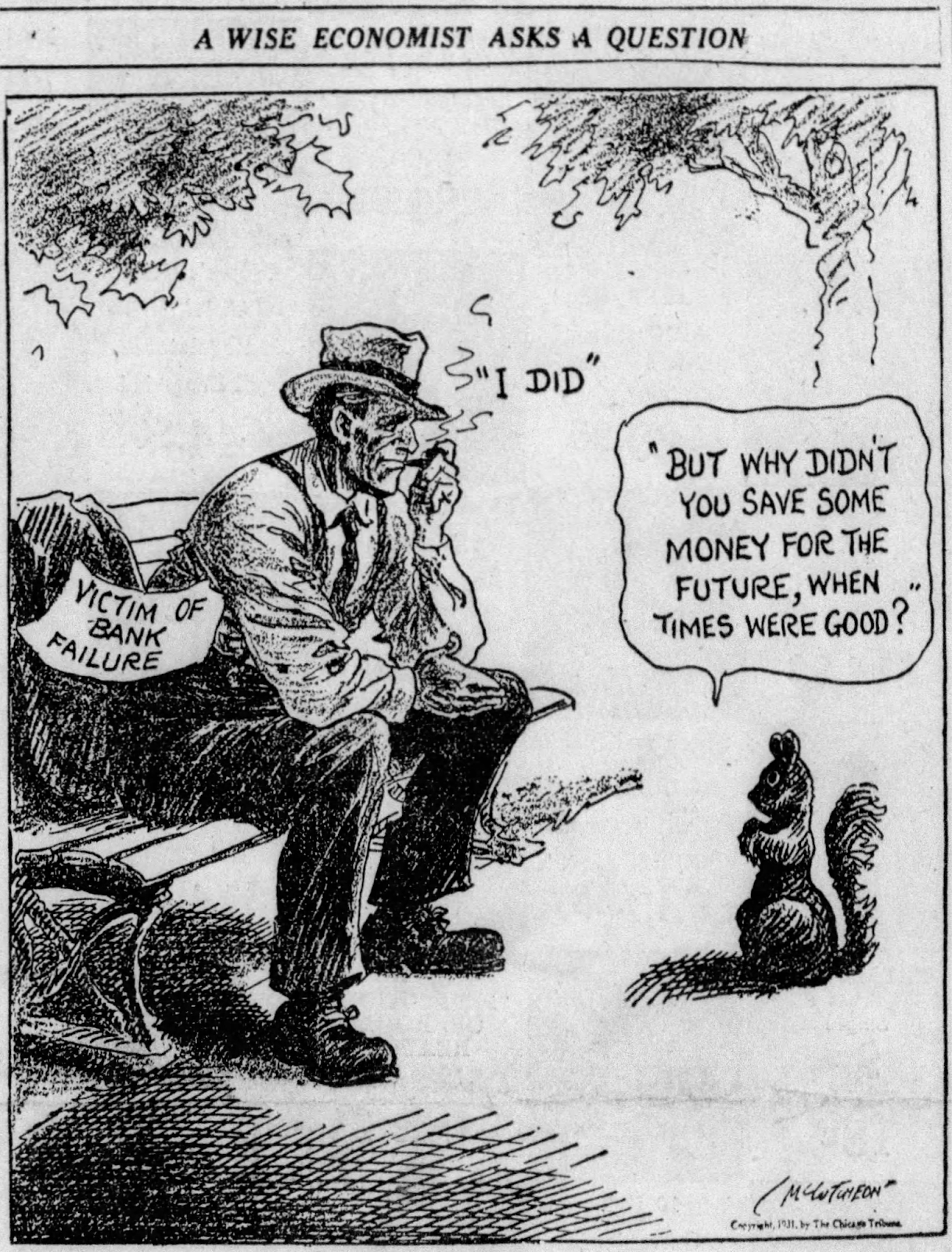 Why were Herbert Hoover and the Republican Party unable to adequately address the problems caused by the Great Depression?