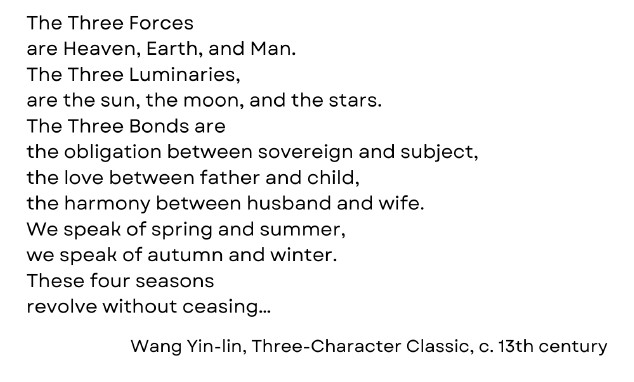
 This poem is meant to teach young children which of the following important components of Confucianism?
This poem is meant to teach young children which of the following important components of Confucianism?
Match the descriptions below with the correct word.
| Draggable item | arrow_right_alt | Corresponding Item |
|---|---|---|
Crusades | arrow_right_alt | This was a Chinese dynasty that rules from 960 to 1279 that preceded the Yuan Dynasty |
Swahili | arrow_right_alt | This was a Christian-led African kingdom that emerged in the 12th century and was known for their rock hewn churches. |
Syncretism | arrow_right_alt | The series of Christian holy wars conducted against nonbelievers |
Ethiopia | arrow_right_alt | The blending of elements from multiple religions into a distinct system of worship. |
Song | arrow_right_alt | Blended language that combined Bantu and Arabic languages and is still spoken today. |
This poem is meant to teach young children which of the following important components of Confucianism?
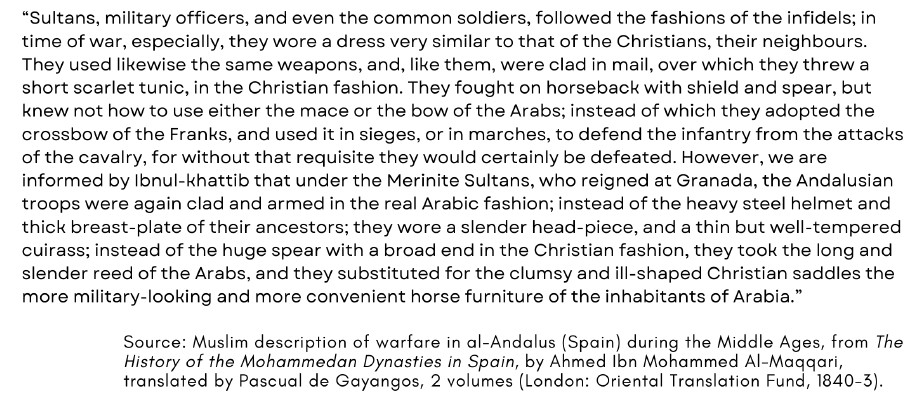 Which of the following best describes the relationship between Muslim and Christian states in the medieval period?
The reference to the "Merinite Sultans, who reigned at Granada" returning to traditional Arabic military attire suggests which broader historical trend?
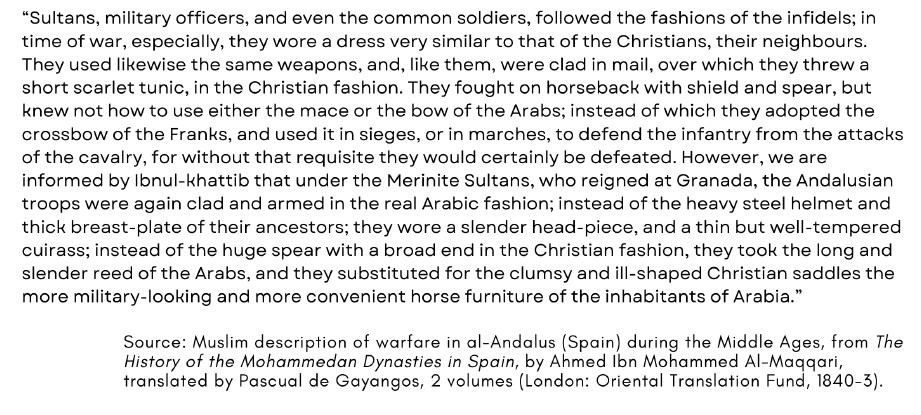 The description of the military changes in al-Andalus illustrates which of the following historical processes occurring in the period 1200- 1450?
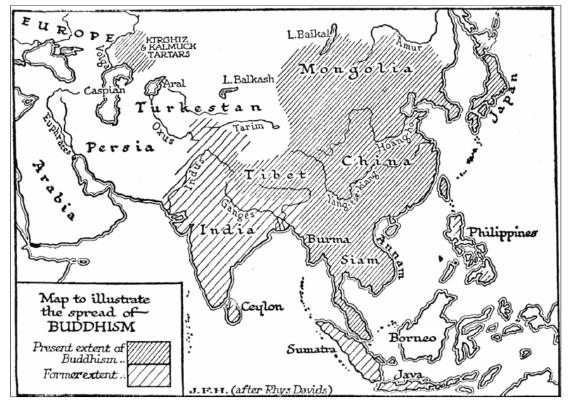 The map above demonstrates which of the following about the spread of religion?
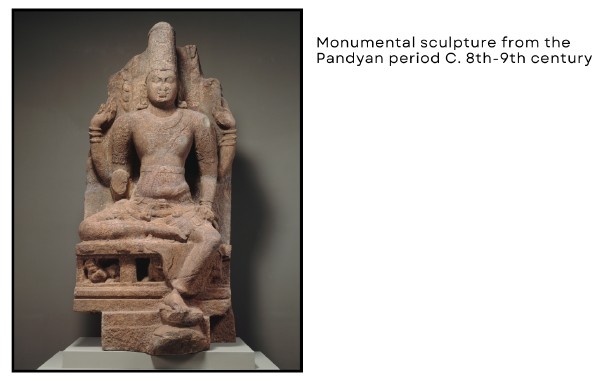 The image above reflects which key aspect of the Pandya dynasty?
During the 1200-1450 period, the Mongol Empire became the largest contiguous land empire in world history, spanning Asia, Europe, and the Middle East.
The Magna Carta was signed in 1215, establishing the principle that everyone, including the king, was subject to the law.
The Spread of the Black Death from 1347 to 1351 led to significant socio-economic changes that accelerated the decline of feudalism and altered labor relations in Europe.
The architectural innovations in Gothic cathedrals, characterized by pointed arches, ribbed vaults, and flying buttresses, represented a significant development in expressing celestial grandiosity and religious devotion.
Marco Polo traveled from Venice to Asia in the late 13th century and spent several years in the court of Kublai Khan
The development and spread of gunpowder technologies in the 13th and 14th centuries revolutionized warfare, allowing for the dominance of gunpowder empires and changing the dynamics of power and conquest.
The fall of Constantinople in 1453 to the Ottoman Turks was a pivotal moment in world history, marking the end of the Byzantine Empire and altering the balance of power in the region
In the early 15th century, Zheng He led several naval expeditions that traveled extensively in the Indian Ocean, reaching as far as the east coast of Africa.
The decline of the feudal system in Europe during this period can be attributed to the growth of trade and cities, which fostered the rise of a merchant class and diminished the power of the nobility
The emergence of the Aztec Empire in the early 15th century represents a significant development in state formation and military conquest in the Postclassic period of Mesoamerican history
The Inca Empire, which arose in the early 13th century in the Andean region, had a sophisticated road system and administrative structure.
In the 14th century, the Delhi Sultanate saw the reign of Alauddin Khilji, who implemented market control and military reforms and expanded the territory of the Sultanate in the Indian subcontinent.
This image can be used as evidence for which of the following, circa 1200-1450?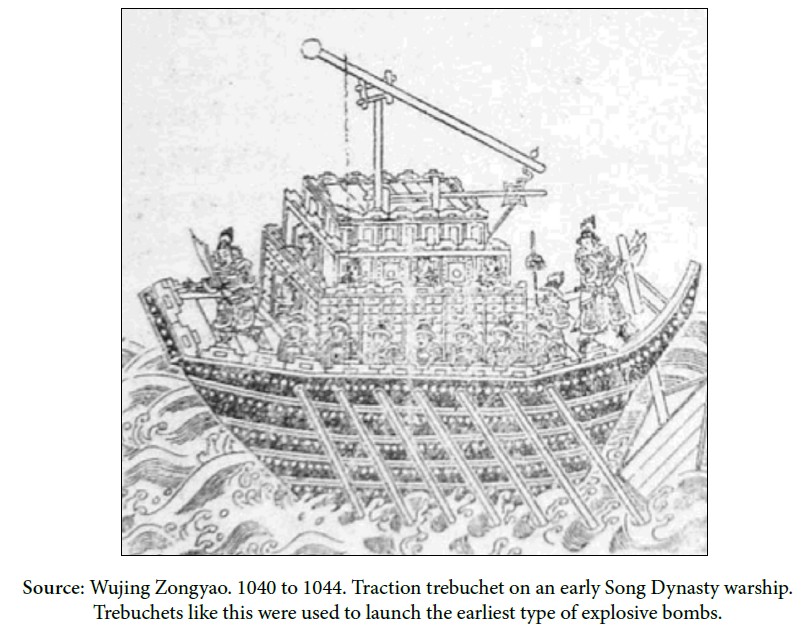
Which elements of the image above would have the greatest impact on Afro-Eurasia due to increased cross-cultural interactions in the period c. 1200 to 1450?
Which of the following Chinese cultural traditions had the largest impact on neighboring regions in East Asia c. 1200 to 1450?
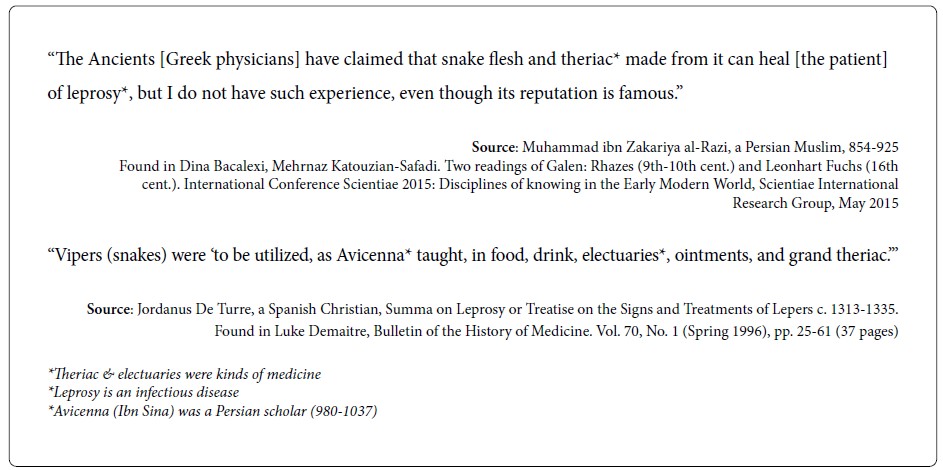 The passage above most clearly illustrates which of the following from 1200-1450?
The passage above could best be used as evidence of which of the following historical developments circa 1200 to 1450?
In the first passage al-Razi’s attitude towards ancient Greek physicians is best used as evidence of which of the following developments c. 1200 to c. 1450?
The position and size of the church in the map is evidence of which of the following developments from c. 1200 to c. 1450?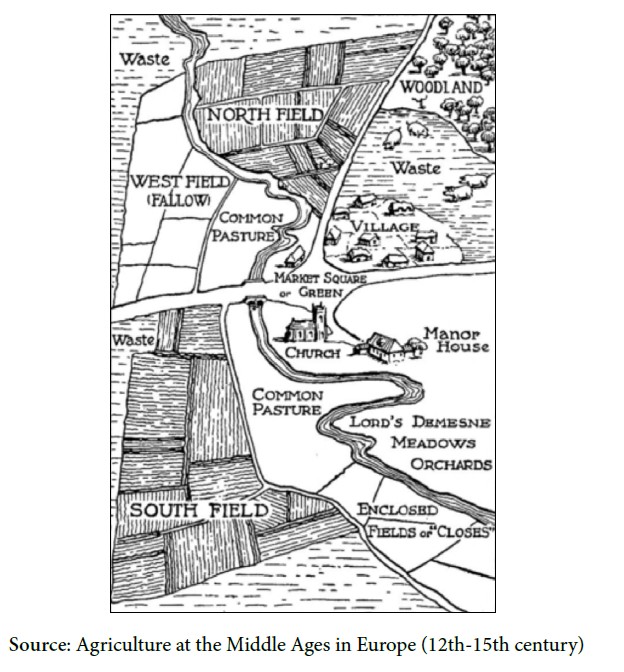
The whole map above can best be used as evidence of which development c. 1200 to c. 1450?
Territories like the one pictured on the map were the result of which historical development from c.1200 to c.1450?