Countries of the World: Russia
star
star
star
star
star
Last updated 7 months ago
8 Nsɛmmisa
0
Which type of expansive forest covers most of Siberia, known for its sprawling pine trees?
By National Geographic Kids, National Geographic Partners on 05.09.18
Word Count 712
Level MAX
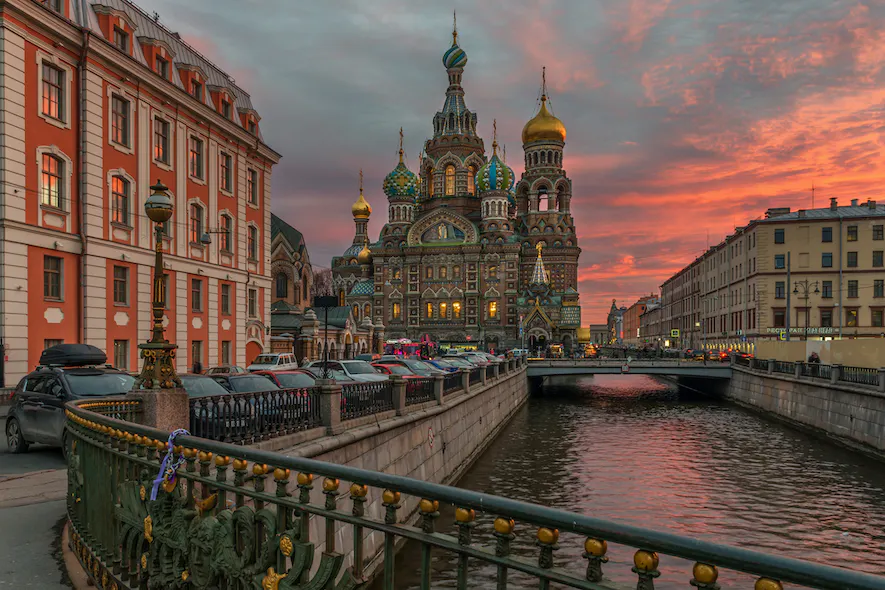
The Church of the Savior on Spilled Blood in St. Petersburg, Russia. Built in the late 1800s, it is a popular attraction because it is elaborately decorated. Photo by: Getty Images/Chan Srithaweeporn
Russia is the largest country in the world. It occupies one-tenth of all the land on Earth. It spans 11 time zones across Europe and Asia. And it touches three oceans. It has coasts on the Atlantic, Pacific, and Arctic oceans.
The Russian landscape varies. From desert to a frozen coastline, tall mountains to giant marshes, it is diverse. Much of Russia is made up of rolling, treeless plains. These are called steppes. Siberia occupies three-quarters of Russia. It is dominated by sprawling pine forests. These are called taigas.
Russia has about 100,000 rivers. Some are the longest and most powerful in the world. It also has many lakes. It is home to the two largest lakes in Europe. These are the Ladoga and Onega lakes. Lake Baikal in Siberia contains more water than any other lake on Earth.
As big as Russia is, it's no surprise that it is home to a large number of ecosystems and species. Its forests, steppes, and tundras provide habitat for many rare animals. Asiatic black bears, snow leopards, and polar bears live in Russia. Also, small rabbit-like mammals called pikas live there.
Russia's first national parks were set up in the 19th century. But, decades of unregulated pollution have taken a toll on many of the country's wild places. Currently, about one percent of Russia's land area is protected in preserves. These preserves are known as zapovedniks.
Russia's most famous animal species is the Siberian tiger. It is the largest cat in the world. Indigenous to the forests of eastern Russia, these endangered giants can be 10 feet long, not including their tail, and weigh up to 600 pounds.
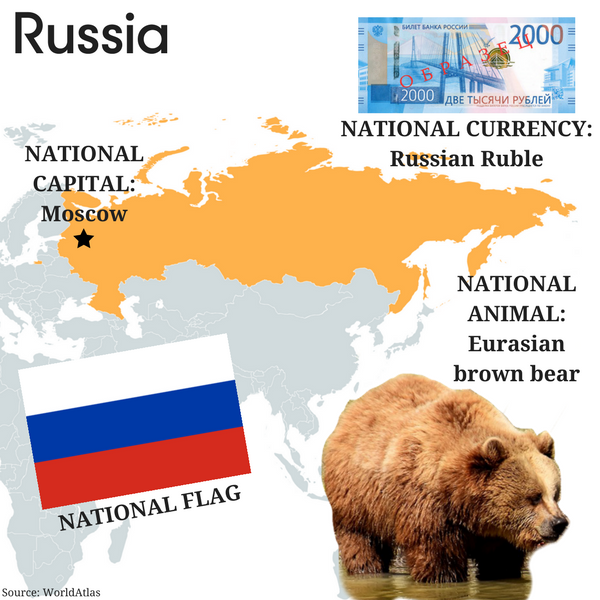
Image 1. Map 1: mapchart.net/Newsela staff.
There are about 120 ethnic groups in Russia. More than a hundred languages are spoken across the country. Roughly 80 percent of Russians trace their ancestry to the Slavs. They settled in the country 1,500 years ago. Other major groups include Tatars, who came with the Mongol invaders, and Ukrainians.
Russia is known all over the world for its thinkers and artists. This includes writers such as Leo Tolstoy and Fyodor Dostoevsky, composers such as Pyotr Ilyich Tchaikovsky and ballet dancers including Rudolf Nureyev.
Russia's history as a democracy is short. The country's first election, in 1917, was quickly reversed by the Bolsheviks. Many years later in the 1991 election of Boris Yeltsin was when democracy took hold.
Russia is a federation of 86 republics, provinces, territories and districts, all controlled by the government in Moscow. The head of state is a president elected by the people. The economy is based on a vast supply of natural resources, including oil, coal, iron ore, gold and aluminum.
The earliest human settlements in Russia arose around A.D. 500. Scandinavians moved south to areas around the upper Volga River. These settlers mixed with Slavs from the west and built a fortress that would eventually become the Ukrainian city of Kiev.
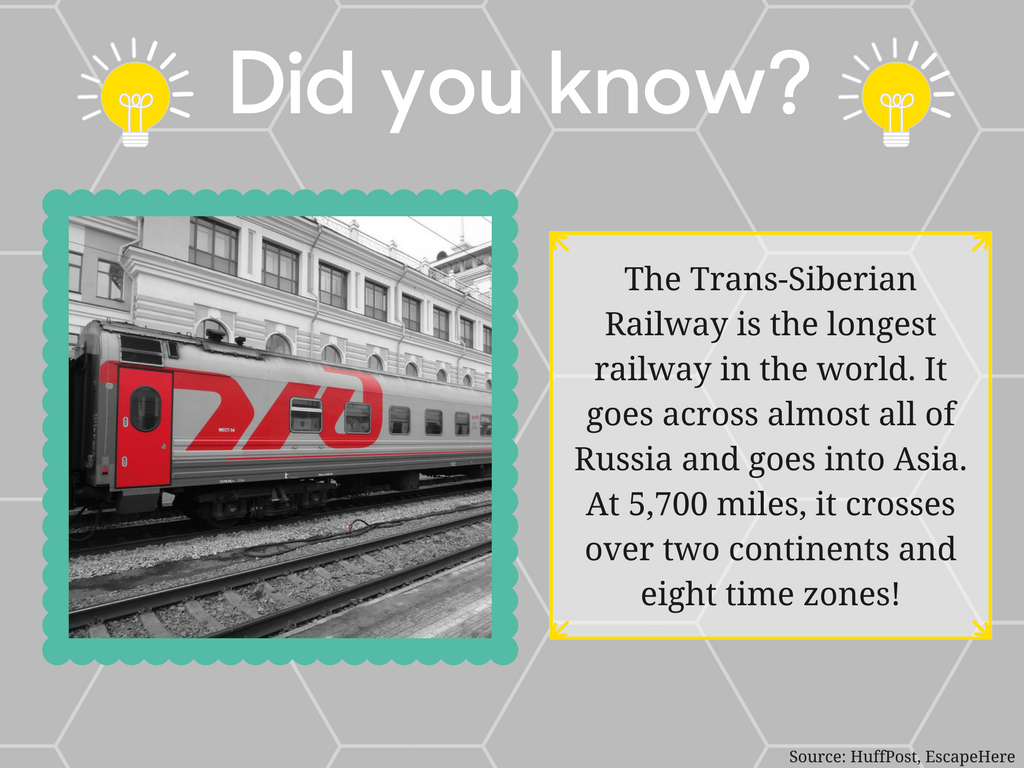
Image 2. Newsela staff.
Kiev evolved into an empire that ruled most of European Russia for 200 years, then broke up into Ukraine, Belarus, and Muscovy. Muscovy's capital, Moscow, remained a small trading post until the 13th century when Mongol invasions in the south drove people to settle in Moscow.
In the 1550s, Muscovite ruler Ivan IV became Russia's first tsar after driving the Mongols out of Kiev and unifying the region. In 1682, Peter the Great became tsar at the age of ten and for 42 years worked to make Russia more modern and more European.
In 1917, Russians unhappy with their government overthrew the tsar and formed an elected government. Just a few months later, though, a communist group called the Bolsheviks seized power. Their leader, Vladimir Lenin, created the Union of Soviet Socialist Republics (USSR) from Russia and 14 other countries.
The USSR fought on the side of the United States in World War II. But relations between the two powers and their allies became strained soon after the war ended in 1945. These tensions led to the Cold War, which ended in 1991 when the Soviet Union broke up.
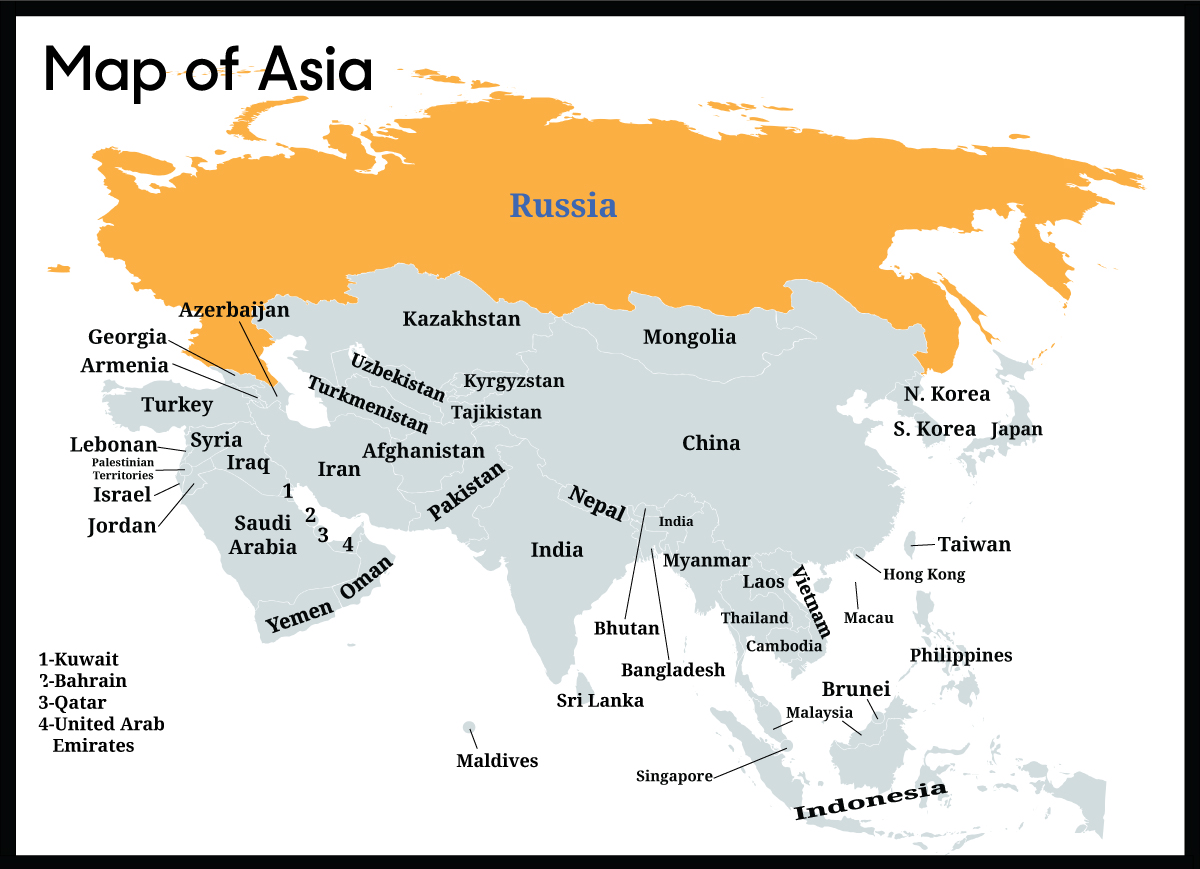
Image 3. Map 2: mapchart.net/Newsela staff. Note: Russia is a country that spans two continents: Europe and Asia.
How many time zones does Russia span?
Which ocean does Russia NOT border?
What is the main forest type in Siberia?
What percentage of Russia's land is protected?
Who was Russia's first tsar?
Which is the largest lake in the world?
What is the main language group in Russia?