Preskoči na glavni sadržaj
Prijava
Sign up for FREE
arrow_back
Biblioteka

5.02a: Equal Protection Clause

star
star
star
star
star
Posljednje ažuriranje 5 months ago
14
Napomena autora:

Using iCivics resources, scholars learn about the 14th Amendment's Equal Protection Clause.

1
0
10
10
8
10
Pitanje 1
1.

Question of the Day 🤔: As you enter the classroom, please consider and prepare to discuss:

Define the term ideal (noun).

Pitanje 2
2.

Question of the Day 🤔: Part 2: Please consider and prepare to discuss:

What are our country’s ideals?

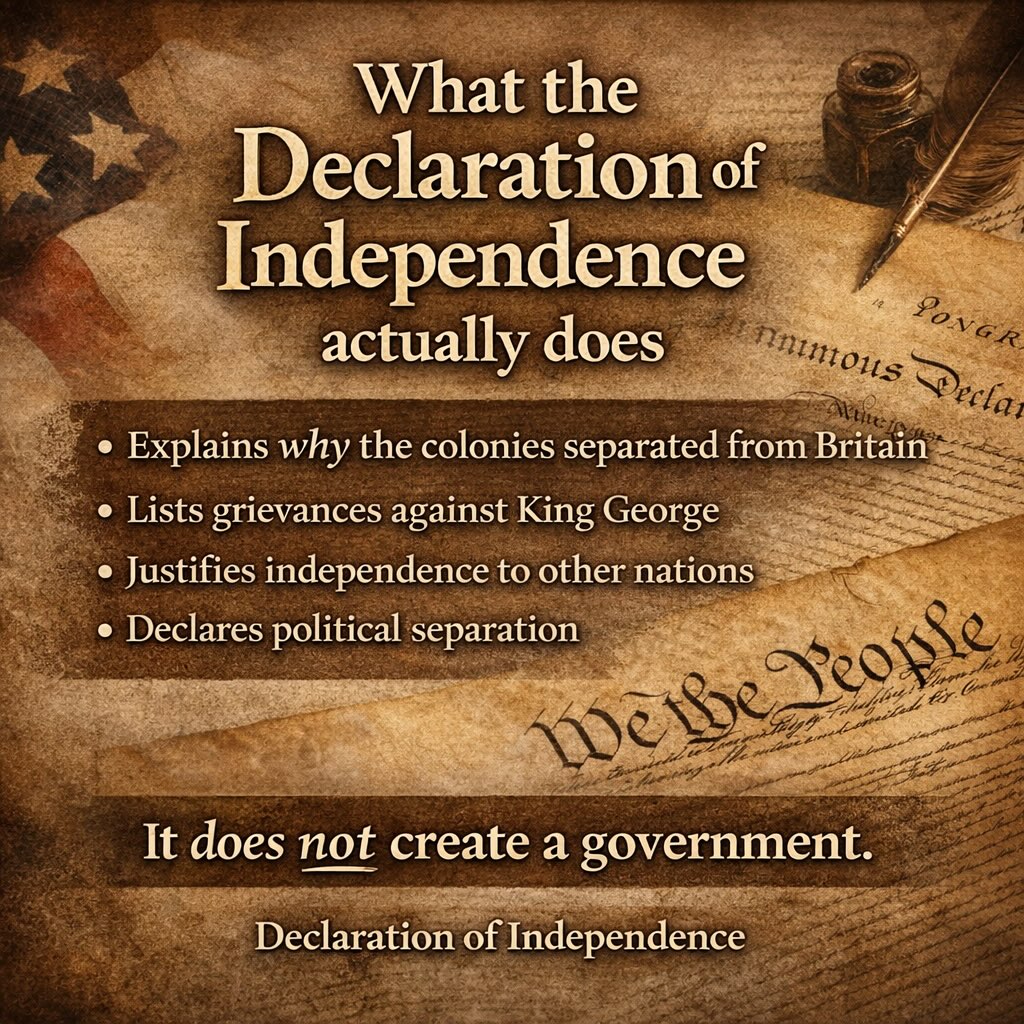
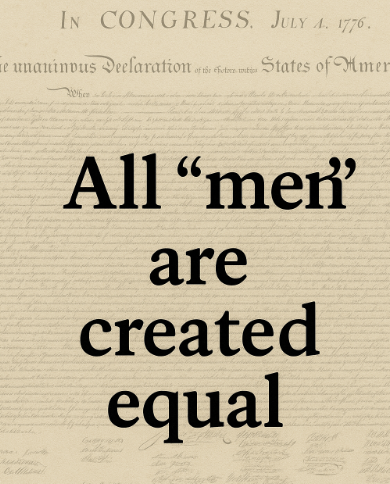
The ideal of equality was established in the Declaration of Independence, which said “all men are created equal.”

0
Pitanje 3
3.

Poll: Is everyone treated equally in the U.S.?

1
Pitanje 4
4.

List any groups you can think of that have not been treated equally today, or in the past?

The Declaration of Independence is not the law.

It is a letter to the King of England.

It explains why independence happened.

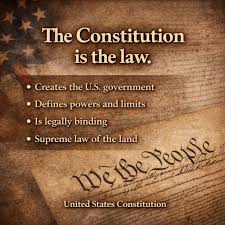
The Constitution is the country’s highest law, and the term equality was not included in it.

The Constitution is the country’s highest law, and the term equality was not included in it.

The word “equal” in regards to people, doesn’t appear until the 14th Amendment is added in 1868.

We will be reading about the 14th Amendment and the Equal Protection Clause.

1
Pitanje 5
5.

What amendment contains the Equal Protection Clause?

1
1
1
1
Pitanje 10
10.
Drugi mogući odgovor:

The 14th Amendment only applies to governments, not private businesses. The Civil Rights Act of 1964 would protect women from this type of discrimination.

Applies

The law treats a certain group differently than other people in the same situation.

The 14th Amendment only applies to governments, not private organizations.

Does Not Apply

The law is being enforced differently for a certain group of people.

The law denies people a basic right based solely on race. This treats a certain group differently than others.

Pitanje 11
11.

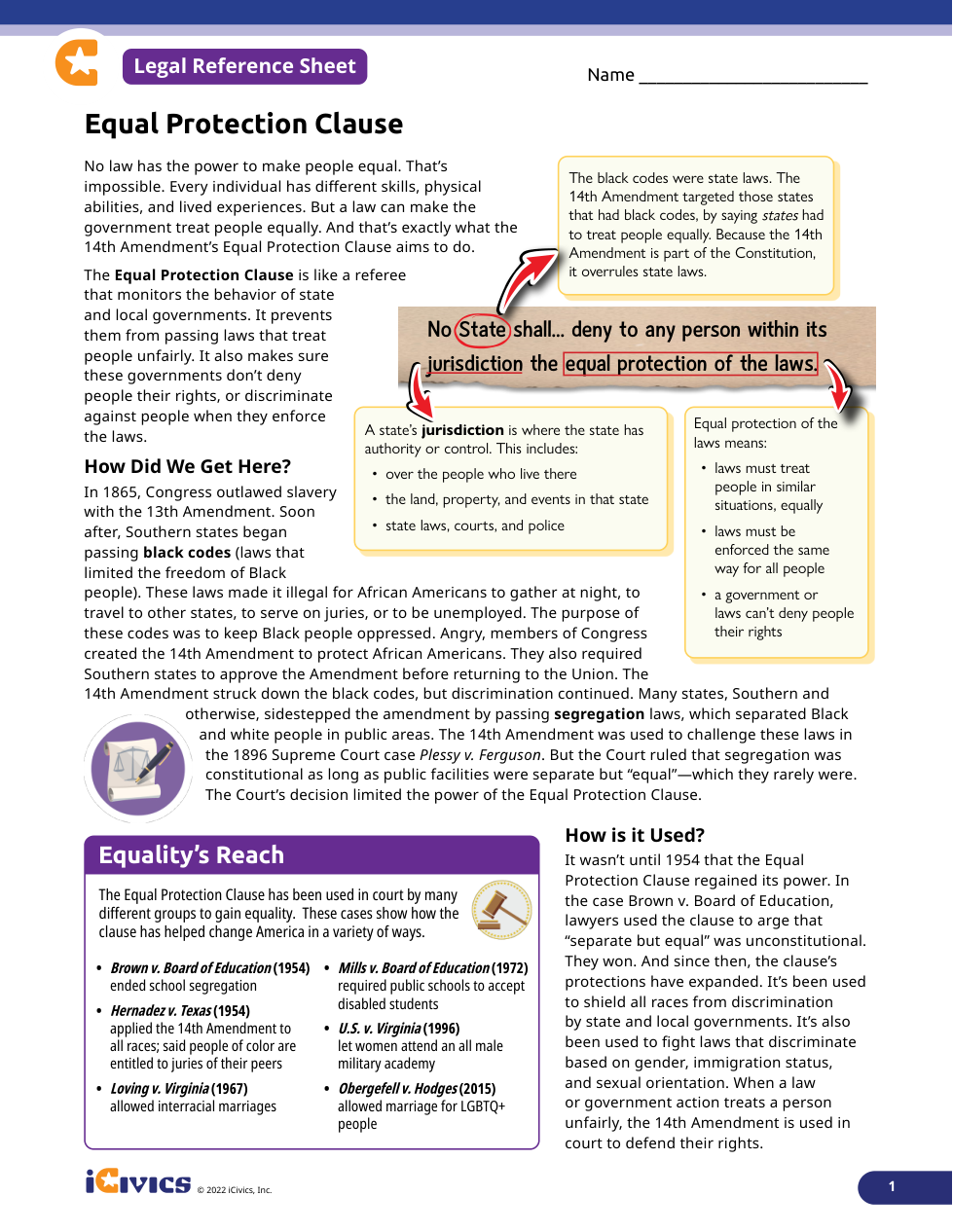
Matching the Change. Review the court cases listed in the reading section, Equality’s Reach. Match each group with the area where they gained equality.

Military Academies

Trial Juries

Public Schools

Marriage/ Families

African Americans (Pick 3)

LGBTQ+ People (Pick 1)

Disabled Students (Pick 1)

Women (Pick 1)

All Races (Pick 3)

Interracial Couples (Pick 1)

What you learned earlier:

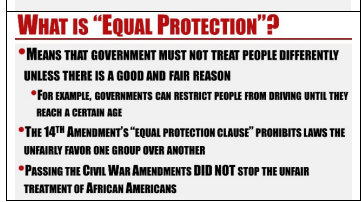
The 14th Amendment means states can’t create laws that treat people differently.

Refined understanding:

The 14th Amendment means states can’t create laws that treat people differently without a good reason.

The Constitution does not say states can never treat people differently. It says they can’t do it unfairly or without justification.

Equal Protection = Rules + Reasons

  • States can make different rules

  • States must explain why

  • Courts decide if the reason is strong enough


1
Pitanje 12
12.

The 14th Amendment allows differences only when the government can explain and defend them.

What are some examples or laws that currently exist that support the statement above?

Equal Protection Clause: If laws treat groups differently, the government must explain why.

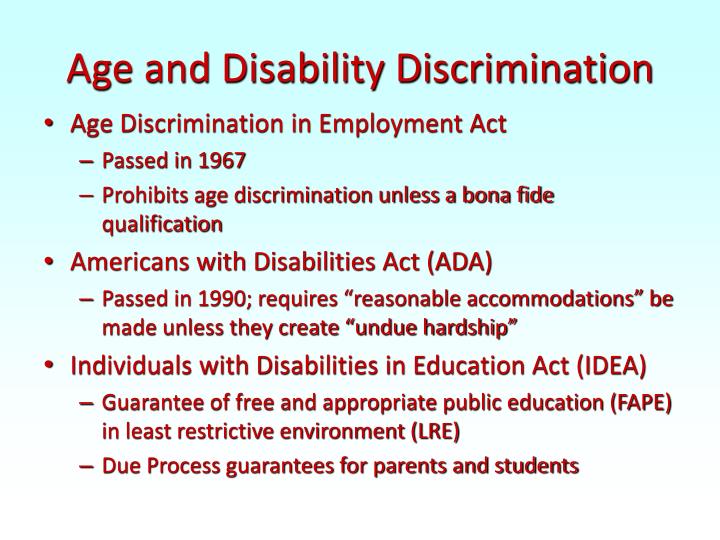
Examples are Age Requirements (Voting, Driving, Drinking) or Disability Accommodations as equal access.


age and disability discrimination

Pitanje 13
13.
Drugi mogući odgovor:

Not Allowed

Allowed

This state law's goal is equal access.

This is type of law is not allowed. It violates the 14th amendment and there is no constitutional justification.

This state law is allowed. The state argues safety.

Pitanje 14
14.

Using your matching activity (#11) and Equality's Reach Section,

Choose one group and the area where people gained equality (such as Women and Military Academies). Evaluate the impact of this change on American society and explain why it remains important today.

Your response should be at least 1 paragraph.

Example sentence starters you can use:

  • One pivotal moment in the pursuit of American equality was when [Group] gained the right to [Area]..."

  • "A significant milestone for equal protection occurred when [Group] was finally granted..."

  • "The transition toward equality for [Group] in the area of [Area] represented a major shift in..."

Example Conclusion sentences:

  • To evaluate impact: "One major consequence of this change was [Insert Change], which resulted in a more inclusive society because..."

  • To explain modern importance: "Even decades later, this change remains a cornerstone of American equality because it prevents..."

  • To connect to the 14th Amendment: "By applying the Equal Protection Clause to [Insert Group], the United States moved closer to its ideal of..."
Pitanje 6
6.

What does the Equal Protection Clause monitor?

Pitanje 7
7.

What were black codes?

Pitanje 8
8.

What landmark case challenged segregation laws, but created the concept of "separate but equal"?

Pitanje 9
9.

Which group gained rights from the Equal Protection Clause?