Summative Assessment Practice on Classification
star
star
star
star
star
Last updated 5 months ago
74 Nsɛmmisa
1
1
1
1
1
1
1
1
1
1
1
1
1
1
1
1
1
1
1
1
1
1
1
1
1
1
1
1
1
1
1
1
1
Match the following terms related to dichotomous keys:
| Draggable item | arrow_right_alt | Corresponding Item |
|---|---|---|
Species description | arrow_right_alt | Hierarchical arrangement of species |
Taxonomic grouping | arrow_right_alt | Organizing biological information |
Identification process | arrow_right_alt | Characteristic features of organisms |
Pair the following concepts with their definitions:
| Draggable item | arrow_right_alt | Corresponding Item |
|---|---|---|
Dichotomous key | arrow_right_alt | Groups in biological classification |
Taxa | arrow_right_alt | Point of divergence in key |
Node | arrow_right_alt | Tool for identifying organisms |
Connect these features with their purposes in a dichotomous key:
| Draggable item | arrow_right_alt | Corresponding Item |
|---|---|---|
Branch points | arrow_right_alt | Identify the organism revealed |
Yes/No questions | arrow_right_alt | Show alternative characteristics |
Final answers | arrow_right_alt | Guide user toward identification |
Match these terms to their roles in classification:
| Draggable item | arrow_right_alt | Corresponding Item |
|---|---|---|
Classification | arrow_right_alt | Entity being classified |
Characteristic | arrow_right_alt | Arrangement of organisms into groups |
Organism | arrow_right_alt | Feature used in identification |
Link the following elements with their meanings:
| Draggable item | arrow_right_alt | Corresponding Item |
|---|---|---|
Dichotomous | arrow_right_alt | Recognizing species based on traits |
Key | arrow_right_alt | Divided into two parts |
Identification | arrow_right_alt | Guide to identification |
Match the following items used in dichotomous keys:
| Draggable item | arrow_right_alt | Corresponding Item |
|---|---|---|
Glossary | arrow_right_alt | Resource for identifying species |
Field guide | arrow_right_alt | Visual representation of characteristics |
Diagram | arrow_right_alt | Definitions of key terms used |
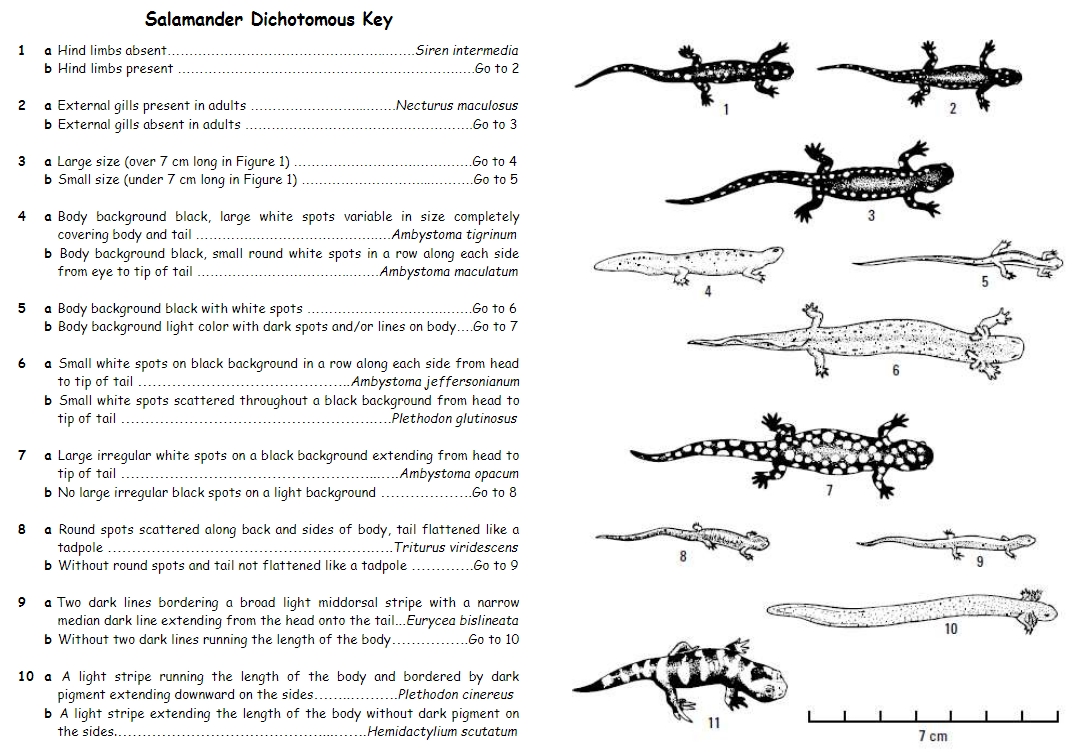
What is the scientific name for salamander number 1?
What is the scientific name for salamander number 2?
What is the scientific name for salamander number 3?
What is the scientific name for salamander number 4?
What is the scientific name for salamander number 5?
What is the scientific name for salamander number 6?
What is the scientific name for salamander number 7?
What is the scientific name for salamander number 8?
What is the scientific name for salamander number 9?
What is the scientific name for salamander number 10?
What is the scientific name for salamander number 11?
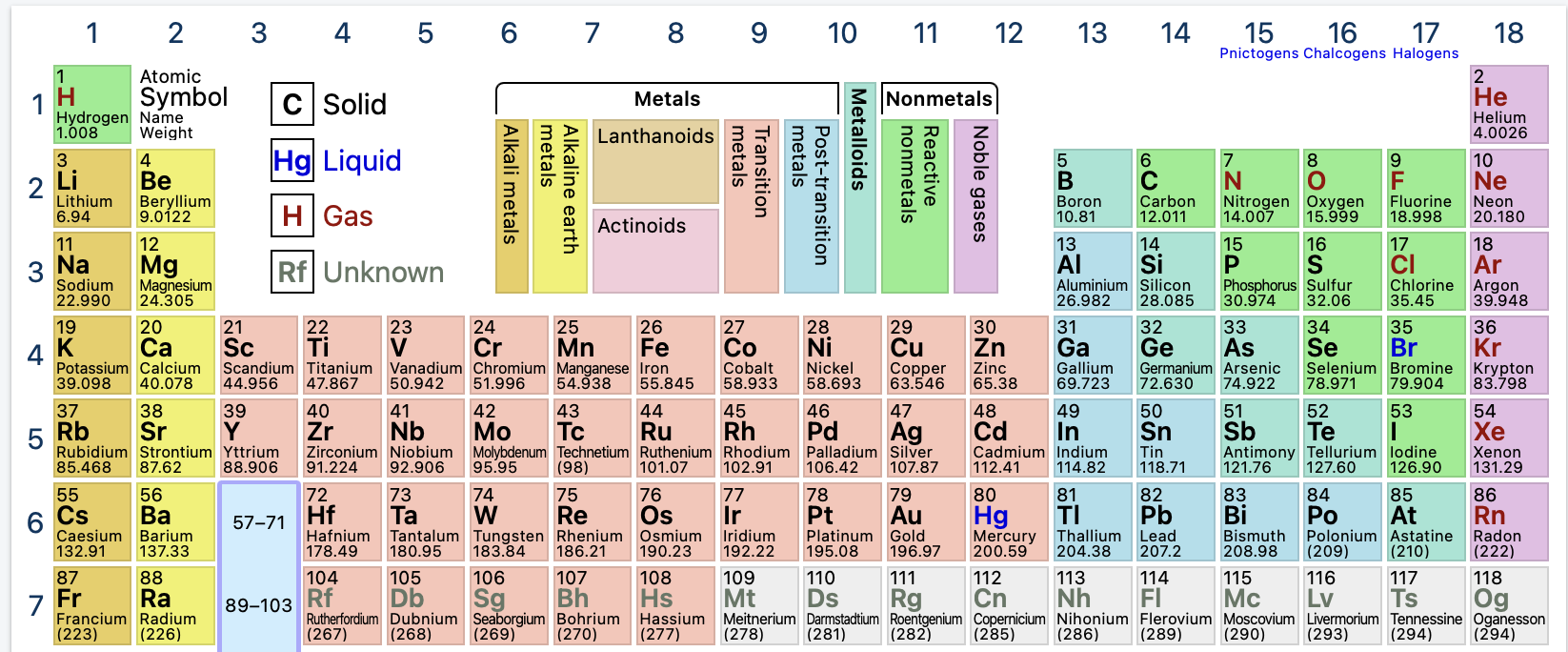
1. Which element has the symbol Li?
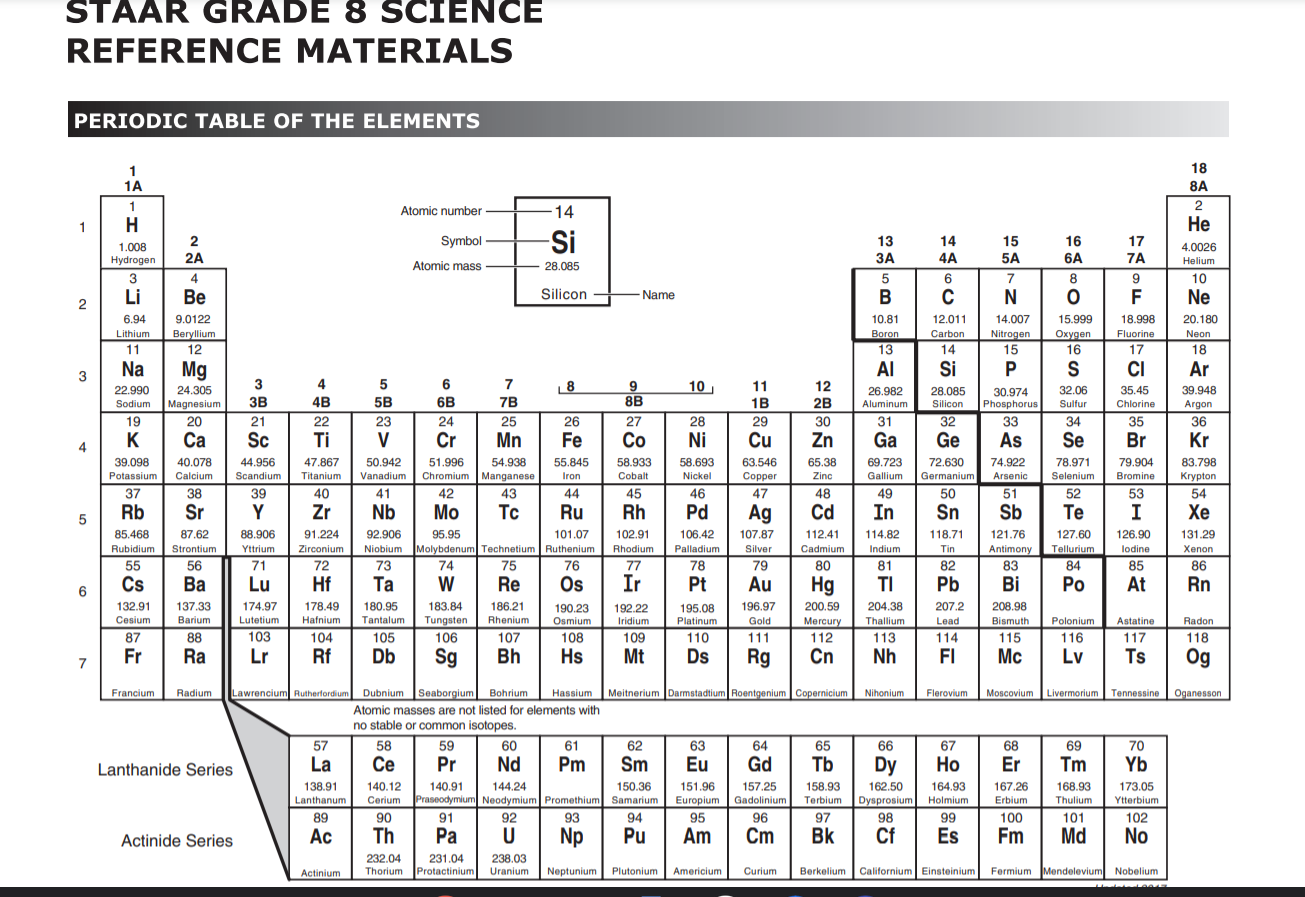
2. What is the atomic number for Beryllium?
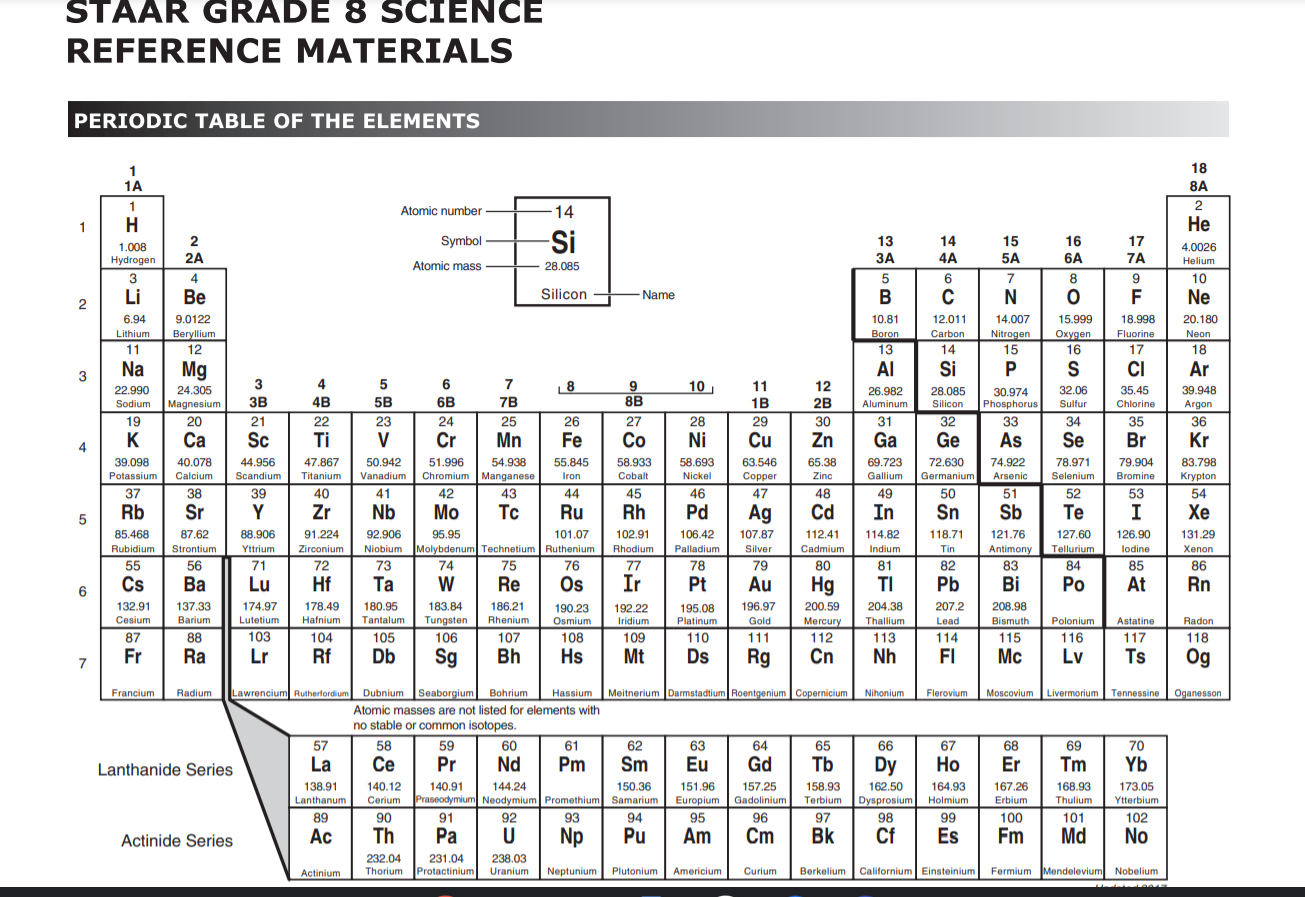
4. What is the symbol for Fluorine?
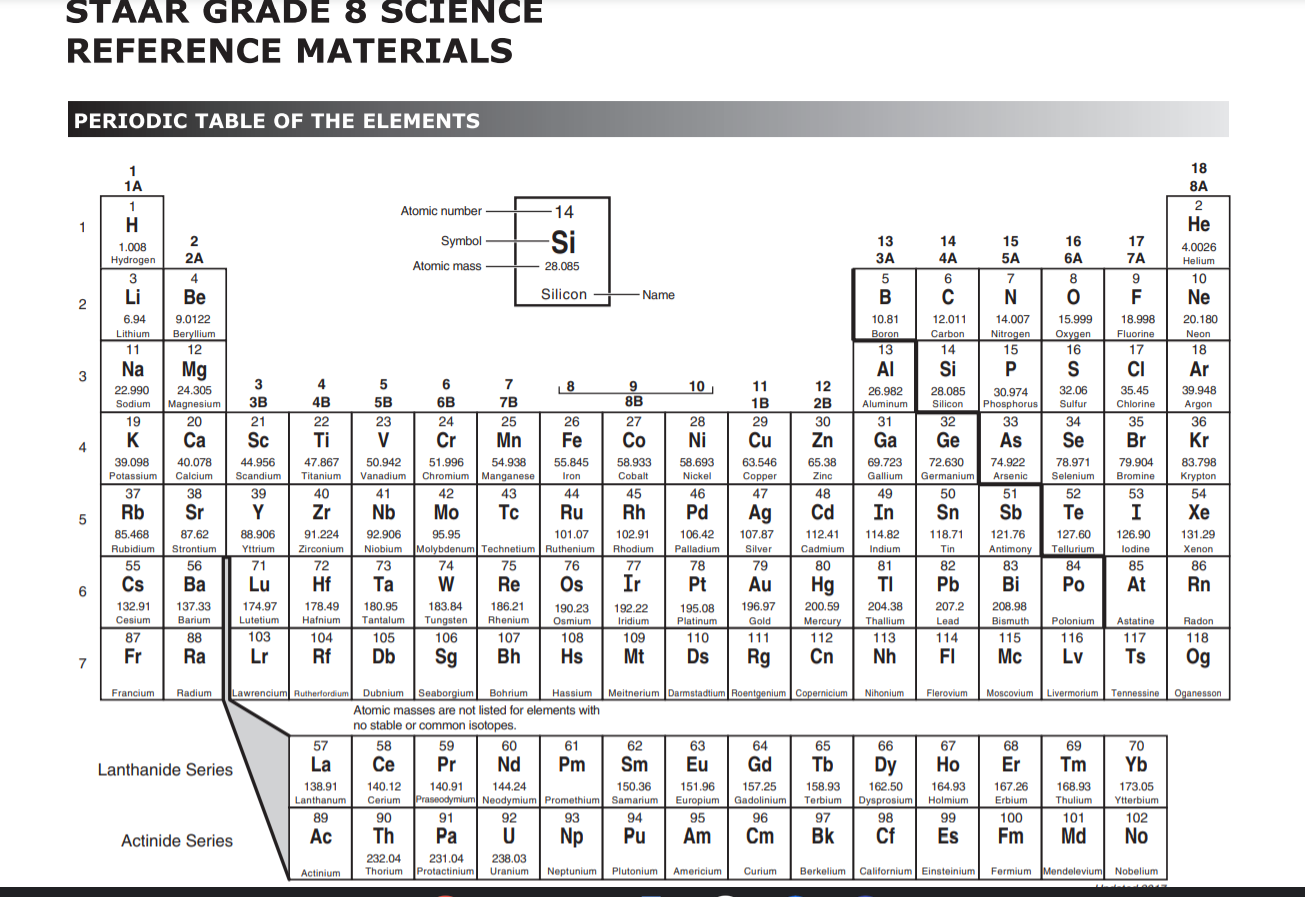
7. What is the atomic number of Bromine?

8. True or False: Chlorine's symbol is C.
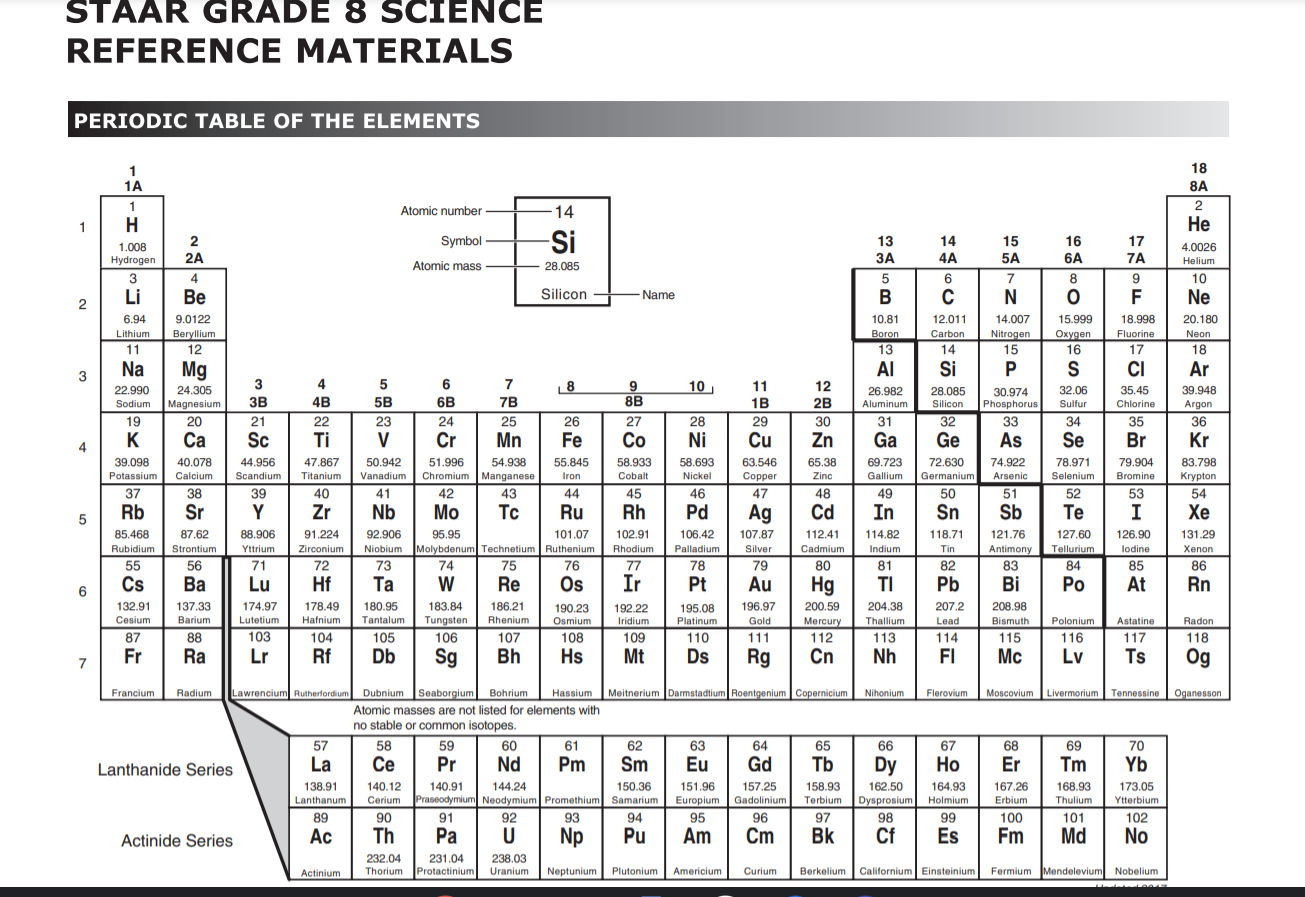
10. Which element has an atomic number of 53?
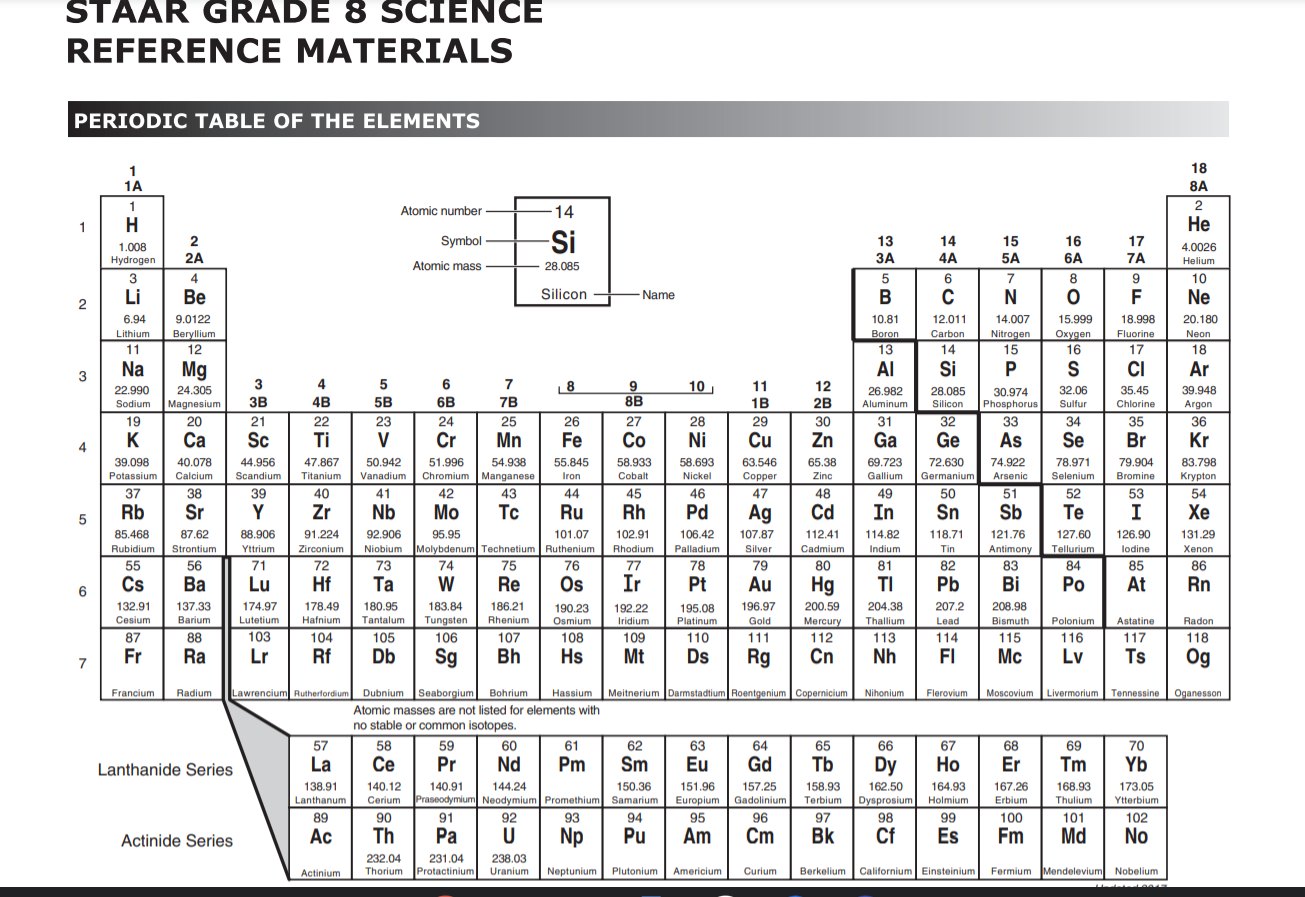
11. Find the atomic number of the element in period 1, group 18.
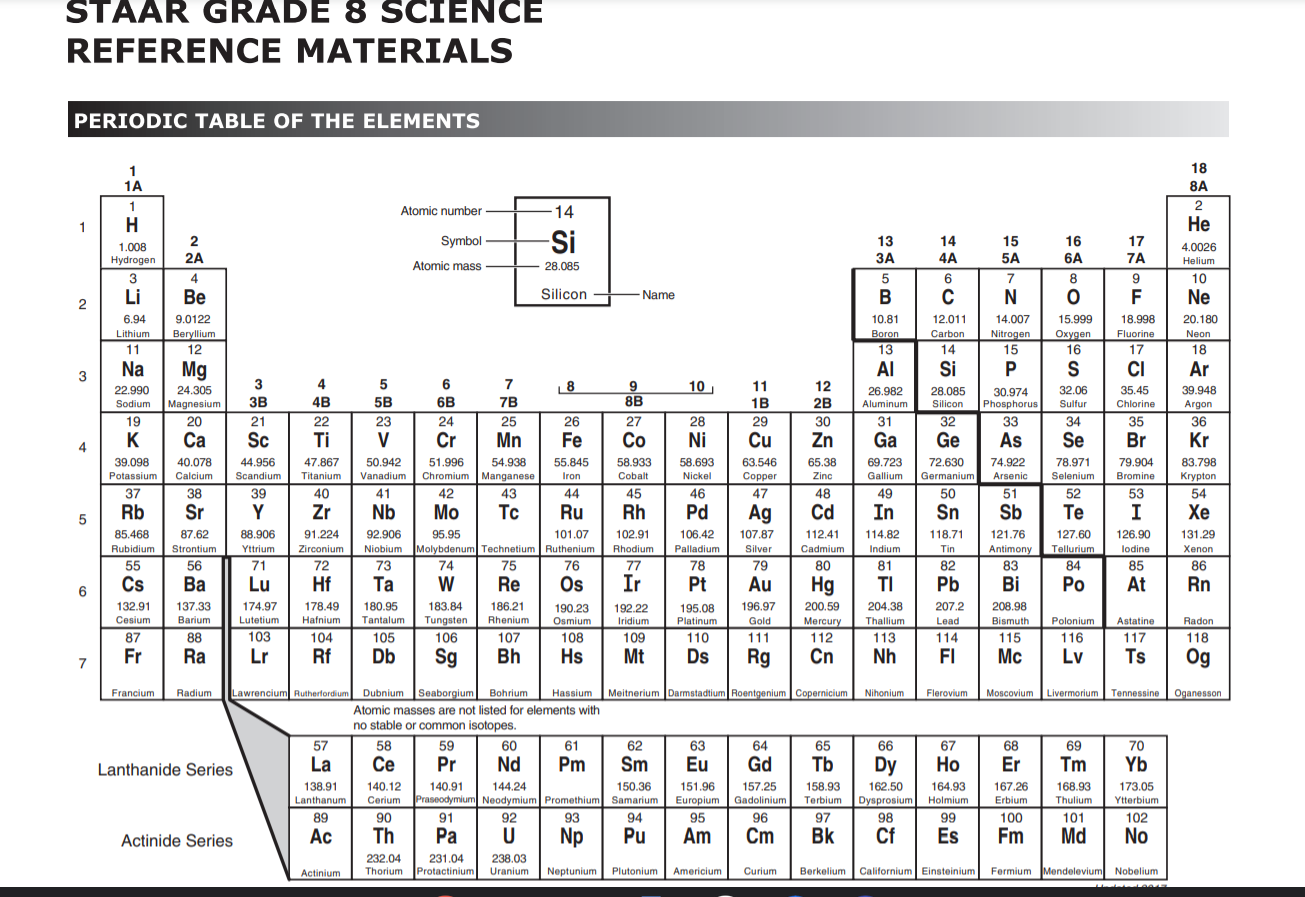
12. What is the symbol for the element in period 7, group 2?
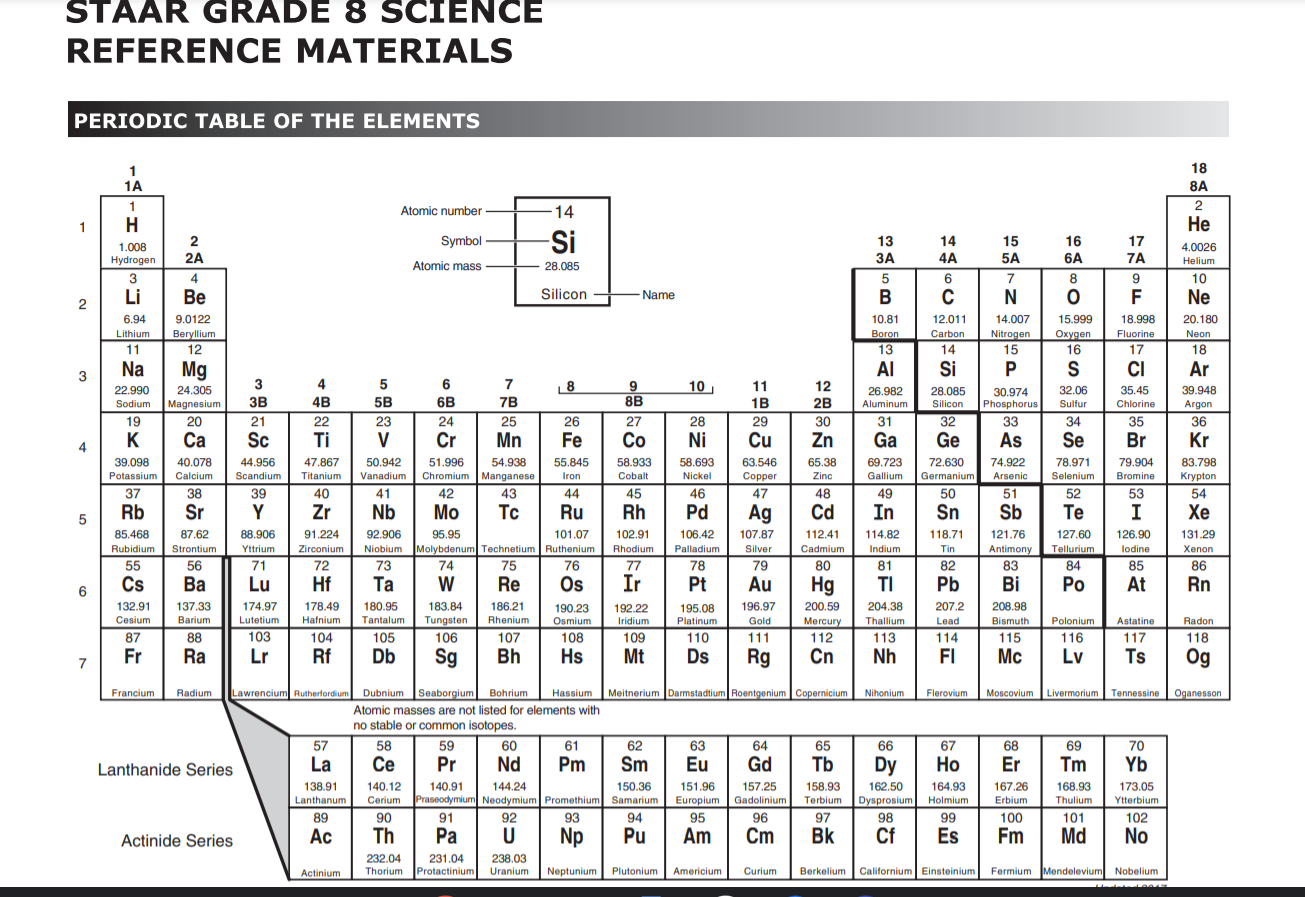
13. Which element is found in period 3, group 2?
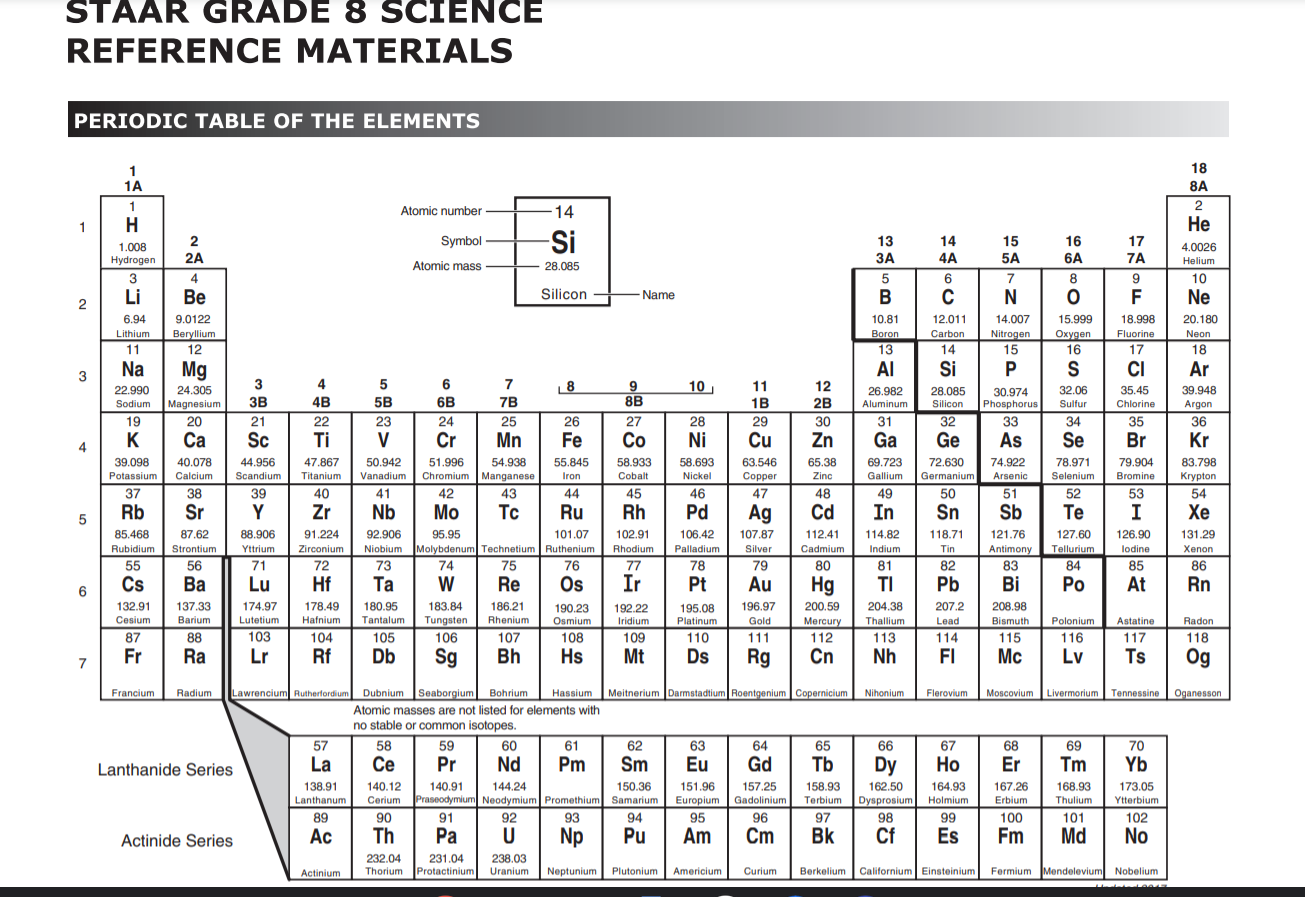
16. Which period can you find Helium?
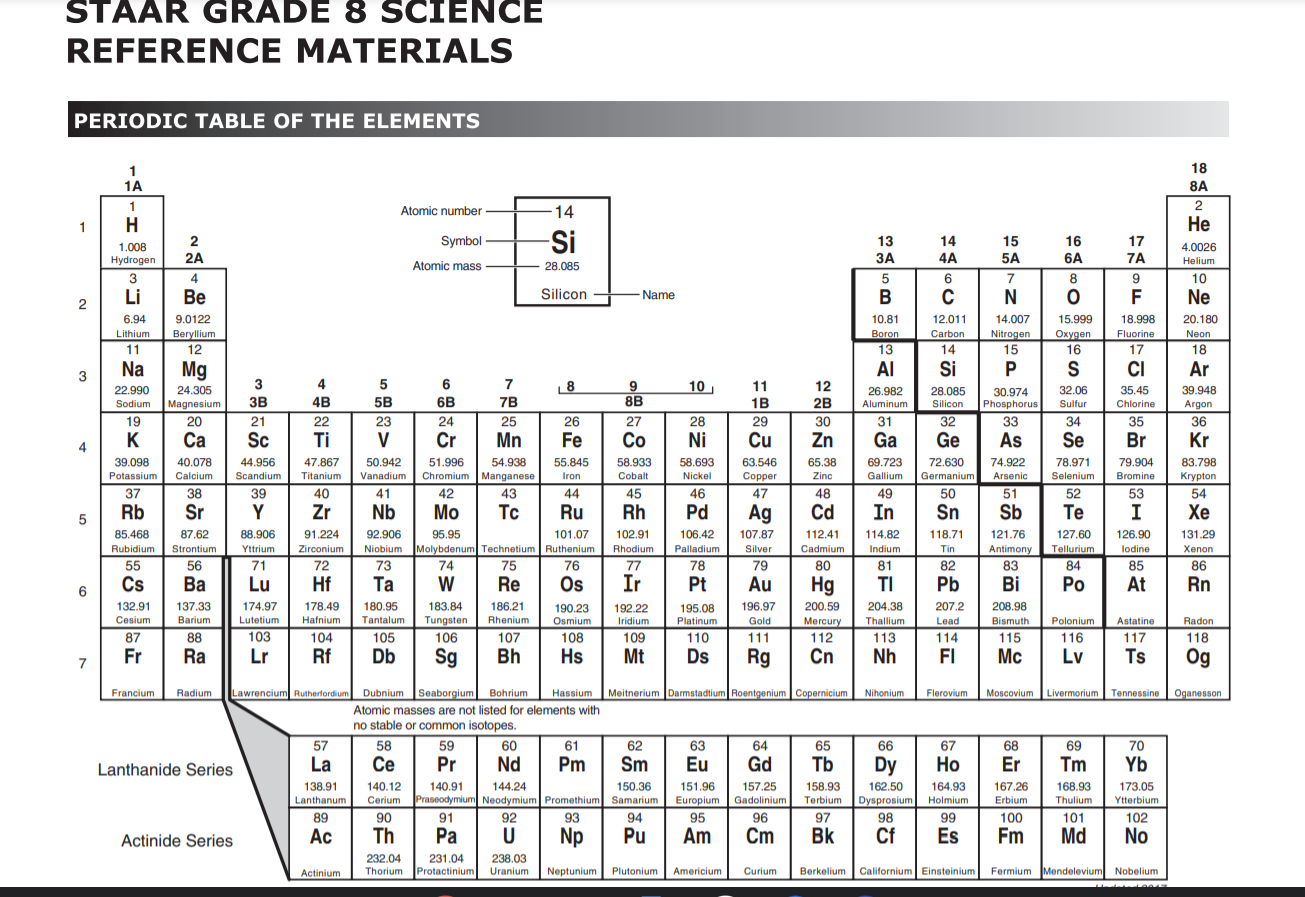
17. Which group can you find Gold?
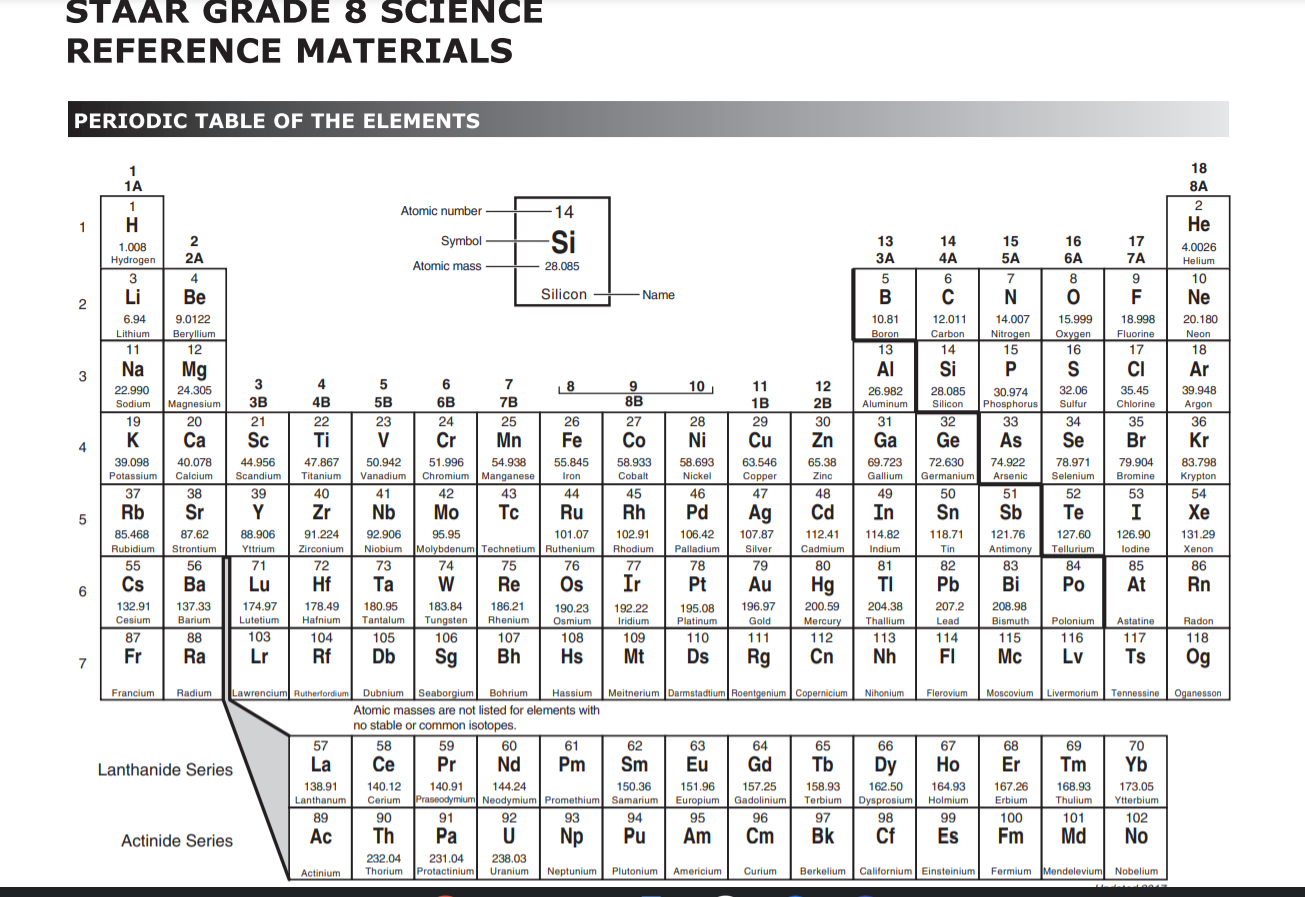
18. What is the symbol for Iron?
19. What is the atomic number for Neon?
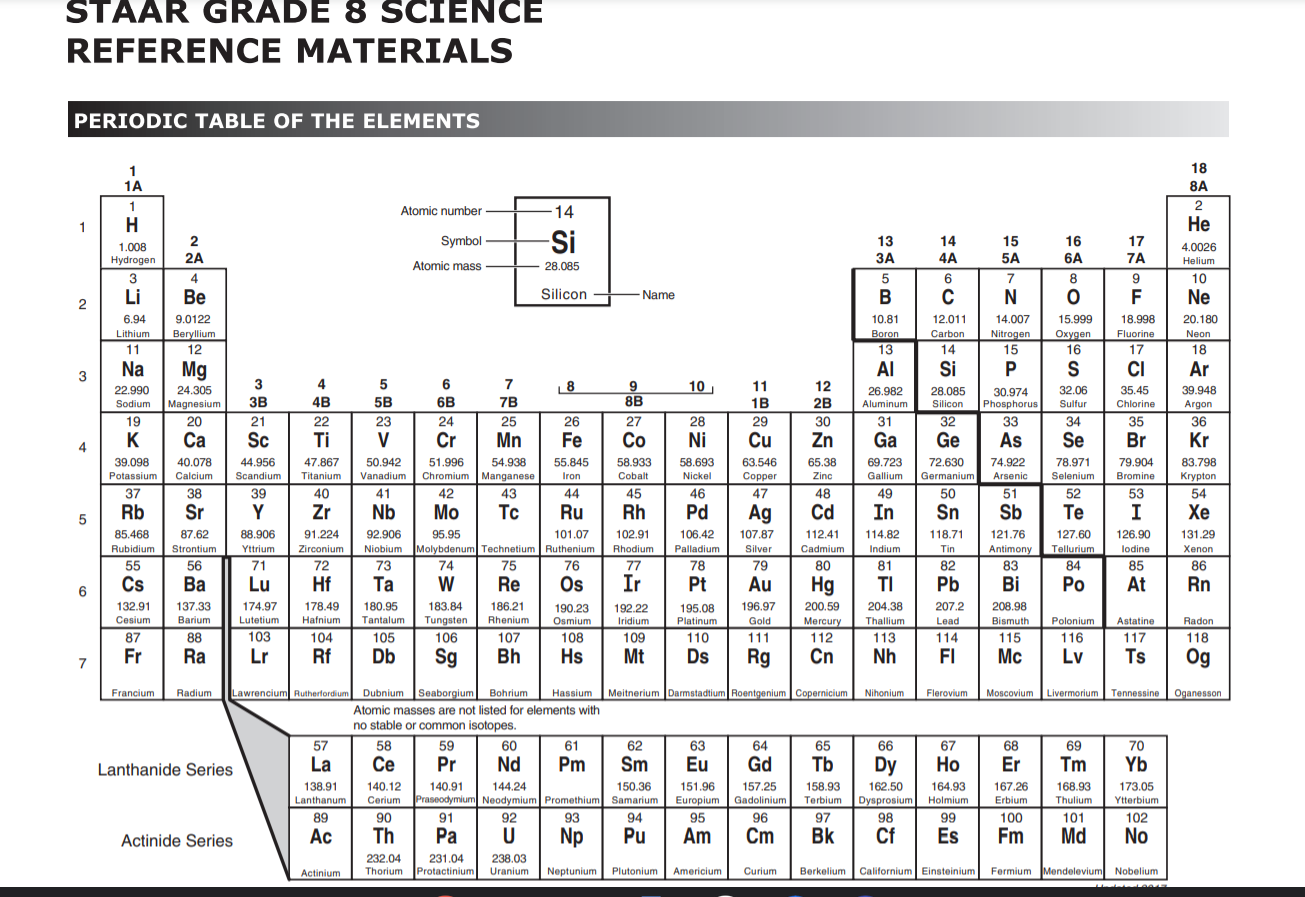
Identify whether the element is a metal or a nonmetal: Hydrogen
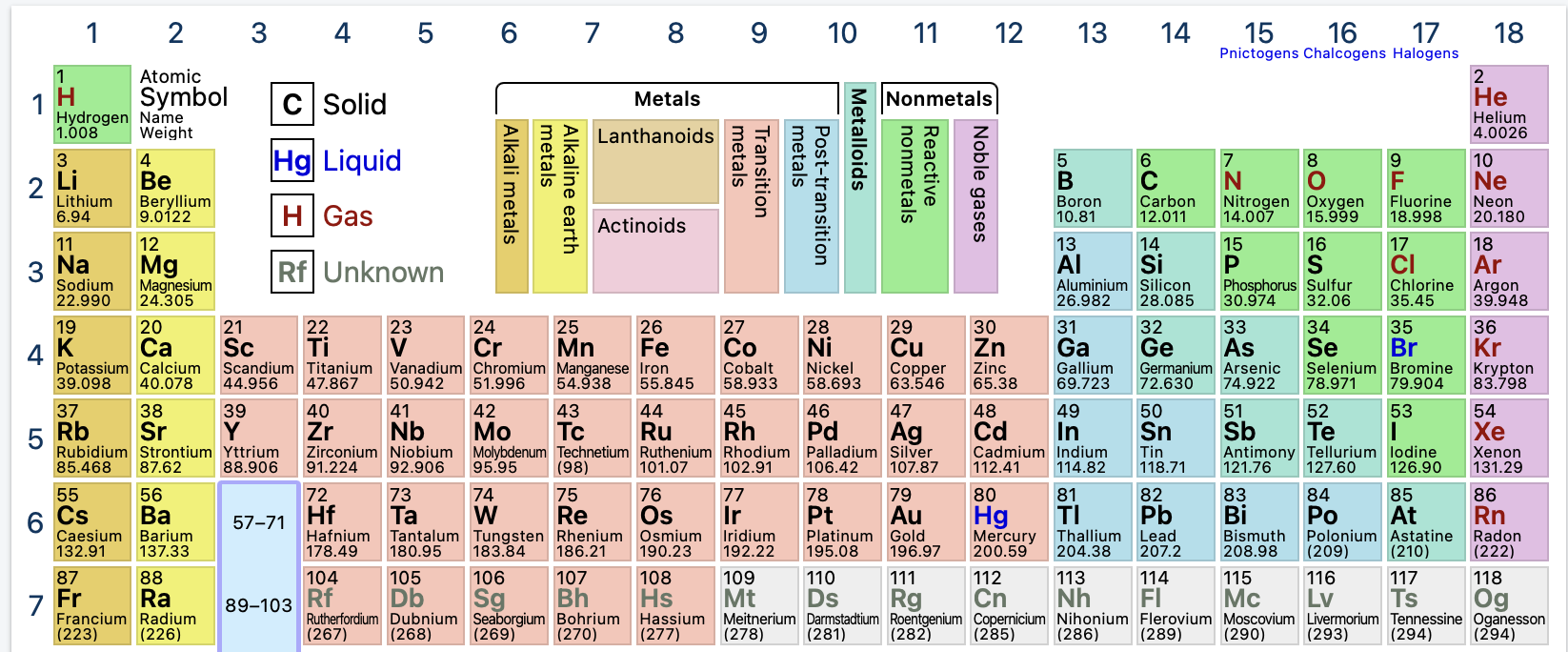
Identify whether the element used in batteries of EVs(electric vehicles) is a metal or a nonmetal.
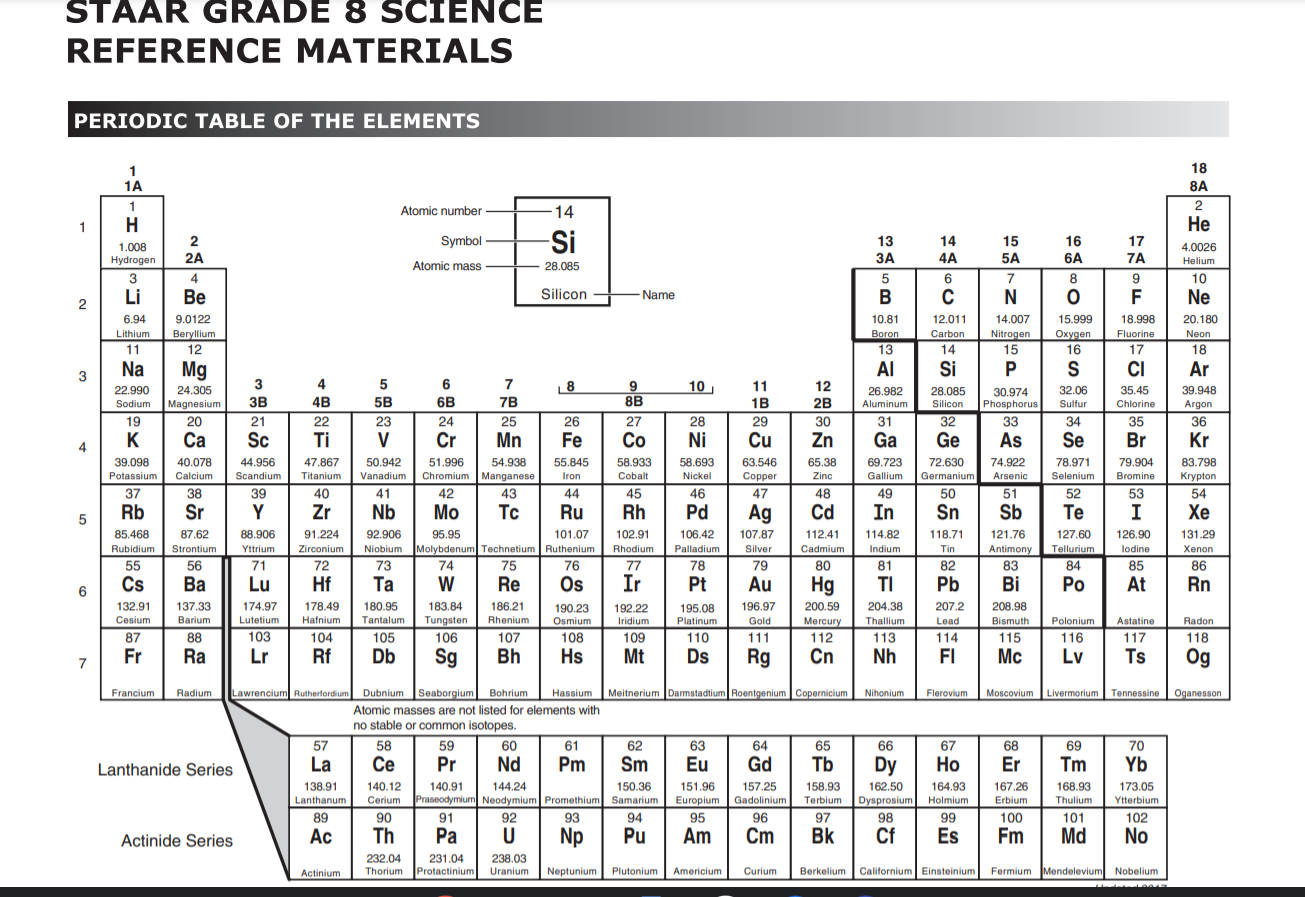
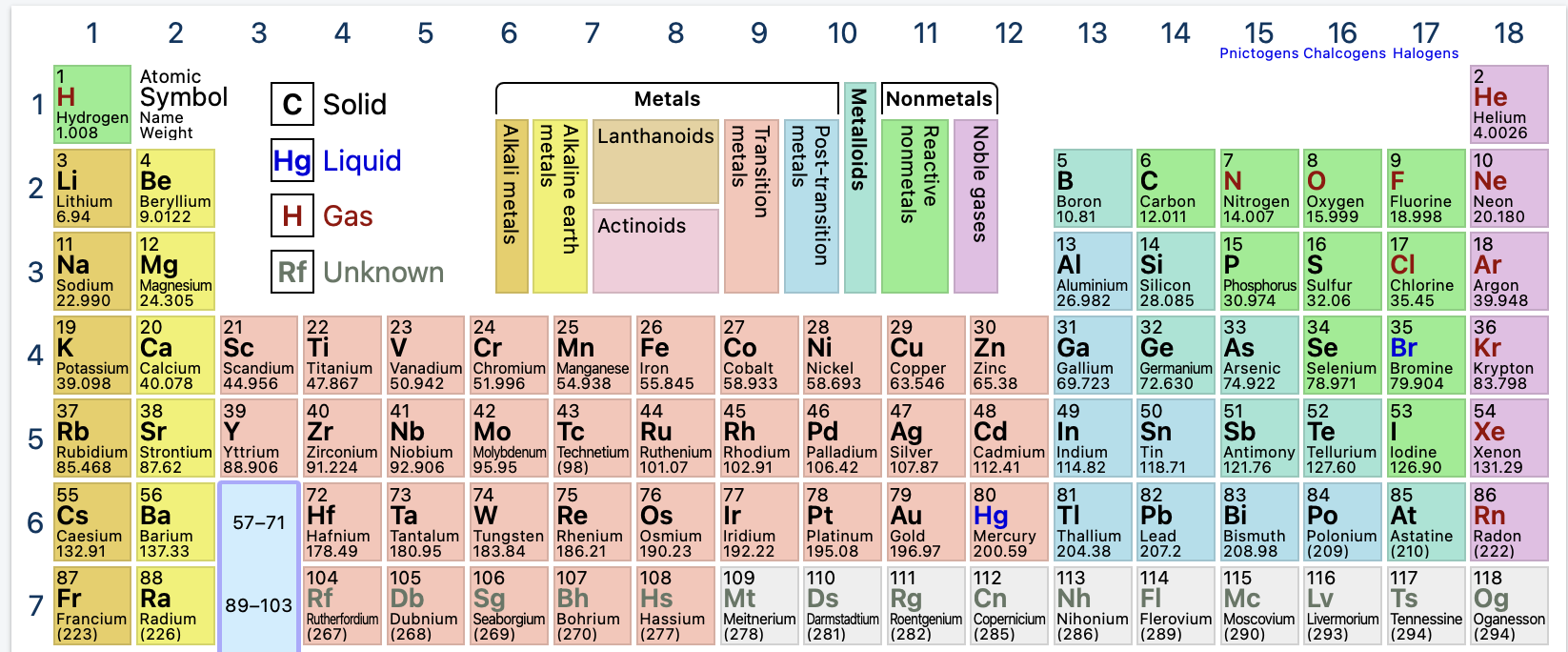
Sulfurn is widely used in medicated shampoos for treatment of dandruff and also as a cleansing agent in many industries to obtain pure form of minerals from ores as well as to purify sugar while its production. Identify if it is a metal or non-metal.
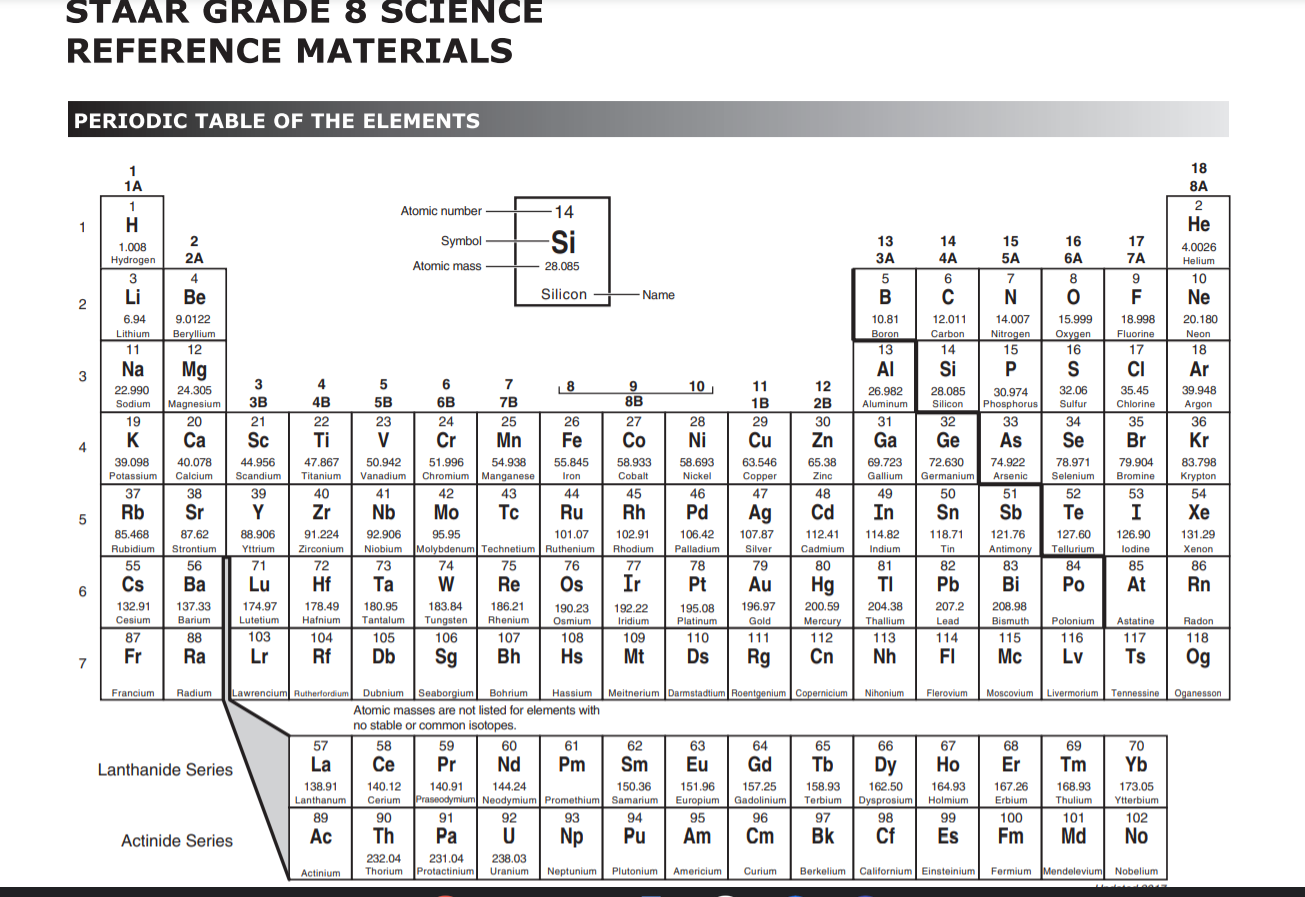
An Intense Card Game
Mendeleev was a fanatical card player and he used this talent in his task. He collected information about all of the known elements at the time and made a set of cards for them, similar to a deck of playing cards. On each card, Mendeleev wrote the element’s name, chemical symbol, atomic mass, and its physical and chemical properties. Mendeleev then arranged and rearranged the cards in countless different ways, looking for a relationships to their physical and chemical properties.
What were 5 pieces of information that Mendeleev wrote on each element’s card?
Mendeleev began to notice a pattern when he arranged the elements in order of increasing atomic mass, but the pattern was not perfect. Mendeleev worked intensely on his “game” for three straight days, after which he went to sleep. According to Mendeleev, he has a vivid dream in which all of the elements fell into place. When he woke up, he immediately wrote the idea on a piece of paper, which only needed minor corrections as he perfected his theory. A sample of Mendeleev’s early periodic table follows on the next page.
Mendeleev began noticing patterns when he arranged the elements according to what?
Mendeleev’s New Periodic Table
From left to right across each row of his table, elements were arranged by increasing atomic mass. Mendeleev discovered that if he placed eight elements in each row and then continued on to a new row, the columns of the table would contain elements with similar properties. He called the columns groups, while rows were called periods. Mendeleev’s table of the elements is called a periodic table because periodic is a word that refers to anything that repeats.
In Mendeleev’s new table, patterns in reactivity appeared to repeat after how many elements?
In Mendeleev’s periodic table, rows were called
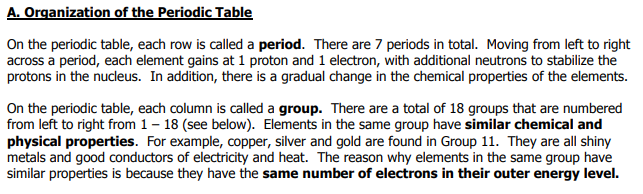
Why do elements in the same group have similar physical and chemical properties?
What are the three major categories of the elements?

List 5 properties that most metals have in common.
What does malleable mean?
What does ductile mean?
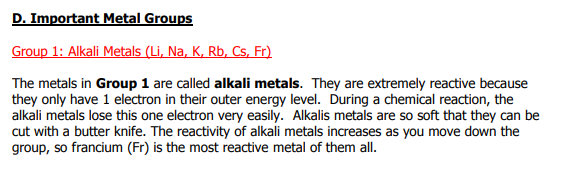
Where are alkali metals found in the periodic table?
Why are alkali metals so reactive?
How does reactivity change as you go down the group?
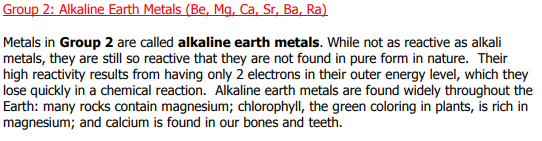
Where are alkaline earth metals commonly found on earth?
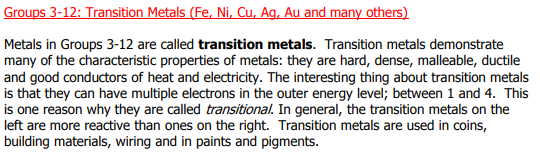
Where are transition metals found in the periodic table?
What 3 properties of transition metals would make them valuable for use in coins?
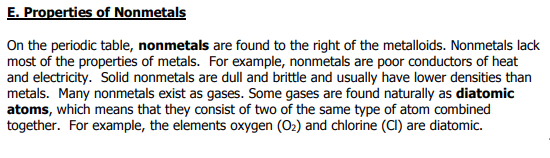
List 4 properties of nonmetals.
Oxygen and chlorine exist as diatomic elements. What does this mean?
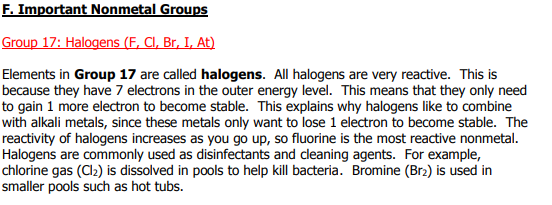
Why are halogens so reactive?
How does reactivity change as you go down the group?
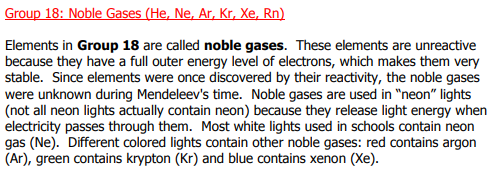
Why are noble gasses so unreactive?
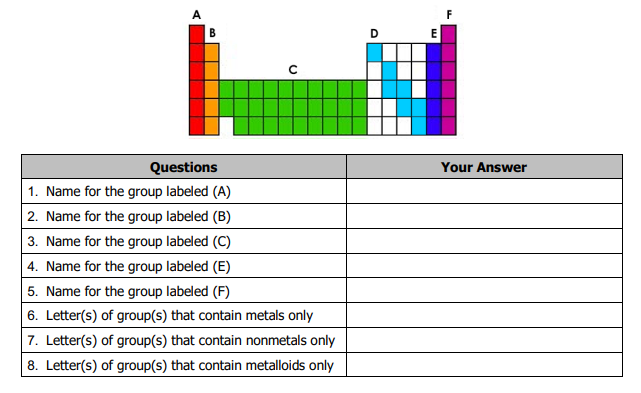
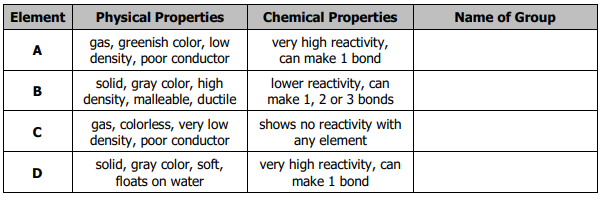
This group houses element responsible for disinfecting swimming pools
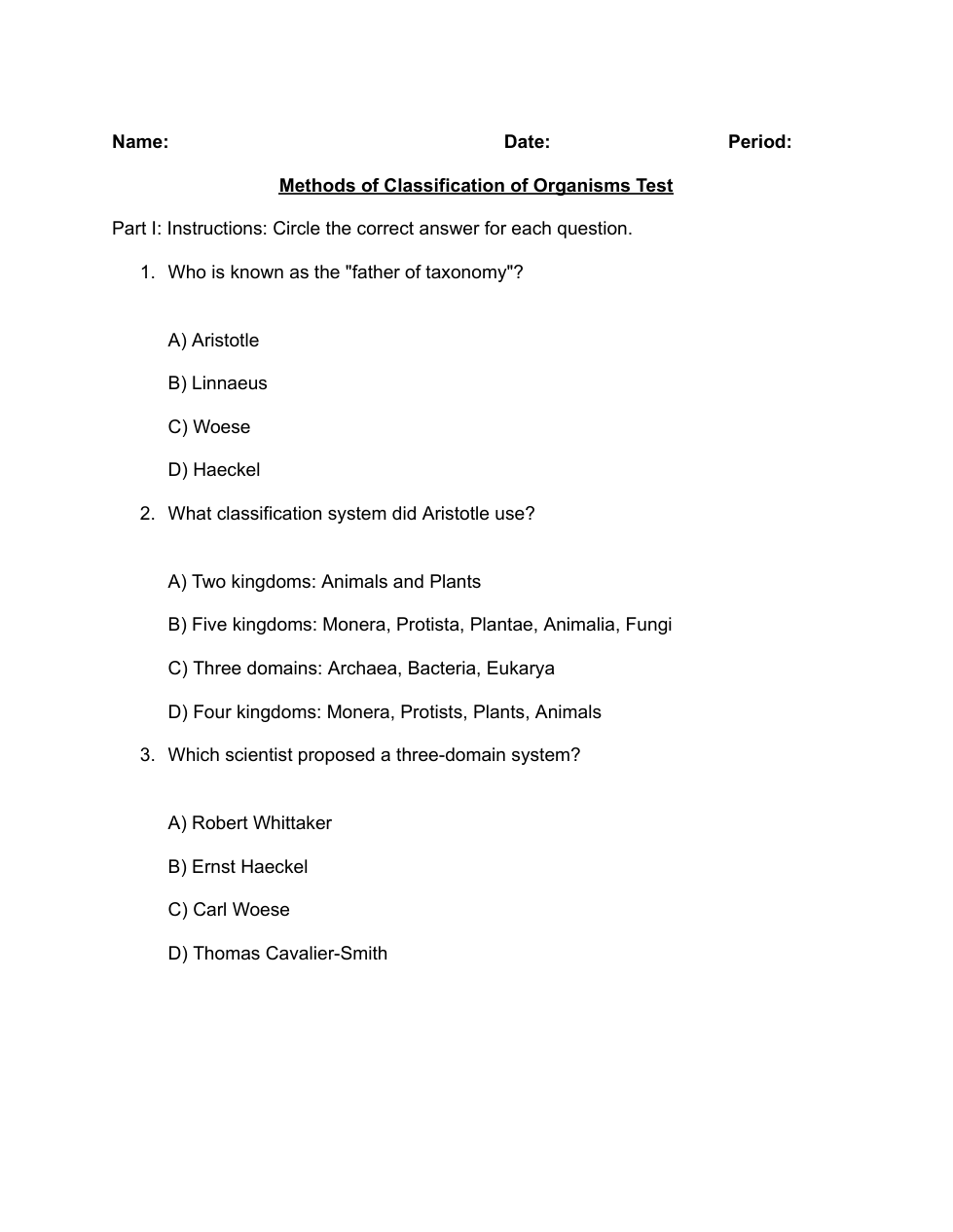
Who is known as the "father of taxonomy?"
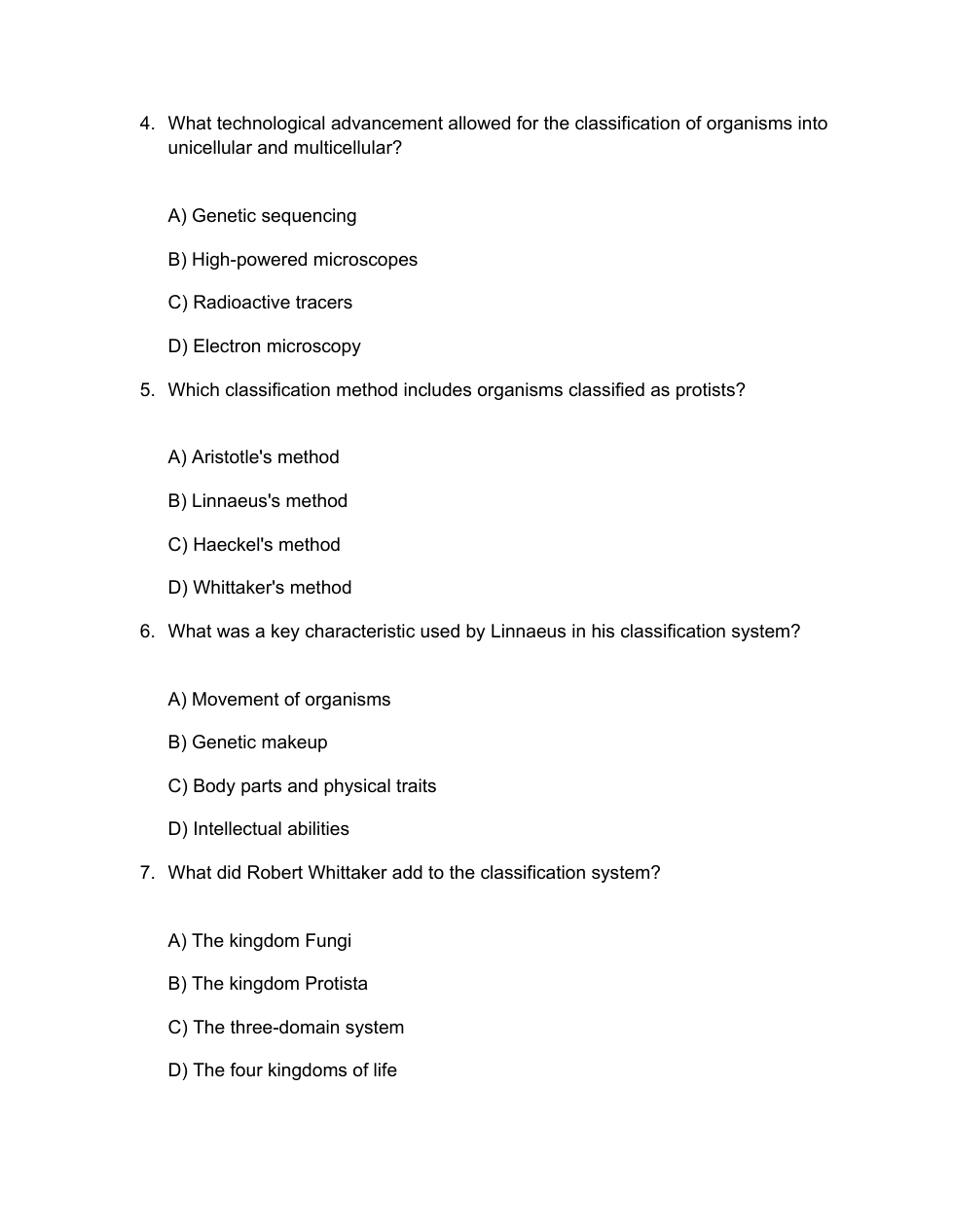
What technological advancement allowed for the classification of organisms into unicellular and multicellular?
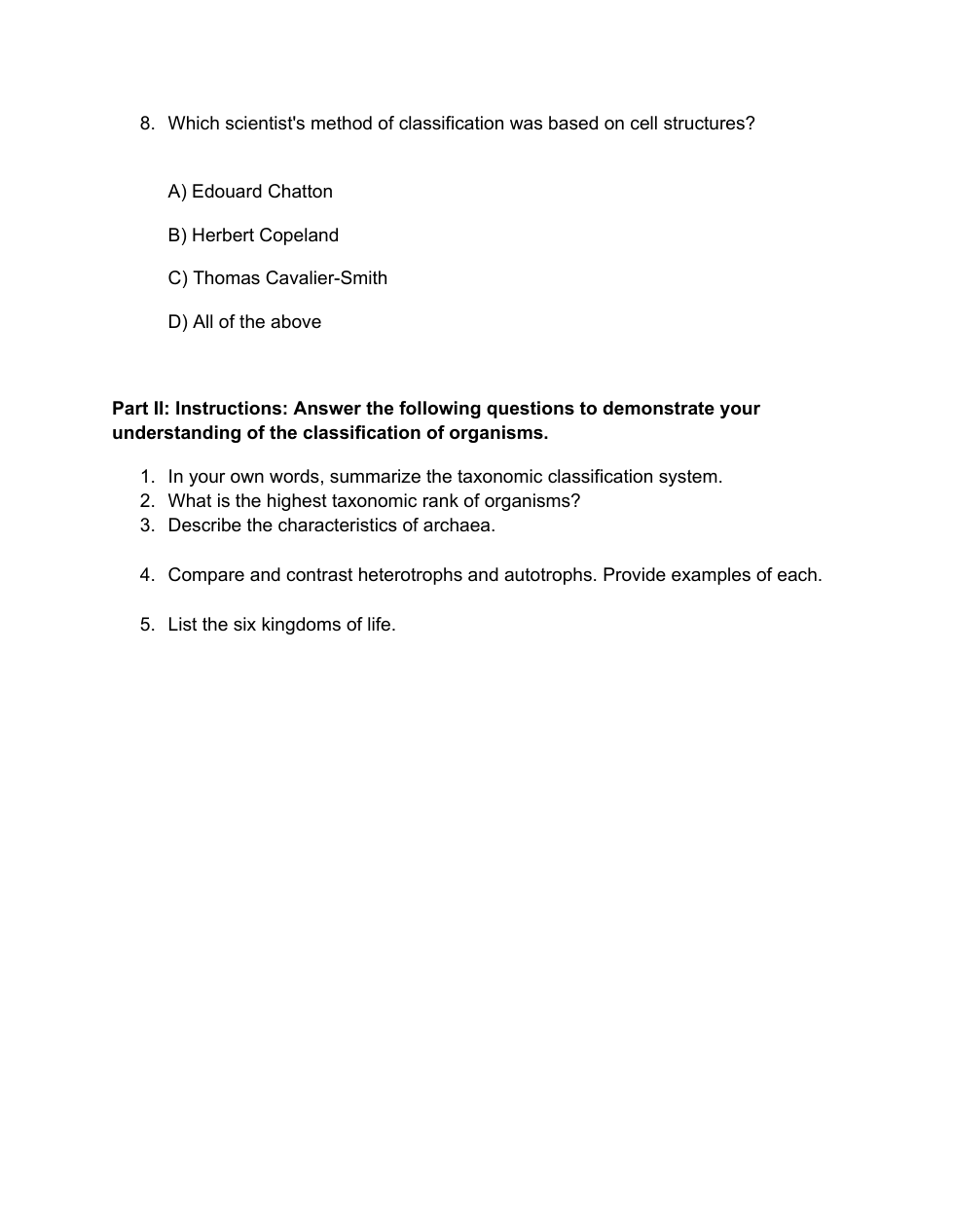
In your own words, summarize the taxonomic classification system.
What is the highest taxonomic rank of organisms?
Describe the characteristics of archaea.
Compare and contrast heterotrophs and autotrophs. Provide examples of each.
Across this group, as we move from top to bottom, elements tend to donate electrons easily to become positively charged.
What is group B called ?
State the group name for C
This group of elements readily forms negative ions with -1 charge.
Give the name for group having inert elements
Letter(s) of group(s) that contain metals only
Letter(s) of group(s) that contain nonmetals only
Letter(s) of group(s) that contain metalloids only
An element in this group is found very much present in party balloons/decorations
These elements easily form alkali solution in presence of water
Which scientist proposed a three-domain system?
Which classification method includes organisms classified as protists?
What was a key characteristic used by Linnaeus in his classification system?
What did Robert Whittaker add to the classification system?