The Colosseum
 For fun, many of us watch sport such as football, basketball, and hockey, to name a few. Currently, sports fans go to stadiums/arenas to root for their favorite team and players. Early Romans had a similar pastime. They loved to cheer for a favorite person or games. Over 16 centuries ago, it was a much different kind of competition. Roman gladiators used to battle each other with swords, and sometimes they would fight wild animals for entertainment. These fights would occur with thousands of spectators watching and cheering. All of this entertainment occurred in the Colosseum. The Colosseum is located in Rome, Italy and still stands today.
Building the Colosseum
 Romans began building the Colosseum in 70 AD, and the construction took 10 years to complete. Building the Colosseum began by digging 40 feet deep into a lakebed. Next, the workers poured concrete tunnels that would serves as the underground holding spaces. This space was used by gladiators and animals to be contained until the battle began. From there, construction went level by level until it reached 157 feet tall. After the competition, the arena could hold between fifth and eighty thousand people. At the time, this was the largest arena ever built!
Coming to the fights
 Are you bored on the weekends? If you were an early Roman, you went to the Colosseum in your free time to watch the competitions between gladiators and/or animal fights. It is estimated that over one million animals died while fighting other animals or people. Wild animals such as lions, elephants, crocodiles, and ostriches were involved in the fights. Purchasing a ticket was necessary to go to the games. Tickets to the Colosseum were made from pottery. Your ticket would determine at which gate you would enter the Colosseum. The high up in society you were, the lower your seat was in the stadium. The upper level seats in the stadium were for lower class individuals.
The Colosseum Today
 Every year, approximately four million tourist visit the Colosseum in Rome. Tours are
 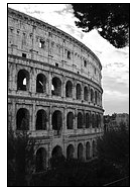 held daily, and you can actually walk through parts of the stadium. Going to see this structure is truly amazing. While on tour, you will climb the steep steps of this building. If you look down, you will be able to view where the fights took place centuries ago. Inside the arena, you can clearly see the mazy of spaces that were under the podium. Life was definitely different in Roman times compared to the way it is today.
 building made of fold and silver, street lines with pearly, and gardens blooming with exotic flowers. Atlantis was unlike any other place on Earth. Demarian places his bookmark inside his library book. He knew he was supposed to be studying but couldn't but the book down. "Ill just read a little more," he thought.
 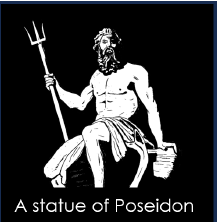 was ruled by a wise king names Poseidon. He was powerful and
  kind, loved by all who lived in the city. But one day, something unimaginable happened. The ground shook, and the water roared as a great earthquake struck Atlantis. The mighty city sand beneath the waves, disappearing from sight forever.
  other think powerful forces destroyed it. However, the truth remains unknown, waiting to be discovered by adventurous explorers. Demarian was astonished that this historical even had yet to be solved. He glanced at his science study guide lying on his desk and knew he was wasting precious time. Nevertheless, he wanted to learn more about this fascinating event. "Demarian, dinner is ready!" Mom called out. Demarian placed a bookmark inside his book and left it on his bed.
  gold and how abundance overflowed in Atlantis with its grand statues and plentiful wealth. He mentioned that the city was said to be larger than Libya and Asia combined, but mountains lined the city's exterior.
  science study guide, and opened it to the pages his teacher had told him to review. He read the vocabulary words on the page to ensure he knew each. After turning to a few pages, he felt he had a good grasp on his science and decided to call it a day.
 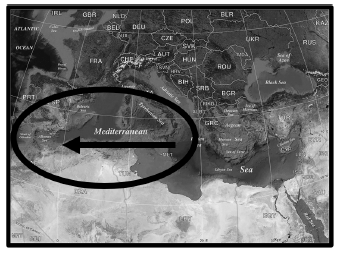 next page, and resumed reading. The book mentioned that the lost city of Atlantis is believed to be situated close to the Strait of Gibraltar on the western edge of the
  Mediterranean Sea. Nowadays, scientists use modern technology to explore the ocean's depths and search for evidence that may reveal the existence of Atlantis. They deploy submarines equipped with cameras and sensors to capture images of the unexplored world beneath the sea. As Demarian finished reading the last pages of his history book he couldn't help but feel a tinge of sadness for the unresolved mystery.