Practice MCQs
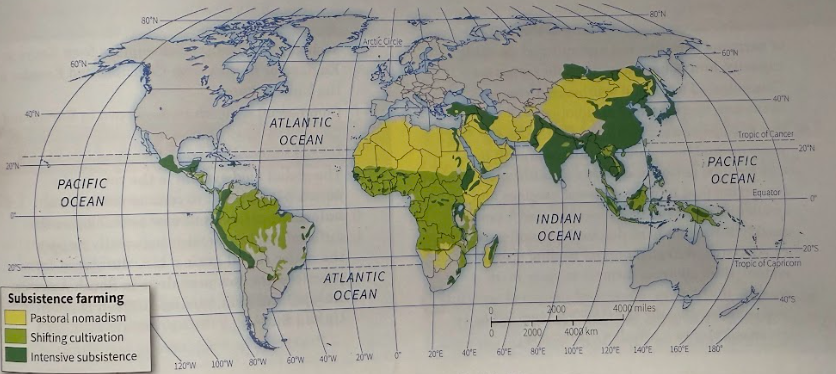
Using the map, identify the climate type for the areas designated as pastoral nomadism.
Practice MCQs
Using the map, identify the climate type for the areas designated as pastoral nomadism.
Practice MCQs
Which of the following describes the spatial distribution of subsistence farming and commercial farming?
Practice MCQs
Which of the following explains the spatial relationship between intensive and extensive commercial agricultural practices using bid-rent theory?
Practice MCQs
Which of the following describes an agribusiness?
Practice MCQs
Climate-controlled warehouses, ships, planes, trucks, and railcars describe which of the following?
Practice MCQs
Using the map, identify the climate type for the areas designated as pastoral nomadism.
AP Classroom
Which of the following best explains why farmers would plant both strawberries and watermelons in the same field?
AP Classroom
Which of the following spatial patterns is best explained by bid-rent theory?
AP Classroom
In the South Asian country of Sri Lanka, tea is farmed as a monoculture. Which of the following best explains why tea plantations are common in Sri Lanka and tea exports are important to the country's economy?
Practice FRQs
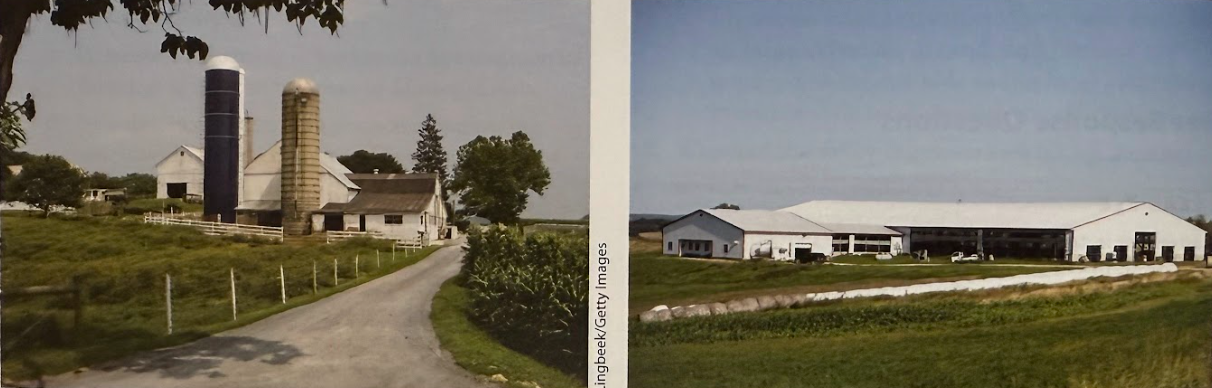
Explain a reason for the decline of small family farms in the United States.
Practice FRQs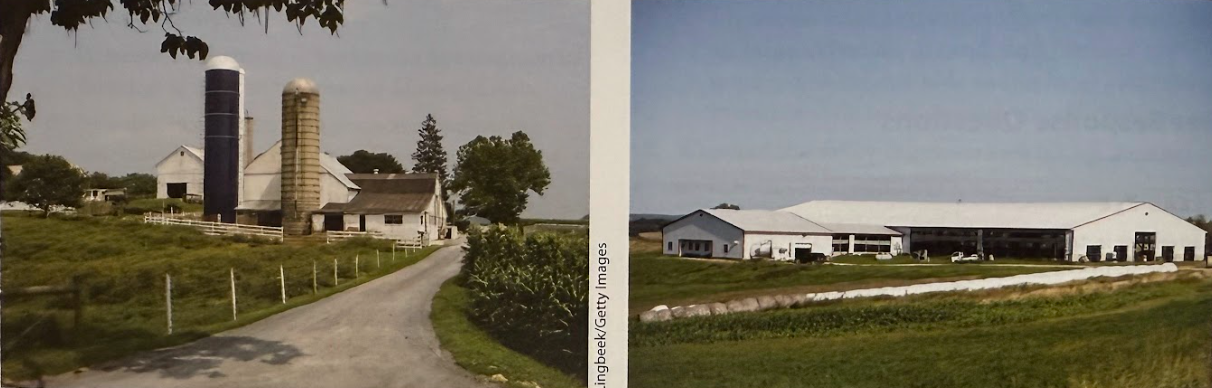
Explain how a large farm operation such as shown in image B may result in increased profits using the concept of economies of scale.