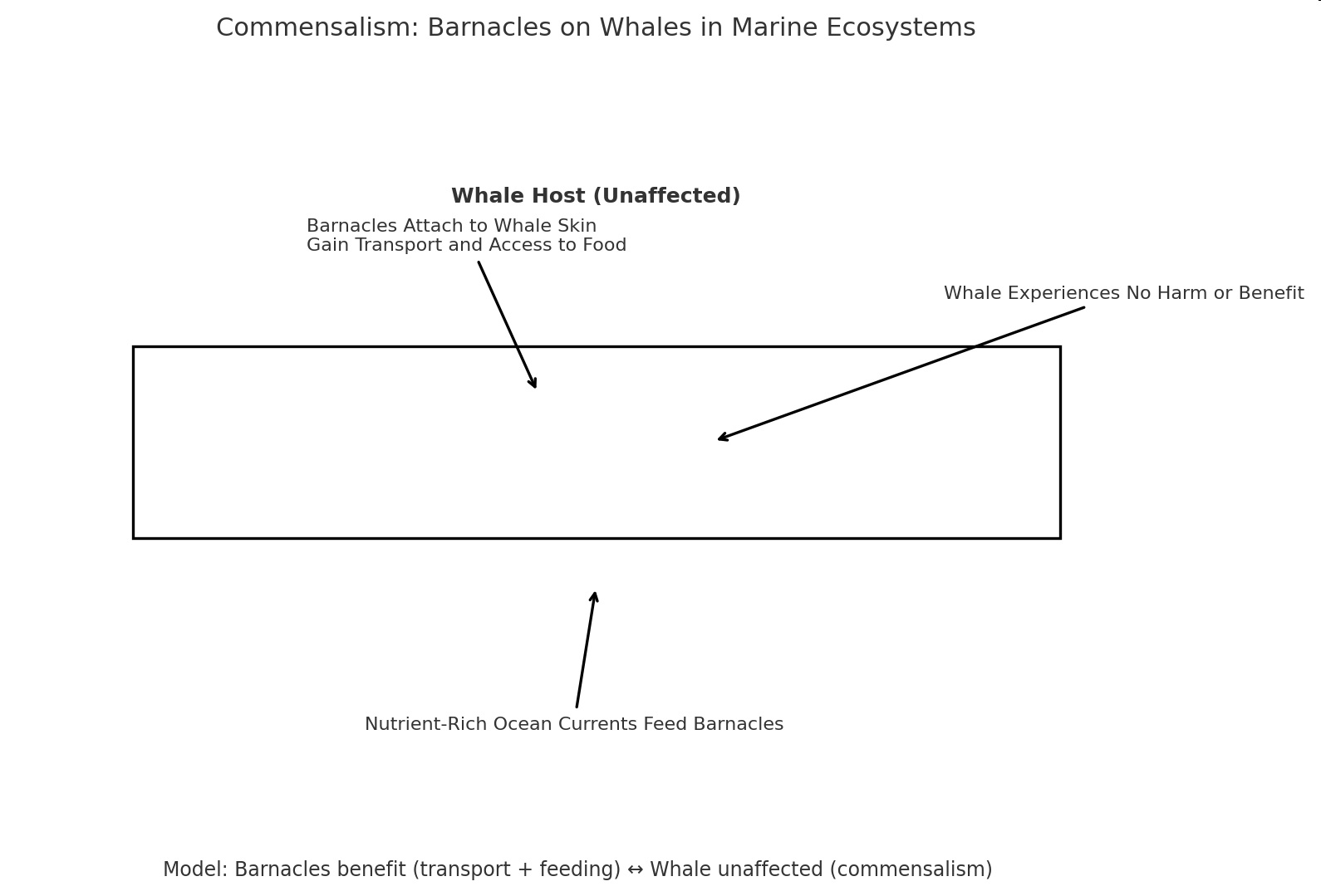
Barnacles on Whales - Commensalism in the Ocean
In marine ecosystems, organisms often live in close association with one another. Some of these relationships are cooperative, like mutualism; others are harmful, like parasitism. Commensalism falls between the two - one species benefits while the other experiences no significant effect.
A classic example occurs between whales and barnacles. Barnacles are small crustaceans related to crabs and lobsters. As larvae, they drift freely in ocean currents until they find a solid surface to attach to - often the tough skin of a whale. Once attached, barnacles secrete a cement-like substance that permanently glues them in place. They form hard shells and extend tiny feathery limbs called cirri to filter microscopic plankton from the surrounding water.
By hitching a ride on a whale, barnacles gain access to nutrient-rich waters in different parts of the ocean. Whales migrate across vast distances - from cold feeding grounds to warm breeding areas - carrying the barnacles with them. This gives barnacles a mobile platform for feeding, far more effective than staying on a stationary rock or reef.
For the whale, the barnacles are mostly harmless. Their weight and drag are minimal, and they don’t pierce or feed on whale tissue. Occasionally, a heavy load of barnacles might cause minor drag or irritation, but the overall impact is negligible. This makes the relationship commensal, rather than parasitic or mutualistic.
Marine biologists study this relationship to understand how organisms use symbiosis to survive in extreme or variable environments. Barnacles that ride whales belong to a specific group called coronulid barnacles, which have evolved structures that perfectly fit whale skin patterns. This adaptation shows how commensal species can become highly specialized for their hosts without harming them.
Commensalism occurs in many ecosystems - remora fish that cling to sharks, orchids growing on trees, or burrowing owls using abandoned prairie dog tunnels. Each example demonstrates how living things find creative ways to survive by using available resources without disrupting their host’s life processes.
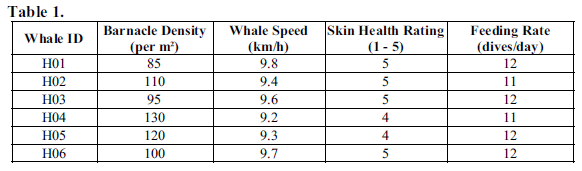
Graph of Information - Figure 1.
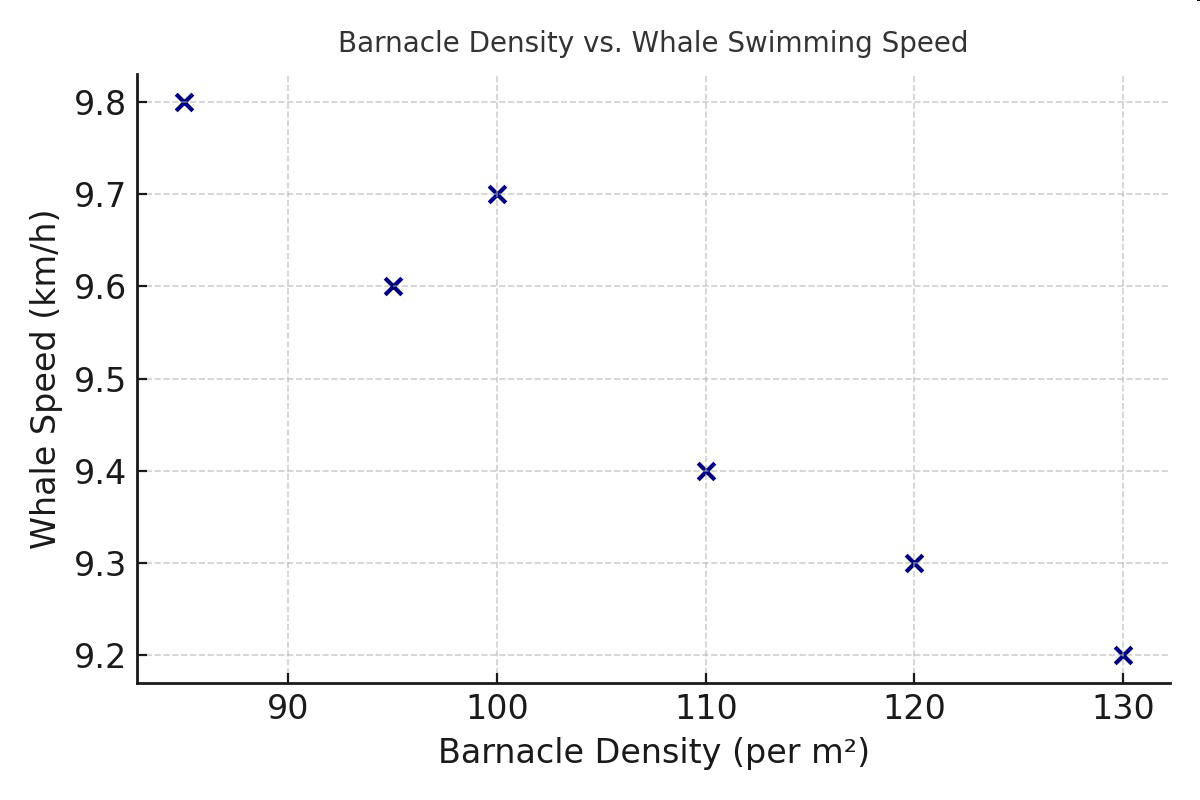
Graph of Information - Figure 2.
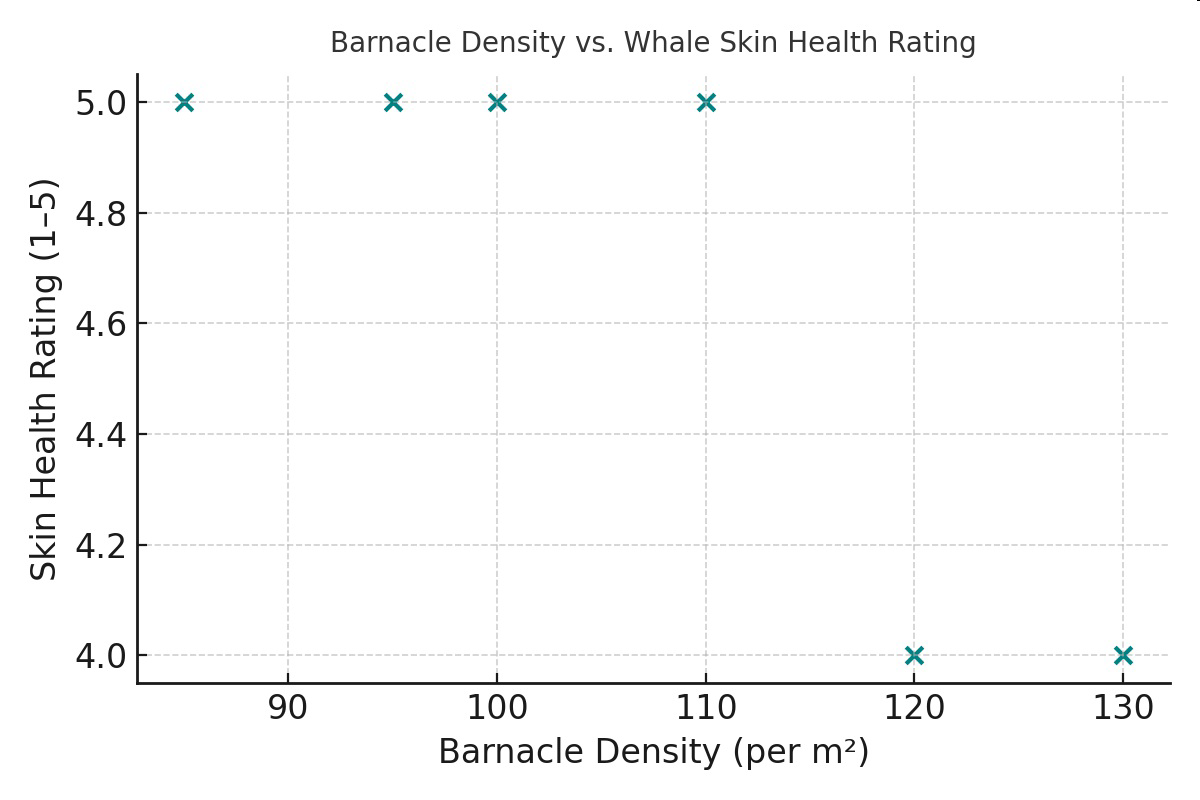
Figure 3.