Comparative Anatomy of Birds and Dinosaurs
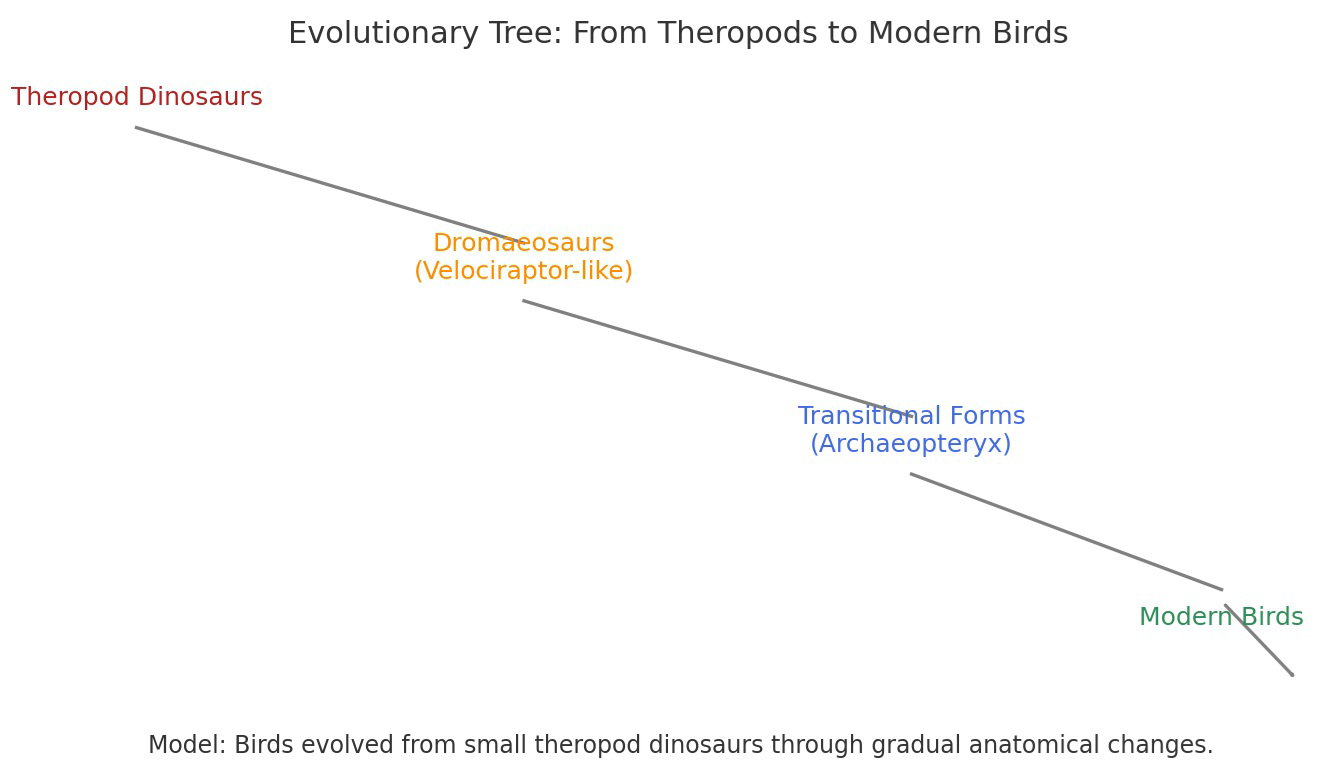
Modern birds are the only surviving branch of dinosaurs - specifically, theropod dinosaurs, a group that includes predators like Velociraptor and Tyrannosaurus rex. Evidence for this connection comes from both fossil anatomy and modern biology.
The first major clue appeared in 1861, when the fossil Archaeopteryx was discovered in Germany. It had feathers like a bird, but also teeth, claws, and a long bony tail like a reptile. Comparing its bones with those of small theropods shows striking similarities - including the furcula (wishbone), hollow limb bones, and three forward-pointing toes.
Modern imaging techniques, like CT scans, reveal even more evidence. The structure of the pelvis, shoulder joint, and skull in birds closely matches that of dromaeosaurid dinosaurs, including species like Velociraptor and Deinonychus. Even microscopic examination of feather fossils shows that the keratin and pigment structures are nearly identical to those found in modern bird feathers.
By comparing these features, scientists concluded that birds evolved from small, agile dinosaurs capable of short gliding or powered flight. Feathers may have first evolved for temperature control or display, and only later became adapted for flight. This gradual modification of structures for new functions is known as exaptation - a key evolutionary concept.
The fossil record, when combined with modern genetic studies, continues to show that evolution works by building on existing structures - never creating new ones from scratch, but modifying old parts for new purposes.
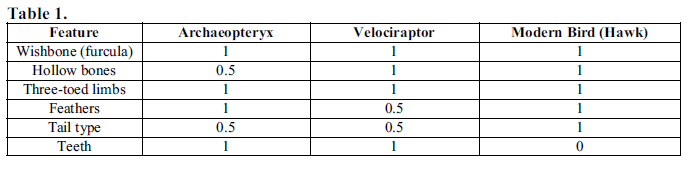
Graph of Information - Figure 1.
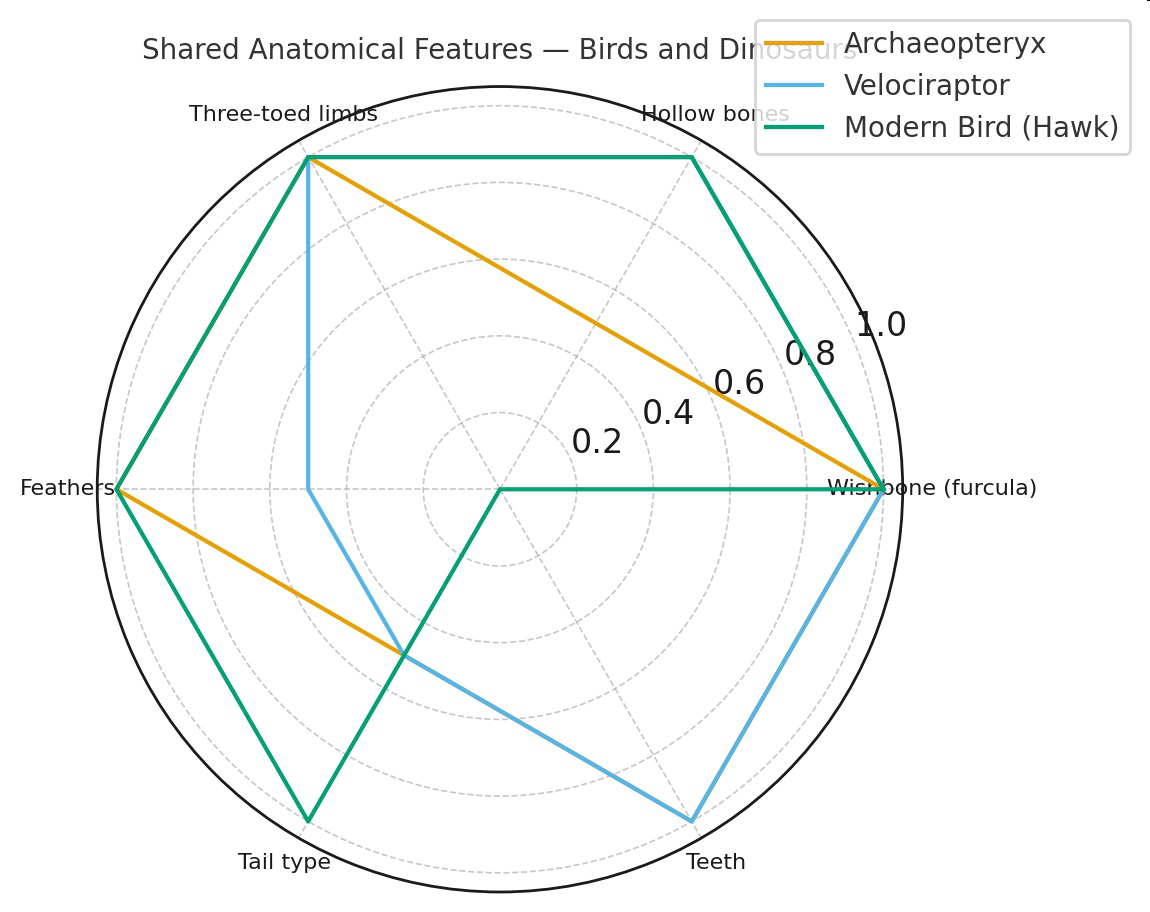
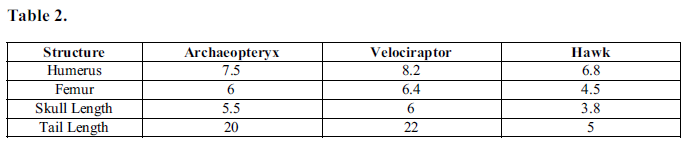
Graph of Information - Figure 2.
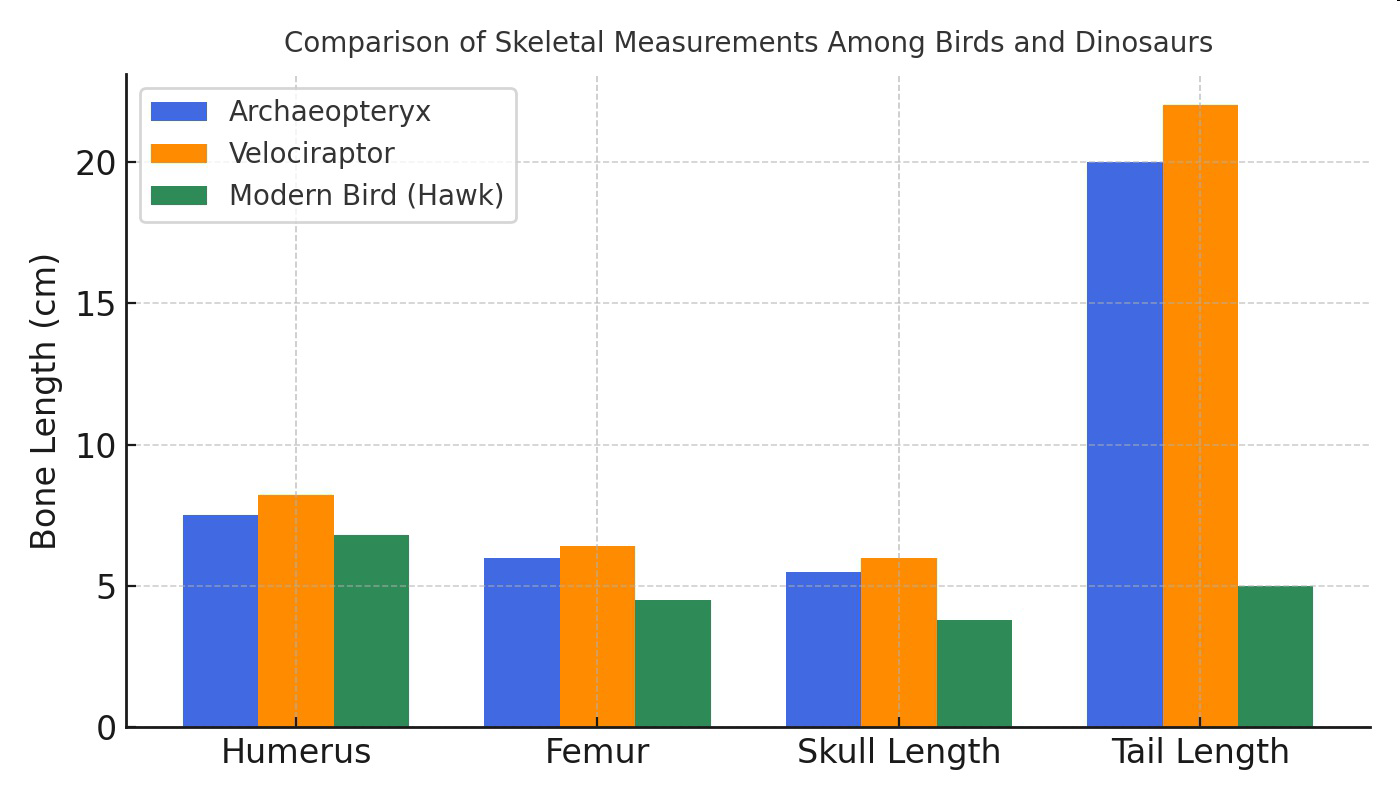
Figure 3.
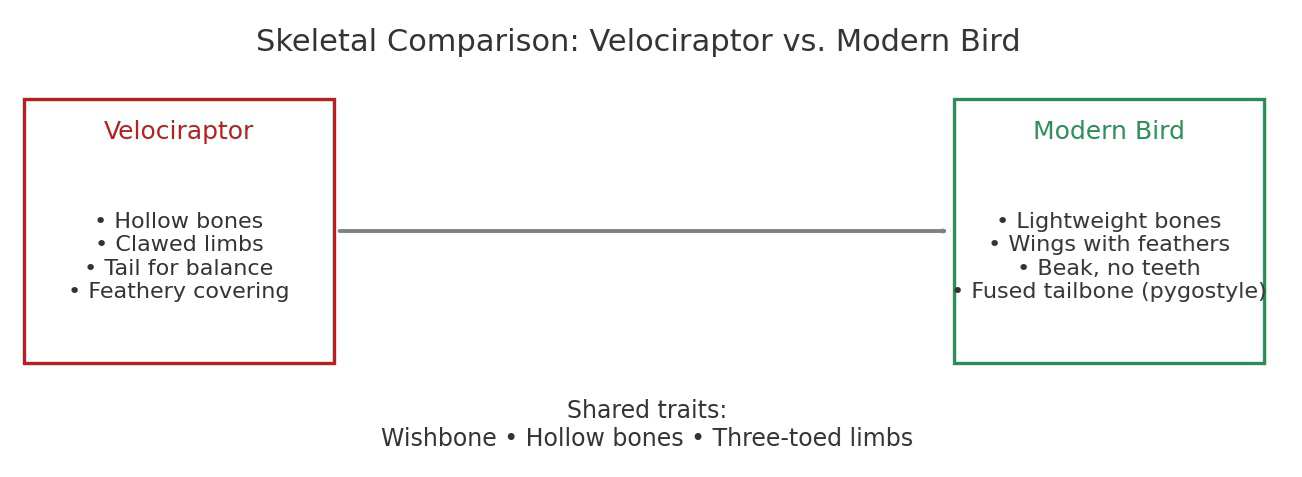
Figure 4.