The characteristics of four different types of plants are listed in the table below. Determine which environment each plant is best adapted to live in.

Mmuae Afoforo a Wobɛpaw:
Rainforest
Desert
Prairie
The characteristics of four different types of plants are listed in the table below. Determine which environment each plant is best adapted to live in.
This question has two parts. First, answer Part A. Then answer Part B.
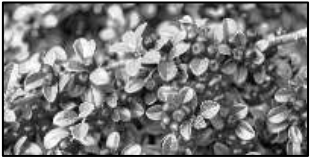
An image of a bearberry plant is shown below.
Part A
The bearberry plant is a low-growing evergreen with leathery leaves and silky hairs that provide protection from the cold and wind.
How does growing low to the ground benefit the bearberry plant?
Part B
Which statement best supports the answer to Part A?
Ducks and fish are both aquatic organisms. What structure of each organism allows them to move through water?
Which example explains the difference between complete metamorphosis and incomplete metamorphosis?
At which stage in a plant’s life cycle can it produce seeds?
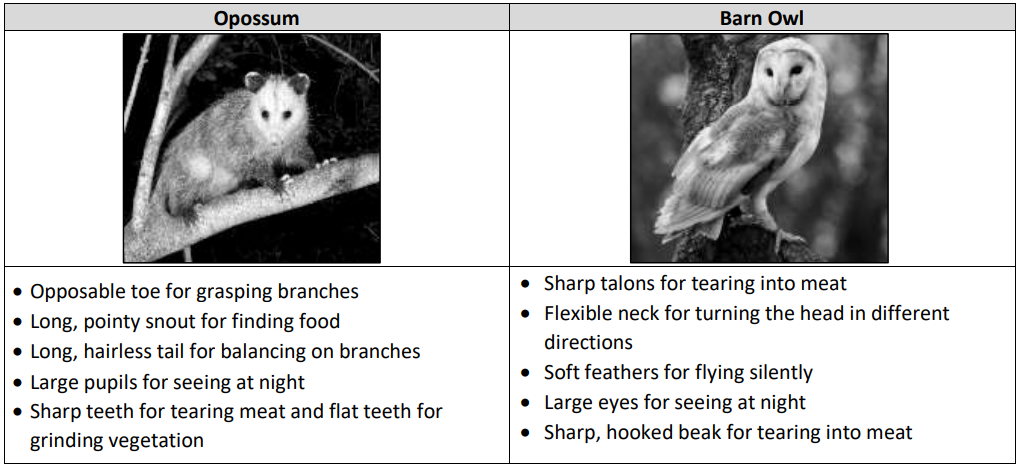
Answer the questions using the diagram.
What structure do these organisms have in common, and how does this structure benefit the organisms?
Is the barn owl more likely to be a predator or prey? Explain.
In which environment would these organisms most likely live?