Cell Specialization
In multicellular organisms, not all cells are the same. Through a process called cell differentiation, cells develop specialized shapes and features that allow them to perform specific jobs. This is called cell specialization.
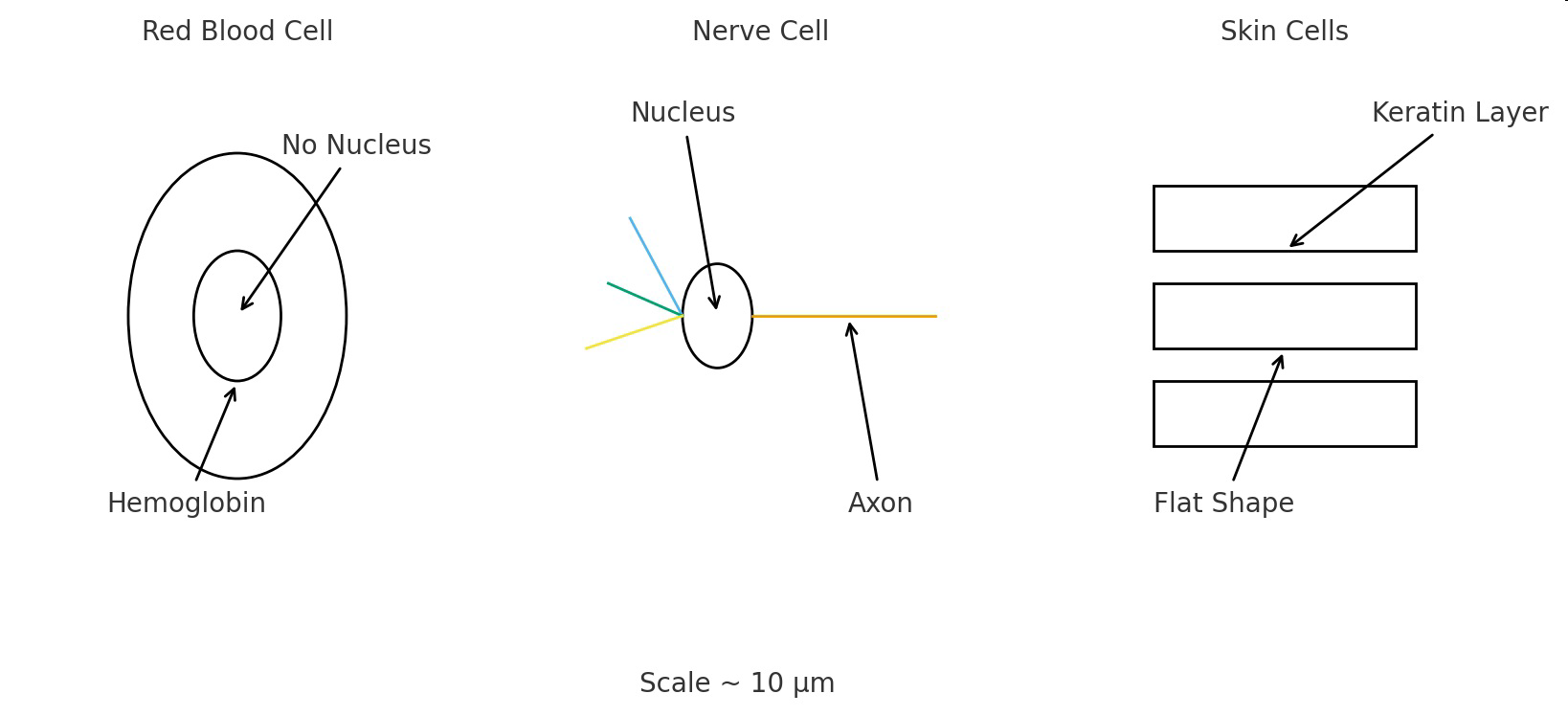
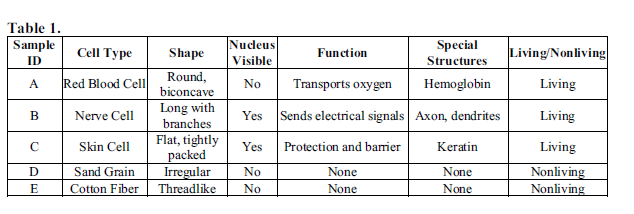
Red blood cells, for example, are small, round, and flexible. They contain a protein called hemoglobin, which binds to oxygen and transports it throughout the body. These cells have no nucleus, creating more space for oxygen. Their smooth shape helps them travel easily through blood vessels.
Nerve cells (neurons) are long and branched, designed to carry electrical signals over long distances. Their extended shape allows them to connect with other cells, forming communication networks that control movement, sensation, and thought.
Skin cells, by contrast, are flat and tightly packed, forming protective layers that prevent water loss and block pathogens. They constantly divide to replace old or damaged cells.
Although these cells look different, all of them share the same basic features of eukaryotic animal cells - a cell membrane, cytoplasm, and a nucleus containing DNA. That shared structure is evidence that every part of the human body, no matter how different, is made of cells.
Cell specialization demonstrates how the organization of cells supports the function of complex organisms. Without it, multicellular life as we know it would not be possible.
Graph of Information - Figure 1.
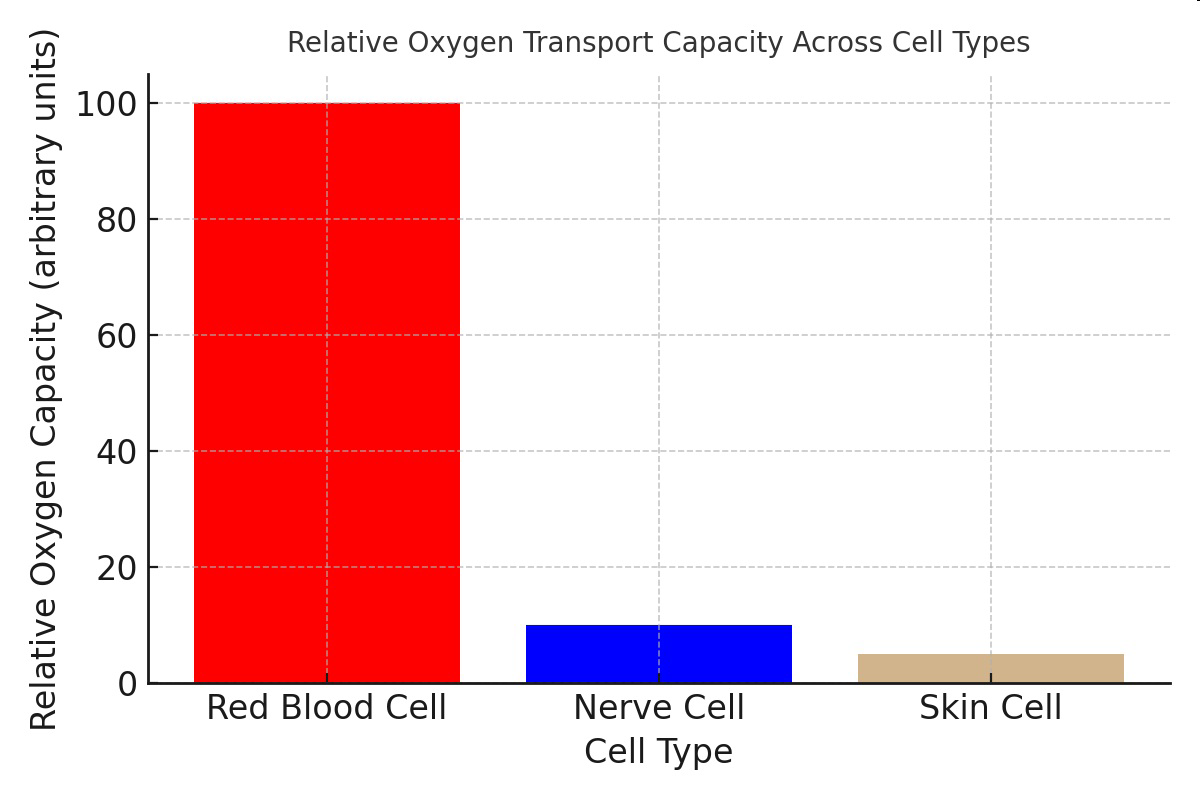
Figure 2.