Twa kɔ nsɛm atitiriw so
Log in
Sign up for FREE
arrow_back
Laabri

Week 3.3: Sorry if you're hungry

star
star
star
star
star
Last updated about 2 hours ago
33 Nsɛmmisa
Halmeoni's Cooking Show
Whats Cooking?
Working at a Job
Healthy Eating, Healthy Planet

Click submit when finished with all questions and check your answers. You may not be able to make corrections at this time.

1
1
1
1
1
1
1
1

A Look at What People Eat Around the World

Ecuador South America


The Aymes

The Aymes live in Tingo, Ecuador, a village in the Andes Mountains. They are mainly farmers who grow wheat and vegetables. They also raise sheep, which they sell for food.

  • Main diet: potatoes, lentils, rice, wheat, milk, plantains (banana-like fruits), carrots, red onions, leeks, lettuce, stinging nettle tea, water

  • Estimated cost of food for one week: $31.55

  • Fast fact: The Aymes have to hike 3 miles downhill to reach the nearest market.

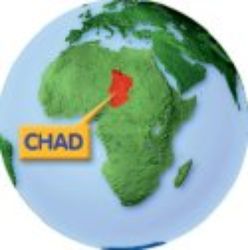
Chad Africa

Illustrations by Leigh Haeger

The Aboubakars

Violence in Sudan forced the Aboubakars to flee their home. In 2007, they lived in a refugee camp in Chad. All of the family’s food was supplied by the United Nations and the World Food Program.

  • Main diet: grains, beans, dried vegetables, water

  • Estimated cost of food for one week: $1.23

  • Fast fact: The Aboubakars rarely eat meat. They typically eat goat on special occasions, such as religious holidays.

Kuwait Asia

Illustrations by Leigh Haeger

The Al Haggans

The Al Haggans live in Kuwait City, Kuwait. Most of Kuwait is a barren desert, so almost 98 percent of the country’s food is imported.

  • Main diet: Iranian bread, rice, potatoes, yogurt, chicken, hamburgers, canned corn, oranges, bananas, potato chips, candy bars, bottled water, apple and mango juice, tea

  • Estimated cost of food for one week: $221.45

  • Fast fact: The Al Haggans have an elevator in their house.

Bhutan Asia

Illustrations by Leigh Haeger

Namgay and Nalim

Namgay and Nalim live in Bhutan with their family. They grow vegetables and raise cows and pigs.

  • Main diet: red rice, red potatoes, barley, milk, cheese, fish, oranges, bananas, radishes, spinach, carrots, green chilies, butter tea (butter, tea leaves, and milky water), water

  • Estimated cost of food for one week: $5.03

  • Fast fact: The family eats chili peppers at almost every meal.

1
1
1
1
1
1
1
1
1
1
1
1
1
1
1
1
1
1
1
1
1
1
1
1
1

Halmeoni's Cooking Show

When my mom announced that we were going to Halmeoni and Harabeoji’s house for spring break, I wasn’t thrilled. My grandparents live in Los Angeles, California—a long way away from us. Sometimes they’d visit us in Maryland, but we hadn’t seen them in person for two years. Now I was afraid I wouldn’t know what to say to them—and I knew that Umma would tell me it was rude to hide behind my iPad. So I was really nervous about this visit.

During our first day there, I felt shy and mostly tagged along behind Umma, who seemed crazy excited to be back in her childhood home. She and my grandparents jabbered away, while I tried to keep up in spite of our language differences. My grandparents speak a lot of Korean, and sometimes forget that I don’t. Umma kept speaking in English to remind them that I need translation.

But it actually felt nice to be there, and my mom was so happy! She pulled out photo albums with pictures from when she and her brothers were little, and even some old black and white photos of Halmeoni and Harabeoji in Korea long ago. It was amazing to see their houses back then! The rooms were built around a small courtyard with benches and big stone jars with lids. “That’s how they stored sauces, or jang, for cooking in the days before they had refrigerators,” my mom explained.

By the second day, I felt more comfortable and began asking questions. What was life like in Korea? “Every meal was a feast!” my Halmeoni (grandmother) said. “We had heaping plates of bulgogi—thin strips of marinated grilled beef, and naengmyun—a cold noodle soup. We also ate rich, delicious stews made with tofu and seafood, and so many kinds of banchan—side dishes with crunchy kimchi and vegetables.” She smiled, thinking of all the tastes, and said, “Yummmmm.”

“It’s so much better than my cooking,” my mom said, as she wrapped bulgogi in lettuce and put it on my plate.

“I know, Umma!” I laughed. “I mean, your cooking is good, but why don’t you get the recipes from Halmeoni?”

“Yes, Jinny,” Harabeoji answered. “We want you to be able to enjoy Korean food at home, too. Why don’t you let Halmeoni teach you and your Umma how to make some of your favorite dishes!”

That gave me an idea. I got out my tablet and asked Halmeoni if I could shoot a video of her making food—like a cooking show. She agreed!

The next day, I filmed Halmeoni at the grocery store explaining the ingredients she was buying, like the special potato starch noodles used to make japchae, a stir-fried noodle dish with thin strips of vegetables, egg, and meat.

When we got home, I set up my tablet on a tripod for more filming. As my grandma boiled noodles and chopped vegetables, I noticed that she wasn’t following a recipe.

“Halmeoni,” I asked, “how are we supposed to know how much to use of anything—like soy sauce?”

“Ganjang, you mean?” she replied. “Ha! The secret is to pay attention to how something tastes when you try it. Adding the right seasoning a little at a time is called hand taste,” said Halmeoni as she mixed the noodles and the vegetables together. “We know when it’s right, because these recipes are part of our Korean soul.”

As she mixed, Grandma started telling stories about how she learned to cook with her own Umma and Halmeoni, and her aunts and sisters. “We were always in the kitchen! In Korea, many generations live together, eating the same kind of meal three times a day, with many small dishes, so there’s always lots of cooking and cleaning! But it’s so much more fun when you are laughing and talking, like this,” she said.

“Here, try this.” Halmeoni let me taste a bit of the japchae. “See, if it’s not salty enough, you add a bit more,” she said. “But only by doing it again and again can you learn how to make it. Sometimes it might not come out exactly perfect, but you’ll get used to it!”

Within a couple of days, I had shot and edited three episodes of a show in which Halmeoni and Umma chatted about life in Korea while they cooked. I stayed up late each night, adding music and titles to the footage. Later, when we watched the episodes together, everybody loved it!

But as Harabeoji stirred his seaweed soup the next day at breakfast, he peered at me over his glasses. “Jinny-ah, is it enough that you are filming this?” he asked. “I think it’s time to show us what you have learned!”

Before lunchtime, Harabeoji announced that it was my turn to be on camera, and that he was going to film this episode. Halmeoni laughed as she guided me, helping me find the right ingredients to make one of the easiest dishes (and one of my favorites! )—kimchi fried rice. I chopped kimchi and scallions, and listened to the sizzle of the frying pan as I mixed in the rice and gochujang, or red pepper sauce.

“That smells delicious, Jinny!” Halmeoni encouraged me as I added rice to the pan.

“Now for my favorite touch!” I announced, as I cracked an egg into another pan. I slowly added it to the stir-fried kimchi and rice before I served it.

“Yah! It’s a wrap!” exclaimed Harabeoji, turning off his camera. “Let’s eat!”

We all sat down to a delicious meal… maybe even tastier because I made it myself.

“I can’t wait to watch this episode,” said Harabeoji. “It’s your first Jinny cooking show,” he said.

“And yours, and Halmeoni’s, too!” I called out—and everyone laughed.

Asemmisa {{asɛmmisaAhyɛnsode}}
1.

Where is Jinny going for spring break?

Asemmisa {{asɛmmisaAhyɛnsode}}
2.

What problem does Jinny face when she first sees her grandparents?

Asemmisa {{asɛmmisaAhyɛnsode}}
3.

Read the following sentences from the text.

“She pulled out photo albums with pictures from when she and her brothers were little, and even some old black and white photos of Halmeoni and Harabeoji in Korea long ago. It was amazing to see their houses back then! The rooms were built around a small courtyard with benches and big stone jars with lids…

What was life like in Korea? ‘Every meal was a feast!’ my Halmeoni (grandmother) said. ‘We had heaping plates of bulgogi—thin strips of marinated grilled beef, and naengmyun—a cold noodle soup. We also ate rich, delicious stews made with tofu and seafood, and so many kinds of banchan—side dishes with crunchy kimchi and vegetables.’”

What can you conclude about what Jinny is learning from her grandparents?

Asemmisa {{asɛmmisaAhyɛnsode}}
4.

What is the best way to describe Halmeoni’s approach to cooking?

Asemmisa {{asɛmmisaAhyɛnsode}}
5.

What is one main theme of this text?

Asemmisa {{asɛmmisaAhyɛnsode}}
6.

Read the following sentences from the text.

“Before lunchtime, Harabeoji announced that it was my turn to be on camera, and that he was going to film this episode. Halmeoni laughed as she guided me, helping me find the right ingredients to make one of the easiest dishes (and one of my favorites!)—kimchi fried rice. I chopped kimchi and scallions, and listened to the sizzle of the frying pan as I mixed in the rice and gochujang, or red pepper sauce.

‘That smells delicious, Jinny!’ Halmeoni encouraged me as I added rice to the pan.”

What does the word encouraged most closely mean as it’s used in this sentence?

Asemmisa {{asɛmmisaAhyɛnsode}}
7.

Choose the word that best completes the following sentence.

Jinny’s grandmother talks about her life back in Korea _____ Jinny is filming her for the cooking show.

Asemmisa {{asɛmmisaAhyɛnsode}}
8.

What lesson did Halmeoni emphasize about cooking?

Asemmisa {{asɛmmisaAhyɛnsode}}
9.

Considering that rice is a type of grain, of the families listed, the number of them that include grains in the diet is

Asemmisa {{asɛmmisaAhyɛnsode}}
10.

The only country where tea is not mentioned as a beverage is

Asemmisa {{asɛmmisaAhyɛnsode}}
11.

In order of lowest to highest cost for a week’s food, the countries of residence should be listed as follows:

Asemmisa {{asɛmmisaAhyɛnsode}}
12.

The following people rely on imported food for their diet:

Asemmisa {{asɛmmisaAhyɛnsode}}
13.

What is the main diet of the Aymes family?

Asemmisa {{asɛmmisaAhyɛnsode}}
14.

Where do the Aboubakars get their food supplies?

Asemmisa {{asɛmmisaAhyɛnsode}}
15.

What type of environment do the Al Haggans live in?

Asemmisa {{asɛmmisaAhyɛnsode}}
16.

What vegetable do Namgay and Nalim eat often?

Working at a Job

It wasn't the candy he wanted. It was the skateboard. Tommy had been staring at it for weeks, every day on his way home from school, admiring it through the window of the skate shop on Market Street. It was a longboard—a serious skateboard, not meant for tricks or speed, but for long rides down hills, on busy roads, or all the way across town. This was a skateboard that could change Tommy's life forever. No longer would his parents have to pick him up after school, or at the movies or the mall. The longboard would be able to take him home.

It was ocean blue, with chrome wheels and an elaborate drawing of a rocket ship on the underside. Each time he pressed his face against the glass of the skate shop, he felt himself fall into that picture, and his dreams of riding the longboard became mixed up with dreams of interstellar travel. He wasn't just going to the mall. He was going to Mars, to Alpha Centauri, to anywhere in the galaxy he felt like. He was going to conquer the stars.

Or he would have, anyway, if his dad weren't such a cheapskate. There's something about fathers that makes it impossible for them to understand skateboards.

"Dad," Tommy said. "It's the world's finest skateboard. It could change my life forever."

"That's great," said Dad. "I'm all for kids having hobbies. But that's an expensive little toy, and—"

"It's not a toy!" Tommy felt himself about to lose his temper. If he shouted, he knew he would never come close to owning his board. He collected himself. "It's a whole new way of life. When you were my age, what was the thing you wanted more than anything else? The thing you dreamed about? The thing you promised yourself you would get, no matter what?"

"A Black Shadow."

"A what?"

"A Vincent Black Shadow—the world's finest motorcycle. A more beautiful piece of machinery has never been designed."

"So yeah, this board is like the Vincent Black Shadow for the 21st Century. So you see why I have to have it."

"You know what my dad told me when I asked for a Black Shadow?"

"What?"

"Nothing. I didn't ask him, because I knew he'd think it was nothing more than an expensive toy. I went out, got a job, and started saving."

"Man," said Tommy. "I was afraid you'd say something like that."

"Dads are the worst, aren't they?"

***

Tommy walked up and down Market Street looking for someplace to work. The pizzeria wasn't hiring. The coffee shop said he was too young. The comic book store said he didn't have enough experience.

"But how can I get experience," Tommy asked, "if nobody will give me a job?!" The comic book clerk didn't answer. Tommy composed himself, said thank you, and left.

The only store with a "HELP WANTED" sign was the one he had been dreading most: Orson's Confectionaries. The candy store.

Whoever thinks that all kids love candy stores has never been to Orson's. It had been in the town since the dawn of time, and hadn't been updated much since. A dark, winding dungeon of a store, its shelves were filled with jars of weird, sticky gums and sucking candies so hard they could crack your teeth. Over all of it stood Mr. Orson, a hard-eyed skeleton of a man whose long grey hair and baggy clothes made him look like an out-of-work wizard.

Tommy didn't know how the confectionary stayed in business. He'd never seen a kid go in or out, and he'd never heard anyone talk about buying something there. How could that store turn a profit? And why would a store with no customers need an extra employee? Tommy didn't want to find out, but the skateboard demanded he try. He pushed on the creaky old door, sucked in his breath, and plunged in.

"How may I help you?" said Mr. Orson. He sounded like a snake with a cold.

"I, uh, uh…I—"

"You're looking for sweets?"

"No, well, uh—"

"Some raspberry rope, perhaps?"

"No thank you. Actually, I—"

"A chocolate lover, are we? Perhaps you'd prefer a chunk of Carlsberg Chew? It's the finest dark chocolate made in Germany. It has real hazelnuts inside!"

"That sounds good, but actually—"

"I see," said Mr. Orson, and his eyes went wide. His mouth crinkled up like a dead leaf, and Tommy got the impression that he was either about to scream at him, or sneeze. "I understand completely now."

"Understand what?"

"You are a boy…with a sour tooth." He reached behind him, to the highest shelf on a rickety bookcase, and presented Tommy with a star-shaped, tiny yellow candy. "Try this. A Sunburst Express—a sour candy of my own design."

"Yeah?"

"Free of charge."

Tommy licked his lips. If there was one thing in life he loved more than skateboarding, it was sour candy. The grosser the better, he thought. A candy wasn't any good unless it made you squeeze your face together, shut your eyes, and want to cry. That's how you knew it was nice and sour.

"It's pretty sour?"

"It will make your tongue turn inside out."

Tommy reached for the candy and popped it into his mouth. At first, he tasted nothing. But then, as he began to chew, it was like an oil tanker had spilled in his throat. His gums were on fire. His tonsils were tap-dancing. And his tongue…his tongue felt like it was about to turn itself inside out!

"Oh my goodness!" he gasped. "This is the best candy I ever tasted."

"Why thank you," said Mr. Orson. "Have a sip of Fizzberry Soda. It will ease the sensation. Now, you're looking for a job?"

"How did you know?"

"I could just tell. Desperate for a new toy, are you?"

"It's not a toy! It's…well, yes. That's right."

"The Sunburst was a test. I don't want anyone working here who doesn't love sour sweets."

"I love ’em more than anything!" Tommy remembered the skateboard. "Well, practically anything."

"Good," said Mr. Orson, as he handed Tommy an apron. "Then you'll be getting your new toy very soon indeed."

Asemmisa {{asɛmmisaAhyɛnsode}}
17.

What does Tommy think could change his life forever?

Asemmisa {{asɛmmisaAhyɛnsode}}
18.

A problem in this story is that Tommy wants a skateboard but does not have the money to buy one. How does he try to solve this problem?

Asemmisa {{asɛmmisaAhyɛnsode}}
19.

Tommy stares at the skateboard through the window of the skate shop for weeks. After his dad refuses to buy the skateboard for him, Tommy gets a job so that he can buy it himself.

What can be concluded from this information?

Asemmisa {{asɛmmisaAhyɛnsode}}
20.

What do Tommy and his dad have in common?

Asemmisa {{asɛmmisaAhyɛnsode}}
21.

What is a theme of this story?

Asemmisa {{asɛmmisaAhyɛnsode}}
22.

Read the following sentences:

“How could that store turn a profit? And why would a store with no customers need an extra employee? Tommy didn't want to find out, but the skateboard demanded he try.”

What does the phrase “the skateboard demanded he try” mean?

Asemmisa {{asɛmmisaAhyɛnsode}}
23.

Choose the answer that best completes the sentence below.

Tommy wants a skateboard; _______, he wants a longboard.

Asemmisa {{asɛmmisaAhyɛnsode}}
24.

What kind of candy does Tommy love?

Asemmisa {{asɛmmisaAhyɛnsode}}
25.

Why does Tommy feel nervous in the candy store?

Healthy Eating, Healthy Planet

BEING HUMAN

Humans are unlike any other animal on Earth. Our unique brains and bodies allow us to use the world’s resources in ways no other animal can. No other animal can claim it’s been to the bottom of the deepest ocean, to the top of the tallest mountain, and even up and out of Earth to the moon. On a simpler level, do you know of any animal that can build a two-story, single-family brick home with an attached garage?

Or just make one of the toilets in the house?

While exercising our profound abilities (like making toilet bowls), we have fundamentally changed our planet and, in many ways, we’ve made it our planet. We’ve cut down entire forests to construct towns and cities. We’ve replaced the trees and plants with buildings, and paved over the forest floor with roads. These activities help us live, but they also create pollution that affects the air we breathe and the water we drink.

EATING FOR A HEALTHIER PLANET

Luckily, we can reduce the impact our activities have on the planet. One such activity is growing food. Think of all the land, equipment and work that go into a potato farm, an apple orchard or a cattle operation. By eating the right foods grown in the right way, we can limit the effects our farms and ranches have on the environment and eat our way to a healthier planet!

EAT LIKE SQUIRRELS

A great way to limit your impact on the planet is to follow other animals’ way of eating. Squirrels, for instance, eat nuts found close to their tree house. Elephants eat the trees and bushes that grow around them. Killer whales eat the fish swimming with (and away!) from them. What these animals are doing is eating in-season and locally. We can do the same.

EAT IN-SEASON

Most of our favorite fruits and vegetables don’t grow year-round and have their own natural season. Modern farming techniques have changed that, and we can have almost anything any time of the year. But when this produce is grown during its natural off-season, it may not taste the same. If we eat with our foods’ natural seasons, we are eating in sync with nature.

EAT LOCALLY

Eating locally means consuming produce that is grown close to your home. It will definitely limit your choices, but it will ultimately lower the impact you and your eating habits have on the environment. An easy way to get local produce is to shop at a nearby farmer’s market.

Love to eat grapes? Well, you can eat them in-season and locally…if you moved around the world a lot to follow the seasons! Grapes are a summer fruit so during the winter, many northern American supermarkets buy them from farmers in Chile, which is more than 4,000 miles away!

GROW YOUR OWN

One of the best things you can do to be a lower-impact animal is grow your own food. It may seem like a lot of work but people and communities all over the country grow some or all of their own food. There are many benefits to growing your own food.

One benefit is just learning about where your food comes from. Most produce found in your grocery store has stickers or signs that tell you where it was grown. Let’s say you pick up a tomato and learn the tomato was grown hundreds of miles away before getting into your hand. If you grew a tomato in your backyard, school or local community garden, not only would you save a trip to the grocery store, you would save that tomato a long trip, and the planet a lot of resources.

Another benefit of growing your own food is that your food is fresher. It can take weeks for produce to get from the farm to your supermarket. By growing your own food, those weeks become just days, hours or even seconds. Now that’s fresh!

COMMUNITY

When you buy food that is grown locally, you’re also supporting your own community. The money you spend goes toward your neighbors’ jobs and businesses and keeps your community strong and unique.

HEALTHY EATING, HEALTHY PLANET

Although human activities alter the planet, there are many things we can do to limit our impact. The impact of growing and raising our food on the planet is high but by eating locally, in-season, and even growing our own food, we can make the planet a better place while eating great food!

Asemmisa {{asɛmmisaAhyɛnsode}}
26.

Why are humans unlike other animals?

Asemmisa {{asɛmmisaAhyɛnsode}}
27.

The author tries to persuade the reader of what?

Asemmisa {{asɛmmisaAhyɛnsode}}
28.

We are able to eat many foods year-round thanks to modern farming techniques. What evidence supports this conclusion?

Asemmisa {{asɛmmisaAhyɛnsode}}
29.

Read the following sentence:

“Grapes are a summer fruit so during the winter, many northern American supermarkets buy them from farmers in Chile, which is more than 4,000 miles away!”

Based on this evidence, what conclusion can be made about grapes that are bought in the winter?

Asemmisa {{asɛmmisaAhyɛnsode}}
30.

What is this passage mostly about?

Asemmisa {{asɛmmisaAhyɛnsode}}
31.

Read the following sentences:

“We’ve replaced the trees and plants with buildings, and paved over the forest floor with roads. These activities help us live, but they also create pollution that affects the air we breathe and the water we drink. Luckily, we can reduce the impact our activities have on the planet.”

What does “impact” mean as used in the passage?

Asemmisa {{asɛmmisaAhyɛnsode}}
32.

Choose the answer that best completes the sentence below.

Humans alter the planet more than any other animal; _________, we should do our best to lessen our impact and keep the planet healthy.

Asemmisa {{asɛmmisaAhyɛnsode}}
33.

What is one benefit of growing your own food?