Twa kɔ nsɛm atitiriw so
Log in
Sign up for FREE
arrow_back
Laabri

Week 3.4: Interesting Careers

star
star
star
star
star
Last updated about 2 hours ago
34 Nsɛmmisa
Radiologists
Tornado Scientists
Tuning a Piano
Fire Museum Has a New Director

Click submit when finished with all questions and check your answers. You may not be able to make corrections at this time.

1
1
1
1
1
1
1
1
1

Tornado Scientists

Tornadoes form when strong winds spin. Wind is invisible, but we can see tornadoes because the spinning wind picks up water, dust, and debris. The spinning wind forms a funnel that connects thunderstorm clouds with the ground.

When a tornado is close, watch out. They can spin over 200 miles per hour and cause a lot of damage. As they move across the land, they can easily pick up cars, trucks, and even houses, and then throw them very far. It is important to find a safe place to take shelter if a tornado gets close.

A safe place could be a basement or the lowest floor, depending on where you are. If you are in a home without a basement, try to find a first-floor closet or bathroom without windows in the middle of your house. You should curl up into a ball and cover your head and neck with your hands. Stay in a safe place until the tornado passes.

But there are some people who actually want to get close to tornadoes. They are scientists who want to learn more about tornadoes. One of the best ways to do this is to get as close as possible to these twisters. They use special equipment and instruments to measure what is happening in and around a tornado.

One special instrument these scientists use is called a tornado probe. It is about six inches tall and looks like a short, orange construction cone. Inside the tornado probe, there are sensors to measure wind speed, temperature, pressure, and direction. Some probes even have cameras, so the scientists can see and understand what it’s like to be in a tornado.

To be able to get these measurements, the scientists have to get a tornado probe near or into a tornado. Scientists will try to guess where a tornado will go next. Then they drive to that location and put down the probe. If they do not guess correctly, they pick up their probe and try another spot. If they are right, the tornado will go near or even right over the probe. Then they take all of the measurements from the probe and use them to predict where future tornadoes may form and travel.

Tornadoes are extremely dangerous, and the scientists who study them up-close are bold and brave. Their work is very important and has saved lives by giving people some warning to get out of the way of a destructive tornado.

1
1
1
1
1
1
1
1
1
1
1
1
1
1
1
1
1

Fire Museum Has a New Director

Damon Campagna is the new director of the New York City Fire Museum. A museum director is the person who runs the museum.

He lives in Brooklyn. He used to work as director of the Warwick Museum of Art. He helped take photos of more than 10,000 of the museum’s artifacts.

Over the past two years, he has managed all the items and programs in the museum. He helps put all of the exhibits together and is in charge of talking to all of the people who want to come visit the museum, as well as the people who want to donate things.

He knows how to fix the streetlights outside, and how to design pictures for museum materials. He is a good record keeper, and makes sure to keep track of all of the items that are in the museum.

He is also in charge of organizing special events, and makes sure that everything in the museum is safe, and is locked up at the end of the day.

He works with everyone else at the museum to make sure things run smoothly, and welcomes people when they arrive.

He loves reading and learning new information and thinks his job is fun.

Campagna is the kind of person who will spend all day thinking of ways to make things run better, whether it’s the timing of a traffic light or how many workers Starbucks needs to run faster.

The people who work with Campagna knew that he would become director.

“Everyone went to him for help, even before he became the director,” said museum employee Pearl Ramos. “He makes it very easy to go to him for anything regarding the museum.”

Ramos added that Campagna is more involved in the museum than anyone else who has worked there. He always suggests new initiatives.

Campagna doesn’t do much outside of the museum, and spends a lot of his time off working from home.

“I haven’t been on vacation since April of 2008,” he said. “The closest thing I took to a vacation this year was a trip to Baltimore to the firefighting museum conference.”

Campagna likes adventure movies, science fiction and wrestling.

Campagna really loves history. He is from Pawtuxet, Rhode Island, which still has houses from hundreds of years ago.

“It’s amazing to have an entire community care about their history, and still throw grand parties and parades to celebrate it,” he said.

1
1
1
1
1
1
1
1

Radiologists

A radiologist is a doctor that looks at pictures of the inside of a patient’s body. These pictures help the radiologist figure out what is wrong with a patient. Have you ever broken a bone before? If you have, it was probably a radiologist who discovered that your bone was broken.

Radiologists use special machines to help them see a patient’s skeleton. This machine is called an X-Ray. An X-Ray releases waves of energy that can enter into places that light can’t. That is why an X-Ray can go through a human body. X-Rays let radiologists see all of the bones and some of the organs inside of a patient’s body.

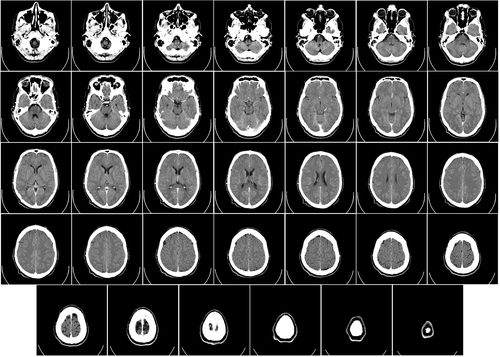
A CAT scan is another important machine used by radiologists. A CAT scan takes very detailed pictures of the organs, bones, blood vessels, tissues, and muscles inside the body. Radiologists use this machine to see if a patient has any internal injuries. CAT scans are often used after a patient has been in an accident. The CAT scan is a quick way for doctors to see if the patient is okay. For example, if a patient was bleeding inside of his body, the CAT scan would make this clear to a doctor. The doctor would then be able to treat the injury.

CAT scans of the human brain

CAT scans of the human brain

Another important machine used by radiologists is an ultrasound. The ultrasound uses sound waves to create a picture. Images created by an ultrasound are called sonograms. Sonograms are pictures of the soft tissues and organs inside of the patient’s body. Have you ever seen a picture of a baby before it’s been born? That picture was a sonogram! An ultrasound is often used by doctors to see how a baby is growing inside of its mother. These machines can help doctors see if the baby is healthy.

Asemmisa {{asɛmmisaAhyɛnsode}}
1.

What is an X-Ray machine?

Asemmisa {{asɛmmisaAhyɛnsode}}
2.

This passage lists different kinds of machines used by radiologists to take pictures of the inside of a person’s body. What are three machines radiologists use?

Asemmisa {{asɛmmisaAhyɛnsode}}
3.

According to the text, “Sonograms are pictures of the soft tissue and organs inside of the patient’s body.” What conclusion can you draw from this statement?

Asemmisa {{asɛmmisaAhyɛnsode}}
4.

Based on the text, what might affect a radiologist’s decision about which kind of machine to use to see what's wrong with an injured patient?

Asemmisa {{asɛmmisaAhyɛnsode}}
5.

What is the main idea of this passage?

Asemmisa {{asɛmmisaAhyɛnsode}}
6.

Please read the following sentences from the passage:

“A CAT scan takes very detailed pictures of the organs, bones, blood vessels, tissues, and muscles inside the body. Radiologists use this machine to see if a patient has any internal injuries.”

As used in the passage, internal probably means

Asemmisa {{asɛmmisaAhyɛnsode}}
7.

Choose the answer that best completes the sentence below.

An X-Ray lets radiologists see the bones inside a patient’s body, ________ an ultrasound lets them see the patient’s soft tissues and organs.

Asemmisa {{asɛmmisaAhyɛnsode}}
8.

Why is a CAT scan used after an accident?

Asemmisa {{asɛmmisaAhyɛnsode}}
9.

How does an ultrasound work?

Asemmisa {{asɛmmisaAhyɛnsode}}
10.

What is a tornado?

Asemmisa {{asɛmmisaAhyɛnsode}}
11.

What sequence of events is described in the passage?

Asemmisa {{asɛmmisaAhyɛnsode}}
12.

Tornadoes are dangerous.

What evidence from the passage supports this statement?

Asemmisa {{asɛmmisaAhyɛnsode}}
13.

What can information about one tornado tell scientists?

Asemmisa {{asɛmmisaAhyɛnsode}}
14.

What is this passage mainly about?

Asemmisa {{asɛmmisaAhyɛnsode}}
15.

Read the following sentences:

“Inside the tornado probe, there are sensors to measure wind speed, temperature, pressure, and direction. Some probes even have cameras, so the scientists can see and understand what it’s like to be in a tornado.”

What does the word probe mean?

Asemmisa {{asɛmmisaAhyɛnsode}}
16.

Choose the answer that best completes the sentence below.

Most people take shelter during a tornado; ______, some scientists try to get close to tornadoes.

Asemmisa {{asɛmmisaAhyɛnsode}}
17.

Why is studying tornadoes important?

Tuning a Piano

Strange noises come from the apartment above an unused barn at Caramoor, a music venue and garden facility one hour north of New York City. Inside the apartment, Russell Gordon stands over a Steinway piano. He’s hitting keys methodically, listening, and making adjustments. No one, however, would call what he’s doing playing the piano. Not exactly; he isn’t making music. He’s making sure other people can.

Gordon is a piano tuner. He started tuning pianos over 40 years ago. He worked as a biochemist for years before he realized his father’s job as a piano tuner wasn’t a bad gig. “I realized that it wasn’t so bad. The Mark Twain line is ‘The older I got, the more my father knew.’ So I came back and apprenticed with him.”

Gordon opened his own piano tuning business in Washington, D.C. His father used to tune the pianos at Caramoor. Gordon came back to the New York area when his father retired. Gordon’s been tuning the pianos at Caramoor for more than 25 years.

Standing over the piano, Gordon has a view into its inner workings. The outer black part of the piano is called the case. Inside, the strings run through a harp, or plate. Near the playing end of the piano, the strings are threaded around tuning pins. The pins are nailed into the pin board, a part of the piano that is not visible. Underneath the strings is a sounding board.

The action of striking a key causes a hammer to hit the appropriate strings. “There is no such thing as a perfect piano,” Gordon says, as he laughs. Tuning the piano, explains Gordon, is a process of trying to “equalize all the errors so the piano sounds good.” Some of the pianos at Caramoor are left outdoors where there are no humidity controls. Gordon says those pianos are harder to tune. “It’s a challenge, to say the least,” he says.

“Before the advent of iPods, this was all done by ear. The piano tuner would use a tuning fork to set your ‘A’,” explains Gordon. “Nowadays we have computers.” Gordon uses a program created by a company called Reyburn CyberTuner. Explains Gordon, “It measures the piano, and then you can set it up to determine how you want the piano tuned. It doesn’t get tired, and it has memory.”

The technology doesn’t turn just anyone into a technician. Only trained tuners can use it. But it is a time-saver. That’s helpful when it comes to concerts at Caramoor. Sometimes Gordon gets only a half an hour to tune the piano between rehearsal and the performance. “I don’t have time to sit down and start tuning the piano. But what I can do is go to the memory, and if something’s changed I can put it back to where it was.”

To tune the piano, Gordon uses a wrench called a tuning hammer. Gordon’s tuning hammer is carbon fiber, custom-made by a company called Fujan. Gordon lifts and places the hammer 250 times in one tuning, so the weight makes a difference. The carbon fiber design also reduces flex. This gives Gordon more control over the tuning.

Piano tuning is part art and part science. You’re trying to get the arrangement of fourths, fifths, sixths, thirds—all musical intervals—so that when you play them, they waver at the right speeds. Gordon listens to intervals when he’s tuning. Turning the pin adjusts the tension on the string, which, in turn, adjusts the pitch. “The real skill is in making it stay there,” says Gordon. There’s a lot of tension and friction in the strings and their surroundings. “The challenge is to leave the tuning pin in a position so that when someone hits the piano really hard, they’re not gonna knock it out of tune.” Gordon says the goal is to keep the piano stable and give the musician control over the instrument.

At the same time, Gordon says he never knows quite what he’s doing when he pulls the tuning hammer. Much of the work is done by feel. “It’s automatic and based on the feedback I get from the piano, the note, the ear,” he says. He attaches the hammer to the top of the tuning pin, sounds the note, listens and makes an adjustment with the hammer. He makes short, swift adjustments and always tests the note repeatedly. He places foam mutes inside the piano to isolate individual strings.

Watching him at work, one would think Gordon is an expert pianist. But he doesn’t play! “Everybody assumes I do, but I was the stubborn kid who didn’t want to practice. My mother said, ‘You’ll be sorry.’ She was right!”
Asemmisa {{asɛmmisaAhyɛnsode}}
18.

What is Russell Gordon’s job?

Asemmisa {{asɛmmisaAhyɛnsode}}
19.

What does this passage describe?

Asemmisa {{asɛmmisaAhyɛnsode}}
20.

To tune a piano, Gordon uses a computer program, places a tuning hammer 250 times, and never quite knows what he is doing.

What can be concluded from this information?

Asemmisa {{asɛmmisaAhyɛnsode}}
21.

What is an important skill for a piano tuner to have?

Asemmisa {{asɛmmisaAhyɛnsode}}
22.

What is this passage mostly about?

Asemmisa {{asɛmmisaAhyɛnsode}}
23.

Read the following sentence:

“Tuning the piano, explains Gordon, is a process of trying to ‘equalize all the errors so the piano sounds good."

What does the word tuning mean?

Asemmisa {{asɛmmisaAhyɛnsode}}
24.

Choose the answer that best completes the sentence below.

Gordon works as a piano tuner ______ he is not a piano player.

Asemmisa {{asɛmmisaAhyɛnsode}}
25.

What was used to tune pianos before technology?

Asemmisa {{asɛmmisaAhyɛnsode}}
26.

Why are outdoor pianos harder to tune?

Asemmisa {{asɛmmisaAhyɛnsode}}
27.

Who is Damon Campagna?

Asemmisa {{asɛmmisaAhyɛnsode}}
28.

What does this passage describe?

Asemmisa {{asɛmmisaAhyɛnsode}}
29.

As director, Campagna keeps track of all the items that are in the New York City Fire Museum. He is in charge of organizing special events at the museum. He welcomes people when they arrive at the museum.

What can be concluded from this information?

Asemmisa {{asɛmmisaAhyɛnsode}}
30.

Based on the passage, how does Campagna feel about his job at the Fire Museum?

Asemmisa {{asɛmmisaAhyɛnsode}}
31.

Whom is this passage mainly about?

Asemmisa {{asɛmmisaAhyɛnsode}}
32.

Read the following sentences: “Over the past two years, he has managed all the items and programs in the museum. He helps put all of the exhibits together and is in charge of talking to all of the people who want to come visit the museum, as well as the people who want to donate things.”

What does the word exhibits mean in the sentence above?

Asemmisa {{asɛmmisaAhyɛnsode}}
33.

Choose the answer that best completes the sentence below.

Campagna does many different things at the museum, ______ putting exhibits together and making sure that everything in the museum is safe.

Asemmisa {{asɛmmisaAhyɛnsode}}
34.

What does Campagna think about his job?