2 BIO - EOC - From Molecules to Organisms: Structure and Processes
star
star
star
star
star
Last updated 6 months ago
9 Nsɛmmisa
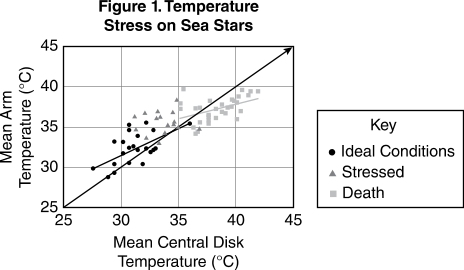
Sea stars lose their arms when stressed, but they can regenerate or regrow their arms. One type of stressor is temperature change. Figure 1 shows the temperatures that sea stars can sustain before the loss of an arm (when stressed) or death occurs.
Stem cells are unique cells with qualities that can help repair and heal the body. The microscopic process of regeneration is shown in Figure 2.
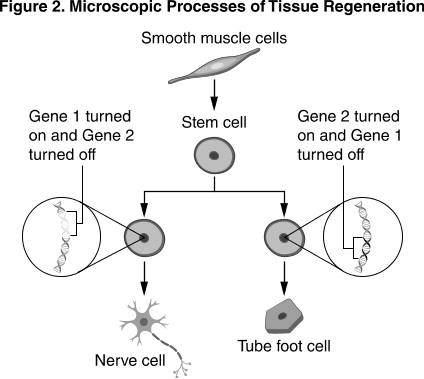
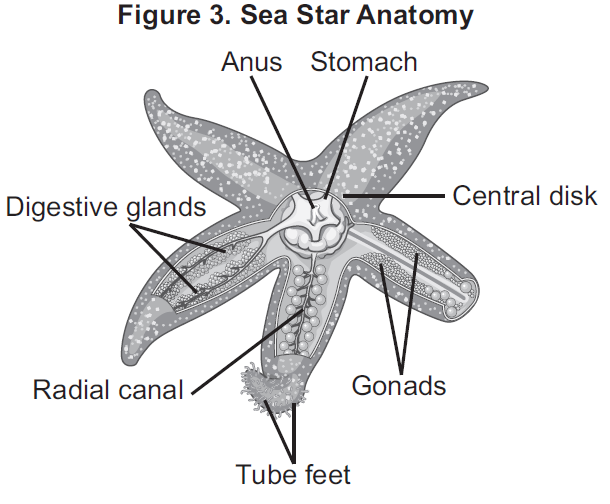
Figure 3 shows the basic anatomy of a sea star. The process of regeneration requires many steps to regrow a sea star arm, which contains different structures with different functions.
Part A
According to Figure 1, in which mean central disk temperature range will the sea star most likely lose an arm but not die?
Part B
Explain what process first occurs with the sea star DNA before the cells divide to regenerate a lost arm.
Enter the answer in the box.
Based on Figure 2, which process do sea stars need to undergo to duplicate stem cells before differentiation?
Which claim best describes the genetic material of the sea star’s tube foot cells and nerve cells?
Write one of the words in each of the blank boxes to correctly label Figure 2.
Figure 2. Microscopic Processes of Tissue Regeneration
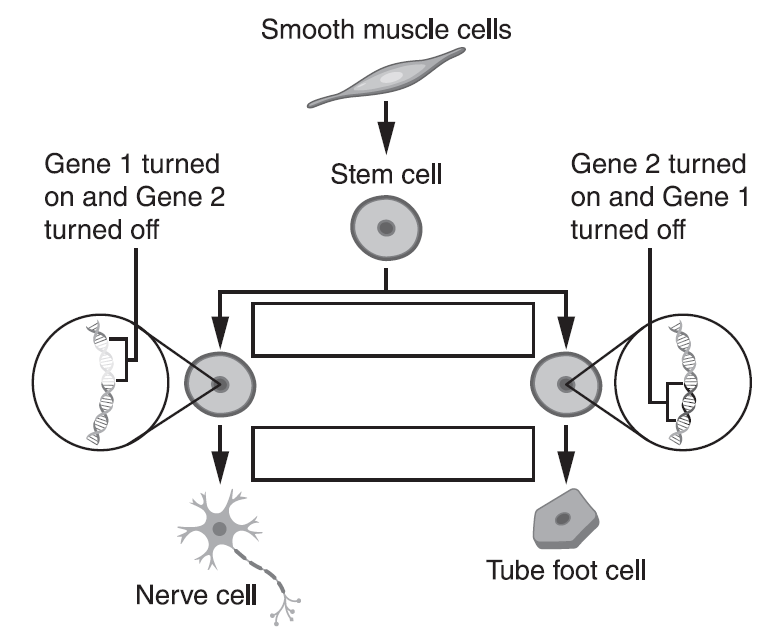
Mitosis
Differentiation
Meiosis
Which functions does mitosis serve for sea stars?
Select all that apply.
Which type of cells does the sea star need to regenerate cells in the arms, gills, and stomach?
Based on Figures 2 and 3, which information explains how DNA is used to make specialized cells and tissues within the sea star?
Select all that apply.
Explain why Figures 2 and 3 support the idea that sea stars are composed of many differentiated cells.